Best Types of Leather for Jackets: A Complete Guide
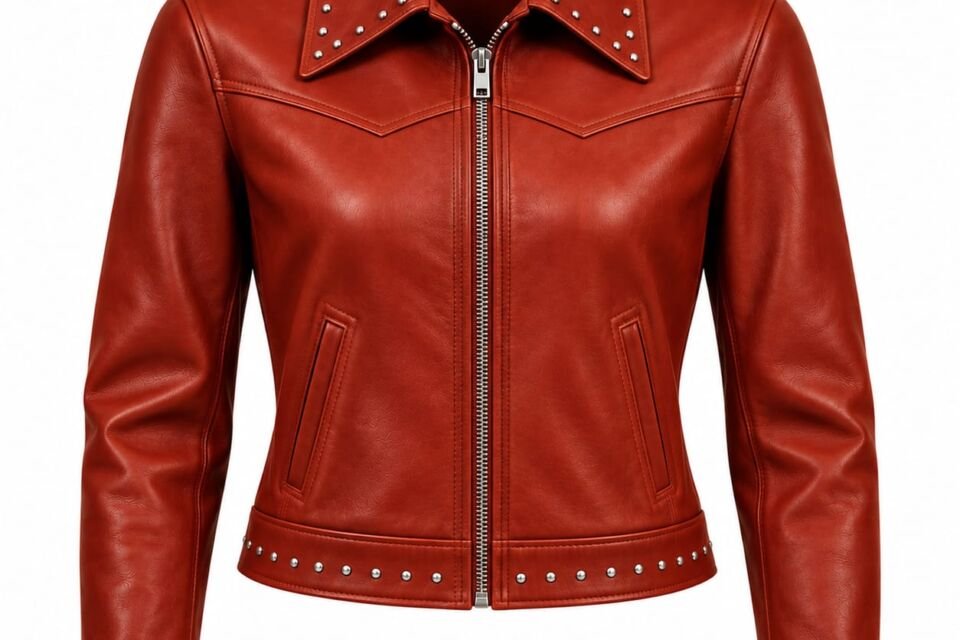
Choosing the right leather is one of the most important decisions when making or buying a leather jacket. Different leather types have different textures, durability, softness, appearance, and price points.
For fashion brands, understanding the differences between leather types can make it easier to select the right material for a new collection.
In this guide, we explain some of the most common types of leather for jackets and what makes each one different.
Why Does Leather Type Matter?
The leather used in a jacket affects more than its appearance.
It can influence:
- Durability
- Weight
- Softness
- Texture
- Comfort
- Aging
- Appearance
- Price
- Overall style
A lightweight fashion jacket may require a different leather than a heavy-duty motorcycle jacket.
That is why brands should choose leather according to the intended use and design.
1. Lambskin Leather
Lambskin is known for its soft and smooth feel.
It is often selected for fashion jackets because it can provide a comfortable and premium appearance.
Key characteristics:
- Very soft feel
- Lightweight
- Smooth texture
- Comfortable to wear
- Suitable for fashion-focused designs
Lambskin can work particularly well for luxury fashion jackets, lightweight leather jackets, and minimalist designs.
However, because it is relatively delicate compared with heavier hides, it may require more care.
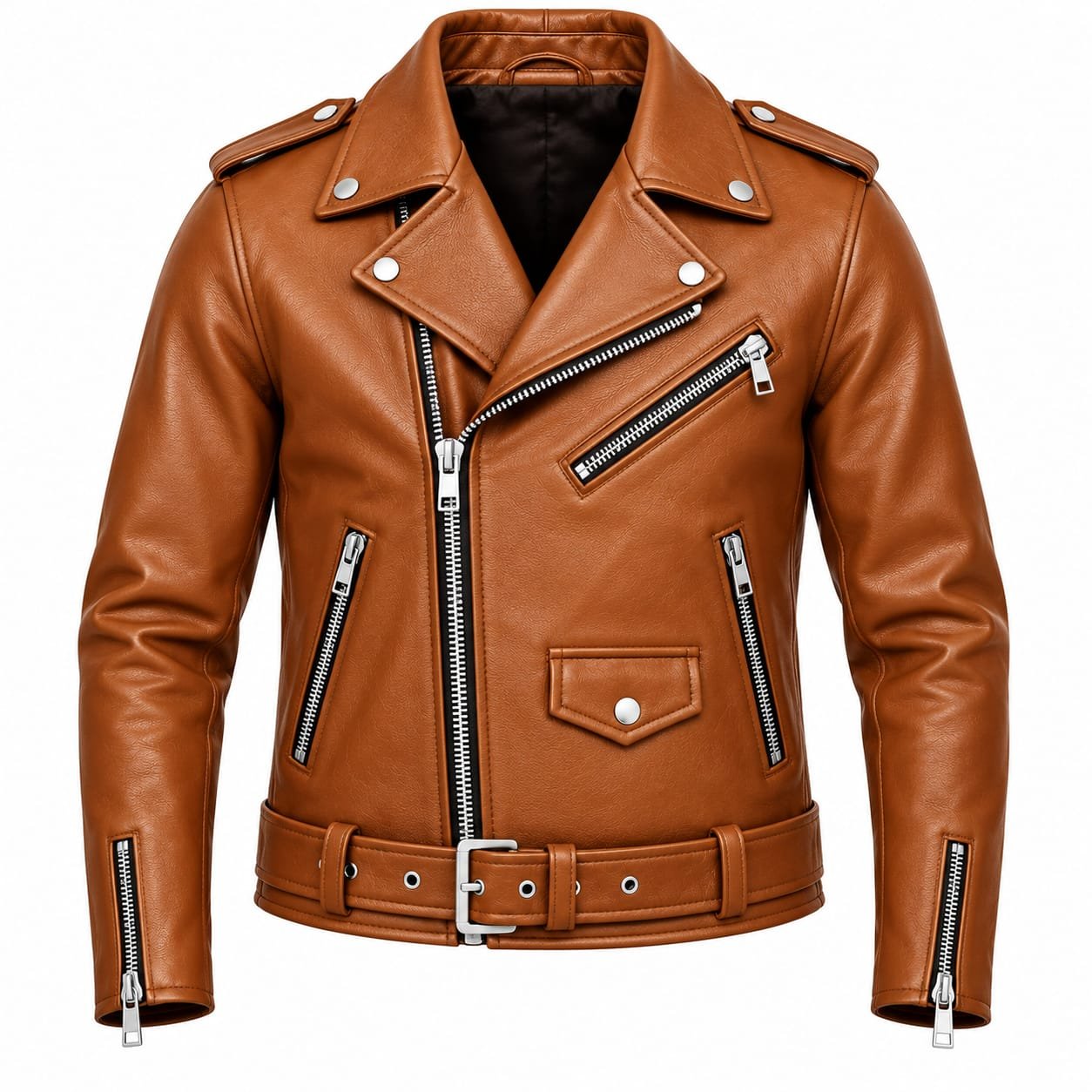
2. Cowhide Leather
Cowhide is widely used for leather jackets because it is strong and durable.
It is particularly suitable for designs where durability is an important consideration.
Key characteristics:
- Strong
- Durable
- Substantial feel
- Good abrasion resistance
- Suitable for heavier jackets
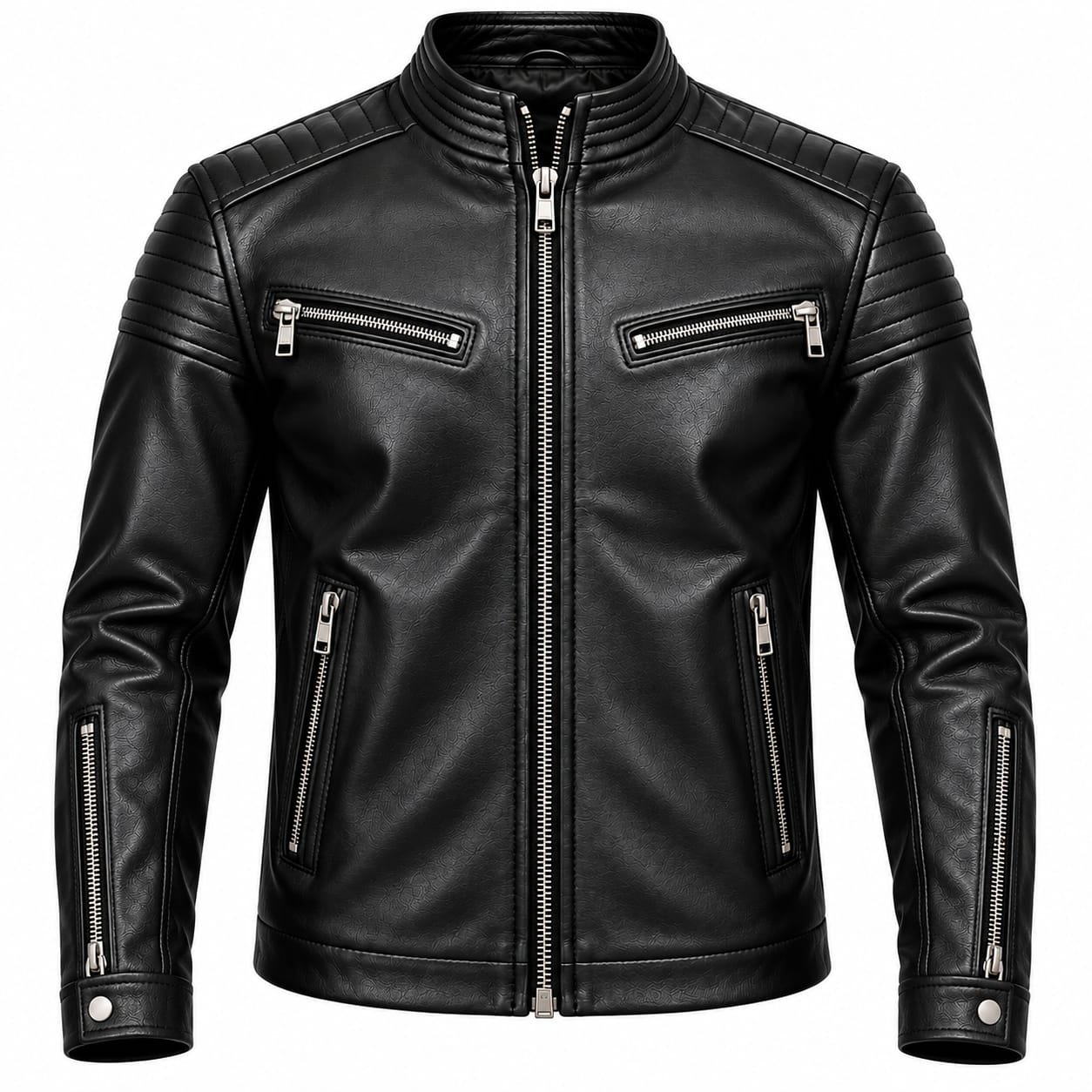
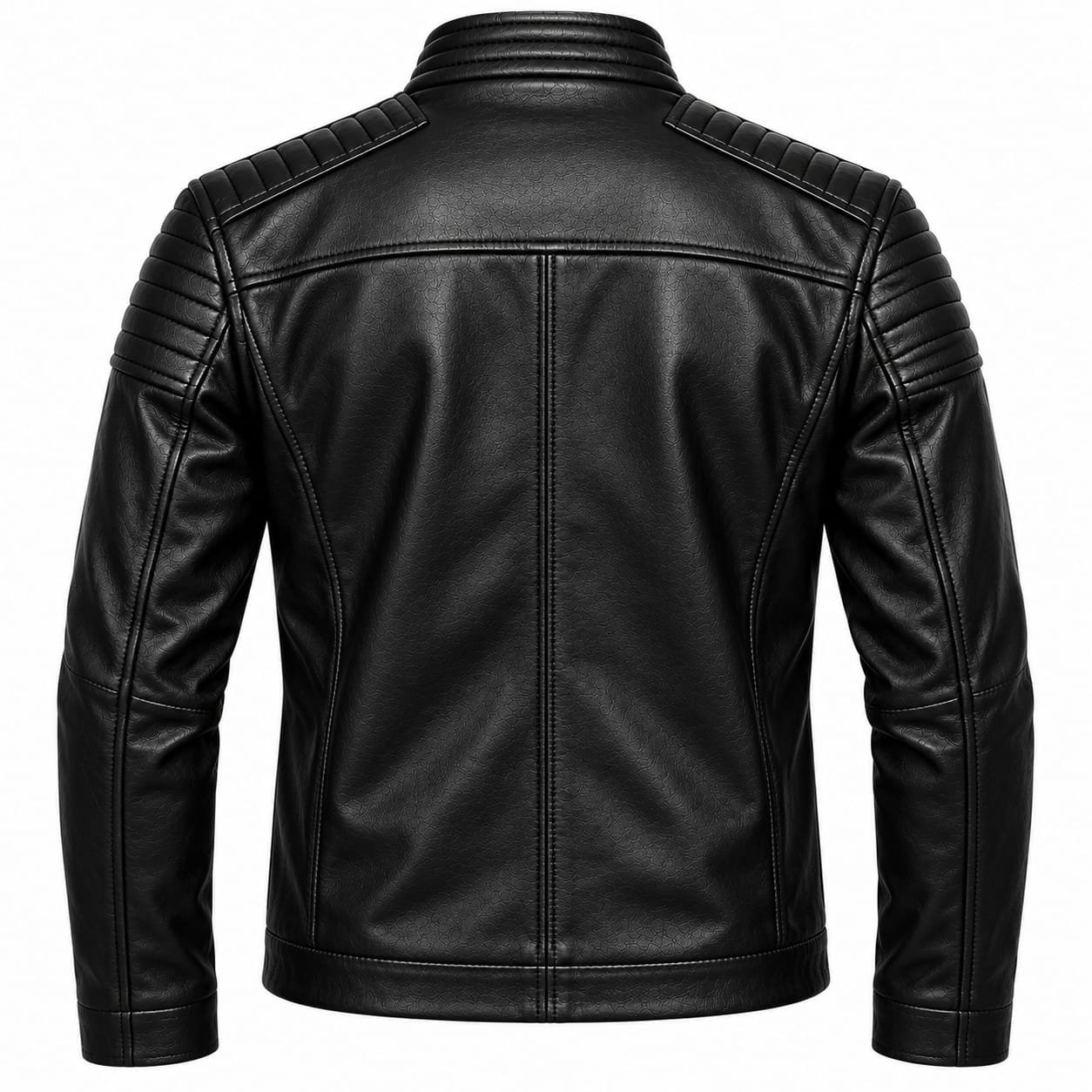
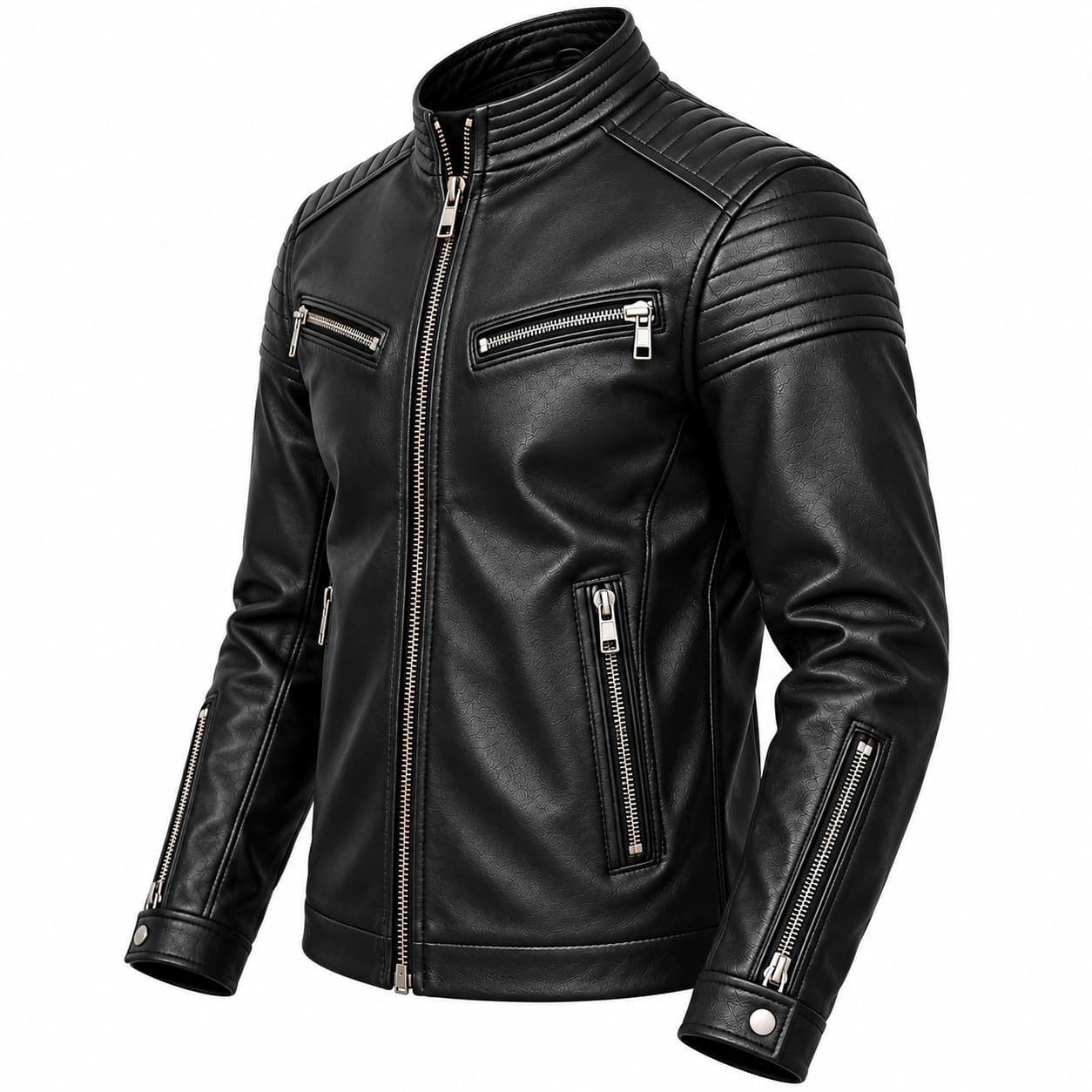
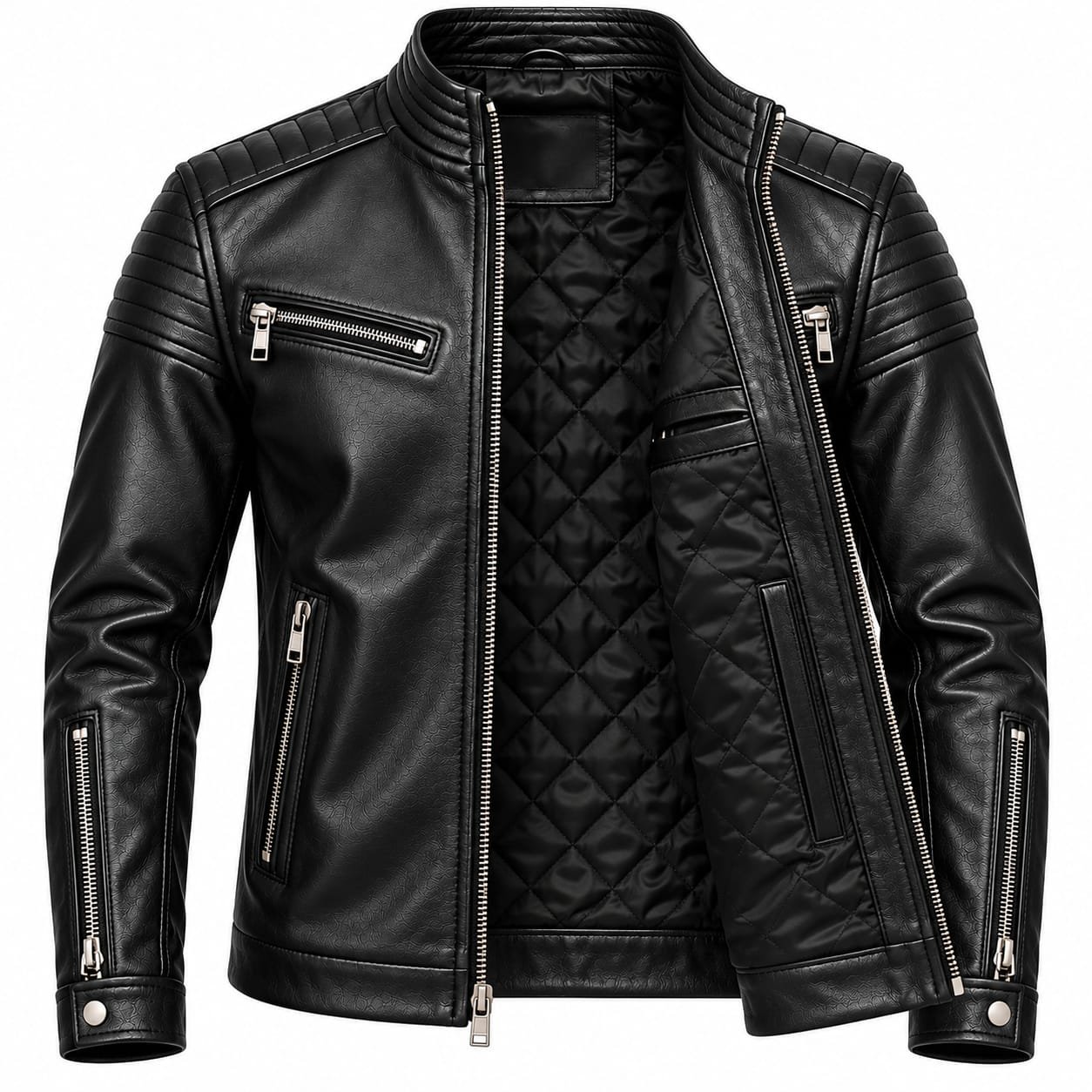
Cowhide can be used for biker jackets, motorcycle-inspired jackets, workwear styles, and other structured designs.
3. Full-Grain Leather
Full-grain leather retains the natural grain of the hide.
Because the natural surface is preserved, each piece can have its own texture and character.
Key characteristics:
- Natural grain
- Durable
- Premium appearance
- Develops character with use
- Long-lasting when properly maintained
Full-grain leather is often chosen for premium leather products where natural appearance and durability are priorities.
4. Top-Grain Leather
Top-grain leather has been processed to create a more consistent surface while retaining much of the natural structure of the hide.
It can offer a balance between appearance, consistency, and durability.
For brands looking for a refined leather jacket with a relatively uniform appearance, top-grain leather can be an option worth considering.
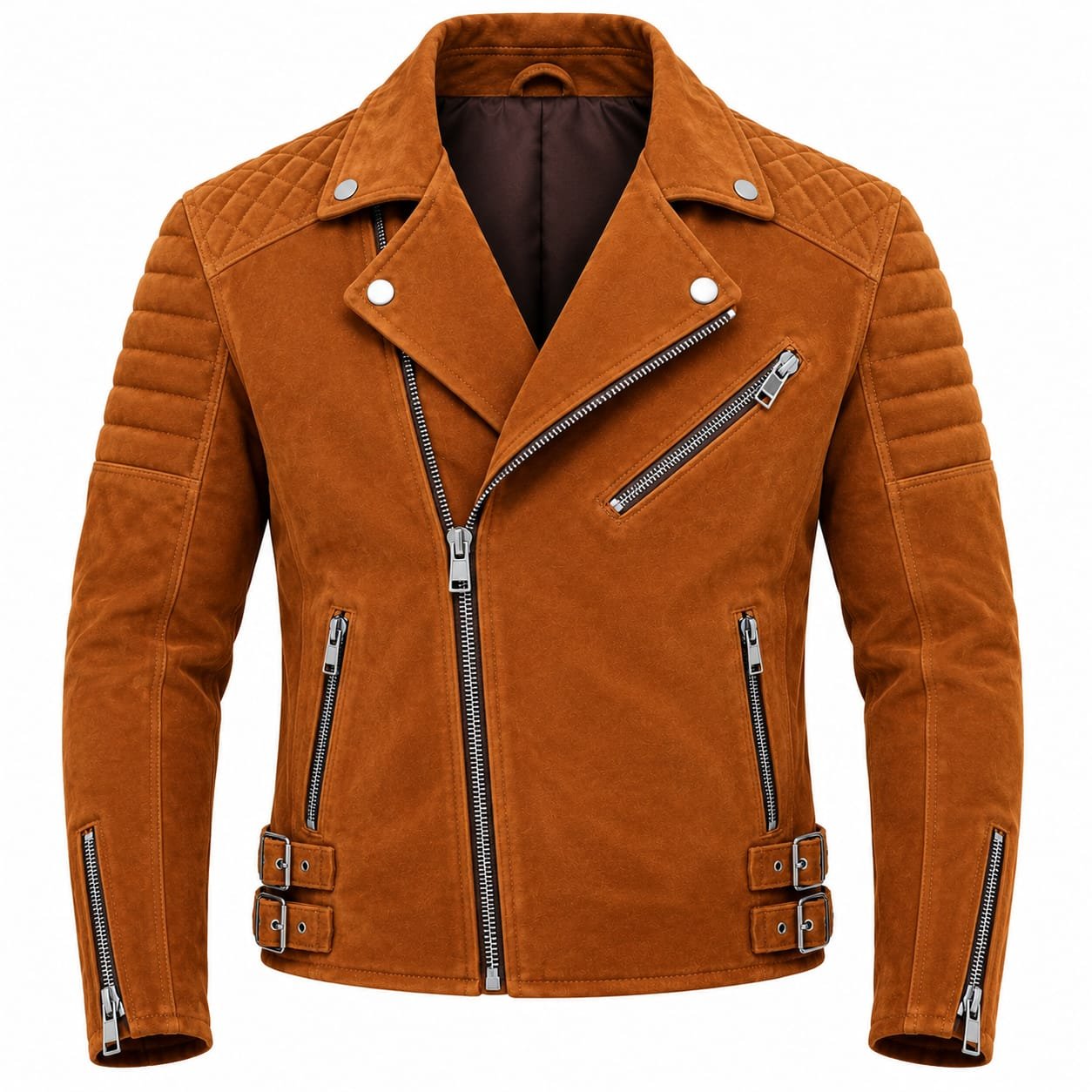
5. Suede Leather
Suede has a soft, textured surface that creates a different appearance from smooth leather.
It is popular for:
- Western-inspired jackets
- Casual jackets
- Fashion jackets
- Vintage designs
- Minimalist outerwear
Suede can create a softer and more relaxed visual style.
However, it generally requires more care when exposed to moisture and stains.
6. Distressed Leather
Distressed leather is designed to have a worn-in or vintage appearance.
It can feature variations in color and surface character that give the jacket an aged look.
Distressed leather works well for:
- Vintage jackets
- Biker styles
- Motorcycle-inspired designs
- Heritage fashion
- Streetwear
The exact appearance depends on the finishing process used by the manufacturer.
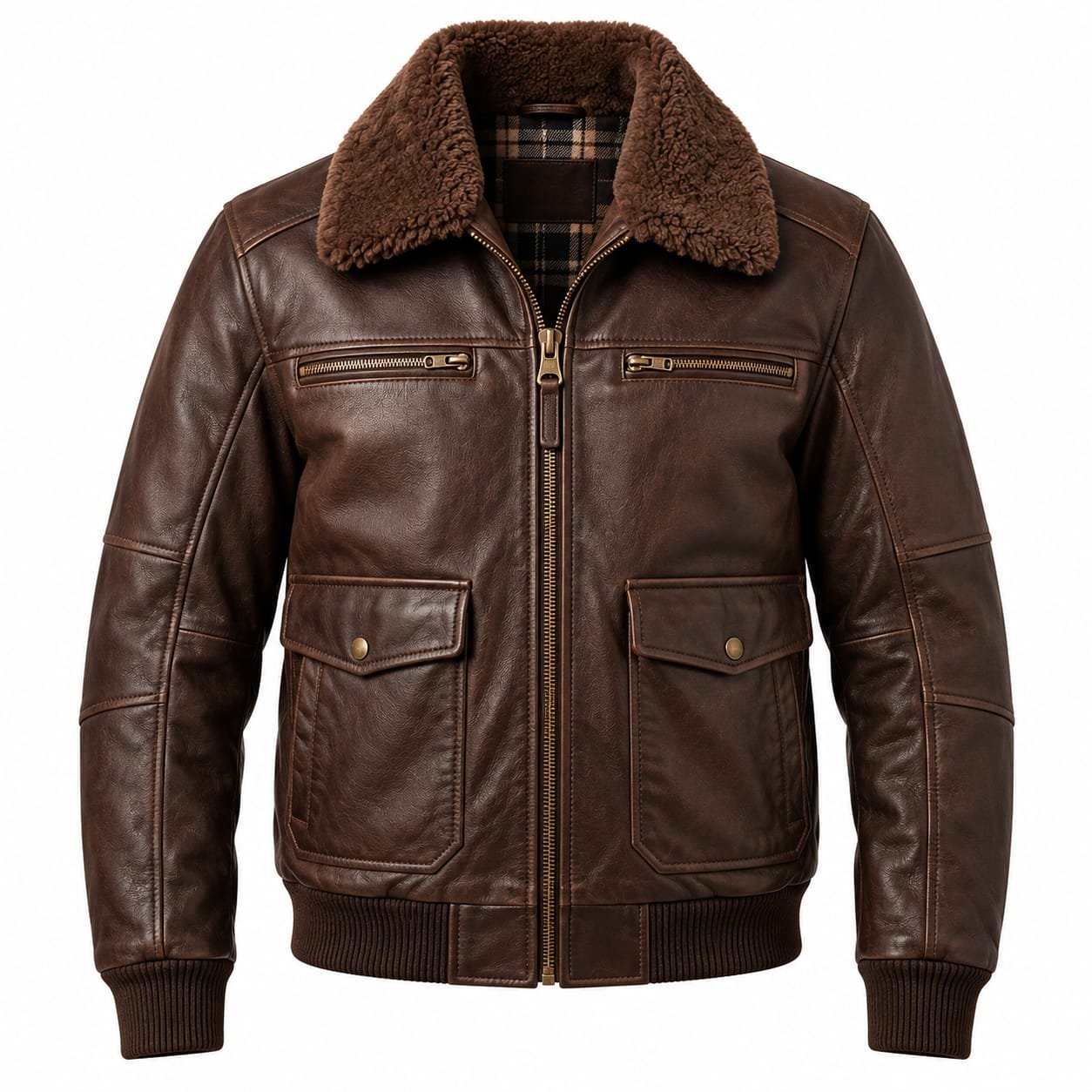
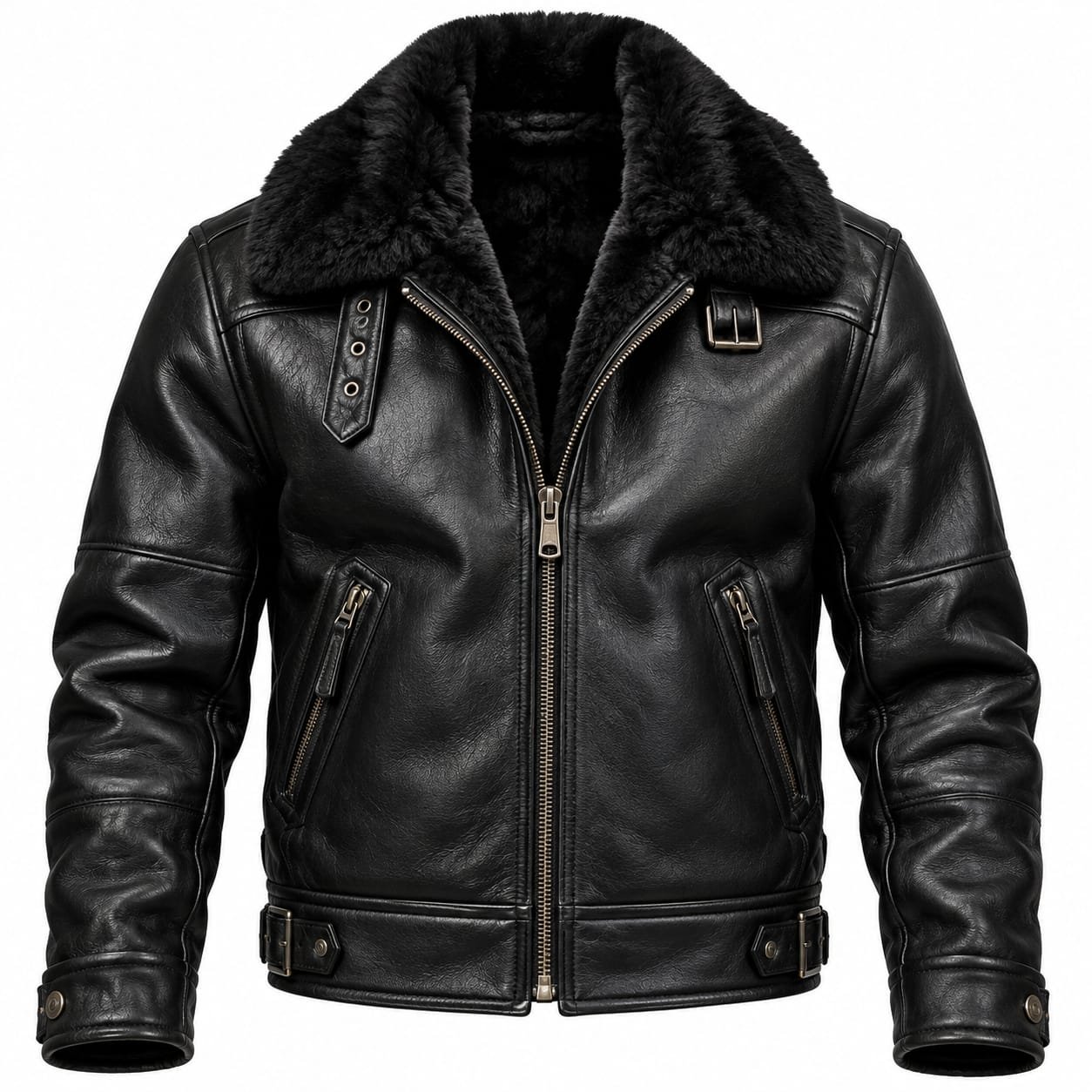
7. Shearling Leather
Shearling combines leather with wool or fleece on the interior.
It is commonly used for colder-weather jackets and coats.
Shearling jackets can provide:
- Warmth
- A distinctive appearance
- Soft interior comfort
- Premium winter styling
Shearling can be used in aviator jackets, winter coats, and fashion outerwear.
How to Choose the Right Leather for Your Jacket
There is no single leather type that is best for every jacket.
Consider these factors before selecting the material.
Jacket Style
A lightweight fashion jacket may work better with soft leather, while a motorcycle jacket may require a heavier and more durable material.
Climate
Brands selling jackets in colder climates may consider heavier leather or shearling constructions.
For milder climates, lightweight leather can be more practical.
Target Customer
Consider whether your customers are looking for:
- Luxury fashion
- Everyday wear
- Motorcycle gear
- Streetwear
- Vintage styling
- Winter outerwear
The target customer can influence both leather selection and jacket construction.
Budget
Different leather types and grades can have significantly different costs.
The leather should match the product’s intended retail positioning.
Leather Finish Also Matters
The same general leather type can look very different depending on its finish.
Popular finishes include:
- Smooth
- Matte
- Waxed
- Vintage
- Distressed
- Tumbled
- Suede
- Semi-aniline
For example, two jackets made from similar leather can have completely different appearances because of their finishing processes.
How Brands Should Test Leather Before Bulk Production
Before ordering a large quantity, brands should evaluate a leather sample.
Check:
- Texture
- Thickness
- Softness
- Color
- Grain
- Flexibility
- Finish
- Smell
- Surface consistency
It is also useful to test the actual jacket sample rather than selecting leather based only on a small swatch.
Custom Leather Jacket Manufacturing
For brands developing custom leather jackets, material selection should be decided early in the product-development process.
A manufacturer can help evaluate the suitability of different materials according to:
- Jacket design
- Construction
- Target market
- Season
- Desired appearance
- Budget
- Expected retail price
At Zentro Leather, brands can discuss leather selection and custom jacket requirements as part of their product-development process.
Final Thoughts
The best type of leather for a jacket depends on the design, intended use, target customer, climate, and budget.
Lambskin can be suitable for soft and lightweight fashion jackets, cowhide can provide strength and durability, full-grain leather offers a natural premium appearance, suede provides a distinctive textured look, and shearling can be ideal for colder-weather outerwear.
For brands, the most important step is to test the actual material and sample before moving into bulk production.
If you are developing a custom leather jacket collection, contact Zentro Leather to discuss leather options, designs, and manufacturing requirements.