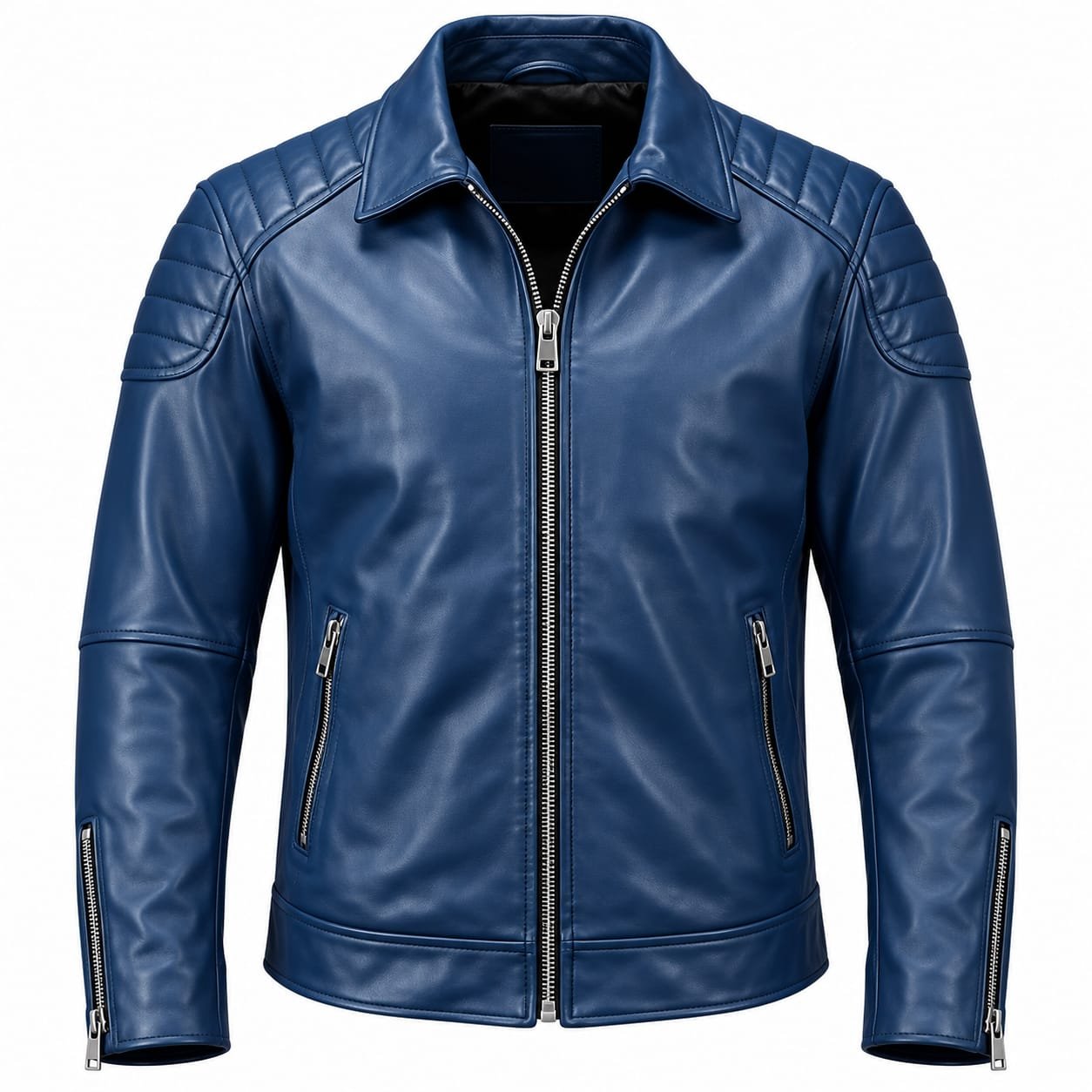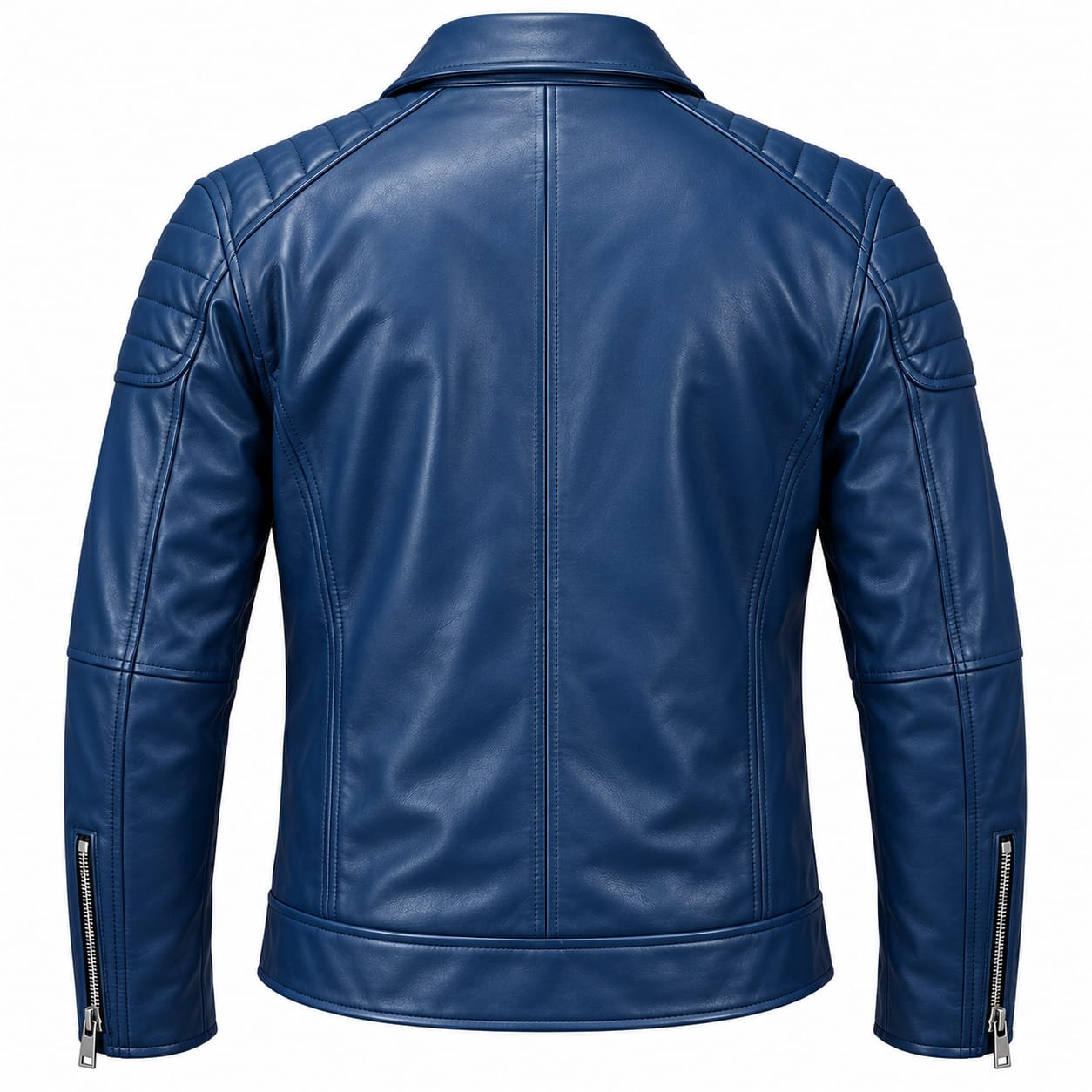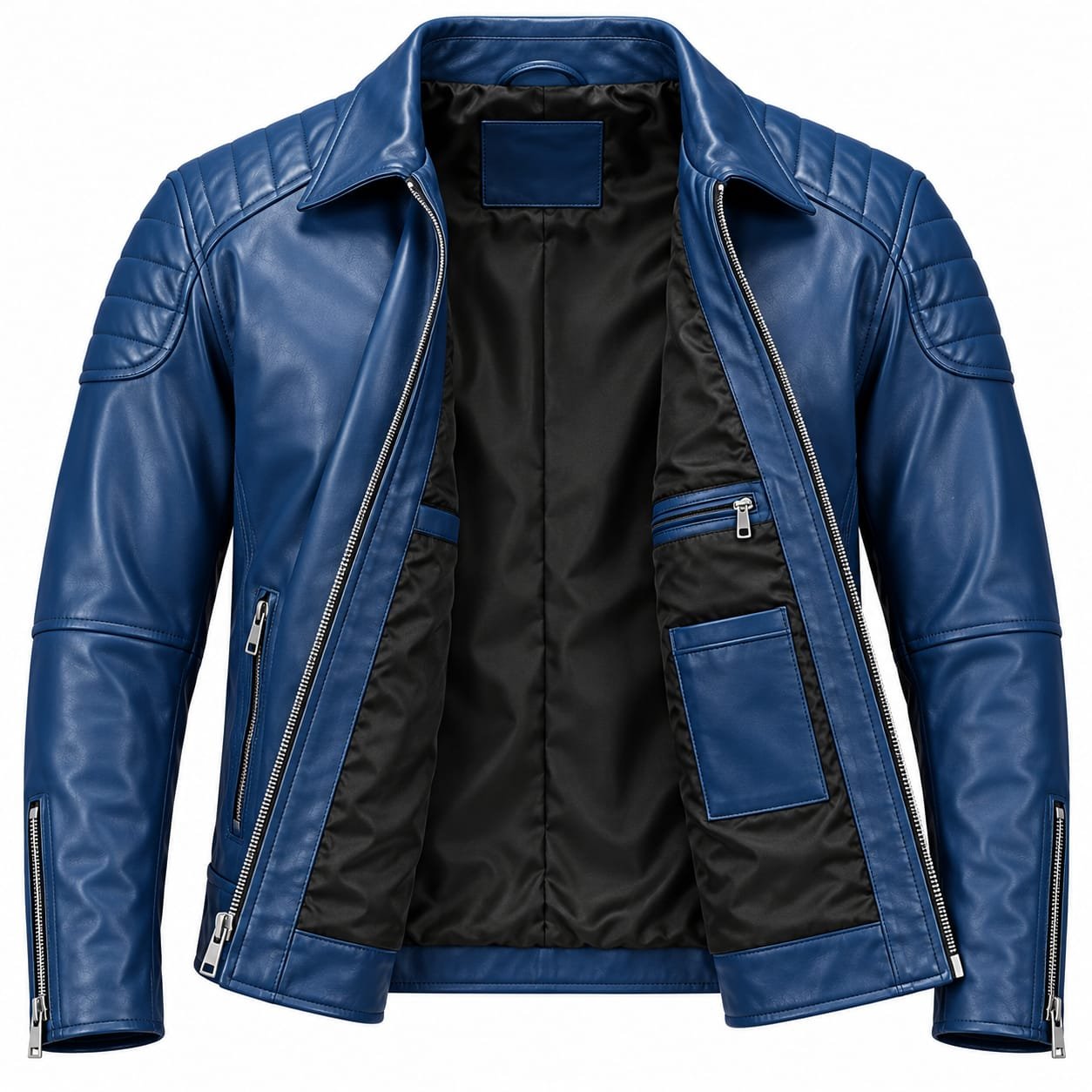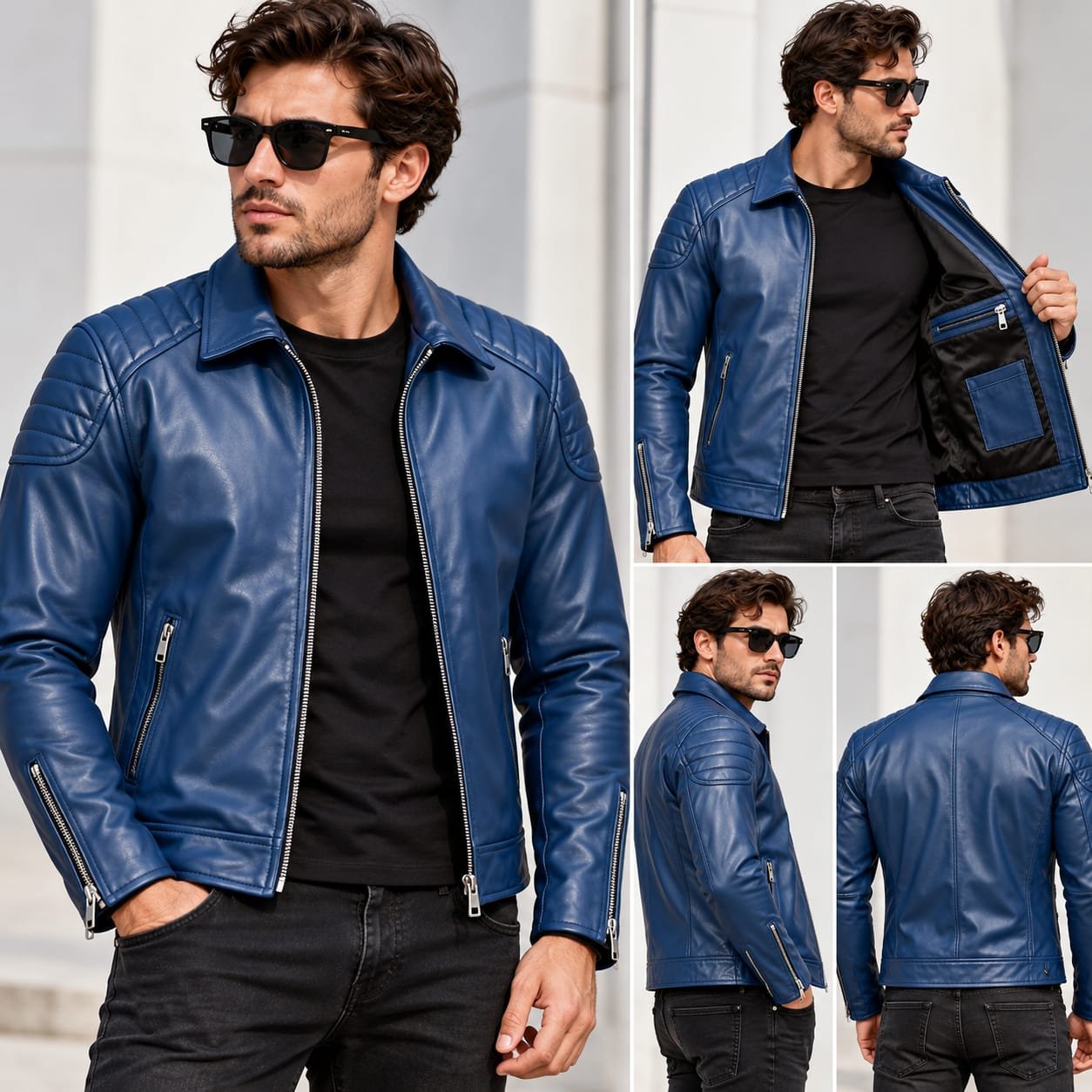
Leather Jacket Quality Checklist for Buyers: How to Choose a High-Quality Leather Jacket
Buying a leather jacket is an investment. A well-made leather jacket can last for years, develop a beautiful character over time, and become a reliable part of your wardrobe. However, not every jacket marketed as “genuine leather” offers the same quality.
Whether you are buying a classic leather jacket, motorcycle jacket, bomber jacket, or custom leather outerwear, knowing what to look for can help you choose a better product.
At Zentro Leather, we believe that leather quality, construction, stitching, hardware, and finishing all matter when evaluating a leather jacket.
1. Check the Type of Leather
The first thing to check is the type of leather used to make the jacket.
Common leather types include:
- Full-grain leather
- Top-grain leather
- Genuine leather
- Corrected-grain leather
- Suede
- Lambskin
- Cowhide
- Sheepskin
Full-grain leather is generally considered one of the premium options because it retains the natural grain of the hide. Top-grain leather is also widely used for high-quality jackets because it offers a good balance between durability and a refined appearance.
The best choice depends on the intended use. A motorcycle jacket may require strong and durable leather, while a lightweight fashion jacket may benefit from soft lambskin.
2. Look at the Leather Texture
High-quality leather usually has a natural appearance and texture.
When inspecting a leather jacket, look closely at the surface. Natural leather may have subtle variations, grain patterns, and small imperfections. These characteristics can indicate that the material has not been excessively covered or artificially altered.
Extremely uniform texture does not automatically mean poor quality, but it is worth checking how the leather feels and how it has been finished.
A good leather jacket should feel substantial without necessarily being excessively heavy.
3. Check the Leather Thickness
Leather thickness should match the purpose of the jacket.
A motorcycle jacket generally needs stronger, more substantial leather because it is designed for demanding use. A fashion jacket can use lighter leather to provide flexibility and comfort.
Very thin leather may feel comfortable but may not provide the durability expected from a heavy-duty jacket.
When purchasing online, check whether the manufacturer provides information about the leather material and construction.
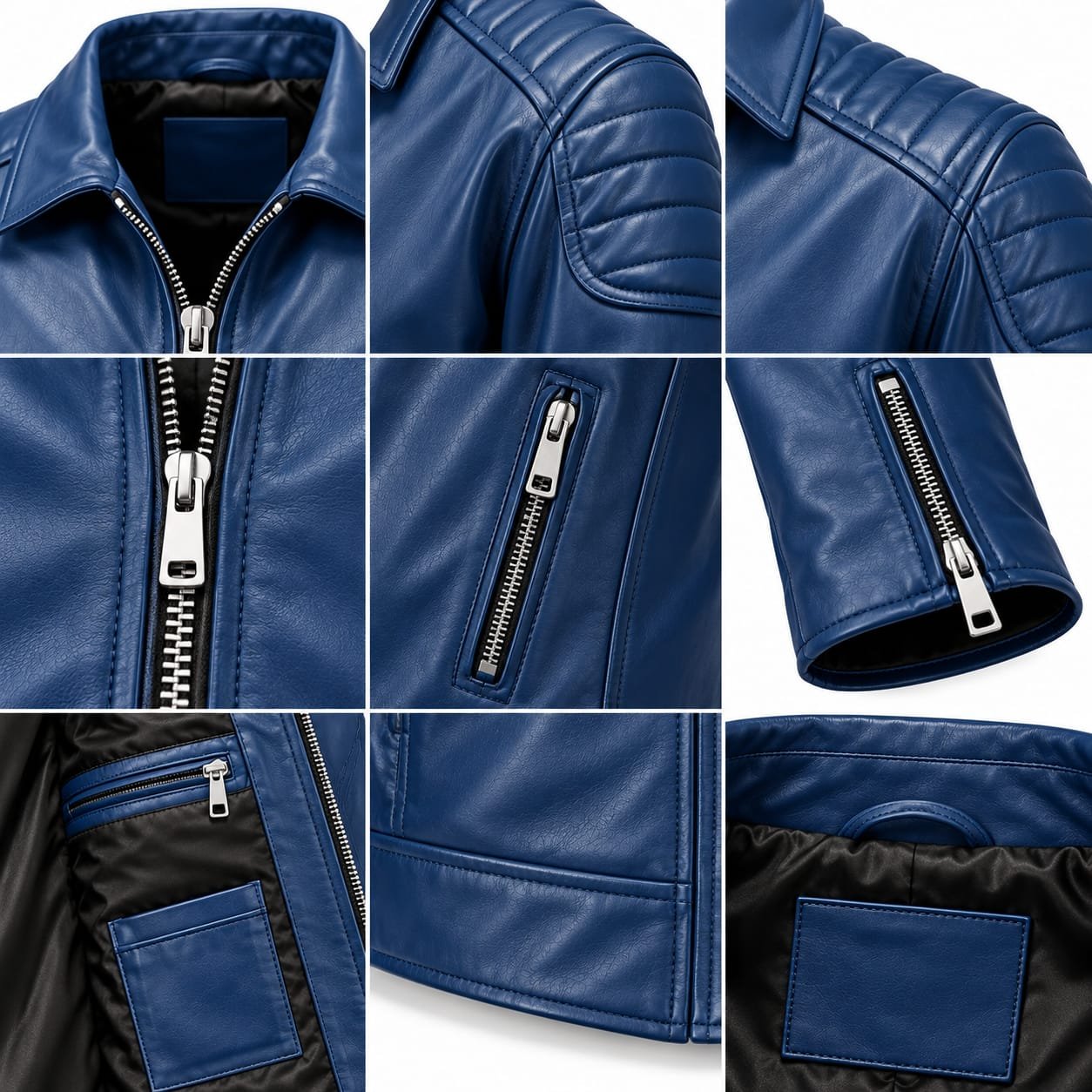
4. Inspect the Stitching
Stitching is one of the easiest ways to evaluate jacket construction.
Look for:
- Straight and consistent stitching
- Reinforced stress points
- Clean seams
- No loose threads
- Strong stitching around pockets
- Secure stitching around zippers
- Properly finished inside seams
Areas such as shoulders, sleeves, pockets, armholes, and side seams experience more stress. These areas should have strong and consistent construction.
Poor stitching can affect both the appearance and durability of a leather jacket.
5. Examine the Zippers and Hardware
Hardware can make a significant difference in the overall quality of a leather jacket.
Check the:
- Main zipper
- Pocket zippers
- Snaps
- Buckles
- Buttons
- Rivets
- Other metal fittings
The hardware should operate smoothly and feel secure.
A zipper that repeatedly catches, separates, or feels extremely weak can become a problem with regular use.
Premium leather jackets often use carefully selected hardware that complements the design while providing practical durability.
6. Check the Jacket Lining
The inside of the jacket is just as important as the outside.
A quality lining should be properly attached and should not bunch up excessively. Pay attention to the areas around the sleeves, pockets, collar, and hem.
The lining should make the jacket comfortable to wear and allow the garment to move naturally.
Depending on the design, leather jackets can feature polyester, cotton, quilted, satin-style, or other lining materials.
7. Inspect the Collar and Cuffs
Collars and cuffs receive frequent use, so their construction matters.
Check whether the collar sits properly and whether the cuffs are securely attached.
For shearling or shearling-collar jackets, inspect the texture and attachment of the shearling material. The collar should be securely constructed and evenly finished.
Small construction details can have a major effect on the overall appearance of a jacket.
8. Check the Pockets
Pockets should be both functional and properly constructed.
Look at:
- Pocket placement
- Pocket size
- Stitching
- Zipper operation
- Pocket lining
- Reinforcement around openings
A pocket that is poorly stitched can become damaged when carrying everyday items.
For motorcycle and utility jackets, reinforced pockets can be particularly important.
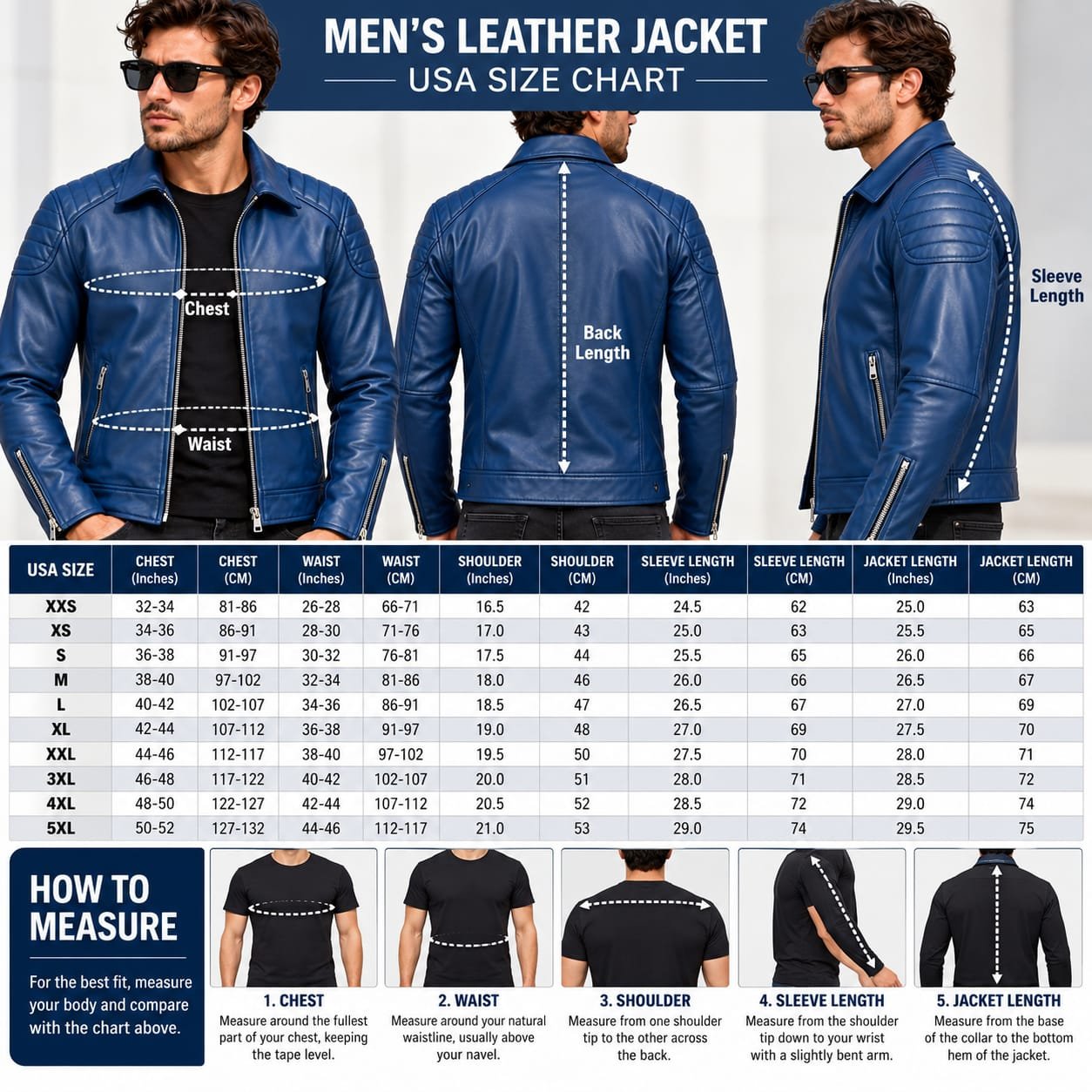
9. Look at the Overall Fit
Even high-quality leather will not look right if the jacket does not fit properly.
Before purchasing, check:
- Chest measurement
- Shoulder width
- Sleeve length
- Jacket length
- Waist measurement
- Armhole fit
Leather jackets should generally allow comfortable movement without appearing excessively loose.
If purchasing online, always compare your body measurements with the manufacturer’s size chart rather than choosing a size based only on S, M, L, or XL.
10. Consider the Leather Finish
Leather can have many different finishes.
Popular options include:
- Smooth leather
- Distressed leather
- Vintage leather
- Waxed leather
- Matte leather
- Suede
- Aniline-style finishes
A distressed leather jacket may have a naturally aged appearance, while a smooth leather jacket can provide a cleaner and more modern look.
The finish should match your intended style and how you plan to use the jacket.
11. Check the Smell
Genuine leather often has a recognizable natural leather smell.
However, smell alone should never be used as the only way to determine whether a jacket is genuine leather. Finishes, dyes, treatments, adhesives, and storage conditions can all affect the smell.
Instead, consider the material description, construction, texture, and manufacturer information together.
12. Review the Product Details
When shopping online, carefully read the product specifications.
Look for information about:
- Leather type
- Leather thickness
- Lining
- Hardware
- Closure system
- Available sizes
- Customization options
- Manufacturing details
- Care instructions
A professional manufacturer should be able to provide clear information about the product.
If a product description only says “premium leather” without explaining the material, ask for more details before placing a large order.
13. Consider How the Jacket Will Be Used
The best leather jacket depends on your lifestyle.
For example:
Motorcycle use:
Look for durable leather, reinforced construction, secure closures, and functional pockets.
Everyday fashion:
Soft leather, comfortable construction, and lightweight designs may be more suitable.
Winter wear:
Consider insulated or shearling-lined options.
Luxury fashion:
Focus on leather quality, finishing, hardware, fit, and detailed craftsmanship.
Custom manufacturing:
Consider material selection, patterns, sizing, branding, hardware, packaging, and production consistency.
14. Quality Is More Than the Leather
One common mistake is judging a leather jacket only by its leather.
A high-quality jacket is the result of several components working together.
Leather quality matters, but so do:
- Pattern making
- Cutting
- Stitching
- Hardware
- Lining
- Fit
- Finishing
- Quality control
A good leather hide cannot compensate for poor construction.
Similarly, excellent craftsmanship cannot completely compensate for unsuitable leather.
The best jackets combine good materials with careful manufacturing.
15. Buying Leather Jackets From a Manufacturer
If you are a clothing brand, retailer, or fashion business looking for leather jackets, manufacturer selection becomes especially important.
Instead of evaluating only a single sample, consider whether the manufacturer can consistently reproduce the same quality across production orders.
Ask about:
- Leather sourcing
- Available leather types
- Sample development
- Custom patterns
- Custom colors
- Custom hardware
- Private labeling
- Size grading
- Quality control
- Production quantities
- Packaging
- International shipping
A reliable manufacturing partner should understand both product quality and brand requirements.
Zentro Leather: Custom Leather Jacket Manufacturing
At Zentro Leather, we focus on manufacturing leather apparel for brands, retailers, and businesses looking for custom leather products.
Our manufacturing capabilities can include different leather jacket styles, custom colors, custom designs, hardware options, labels, and other product specifications based on the requirements of a brand.
From classic leather jackets and bomber jackets to motorcycle styles and fashion-focused designs, product development can be customized according to the project.
For businesses looking for custom leather apparel, choosing the right manufacturing partner is an important part of maintaining consistent product quality.
Final Leather Jacket Quality Checklist
Before buying a leather jacket, check these key points:
✓ Leather type
✓ Leather texture
✓ Leather thickness
✓ Stitching quality
✓ Zipper and hardware quality
✓ Lining construction
✓ Collar and cuffs
✓ Pocket construction
✓ Fit and measurements
✓ Leather finish
✓ Product specifications
✓ Intended use
✓ Manufacturer reputation
A quality leather jacket should not be judged by one feature alone. Material, craftsmanship, construction, fit, and finishing all contribute to the final product.
If you take the time to inspect these details before purchasing, you can make a more informed decision and choose a leather jacket that better matches your expectations.
Looking for custom leather jackets for your brand? Zentro Leather can develop leather apparel according to your design, material, color, sizing, and branding requirements.