Can You Wear a Leather Jacket in the Rain? What You Should Know
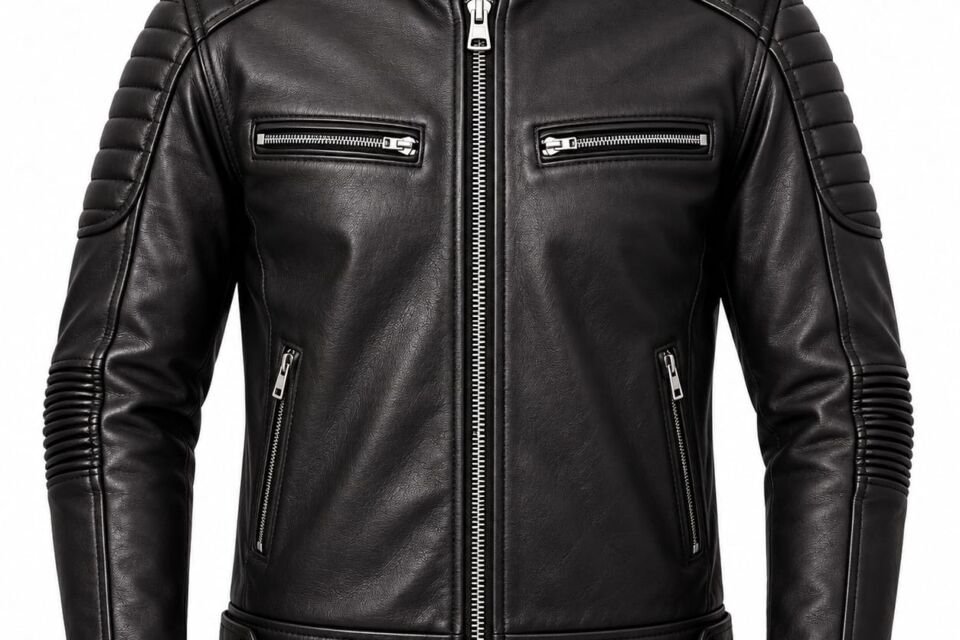
A leather jacket is durable, stylish, and designed to last for years, but many buyers have one important question: Can you wear a leather jacket in the rain?
The short answer is yes, but it depends on the type of leather, the amount of rain, and how you care for the jacket afterward.
A small amount of light rain usually does not mean your leather jacket is ruined. However, prolonged exposure to heavy rain can affect the leather, finish, lining, and overall appearance if the jacket is not properly protected.
Understanding how leather reacts to water can help you avoid unnecessary damage and keep your jacket looking good for longer.
Can You Wear a Leather Jacket in the Rain?
You can wear a leather jacket in light rain, but leather should not be treated as completely waterproof.
Natural leather contains fibers and oils that can be affected by excessive moisture. When leather becomes heavily saturated, it can change texture, lose some of its natural oils, develop water marks, or become stiff after drying incorrectly.
The level of protection depends on the leather and its finish.
A finished smooth leather jacket may handle occasional light rain better than unfinished suede or nubuck. However, even a treated leather jacket should not be deliberately soaked unless the manufacturer specifically states that it is waterproof.
If rain is expected, a water-resistant outer layer or another weather-appropriate jacket may be a better choice for prolonged exposure.
What Happens When Leather Gets Wet?
Leather is a natural material, so water can interact with its fibers.
When a leather jacket gets wet, you may notice temporary darkening of the leather. This is often normal and may disappear as the jacket dries.
Problems can occur when the leather becomes heavily saturated or is dried incorrectly.
Excess moisture followed by rapid drying can potentially cause:
- Stiffness
- Dryness
- Cracking
- Changes in texture
- Water marks
- Uneven coloration
- Damage to certain finishes
The lining can also absorb water, which may make the jacket take longer to dry.
The important point is that getting caught in light rain is not automatically a disaster. The way you handle the jacket afterward matters significantly.
Is All Leather Affected by Rain?
No. Different leather types and finishes respond differently to moisture.
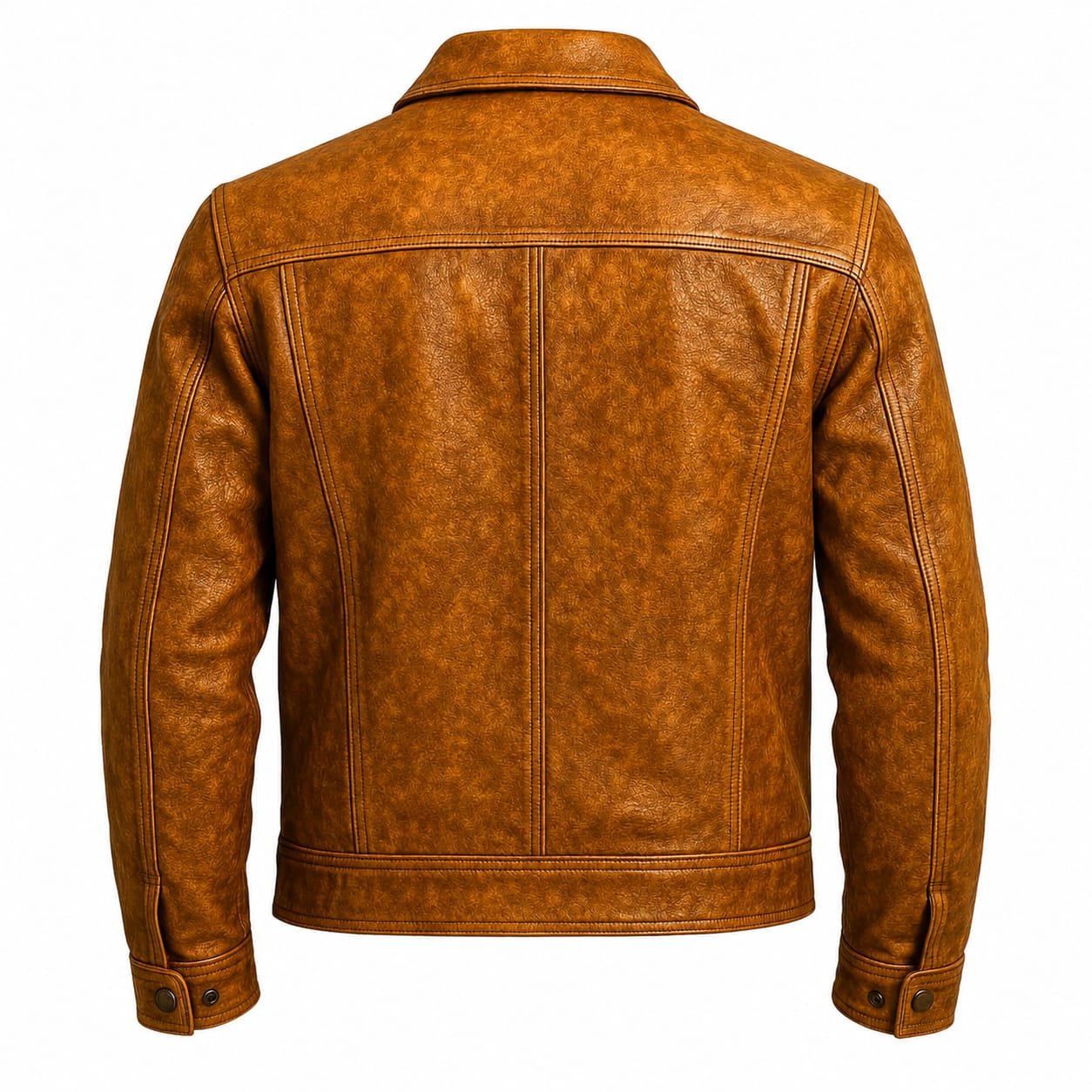
Smooth finished leather generally offers more surface protection than unfinished leather because its surface has been treated.
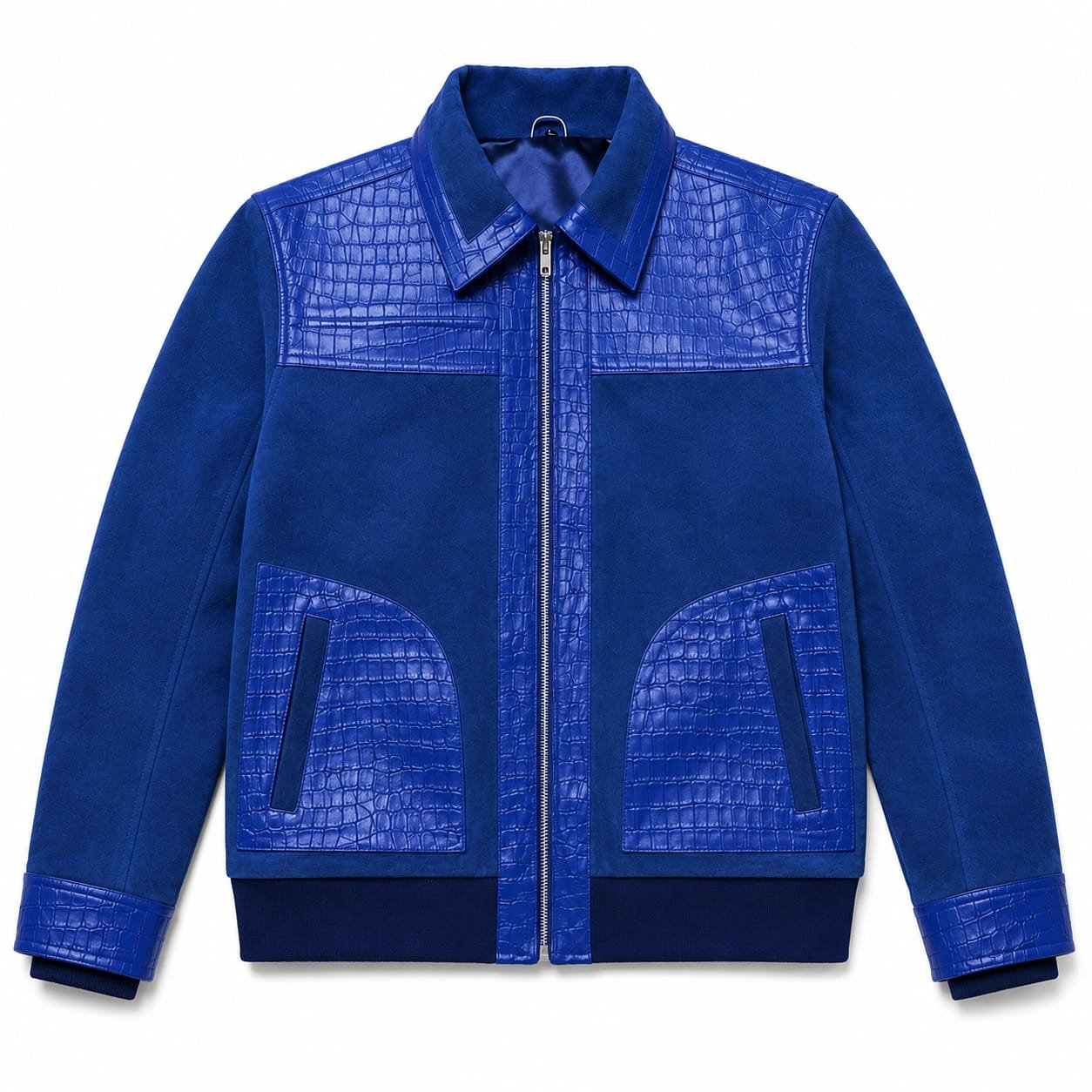
Suede and nubuck are more sensitive because their textured surfaces can absorb moisture more easily.
The tanning process, finishing treatment, thickness, and protective coating can also affect water resistance.
This is why you should always check the care instructions provided with your specific leather jacket rather than assuming every leather jacket behaves the same way.
Which Leather Jackets Handle Rain Better?
There is no single leather type that makes a jacket completely waterproof.
However, some finished leather jackets can handle occasional light moisture better than untreated leather.
For example, a smooth leather jacket with an appropriate protective finish may be more practical in unpredictable weather than an untreated suede jacket.
Waxed or specially treated leather can also provide additional resistance to moisture, depending on the specific product and manufacturer.
If you live in an area with frequent rain, ask the manufacturer:
- Is the leather water resistant?
- Has the leather been treated?
- What product should be used for protection?
- Can the jacket be exposed to heavy rain?
- How should the jacket be dried?
- Is the finish suitable for outdoor use?
These questions are more useful than simply asking whether the jacket is “waterproof.”
Can Rain Damage a Leather Jacket?
Rain can damage leather if the exposure is excessive or the jacket is handled incorrectly afterward.
A short exposure to light rain usually presents much less risk than several hours in heavy rainfall.
Repeated exposure without proper maintenance can also contribute to dryness and deterioration over time.
Another issue is water spotting. Some leather finishes can show visible marks after drying, particularly if the water contains minerals or other residues.
If the jacket becomes wet, deal with the moisture as soon as reasonably possible.
Do not leave a soaked leather jacket folded inside a bag or pile of clothing.
What to Do If Your Leather Jacket Gets Wet
If your leather jacket gets caught in the rain, do not panic.
The first step is to gently remove excess water from the surface.
Use a clean, soft cloth and lightly pat the jacket. Do not aggressively rub the leather.
Then hang the jacket on a strong, wide hanger in a well-ventilated room.
Allow it to dry naturally.
Keep the jacket away from direct high heat while it dries.
If the jacket becomes heavily soaked, allow additional time for the inside and lining to dry completely.
Do not store the jacket while it is still damp.
How to Dry a Wet Leather Jacket Safely
Drying is one of the most important parts of dealing with wet leather.
Avoid using:
- Hair dryers
- Radiators
- Space heaters
- Heat guns
- Direct intense sunlight
- Other high-heat sources
Fast drying may seem convenient, but excessive heat can remove moisture and oils from the leather too quickly.
Instead, place the jacket in a room with normal airflow and moderate temperature.
Use a wide hanger to help the jacket retain its shape.
Be patient. A thick leather jacket may take considerably longer to dry than a lightweight garment.
Do not apply conditioner while the leather is still soaking wet unless the manufacturer’s instructions specifically recommend it.
Should You Use a Leather Protector?
A suitable leather protector can help reduce the effect of moisture, but it does not necessarily make a leather jacket completely waterproof.
Before applying any product, check whether it is compatible with your leather.
This is especially important for:
- Suede
- Nubuck
- Aniline leather
- Waxed leather
- Special finishes
- Dyed or coated leather
Test the product on a small hidden area first.
Some protectors can slightly change the color, texture, or finish of leather. A product that works well on one jacket may not be suitable for another.
Following the manufacturer’s recommendations is the safest approach.
Can You Wear a Suede Jacket in the Rain?
Suede generally requires more caution around water than many smooth finished leathers.
Its textured surface can absorb moisture and may develop water marks or changes in texture.
If you own a suede leather jacket, check the manufacturer’s care instructions and consider using a suede-specific protective product if recommended.
If heavy rain is expected, it is generally better to choose another outer layer rather than deliberately exposing a suede jacket to significant moisture.
If suede does become wet, avoid rubbing the surface aggressively.
Allow it to dry naturally and follow appropriate suede-care instructions.
Common Mistakes to Avoid With Wet Leather
Many leather jackets are damaged not by the rain itself, but by incorrect attempts to deal with the water.
Using a Hair Dryer
High heat can dry leather too quickly and contribute to stiffness or cracking.
Placing the Jacket Near a Heater
Radiators and heaters can expose one area to excessive heat and cause uneven drying.
Rubbing Wet Leather
Aggressive rubbing can affect the finish and spread moisture or dirt across the surface.
Using Household Oils
Cooking oils and other household oils are not substitutes for proper leather-care products.
Washing the Jacket in a Washing Machine
Most leather jackets should not be machine washed unless the manufacturer specifically states that they are washable.
Storing the Jacket While Damp
Damp storage can create unpleasant odors and may contribute to other problems.
Assuming Leather Is Waterproof
Leather is not automatically waterproof simply because it is thick or genuine.
How to Protect Your Leather Jacket in Bad Weather
If you regularly wear your leather jacket outdoors, prevention is better than trying to repair damage later.
Before using a leather protector, identify your leather type and follow the manufacturer’s instructions.
When bad weather is expected, consider carrying a lightweight waterproof outer layer that can be worn over the leather jacket.
An umbrella can also reduce direct exposure.
If you commute by motorcycle, pay particular attention to weather conditions because motorcycle jackets can experience longer and heavier exposure to rain.
A jacket designed for motorcycle use may have different construction and protective features, but it should still be maintained according to its material and manufacturer’s instructions.
How Often Should You Condition a Leather Jacket?
There is no universal conditioning schedule that works for every leather jacket.
Conditioning needs depend on:
- Leather type
- Climate
- Frequency of use
- Exposure to weather
- Leather finish
- Manufacturer recommendations
Over-conditioning can be just as unnecessary as never conditioning the leather.
If the leather begins feeling unusually dry or the manufacturer recommends periodic conditioning, use a suitable product in a small amount.
Always check compatibility before applying a conditioner.
What If Your Leather Jacket Gets Completely Soaked?
A heavily soaked leather jacket requires more care than one exposed to light rain.
First, gently remove excess surface water with a clean cloth.
Then place the jacket on a suitable hanger and allow it to dry naturally in a well-ventilated room.
Do not force the drying process with high heat.
If the jacket develops significant stiffness, discoloration, cracking, or changes in texture after drying, consider consulting a professional leather-care specialist.
For expensive or valuable jackets, professional treatment may be safer than experimenting with household products.
Does Rain Ruin the Patina of Leather?
Not necessarily.
A quality leather jacket can develop a natural patina as it is worn. Small changes in color, texture, and creasing can contribute to the character of the jacket.
However, uncontrolled water exposure can create unwanted marks or uneven changes in appearance.
The difference is between natural aging and avoidable damage.
Regular wear can create attractive character, while repeated soaking and improper drying can cause problems that are much harder to reverse.
How to Choose a Leather Jacket for Wet Weather
If you live in a rainy climate, consider weather conditions before buying your jacket.
Look for information about:
- Leather finish
- Water resistance
- Protective treatment
- Lining
- Hardware
- Stitching
- Manufacturer care instructions
Do not choose a jacket based only on thickness.
A thick leather jacket is not automatically waterproof.
Ask the seller or manufacturer how the specific leather was finished and how much moisture exposure it can reasonably handle.
This is especially important when buying a leather jacket online because photographs alone cannot tell you how the material will respond to water.
Leather Jacket in Rain: What Buyers Should Remember
If you occasionally get caught in rain while wearing a leather jacket, you usually do not need to assume the jacket is ruined.
The safest approach is to:
- Remove excess water gently.
- Hang the jacket on a wide hanger.
- Let it dry naturally.
- Keep it away from high heat.
- Do not rub the leather aggressively.
- Avoid household oils and harsh cleaners.
- Use only compatible leather-care products.
- Follow the manufacturer’s care instructions.
- Avoid storing the jacket while damp.
- Use additional rain protection during prolonged wet weather.
Final Thoughts
So, can you wear a leather jacket in the rain? Yes, but leather should not be considered completely waterproof unless the specific jacket has been designed and tested for that purpose.
Occasional light rain is generally much less concerning than prolonged exposure to heavy rain. The most important thing is to handle the jacket correctly if it becomes wet.
Choose the right leather, understand its finish, follow the manufacturer’s care instructions, and avoid excessive moisture whenever possible.
With proper care, a quality leather jacket can remain comfortable, attractive, and durable for many years without being treated like a waterproof raincoat.