How to Start a Leather Jacket Brand: A Complete Guide for Beginners
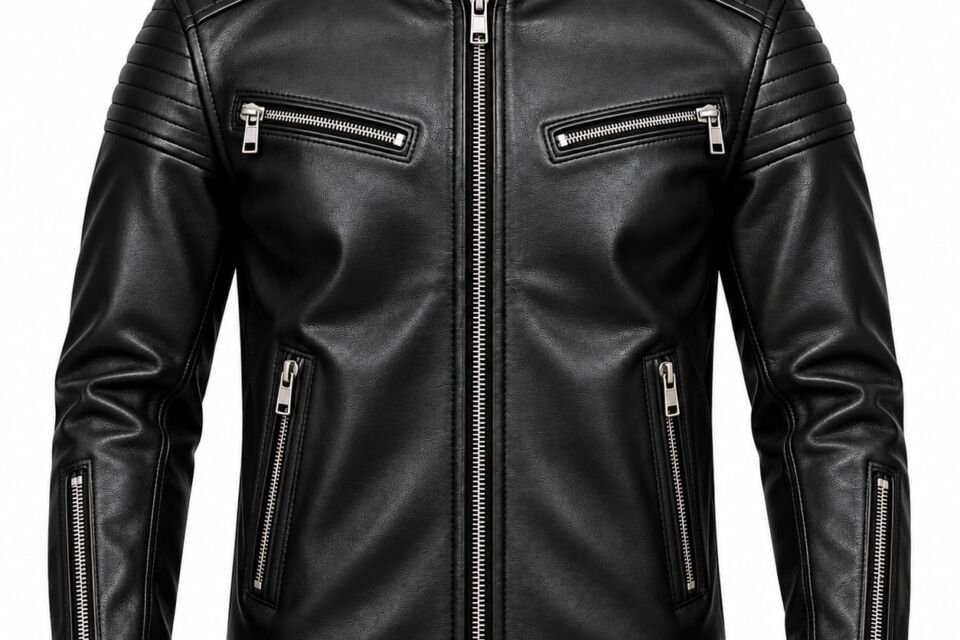
Starting a leather jacket brand can be an exciting opportunity for entrepreneurs who want to enter the fashion industry with distinctive products. From classic black leather jackets to modern streetwear designs and premium outerwear, leather jackets appeal to customers looking for style, versatility, and long-lasting wear.
However, building a successful leather jacket brand requires more than choosing a design and finding a manufacturer. You need to understand your target market, select suitable materials, develop your brand identity, manage production costs, and create a marketing strategy that attracts customers.
In this guide, Zentro Leather explains how to start a leather jacket brand, from choosing your first product to launching your online store.
1. Research the Leather Jacket Market
Before investing in inventory, research the customers you want to serve and the types of leather jackets they are interested in buying.
The leather jacket market includes several product categories, such as:
- Classic men’s and women’s leather jackets
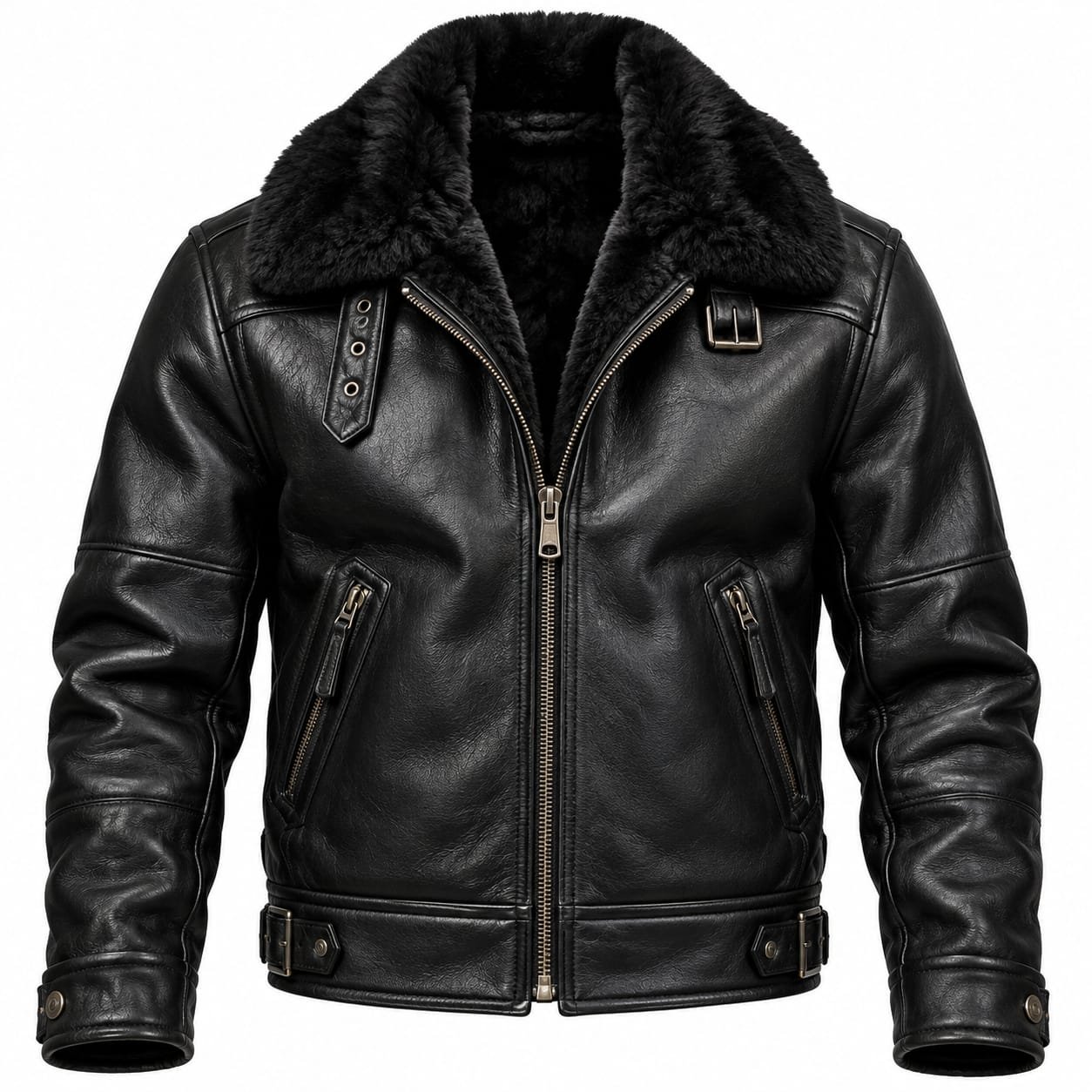
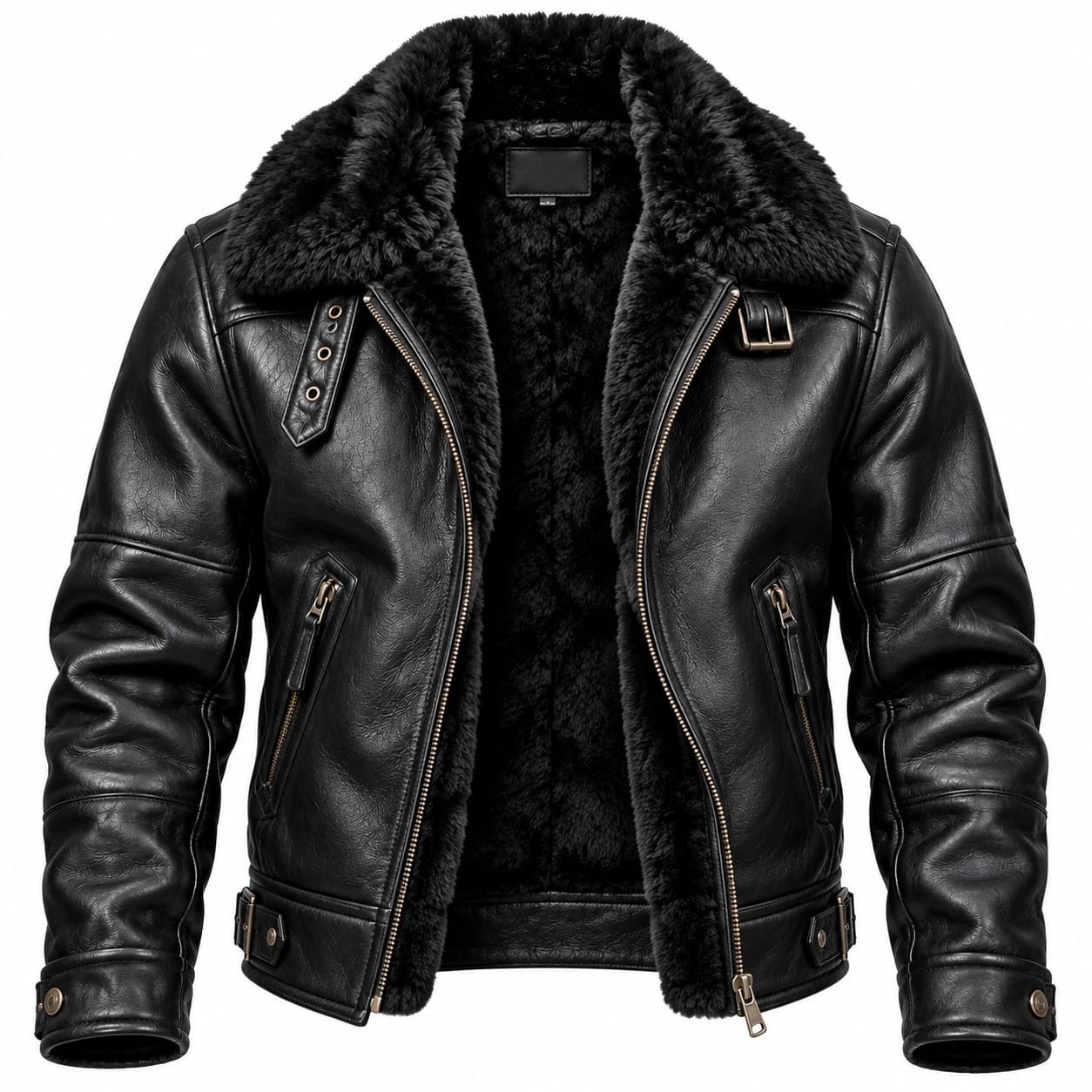
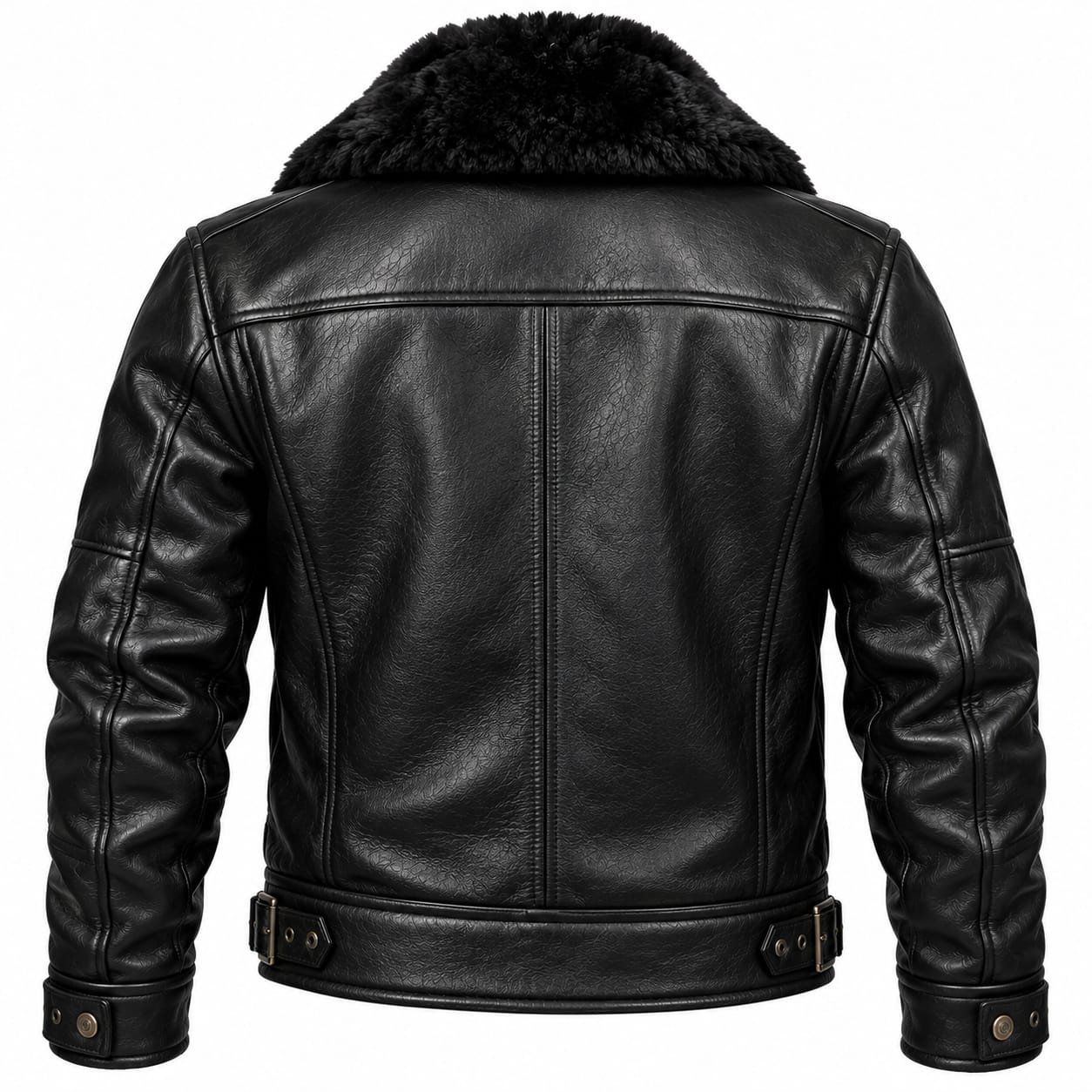
- Bomber and aviator jackets
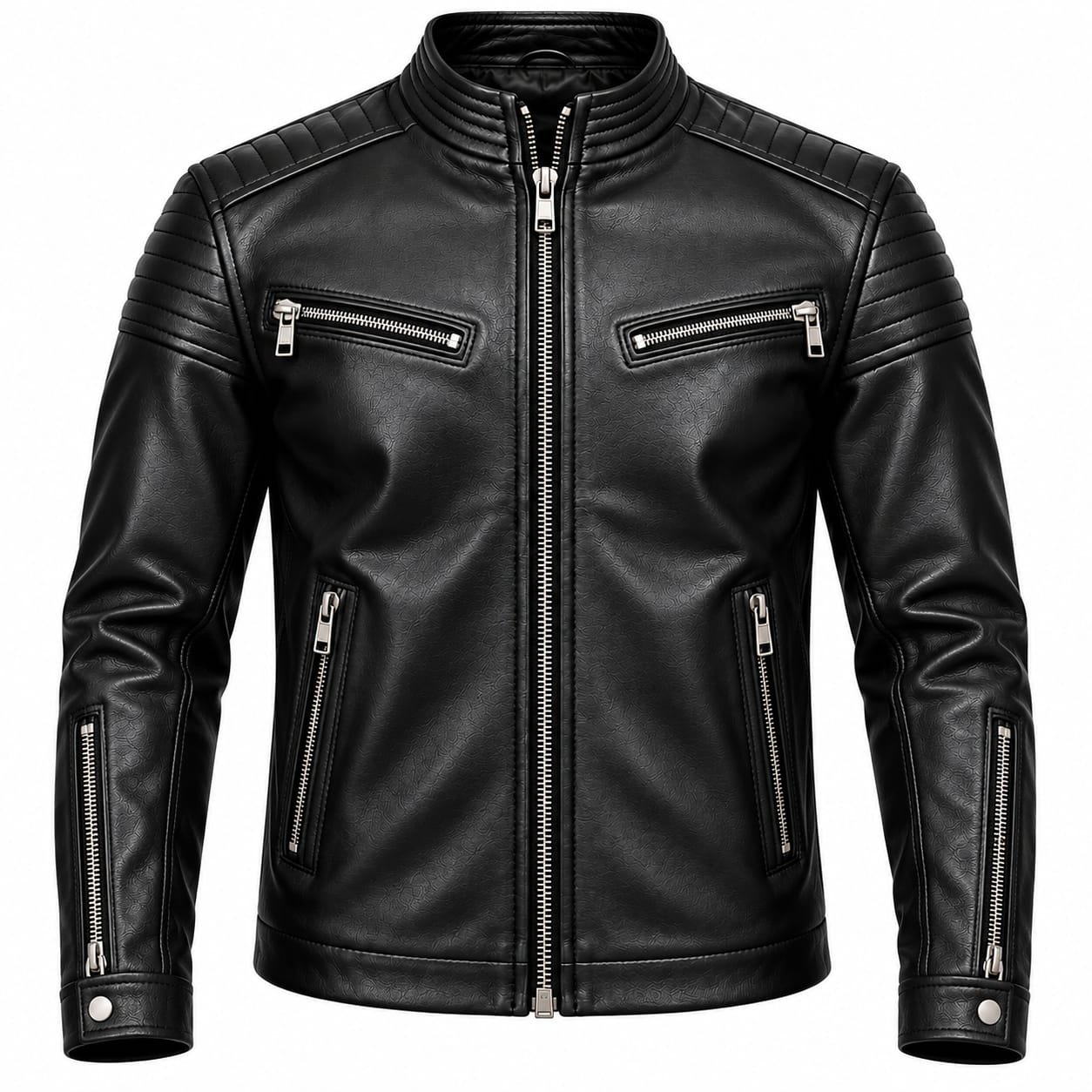
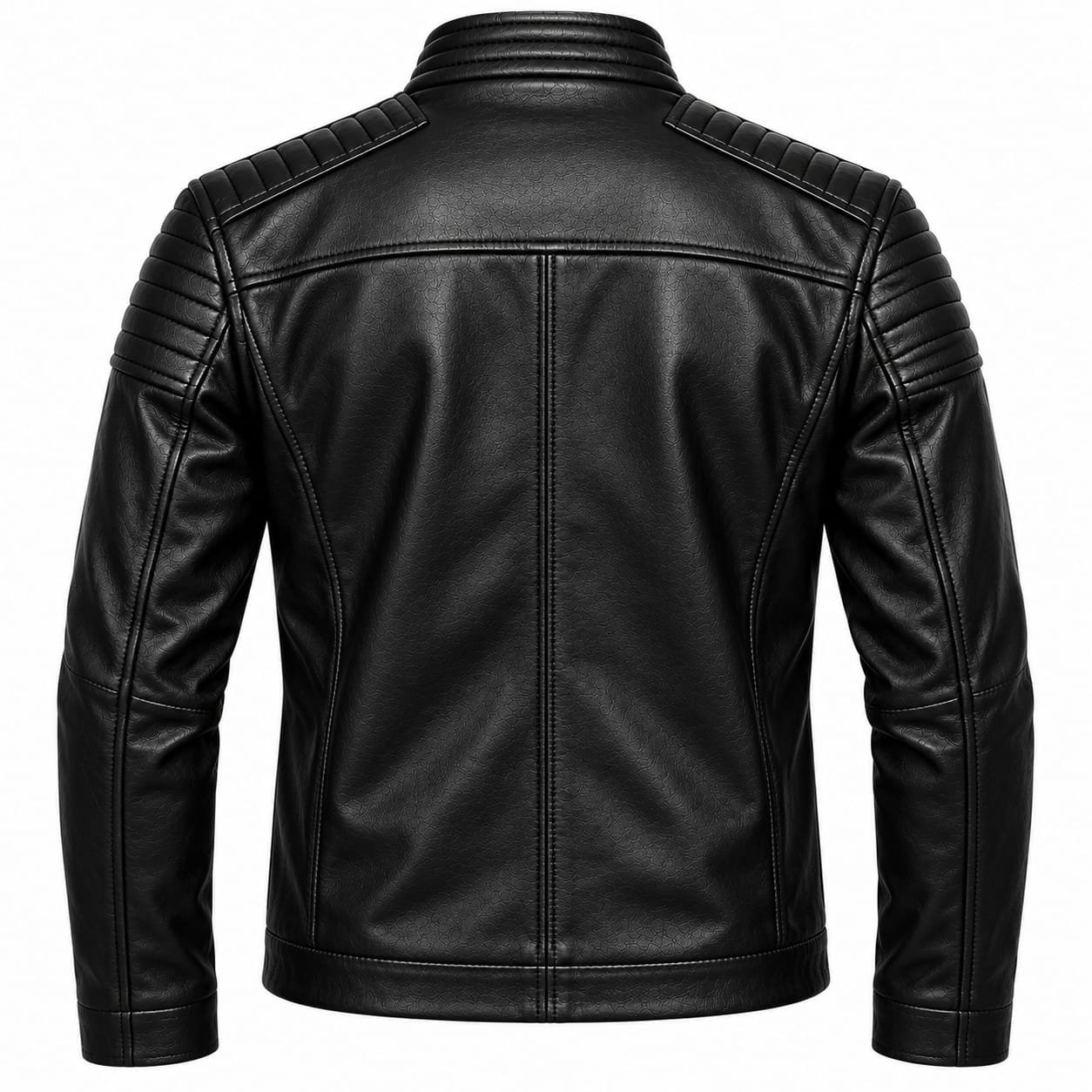
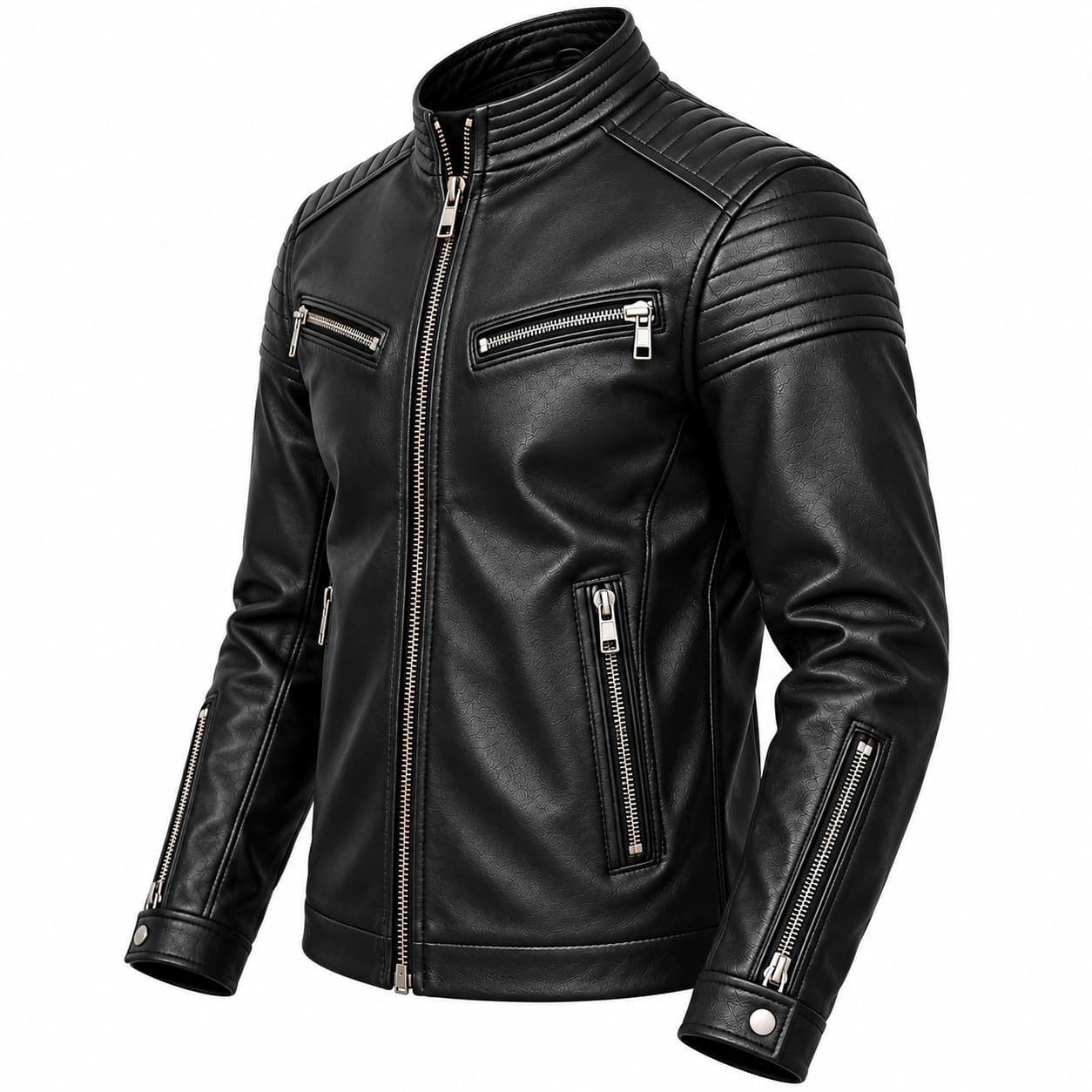
- Motorcycle-inspired leather jackets
- Minimalist luxury leather outerwear
- Vintage and distressed leather jackets
- Contemporary streetwear jackets
- Custom and private-label leather jackets
Each category appeals to a different customer group. A minimalist fashion brand may focus on clean silhouettes and premium materials, while a streetwear label may prefer oversized fits, distinctive panels, and bold hardware.
Research Your Target Customers
Start by answering these questions:
- Are you targeting men, women, or both?
- Will your brand focus on premium, mid-range, or affordable products?
- Which countries will you sell to?
- What styles and colors fit your target audience?
- Will you sell ready-made jackets or customized products?
Research competing brands, product reviews, customer complaints, and retail prices. Look for opportunities to differentiate your products rather than simply copying existing designs.
2. Choose a Specific Brand Niche
A new leather jacket brand does not need to offer every style immediately. Starting with a focused collection can make product development, marketing, and inventory management easier.
For example, you could develop a brand around:
Premium Leather Jackets
Focus on refined designs, suitable leather materials, careful construction, and consistent finishing.
Urban Streetwear
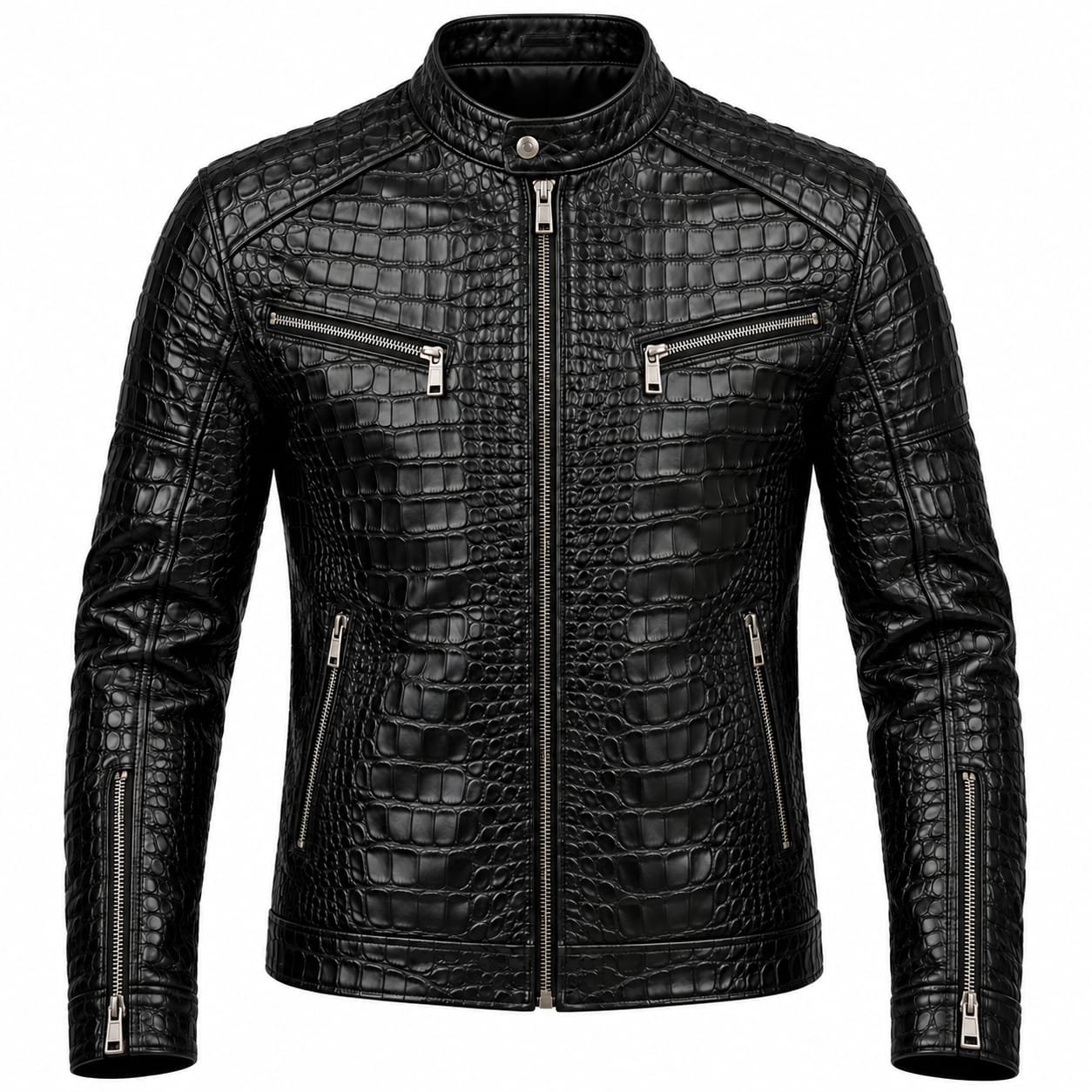
Develop contemporary silhouettes, textured surfaces, distinctive zippers, and versatile colors for customers interested in modern street fashion.
Motorcycle-Inspired Jackets
Create jackets with a biker aesthetic, functional pockets, reinforced construction where appropriate, and carefully selected hardware. Do not advertise protective motorcycle performance unless the garment has been designed and verified for that purpose.
Vintage-Inspired Outerwear
Explore distressed finishes, classic bomber silhouettes, retro colors, and traditional detailing.
Private-Label Leather Jackets
Offer a consistent product range under your own brand name, with customized labels and other branding elements where available.
Tip: Choose a niche based on customer demand, your budget, your product capabilities, and the competition. A clearly defined brand is easier to communicate than a collection without a consistent identity.
3. Develop Your Brand Identity
Your brand identity influences how customers recognize and remember your business.
Start by choosing a brand name that is easy to pronounce, relevant to your product category, and suitable for your target markets.
Before committing to a name, check domain availability, social media usernames, and relevant trademark databases in the countries where you intend to operate.
Next, develop the main elements of your identity:
- Logo and typography
- Brand colors
- Product photography style
- Packaging and labels
- Brand story and messaging
- Website design
- Social media presentation
Your brand identity should remain consistent across your website, product labels, packaging, advertisements, and social media profiles.
Avoid using another company’s protected logos, trademarks, or distinctive designs without authorization.
4. Select the Right Leather Materials
Material selection affects the appearance, feel, price, and maintenance requirements of a leather jacket.
Different materials serve different purposes.
Full-Grain Leather
Full-grain leather retains the natural grain surface of the hide. It is often selected for premium products and may develop a distinctive patina over time.
Top-Grain Leather
Top-grain leather has a refined or corrected surface, depending on the processing method. It can be suitable for brands seeking a more uniform appearance.
Lambskin Leather
Lambskin is generally soft and lightweight. It is popular for fashion jackets where a supple feel and refined appearance are priorities.
Cowhide Leather
Cowhide is commonly used for structured jackets and some motorcycle-inspired styles. Its weight, thickness, and performance depend on the particular material and construction.
Suede Leather
Suede has a textured, napped surface that can work well for casual and vintage-inspired designs. It generally requires specialized care.
Compare samples before making a purchasing decision. Evaluate the texture, thickness, finish, consistency, and suitability of the material for your intended product.
Be transparent about whether your jackets use genuine leather, suede, or synthetic alternatives. Accurate product information helps customers make informed purchasing decisions.
5. Find a Reliable Leather Jacket Manufacturer
Manufacturing is one of the most important decisions when starting a leather jacket brand.
You can explore local manufacturers or international suppliers, including leather apparel manufacturers in Sialkot, Pakistan.
When evaluating a manufacturer, consider:
Product experience: Ask whether the supplier has experience producing your intended jacket style.
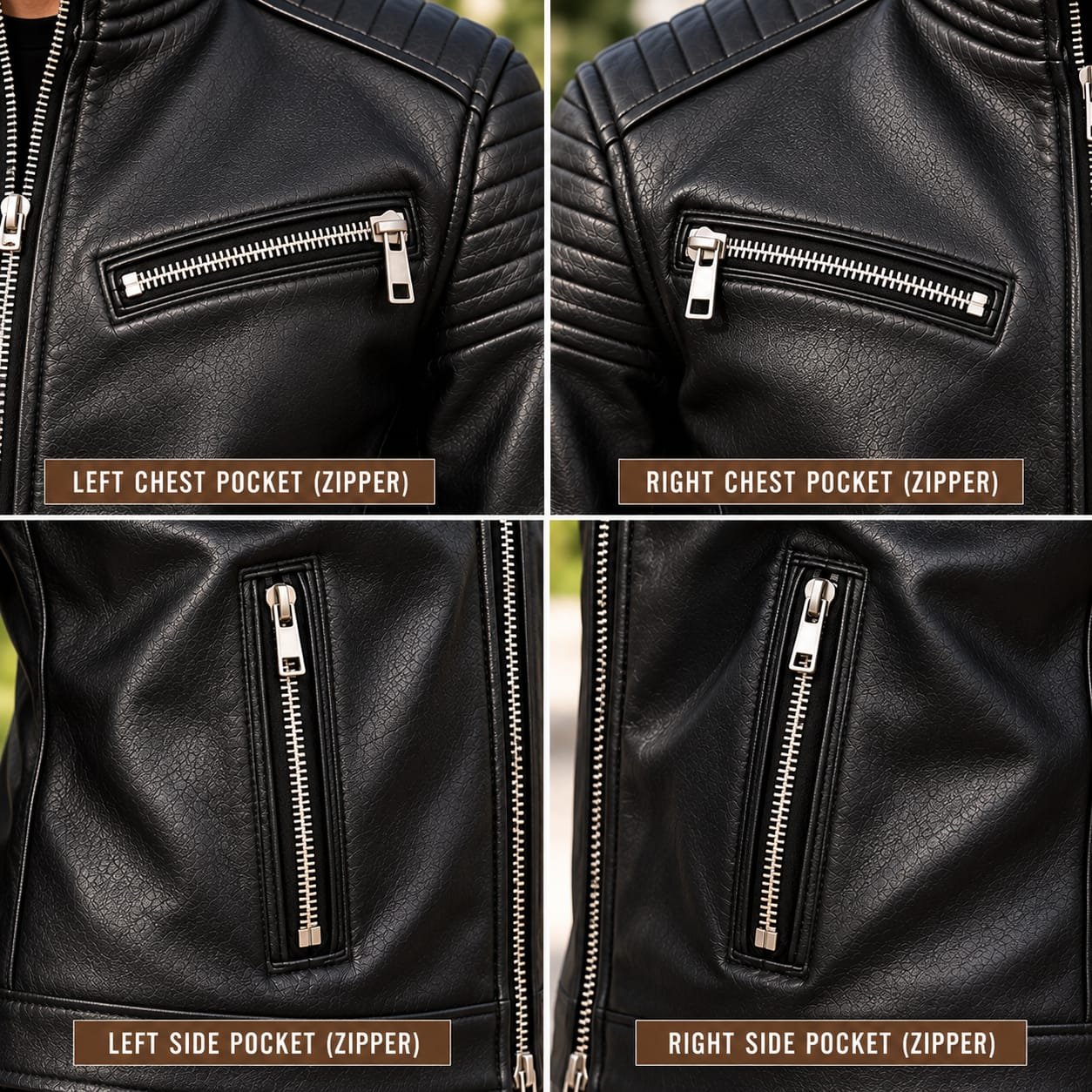
Sample quality: Review stitching, measurements, lining, zippers, pockets, and material finishing.
Customization: Confirm whether the manufacturer offers custom colors, labels, logos, hardware, and packaging.
Minimum order quantity: Ask how many jackets you must order and whether the MOQ applies per style or color.
Production capacity: Check whether the manufacturer can meet your required quantity and delivery schedule.
Quality control: Discuss how finished garments are inspected and how defects are handled.
Communication: Choose a supplier that can explain specifications, costs, and production requirements clearly.
Do not select a manufacturer solely because it offers the lowest price. Product consistency, communication, and reliable production planning are also important.
6. Create and Approve Your First Sample
Before committing to bulk production, develop a sample of your chosen jacket.
A sample allows you to evaluate the product and identify changes before manufacturing a larger quantity.
Check the following:
- Overall fit and silhouette
- Shoulder width and sleeve length
- Jacket body length
- Leather texture and color
- Stitching and seam quality
- Zipper operation and hardware
- Pocket placement
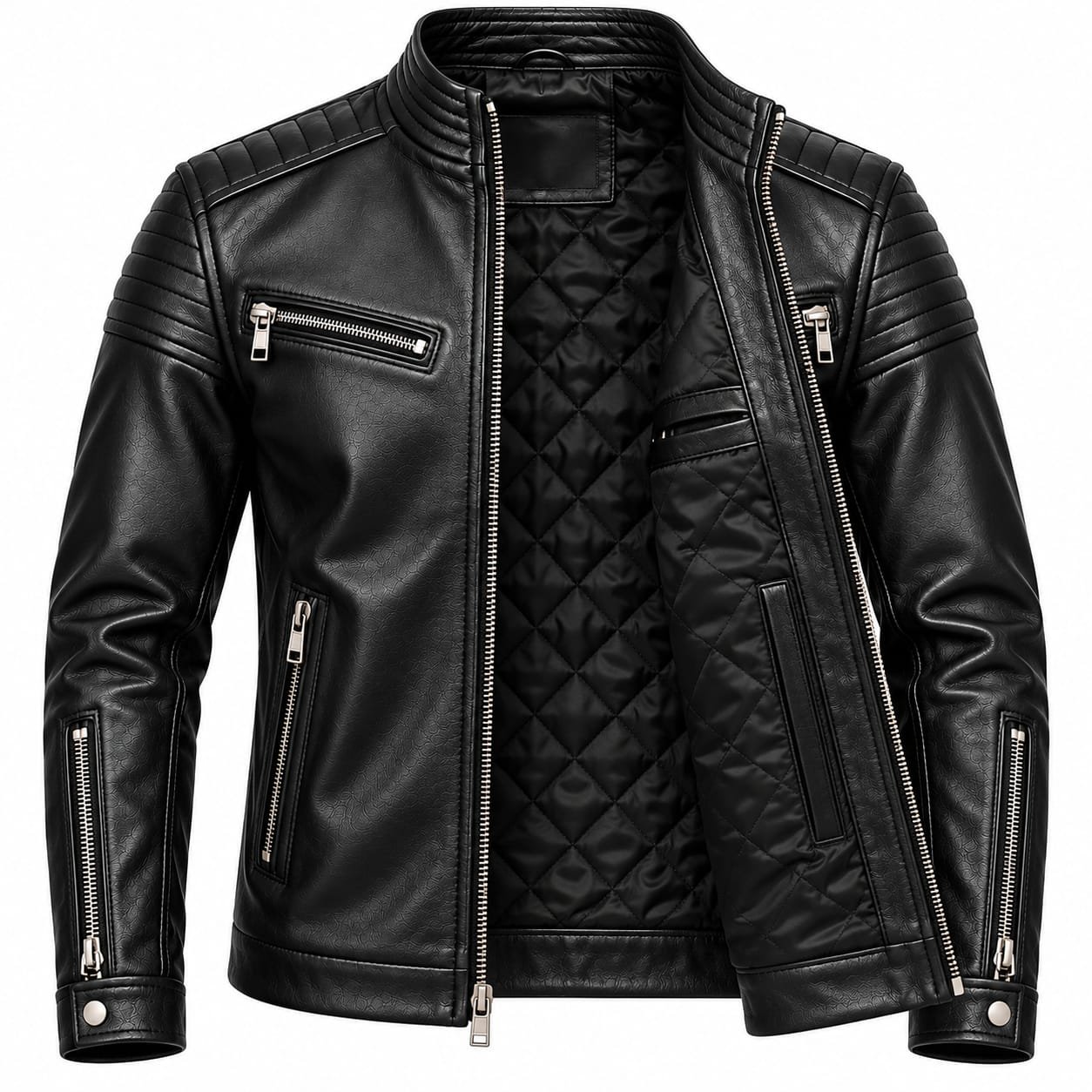
- Lining and interior finishing
- Branding and labels
Compare the sample with your original design references and measurement specifications.
If changes are needed, document them clearly and request an updated sample when appropriate. Approve the final version before bulk production begins.
This process can help reduce costly errors and improve consistency across your collection.
7. Plan Your Budget and Pricing
Your starting budget should cover more than the manufacturing price of the jackets.
Include the following expenses in your financial plan:
- Sample development
- Product manufacturing
- Custom labels and branding
- Packaging
- Photography and content creation
- Website setup and maintenance
- Marketing and advertising
- Shipping and insurance, where applicable
- Import duties and taxes
- Payment processing fees
- Returns, replacements, and other operating expenses
Calculate Your Landed Cost
Your landed cost is the total cost of getting a product to the intended destination, including relevant production, shipping, and import expenses.
For example, if a jacket costs $80 to manufacture, you must add any applicable freight, import charges, packaging, and other costs not already included.
Do not set your retail price using the factory price alone.
Understand Your Gross Margin
Gross margin is calculated as:
[
\text{Gross Margin} =
\frac{\text{Selling Price} – \text{Cost of Goods Sold}}{\text{Selling Price}}
\times 100
]
For example, if your selling price is $200 and your cost of goods sold is $100, your gross margin is 50%.
This does not mean you earn $100 in net profit. Marketing, platform fees, operating expenses, returns, and other costs still need to be deducted.
Build your pricing around realistic costs, your target customers, competitor positioning, and the value your product delivers.
8. Start with a Manageable Product Collection
Launching too many products at once can increase inventory costs and make it difficult to identify which designs customers actually want.
Consider beginning with a small, coordinated collection.
For example, your initial collection might include:
- One classic black leather jacket
- One brown or vintage-inspired jacket
- One distinctive fashion or streetwear design
The actual number of styles should depend on your budget, production requirements, and sales strategy.
Offer a clear size range, accurate measurements, and consistent product photography. If you are testing demand, investigate whether your manufacturer can accommodate smaller orders or whether a preorder model is practical for your business.
Use early customer feedback and sales data to decide which products deserve further investment.
9. Build Your Online Store
An online store gives your brand a place to showcase products, explain your value, and convert visitors into customers.
WooCommerce with WordPress is one option for creating a store with control over product pages, categories, content, and website structure.
Your website should include:
Homepage
Introduce your brand, highlight key products, and make your product categories easy to find.
Product Pages
Include clear product titles, accurate descriptions, multiple product photographs, material details, sizing information, care instructions, and transparent shipping policies.
About Us Page
Explain your brand’s identity, design philosophy, and approach to product development.
Contact Page
Provide a clear way for customers to ask questions about products, sizing, shipping, and orders.
Shipping and Returns
Explain delivery estimates, applicable charges, return eligibility, and the process for resolving problems.
A professional store should work smoothly on mobile devices and provide a straightforward checkout experience.
10. Optimize Your Leather Jacket Brand for SEO
Search engine optimization helps potential customers discover your website through relevant search queries.
Start by identifying keywords that match your products and business model.
Examples include:
- Men’s black leather jacket
- Women’s genuine leather jacket
- Custom leather jacket
- Leather jacket manufacturer
- Private-label leather jackets
- Brown leather bomber jacket
- Premium leather outerwear
Use each primary keyword naturally in the appropriate product title, page heading, URL, meta description, and product content.
Avoid repeating the same phrase excessively. Search engines and customers both benefit from useful, readable content.
Publish Helpful Blog Articles
Educational blog content can answer customer questions and attract relevant visitors.
Possible topics include:
- How to Choose the Right Leather Jacket
- Genuine Leather vs. Faux Leather
- How to Care for a Leather Jacket
- How Leather Jackets Are Made
- How to Start a Leather Jacket Brand
- How to Choose a Leather Jacket Manufacturer
Link relevant blog posts to your product pages and categories. Make sure those links help readers discover related products or information.
SEO takes time and does not guarantee rankings or sales. Monitor impressions, clicks, search queries, and conversions in available analytics tools to understand which pages are performing.
11. Market Your Leather Jacket Brand
Once your products and website are ready, develop a marketing strategy that matches your audience and budget.
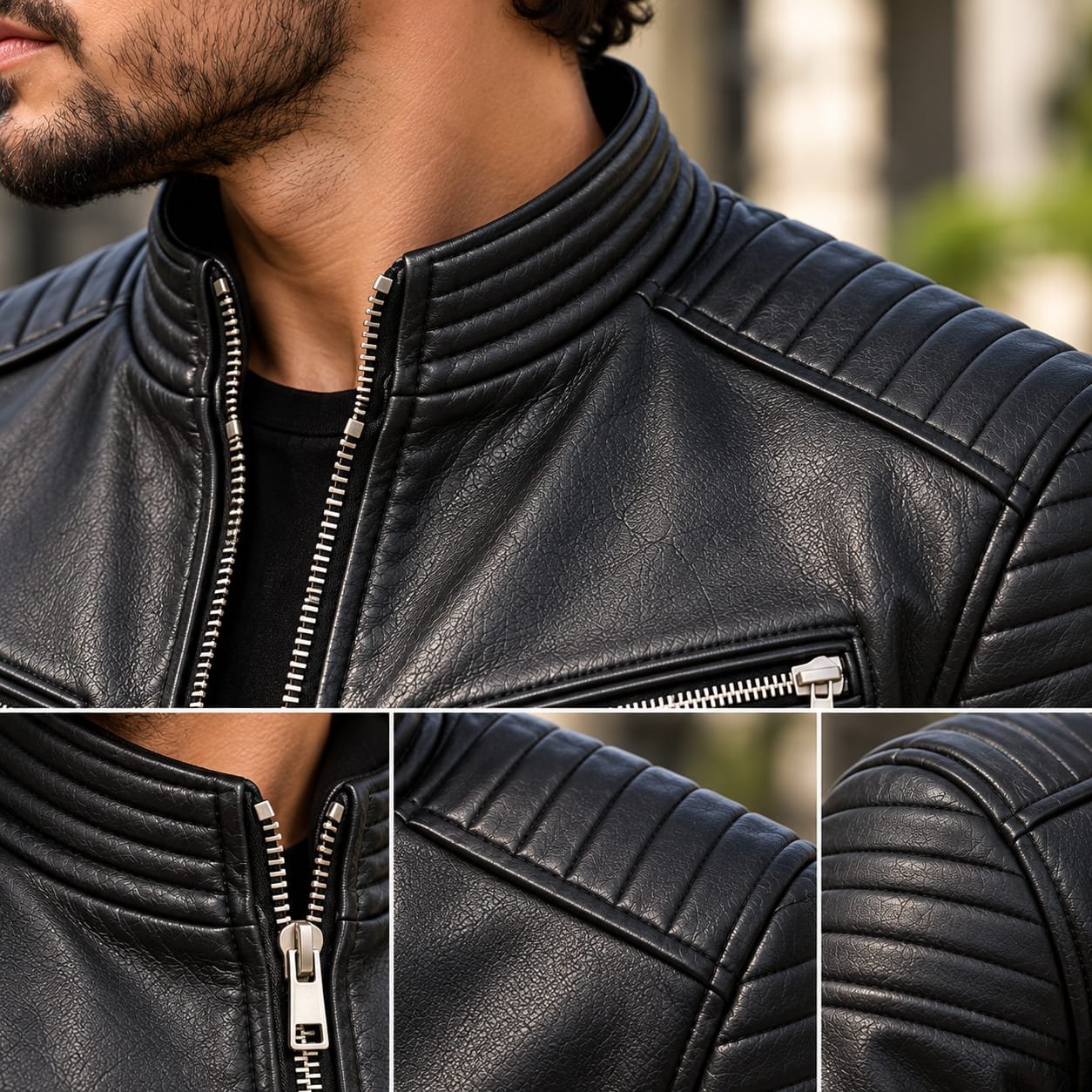
Use high-quality product images, close-up material photographs, styling videos, and behind-the-scenes content to communicate your brand’s identity.
Create product pins, outfit inspiration boards, and useful leather jacket guides that link to relevant website pages.
Google Search
Improve product descriptions, technical SEO, page speed, and site structure. Publish useful content that addresses your customers’ questions.
Email Marketing
Collect email subscribers with appropriate consent and share new collections, product updates, and useful styling content.
Paid Advertising
Test advertising carefully with a defined budget and measurable goals. Evaluate purchases and customer acquisition costs rather than relying on impressions or clicks alone.
Focus on the channels that generate qualified visitors and profitable orders instead of trying to use every platform at once.
12. Provide Accurate Product Information and Customer Service
Customers buying leather jackets often need information about fit, materials, care, and shipping.
Help them make informed decisions by providing:
- Accurate material descriptions
- Clear size charts
- Multiple product photographs
- Details about the jacket’s fit
- Care and maintenance instructions
- Realistic delivery estimates
- Transparent return policies
Respond to customer questions clearly and promptly. Use genuine product photographs wherever possible and make sure your descriptions match the actual items you sell.
Good customer service can help establish trust and encourage repeat purchases, although it cannot guarantee positive reviews or future sales.
13. Measure Your Progress and Improve Your Collection
After launching your brand, review your performance regularly.
Track important business indicators such as:
Website traffic: Understand how many people visit your store and which sources bring them there.
Conversion rate: Measure the percentage of website visitors who complete a purchase.
Average order value: Monitor the average amount customers spend per order.
Gross margin: Check whether your selling prices cover the cost of goods sold at an acceptable margin.
Return rate: Identify issues related to sizing, product quality, or inaccurate descriptions.
Customer feedback: Look for recurring requests, complaints, and suggestions.
Use these findings to improve your products, marketing, website experience, and future production decisions.
A successful brand is built through repeated testing, accurate information, consistent quality, and informed financial decisions.
Conclusion
Starting a leather jacket brand requires a clear niche, suitable materials, reliable manufacturing, realistic pricing, and effective marketing.
Begin with market research, develop a focused product concept, approve your samples, and understand the complete cost of production before investing in inventory.
Build your online store around accurate product information and useful content. Then use customer feedback and performance data to improve your collection over time.
Zentro Leather is a place to explore leather apparel and discuss customized product development. If you are planning a leather jacket collection, visit Zentro Leather to learn more about the brand and enquire about your product requirements.
Frequently Asked Questions
1. How do I start a leather jacket brand?
Research your target market, choose a niche, develop your designs, find a suitable manufacturer, approve product samples, calculate costs, and launch your store with a clear marketing strategy.
2. How much money do I need to start a leather jacket brand?
The required investment depends on your order quantity, material selection, sample costs, branding, website, shipping, and marketing. Obtain actual quotations and prepare a budget before committing to production.
3. Can I start a leather jacket brand without owning a factory?
Yes. You can work with a third-party manufacturer that produces jackets according to your specifications. Your responsibilities may include design development, branding, quality approval, marketing, and sales.
4. Can I create a private-label leather jacket brand?
Yes. Depending on the manufacturer’s capabilities, you may be able to customize labels, logos, colors, materials, hardware, and packaging.
5. How do I find a leather jacket manufacturer?
Research suppliers, review their product experience, request samples, compare quotations, check production capabilities, and agree on written specifications before placing an order.
6. Is WooCommerce suitable for selling leather jackets?
WooCommerce can support a leather jacket store with product pages, size variations, payment integrations, shipping settings, and SEO tools. The best setup depends on your business requirements and available payment services.
7. How long does it take to build a leather jacket brand?
The timeline depends on design complexity, sampling, material availability, production, website development, and shipping. Establish a realistic schedule with your manufacturer and allow time for sample revisions.
8. How can SEO help a new leather jacket brand?
SEO can help potential customers discover your products through relevant search queries. Useful content, accurate product pages, internal links, and sound technical SEO can support long-term organic visibility, but results are not guaranteed.