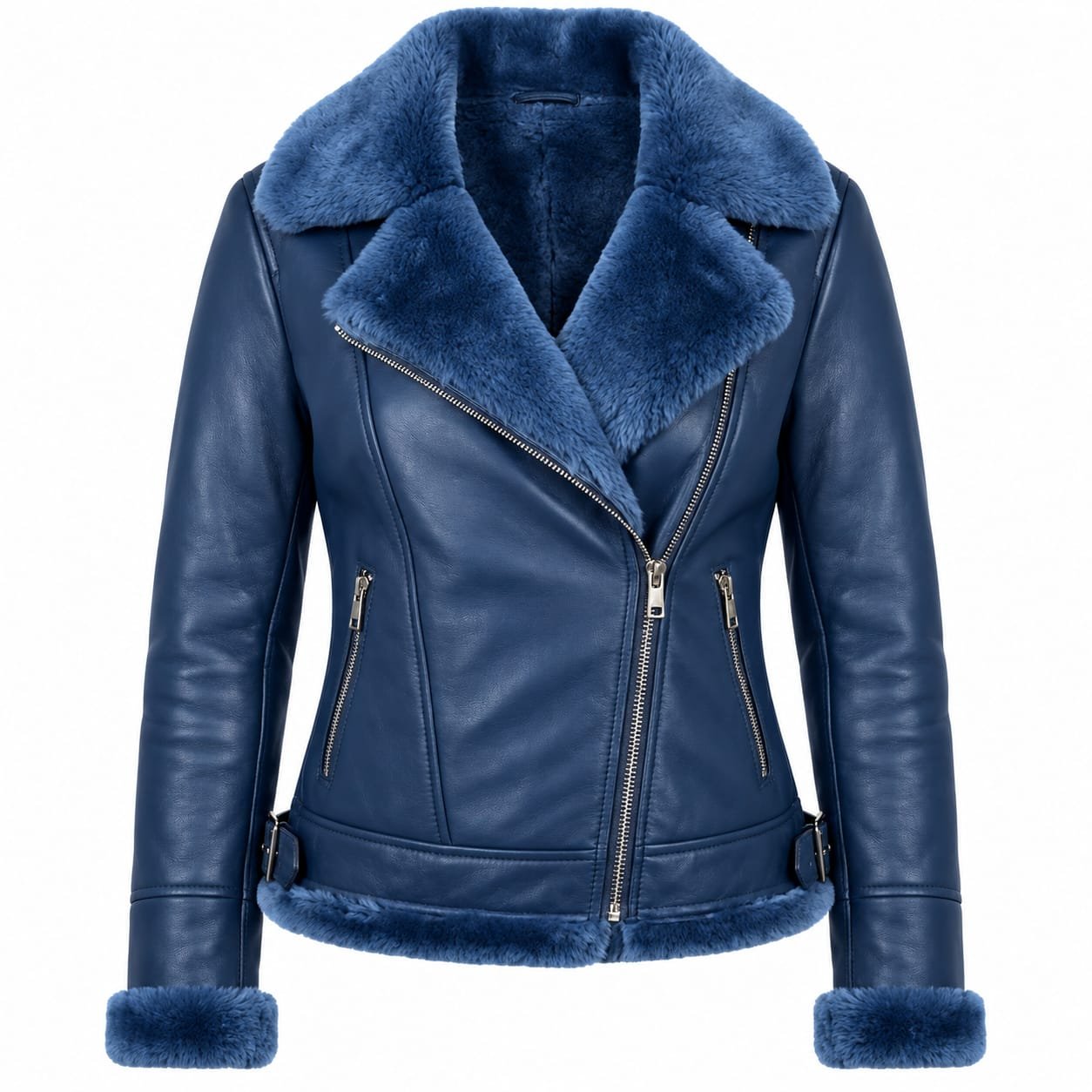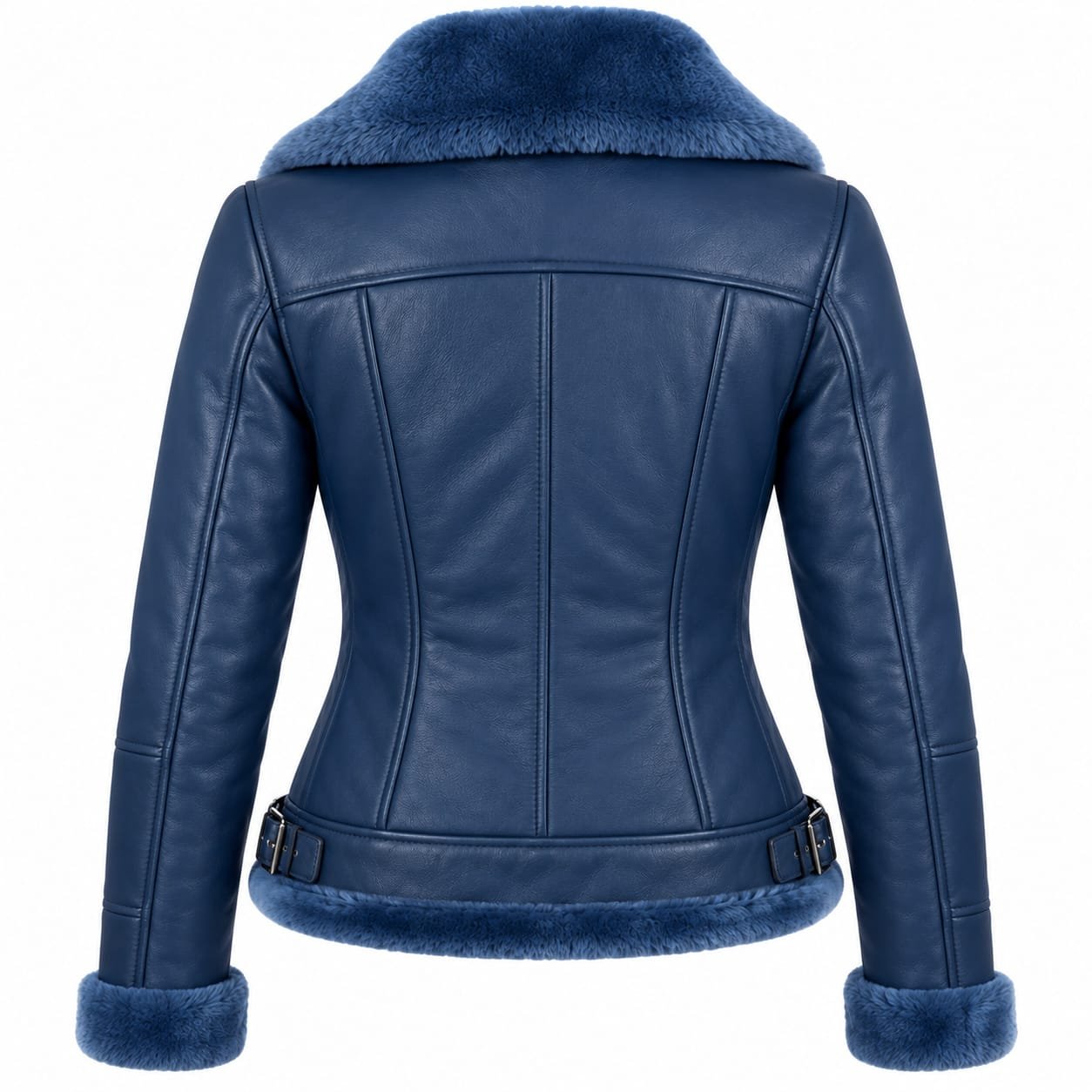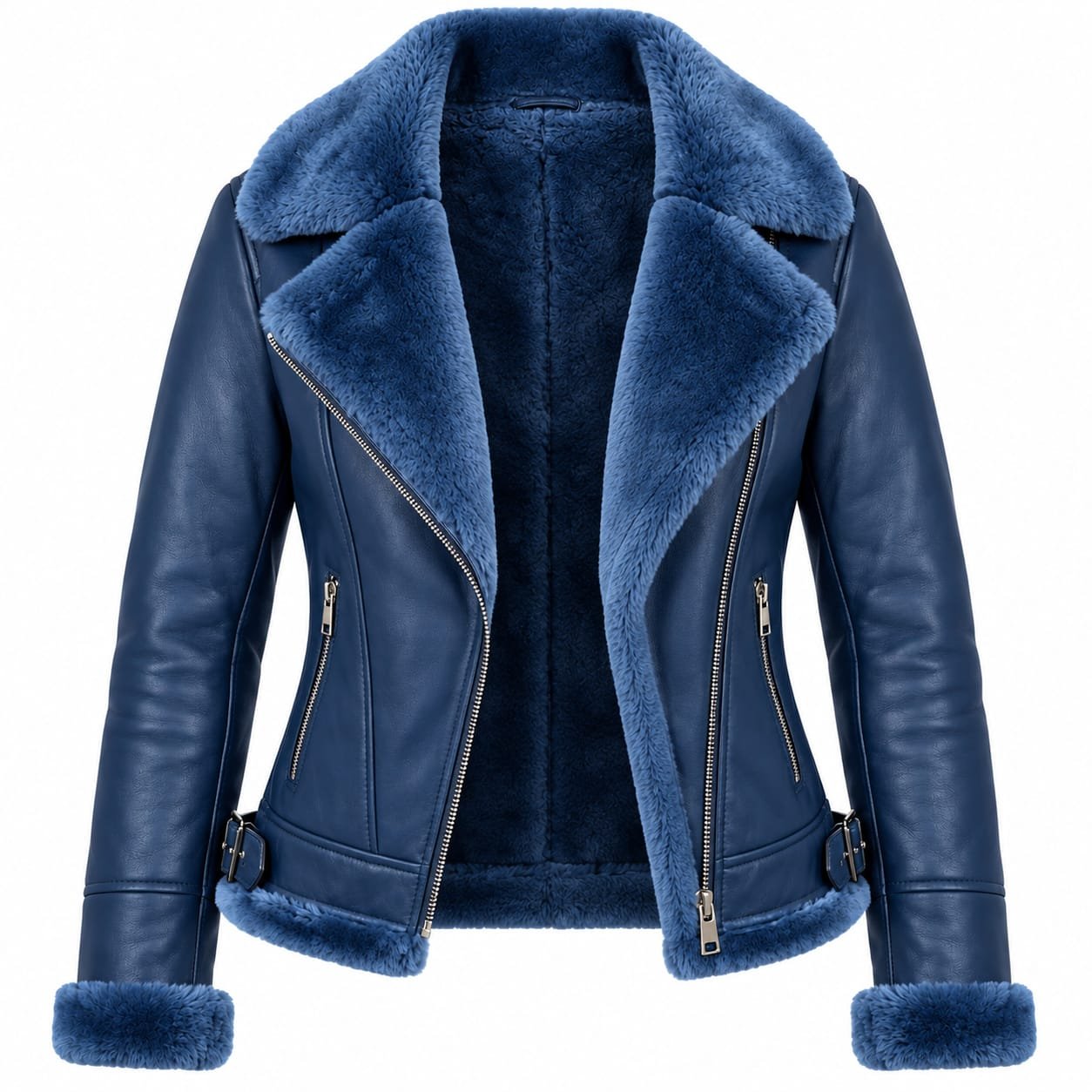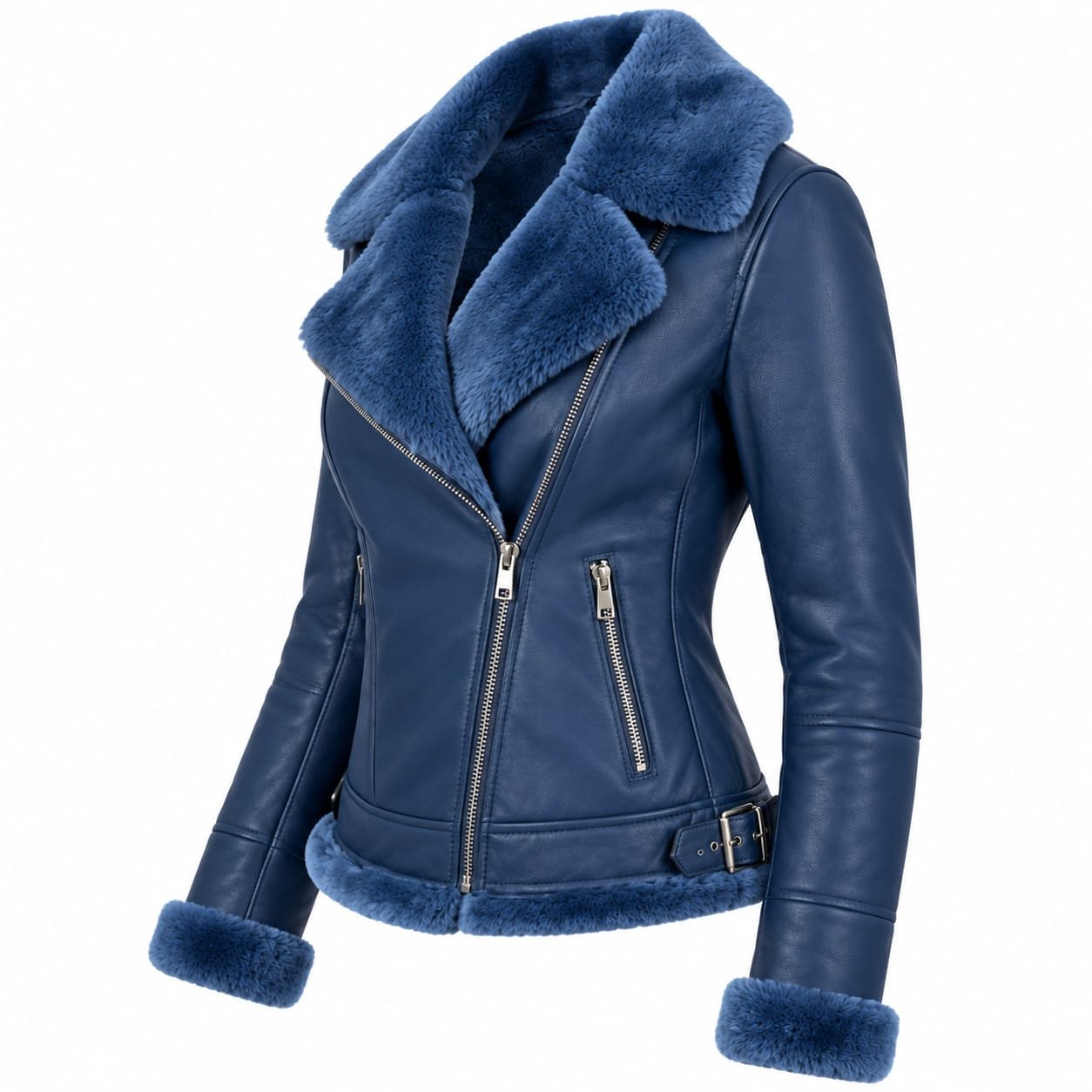
Genuine Leather vs Faux Leather: What’s the Difference?
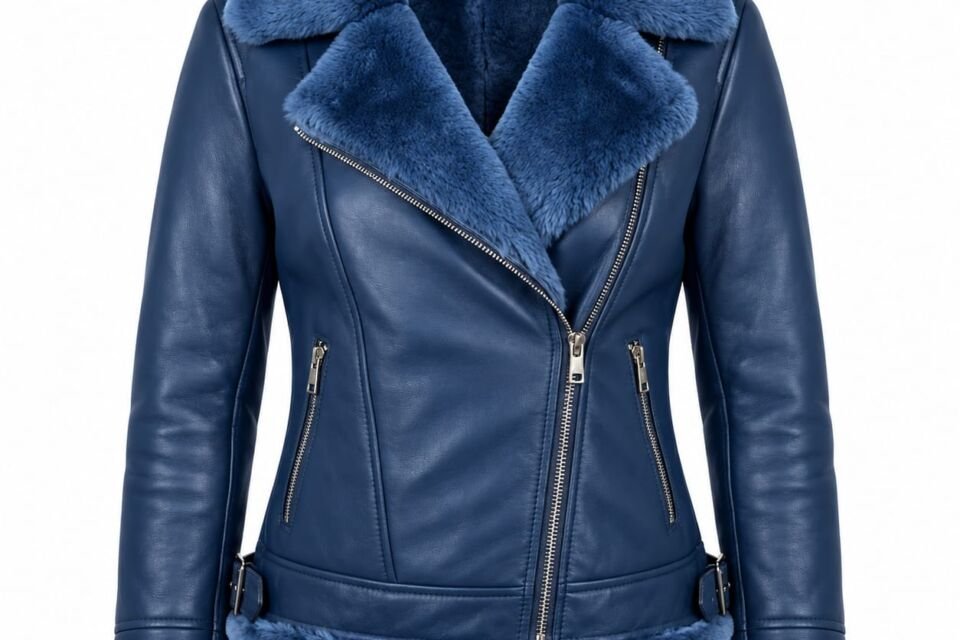
When shopping for a leather jacket, one of the most important decisions is choosing between genuine leather vs faux leather. Both materials can create stylish jackets, but they differ in composition, appearance, durability, maintenance, and price.
Understanding these differences can help you choose a jacket that suits your budget, lifestyle, and intended use.
What Is Genuine Leather?
Genuine leather is made from real animal hide. The hide is processed and treated to create a material suitable for clothing, bags, shoes, furniture, and other products.
The quality of genuine leather can vary significantly depending on the type of hide, tanning process, finishing, and manufacturing methods.
Common leather categories include:
- Full-grain leather
- Top-grain leather
- Corrected-grain leather
- Split leather
- Suede
Because genuine leather is a natural material, each hide can have its own grain patterns, texture, and minor variations.
What Is Faux Leather?
Faux leather is a synthetic material designed to resemble natural leather. It is commonly manufactured using materials such as polyurethane (PU) or polyvinyl chloride (PVC) over a textile backing.
Unlike genuine leather, faux leather does not come from animal hide.
Modern faux leather can be manufactured in many colors, textures, and finishes, making it a popular material for fashion garments and accessories.
Genuine Leather vs Faux Leather
The main difference is the material itself.
| Feature | Genuine Leather | Faux Leather |
|---|---|---|
| Material | Animal hide | Synthetic material |
| Natural grain | Yes | No, manufactured texture |
| Durability | Generally high, depending on quality | Varies by material and quality |
| Aging | Can develop a patina | Usually does not develop a natural patina |
| Appearance | Natural variations | More uniform appearance |
| Price | Usually higher | Usually lower |
| Maintenance | Requires leather-specific care | Generally easier to clean |
| Water resistance | Varies by finish | Varies by coating |
| Breathability | Generally better | Usually lower |
Which One Is More Durable?
There is no single answer because quality matters.
A well-made genuine leather jacket can be highly durable and may develop character as it ages. The leather can soften with use while maintaining its overall structure when properly cared for.
Faux leather can also be durable, particularly when made with quality synthetic coatings. However, lower-quality faux leather may eventually show cracking, peeling, or surface wear.
The construction of the jacket also matters. Strong stitching, quality zippers, reinforced seams, and a good lining can influence the overall lifespan of either type.
How Do They Look Different?
Genuine leather normally has subtle natural variations in grain and texture. These variations are part of the character of the material.
Faux leather is manufactured, so its surface can have a more consistent texture.
High-quality faux leather can look very similar to genuine leather, especially from a distance. However, close inspection may reveal differences in texture and grain.
How Do They Feel?
Genuine leather generally has a natural feel that changes as it is worn. Depending on the leather type, it can range from firm and structured to soft and supple.
Faux leather can also be soft, flexible, or textured, but the feel depends heavily on the synthetic coating and backing material.
For jackets, the thickness and finishing process can significantly affect how either material feels when worn.
What About Price?
Faux leather jackets are generally available at lower price points because they use synthetic materials.
Genuine leather jackets typically cost more because they use animal hides and involve tanning, cutting, finishing, and specialized manufacturing processes.
However, price alone does not determine quality. A higher-priced jacket should still be evaluated based on its leather, construction, hardware, stitching, lining, and overall workmanship.
Which Is Better for a Leather Jacket?
The answer depends on what you need from the jacket.
Genuine leather may suit you if you want:
- Natural leather
- Long-term wear
- Natural grain variations
- A material that can develop a patina
- Traditional leather-jacket character
Faux leather may suit you if you want:
- A lower-cost option
- A consistent appearance
- Many color and finish options
- A synthetic material
- Easier routine cleaning
Neither option is automatically right for every buyer.
How to Identify Genuine Leather
When purchasing a leather jacket, don’t rely only on labels such as “real leather” or “genuine leather.” Ask the seller or manufacturer about the specific leather type and construction.
Useful questions include:
- What type of leather is used?
- What is the leather thickness?
- Is the jacket made from full-grain, top-grain, split, or another leather?
- What type of lining is used?
- What hardware and zippers are included?
- Is the jacket designed for everyday wear or a specific purpose?
These details provide more useful information than the word “leather” alone.
Leather Jacket Construction Matters
The material is only one part of a good jacket.
A quality leather jacket should also have appropriate stitching, properly installed zippers, strong pocket construction, and a suitable lining.
For motorcycle jackets, additional considerations may include heavier leather, reinforced construction, and pockets designed for protective armor.
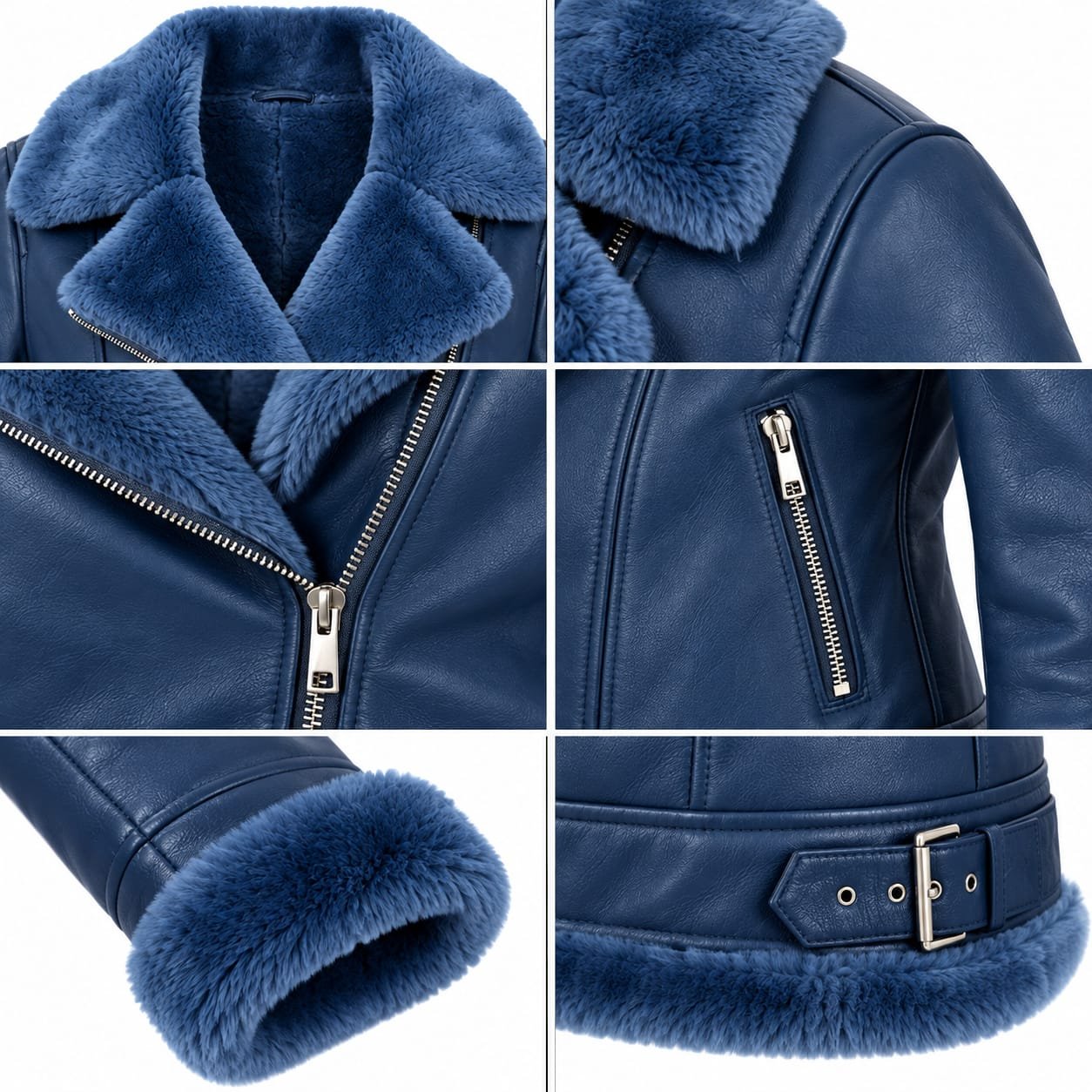
For winter jackets, insulation or shearling lining can be more important than simply choosing a particular leather category.
How to Care for Genuine Leather
Genuine leather benefits from appropriate care.
Keep the jacket away from excessive moisture and direct heat. If it becomes wet, allow it to dry naturally rather than using a hair dryer or placing it directly near a heater.
Use leather-care products appropriate for the specific leather finish, and follow the manufacturer’s care instructions.
Store the jacket on a suitable hanger to help maintain its shape.
How to Care for Faux Leather
Faux leather is generally straightforward to maintain.
Wipe the surface gently with a soft, damp cloth when necessary. Avoid harsh chemicals or abrasive cleaning methods that could damage the synthetic coating.
Follow the manufacturer’s instructions because different faux leather finishes can have different care requirements.
Final Thoughts
When comparing genuine leather vs faux leather, the biggest difference is that genuine leather comes from animal hide while faux leather is synthetic.
Genuine leather can offer natural texture, durability, and the ability to develop a patina, while faux leather provides a synthetic alternative with a generally lower price and consistent appearance.
Before buying a leather jacket, consider the material, construction, intended use, climate, fit, and budget. Looking at all of these factors will help you choose a jacket that matches your needs.