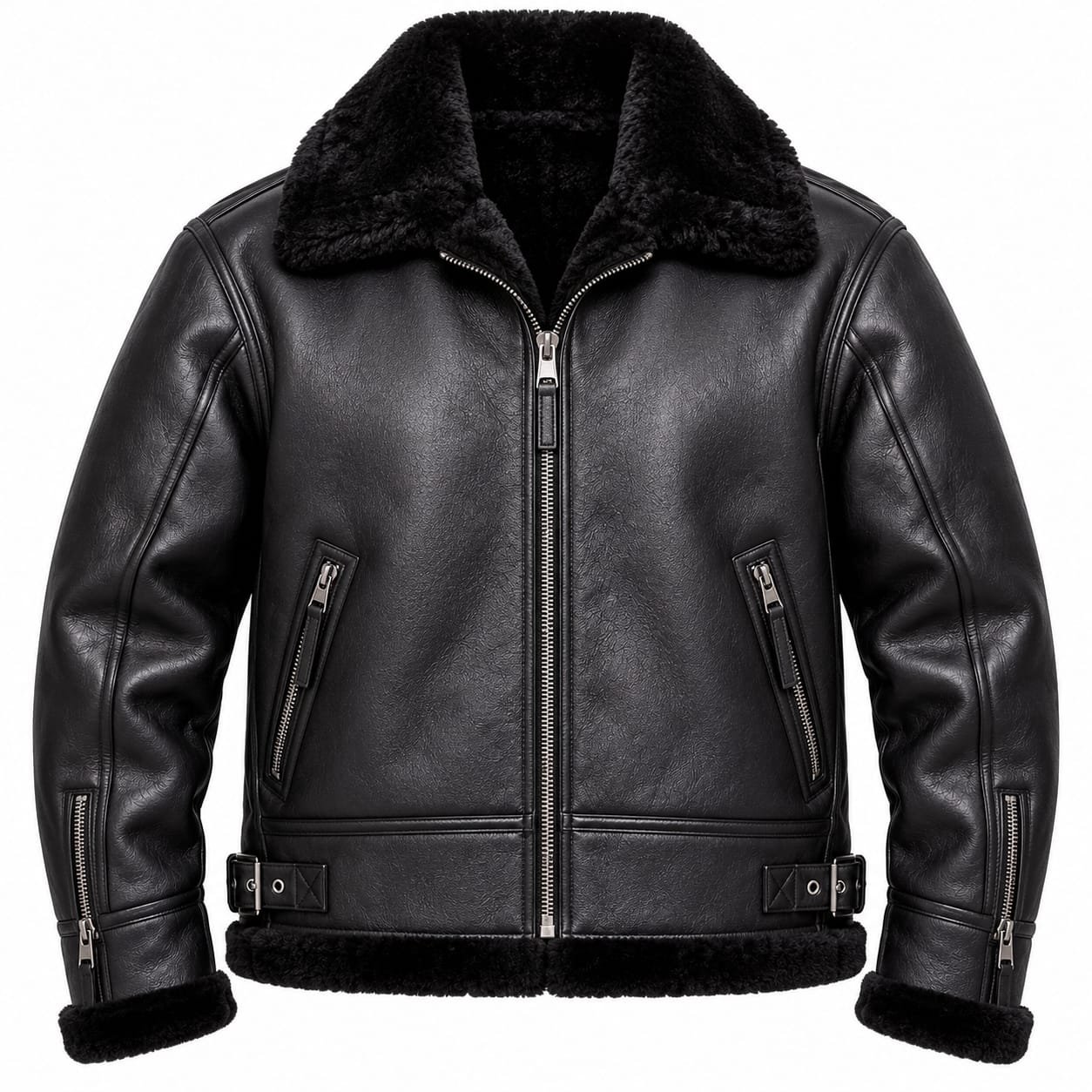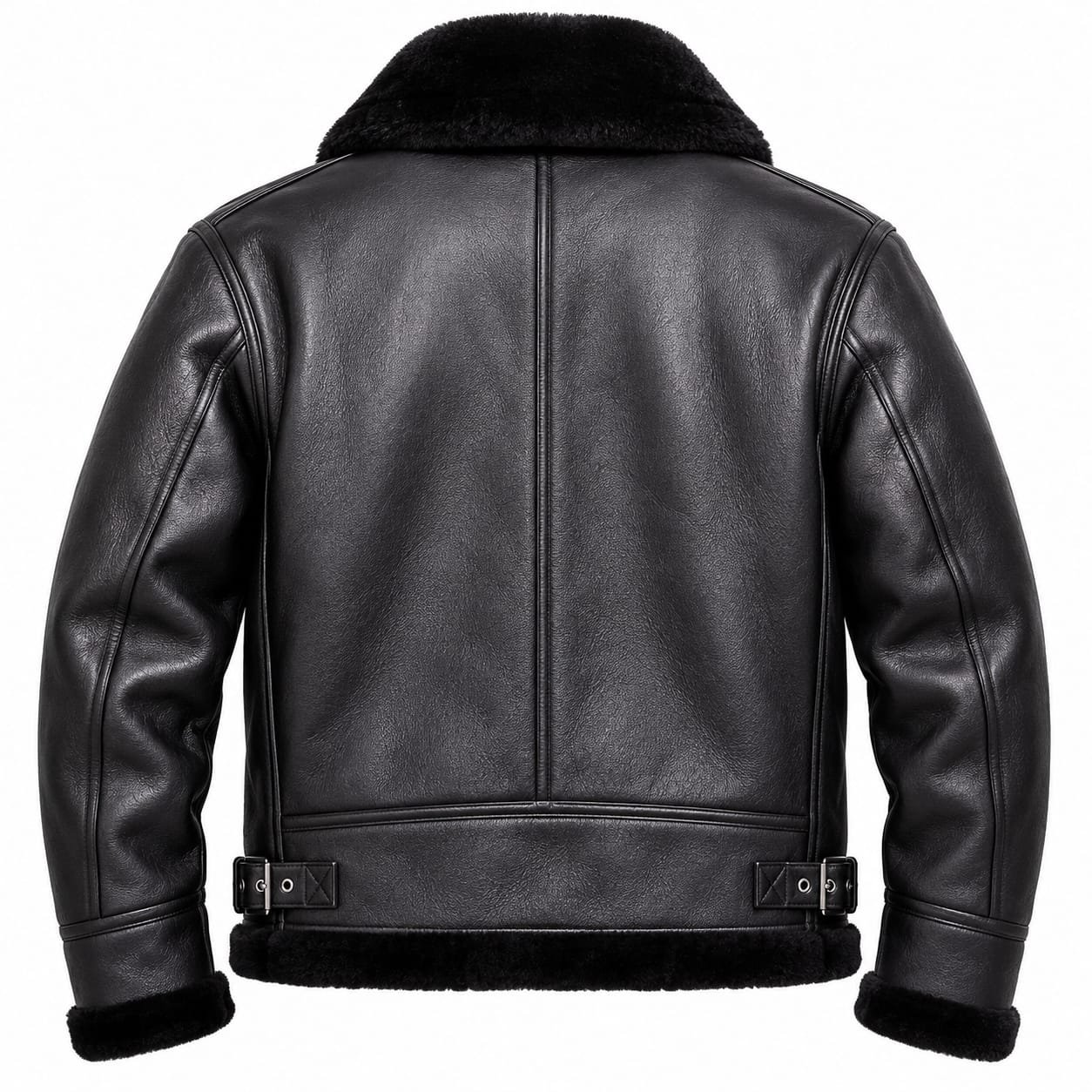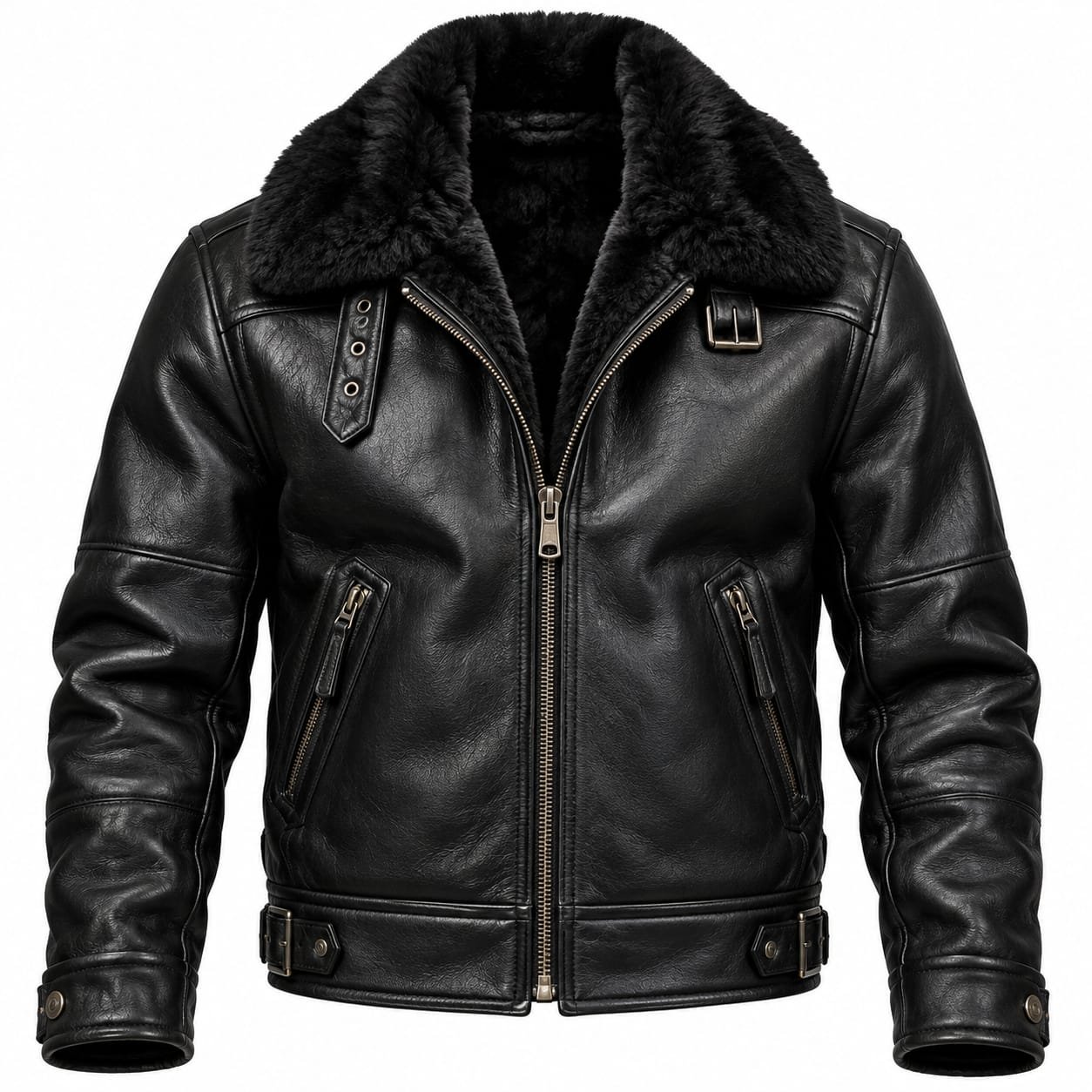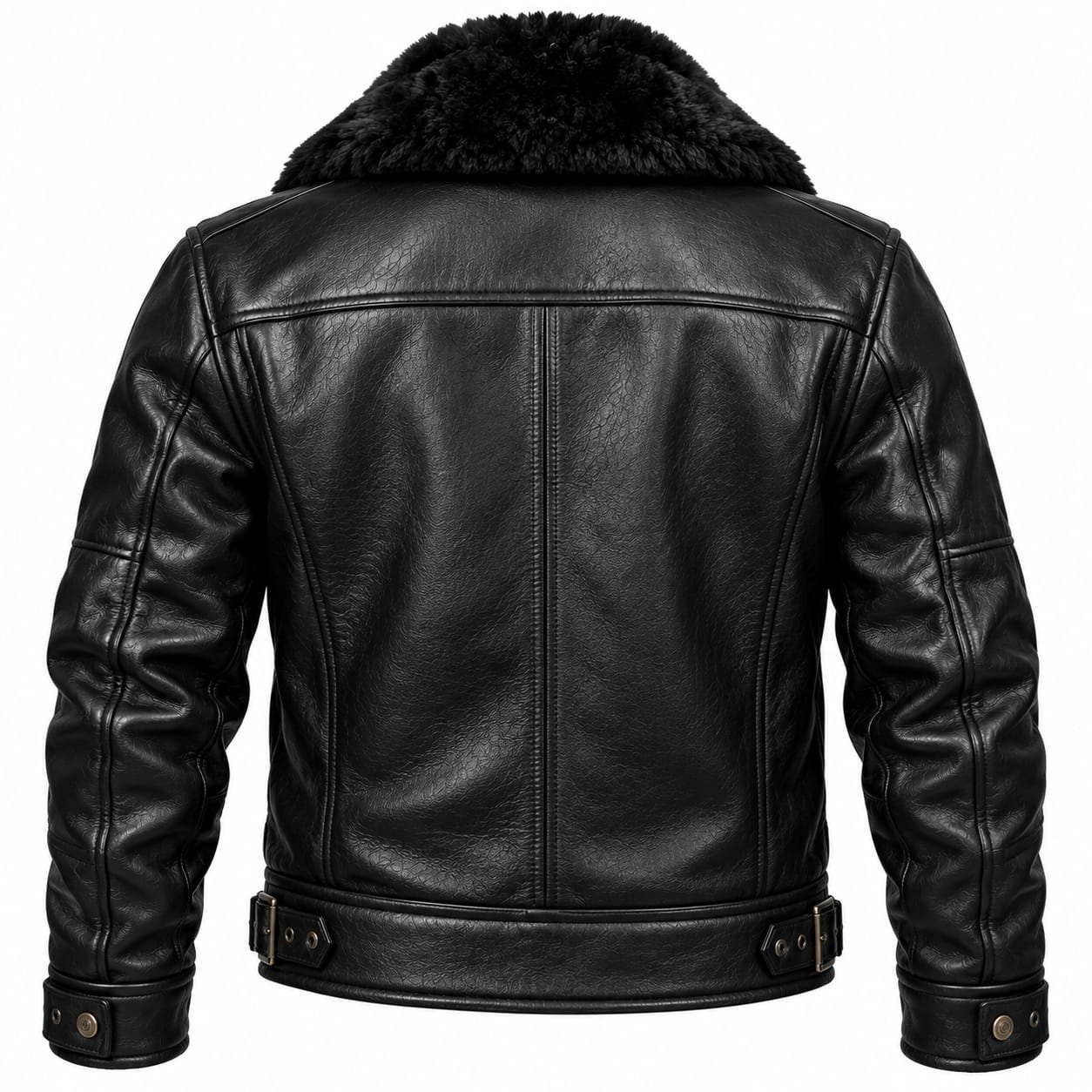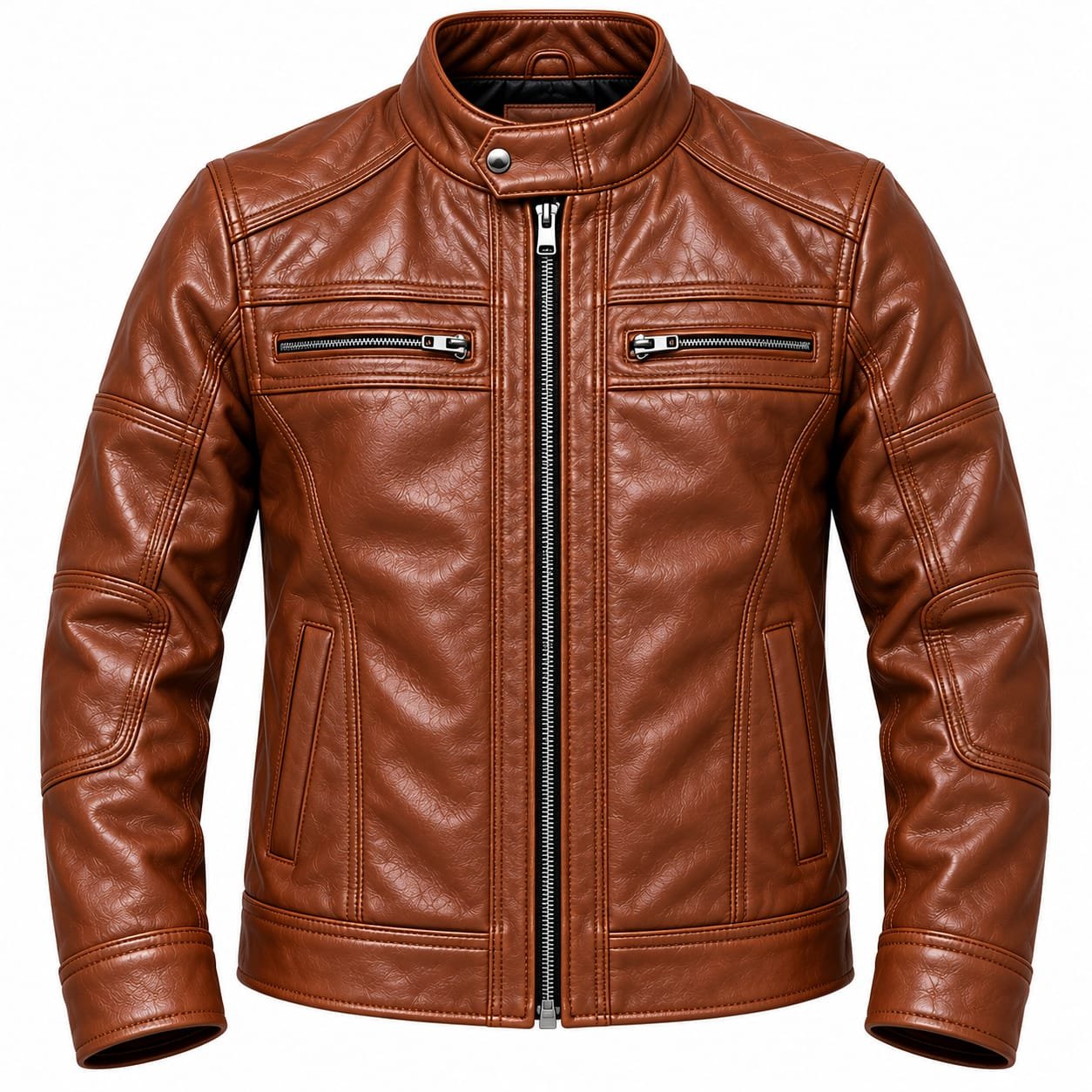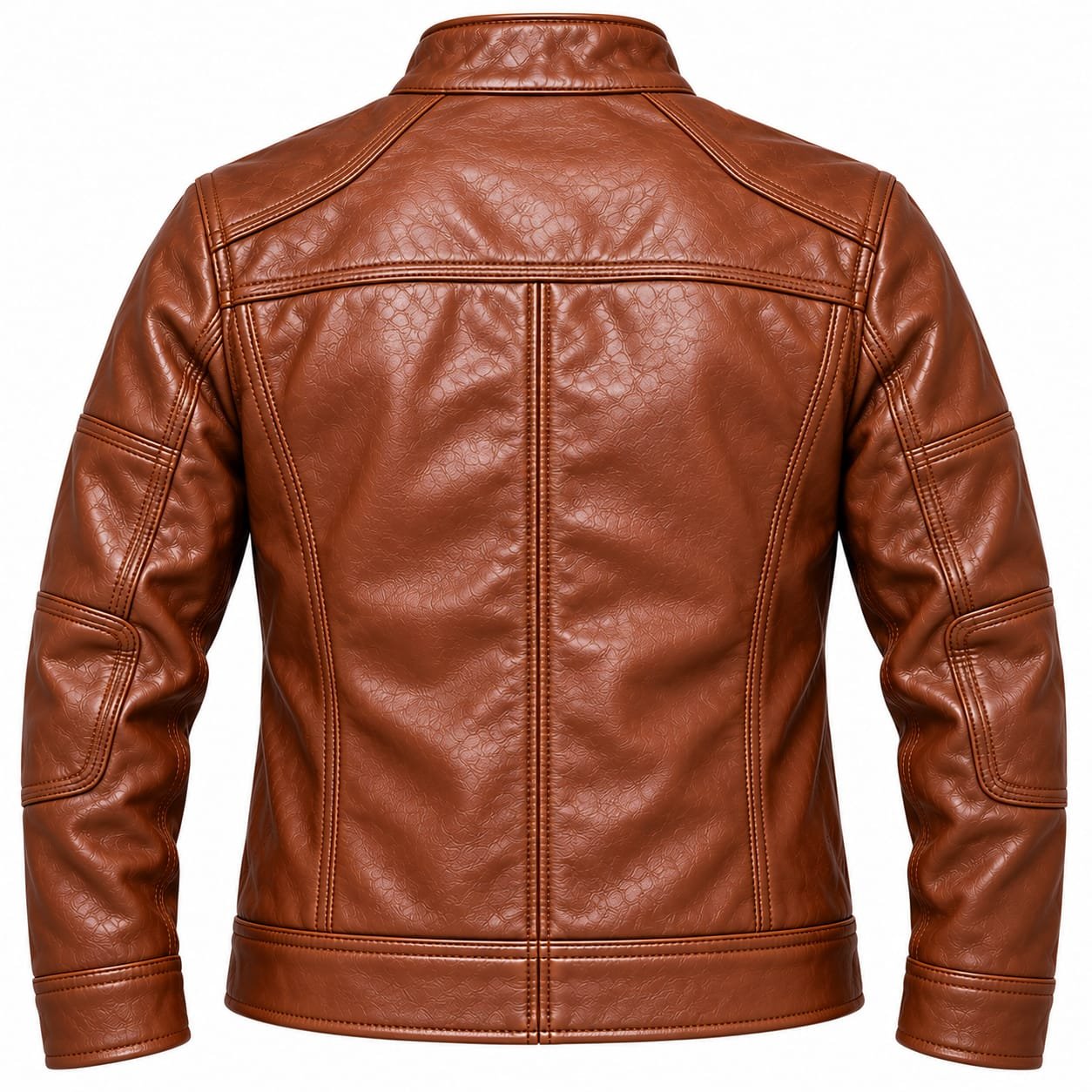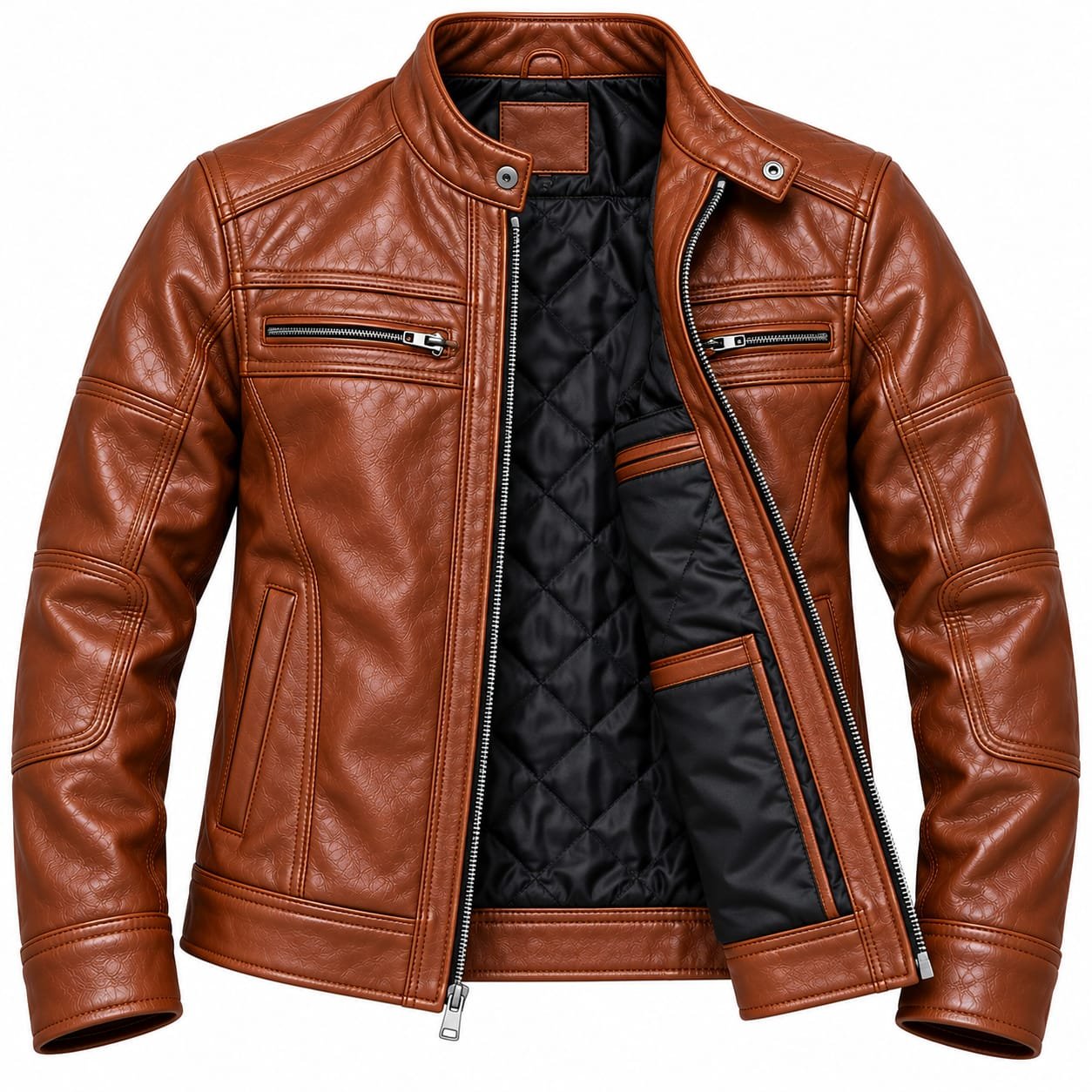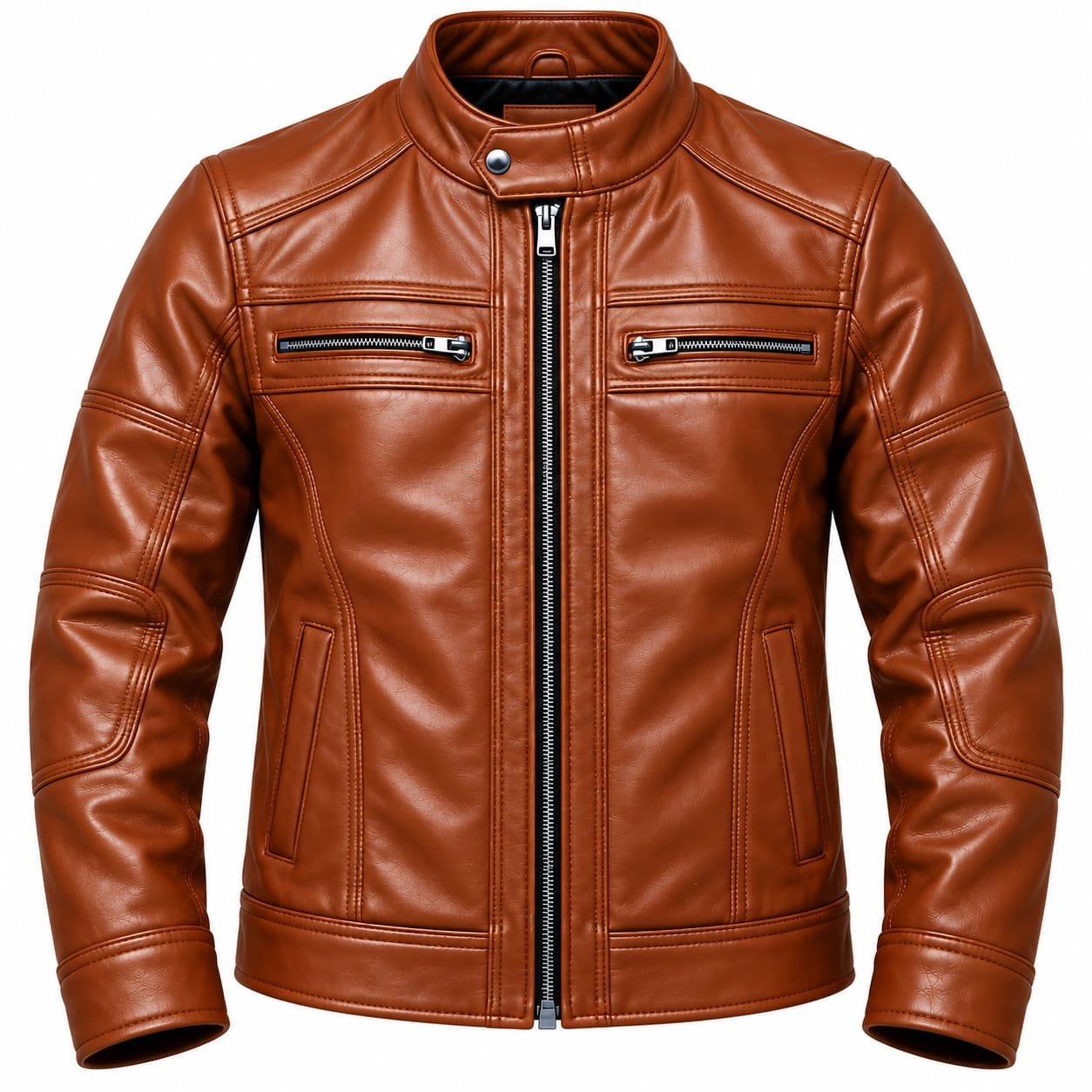
Full Grain vs Top Grain Leather: Which Is Better for a Leather Jacket?
When buying a leather jacket, the type and quality of leather can make a major difference in how the jacket looks, feels, performs, and ages. Two of the most commonly discussed leather types are full grain and top grain leather.
Understanding full grain vs top grain leather can help you choose a jacket that matches your priorities, whether you care most about durability, natural appearance, softness, price, or long-term use.
Both full grain and top grain leather are made from the outer portion of the animal hide, but they are processed differently. This difference affects their appearance, texture, durability, and price.
In this guide, Zentro Leather explains the differences between full grain and top grain leather and helps you decide which option may be better for your next leather jacket.
What Is Full Grain Leather?
Full grain leather is generally considered one of the highest-quality forms of natural leather.
The term “full grain” refers to leather that retains the natural grain of the hide. The outer surface is not heavily sanded or corrected to remove most natural markings.
Because the natural surface is retained, full grain leather can show variations in grain, texture, and markings.
These natural characteristics are not necessarily defects. They can be part of what makes each piece of leather unique.
Full grain leather is commonly chosen for products where durability, natural appearance, and long-term aging are important.
What Is Top Grain Leather?
Top grain leather also comes from the upper portion of the hide, but its surface is usually processed more than full grain leather.
Manufacturers may lightly sand, buff, or finish the surface to create a more uniform appearance.
This can remove some natural imperfections and produce a smoother and more consistent finish.
Top grain leather can still be a high-quality material and is widely used in clothing, bags, footwear, furniture, and other leather products.
The fact that it has been processed more than full grain does not automatically make it poor quality.
Full Grain vs Top Grain Leather: Key Differences
The main difference between the two is how much of the natural grain is retained.
| Feature | Full Grain Leather | Top Grain Leather |
|---|---|---|
| Natural grain | Highly preserved | Partially processed |
| Surface | More natural variation | More uniform |
| Durability | Generally excellent | Generally very good |
| Appearance | Natural and distinctive | Smooth and consistent |
| Aging | Develops character over time | Can age well |
| Processing | Minimal surface correction | More surface correction |
| Price | Often higher | Often more affordable |
| Natural markings | More likely visible | Usually reduced |
These are general characteristics. Actual performance depends on the hide, tanning process, finishing, thickness, and manufacturing quality.
Which Leather Is More Durable?
Durability is one of the biggest reasons buyers consider full grain leather.
Because the natural grain surface is retained, full grain leather can be very durable when properly processed and maintained.
Top grain leather can also be highly durable.
The difference is not simply that full grain leather is durable and top grain leather is weak. A well-made top grain leather jacket can last for many years with proper care.
The overall durability of a jacket also depends on:
- Leather thickness
- Hide quality
- Tanning process
- Stitching
- Seam construction
- Lining
- Zippers
- Hardware
- How the jacket is used
- Maintenance
Therefore, leather grade should be considered alongside the overall construction of the jacket.
Which Leather Has a More Natural Appearance?
If you prefer a natural leather appearance, full grain leather is often the more suitable choice.
Because the surface retains more of the original grain, you may see:
- Natural grain variations
- Small markings
- Subtle wrinkles
- Texture differences
- Individual character
Top grain leather is generally more uniform.
For buyers who prefer a clean, refined, and consistent appearance, top grain leather may be more attractive.
For buyers who appreciate natural imperfections and character, full grain leather can be appealing.
Does Full Grain Leather Have Imperfections?
Yes, it can.
Natural hides can contain marks from the animal’s life, such as variations in grain and small scars.
This does not automatically mean the leather is defective.
In fact, some leather buyers specifically prefer these characteristics because they make each piece look more natural and unique.
However, manufacturers still select and grade hides carefully. Extremely damaged areas may not be suitable for certain parts of a jacket.
Which Leather Ages Better?
Full grain leather is well known for developing character with use.
As the jacket is worn, the leather may develop changes in color, texture, creasing, and surface appearance.
This gradual development is often called a patina.
The way a leather jacket ages depends on several factors, including:
- Leather quality
- Tanning method
- Finish
- Color
- Frequency of use
- Exposure to sunlight
- Moisture
- Conditioning
- Storage
Top grain leather can also age well, but the appearance may differ depending on its finish and surface treatment.
What Is a Leather Patina?
Patina refers to the changes that naturally develop on leather over time.
A leather jacket may become more personalized through:
- Creasing
- Color changes
- Softening
- Surface character
- Natural wear patterns
This is one reason many leather enthusiasts enjoy wearing the same jacket for years.
The patina can make the jacket look more individual rather than simply older.
Which Leather Is Softer?
Softness is not determined by grain type alone.
A full grain leather jacket can be soft, but the feel depends heavily on the animal hide, tanning process, thickness, and finishing.
Top grain leather can also be extremely soft.
For example, a lightweight top grain lambskin can feel much softer than a thick full grain cowhide.
Therefore, if softness is your priority, consider the actual leather type and thickness rather than choosing based only on “full grain” or “top grain.”
Which Leather Is More Expensive?
Full grain leather is often more expensive because it retains more of the natural hide and usually requires high-quality raw material.
However, price varies considerably.
The final price of a leather jacket can depend on:
- Leather type
- Hide quality
- Thickness
- Tanning process
- Finishing
- Jacket design
- Hardware
- Lining
- Manufacturing
- Brand
- Customization
A high-priced jacket is not automatically better than a lower-priced jacket.
It is better to evaluate the actual materials and construction.
Is Full Grain Leather Better for Leather Jackets?
Full grain leather can be an excellent choice for buyers who prioritize:
- Durability
- Natural appearance
- Long-term use
- Unique grain
- Patina
- Premium materials
It can be especially suitable for customers who want a leather jacket that develops more character over time.
However, full grain leather can also be heavier and may have more natural surface variation.
Is Top Grain Leather Good for Leather Jackets?
Yes.
Top grain leather can be an excellent choice for leather jackets, especially when the buyer wants a cleaner and more consistent appearance.
It can provide:
- Good durability
- Smooth appearance
- Consistent texture
- Comfortable wear
- Good finishing options
- A potentially lower price than comparable full grain leather
Top grain leather can be suitable for fashion jackets, casual jackets, blazers, and many other styles.
Full Grain vs Top Grain for Motorcycle Jackets
Motorcycle jackets often need a combination of durability, structure, and comfort.
Full grain leather can be a strong option because of its durability and natural structure.
However, the correct leather depends on the design and intended use.
A motorcycle jacket should also have:
- Strong stitching
- Reliable zippers
- Secure hardware
- Appropriate thickness
- Proper pattern construction
- Comfortable movement
The leather alone does not determine the protective or functional performance of a motorcycle jacket.
Full Grain vs Top Grain for Fashion Jackets
For fashion-oriented leather jackets, both options can work well.
Full grain leather can create a more natural and rugged appearance.
Top grain leather can provide a smoother and more refined appearance.
Your choice should depend on the style you want.
For example, a vintage-inspired distressed jacket may benefit from a leather finish that emphasizes natural character, while a minimalist fashion jacket may look better with a smooth and consistent surface.
Does Thicker Leather Mean Better Leather?
Not necessarily.
Leather thickness and leather quality are different things.
A thick piece of leather may provide more structure, while a thinner leather can be softer and lighter.
The ideal thickness depends on the jacket style.
A lightweight fashion jacket may require different leather than a heavy motorcycle jacket.
Instead of simply asking for the thickest leather available, consider:
- Intended use
- Comfort
- Climate
- Jacket design
- Desired appearance
- Weight
- Durability requirements
How Tanning Affects Leather Quality
Tanning transforms raw hide into usable leather.
Different tanning methods can produce different characteristics.
The tanning process can affect:
- Softness
- Color
- Flexibility
- Durability
- Water resistance
- Aging
- Surface appearance
This is another reason why two jackets made from the same broad leather category can feel very different.
How Finishing Affects Full Grain and Top Grain Leather
Leather can be finished in many different ways.
Common finishes include:
- Smooth finish
- Matte finish
- Waxed finish
- Oiled finish
- Distressed finish
- Vintage finish
- Suede finish
- Aniline finish
- Pigmented finish
Finishing can significantly change the appearance and feel of leather.
Therefore, when comparing leather jackets, look at the complete material specification rather than focusing on one label.
How to Identify Full Grain Leather
Identifying leather grade from photographs alone can be difficult.
When purchasing, look for clear information from the manufacturer or seller.
Questions you can ask include:
- Is the leather full grain?
- Has the surface been sanded or corrected?
- What animal hide is used?
- What is the leather thickness?
- What finish has been applied?
- Is the leather natural or heavily coated?
A trustworthy manufacturer should be able to explain the material clearly.
How to Identify Top Grain Leather
Top grain leather may have a smoother and more consistent surface because it has undergone additional surface processing.
However, appearance alone is not enough to confirm the leather grade.
The most reliable approach is to check the manufacturer’s material specification.
If you are buying a premium leather jacket, do not hesitate to ask for additional information about the hide and finishing process.
Full Grain vs Top Grain: Which One Should You Choose?
The best option depends on your priorities.
Choose full grain leather if you want:
- Maximum natural character
- Excellent durability
- Visible grain variation
- Long-term aging
- A distinctive appearance
Choose top grain leather if you want:
- A smoother appearance
- More consistent texture
- Good durability
- Refined finishing
- Potentially better value
Neither option is automatically right for every buyer.
What About Genuine Leather?
The term “genuine leather” can cause confusion.
Genuine leather does mean the material is real leather, but it does not necessarily indicate a specific premium grade.
It is important to understand the difference between a broad material description and a detailed leather specification.
When buying a leather jacket, ask about the actual leather type, grain, thickness, finish, and construction.
Which Leather Is Best for Long-Term Use?
If your main goal is long-term ownership, full grain leather can be a strong choice.
However, a high-quality top grain leather jacket can also last for many years.
Maintenance is extremely important.
Even premium leather can become damaged if it is exposed to excessive moisture, heat, sunlight, or poor storage.
A well-made jacket that receives proper care can provide much better long-term value.
How to Care for a Full Grain or Top Grain Leather Jacket
Regardless of the leather grade, proper care is important.
Basic maintenance includes:
- Keep the jacket away from excessive moisture.
- Avoid direct heat when drying.
- Store it on a suitable wide hanger.
- Do not keep it compressed for long periods.
- Clean according to the leather manufacturer’s instructions.
- Use an appropriate leather conditioner when recommended.
- Avoid harsh household cleaning chemicals.
- Keep it away from prolonged direct sunlight.
Always test cleaning or conditioning products on an inconspicuous area first and follow the leather manufacturer’s recommendations.
Common Mistakes When Choosing Leather
Choosing Based Only on Price
An expensive jacket is not automatically the best jacket.
Assuming Full Grain Is Always Soft
Full grain leather can be soft or firm depending on its type and processing.
Assuming Top Grain Is Low Quality
Top grain leather can be an excellent material.
Ignoring Construction
High-quality leather cannot compensate for poor stitching or weak hardware.
Buying Without Checking Measurements
Even premium leather will not make an incorrectly sized jacket comfortable.
Questions to Ask Before Buying a Leather Jacket
Before placing your order, consider asking:
- What type of leather is used?
- Is it full grain or top grain?
- What animal hide is used?
- What is the approximate leather thickness?
- What finish is applied?
- What type of lining is used?
- What hardware is included?
- Is the jacket available in custom sizing?
- How should the leather be maintained?
- Can you provide close-up images of the leather?
Getting clear answers can help you make a more informed purchase.
Final Verdict: Full Grain vs Top Grain Leather
When comparing full grain vs top grain leather, the main difference is the amount of natural grain retained and the level of surface processing.
Full grain leather generally offers more natural character and can develop an attractive patina with age. It is often selected for premium products where durability and natural appearance are priorities.
Top grain leather is more processed but can still provide excellent quality, durability, comfort, and appearance. It may be a better choice for buyers who prefer a smooth and consistent finish.
For a leather jacket, the best choice depends on your intended use, preferred appearance, comfort requirements, budget, and the overall quality of construction.
At Zentro Leather, we understand that different customers need different leather specifications. Whether you are looking for a vintage motorcycle jacket, a lightweight fashion jacket, a classic leather coat, or a custom design, choosing the right leather is an important part of the manufacturing process.
Before buying, look beyond the label and consider the leather type, thickness, finish, stitching, hardware, lining, fit, and craftsmanship. These factors together determine the overall quality and value of a leather jacket.