How to Choose a Leather Jacket for Your Body Type: Complete Fit Guide
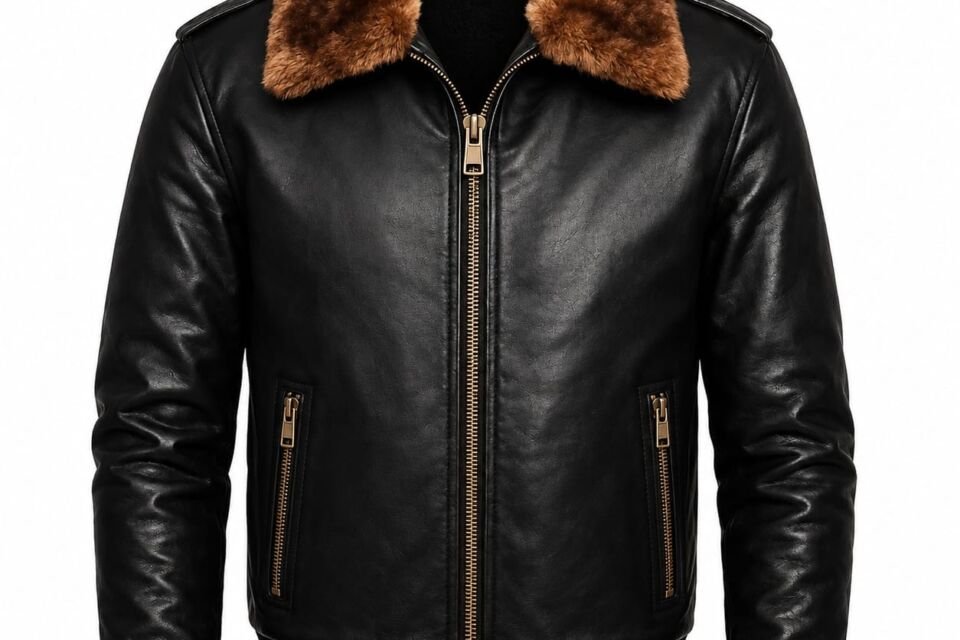
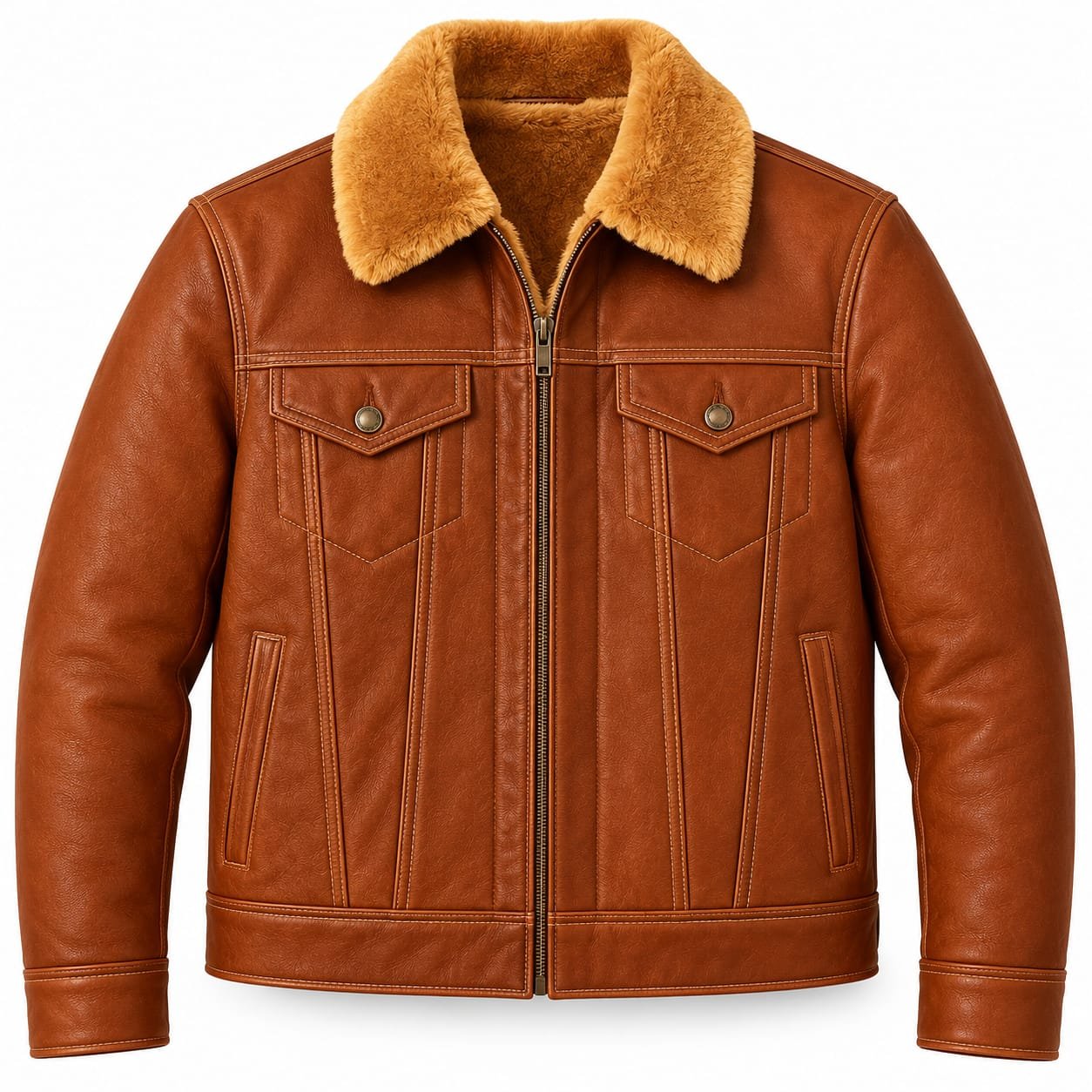
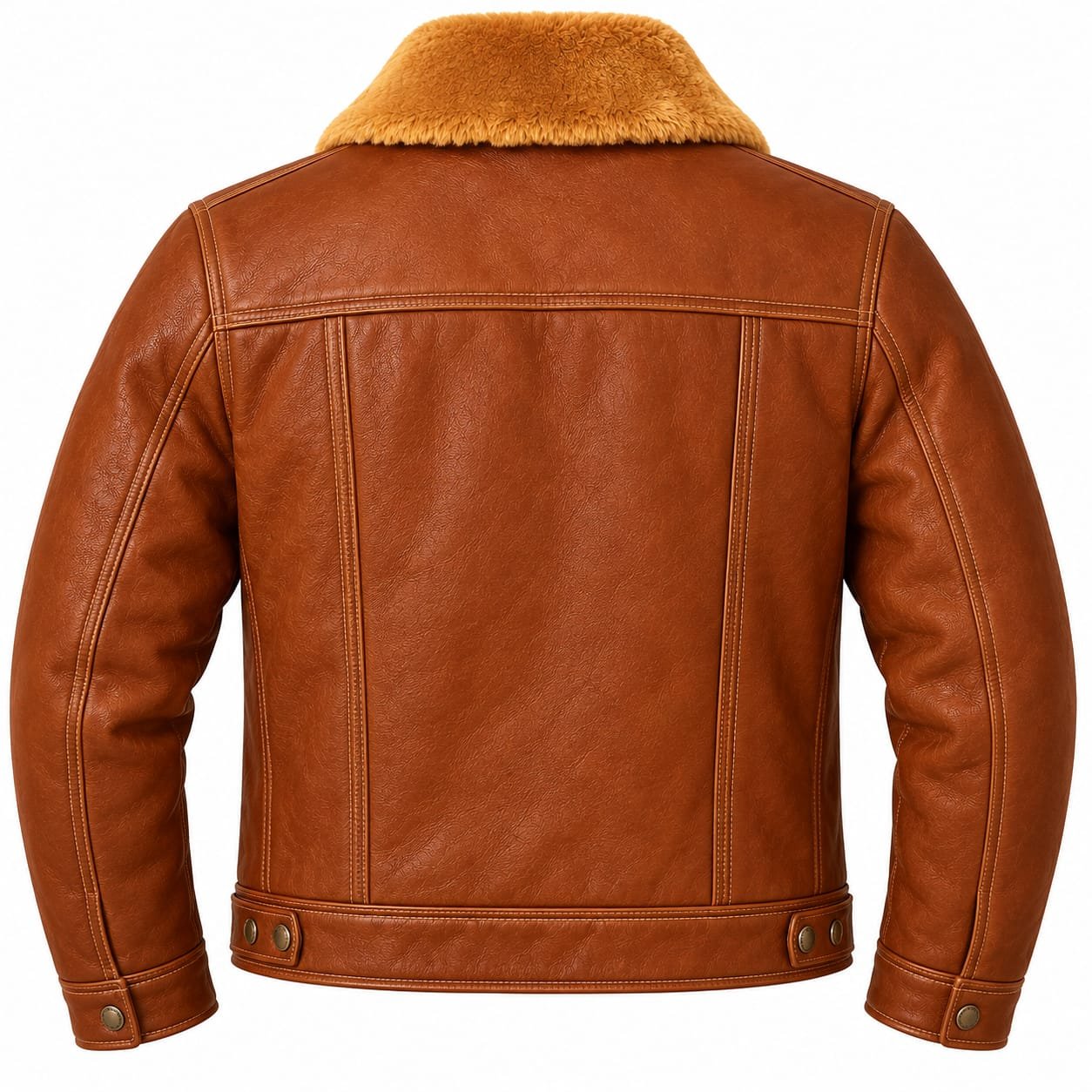
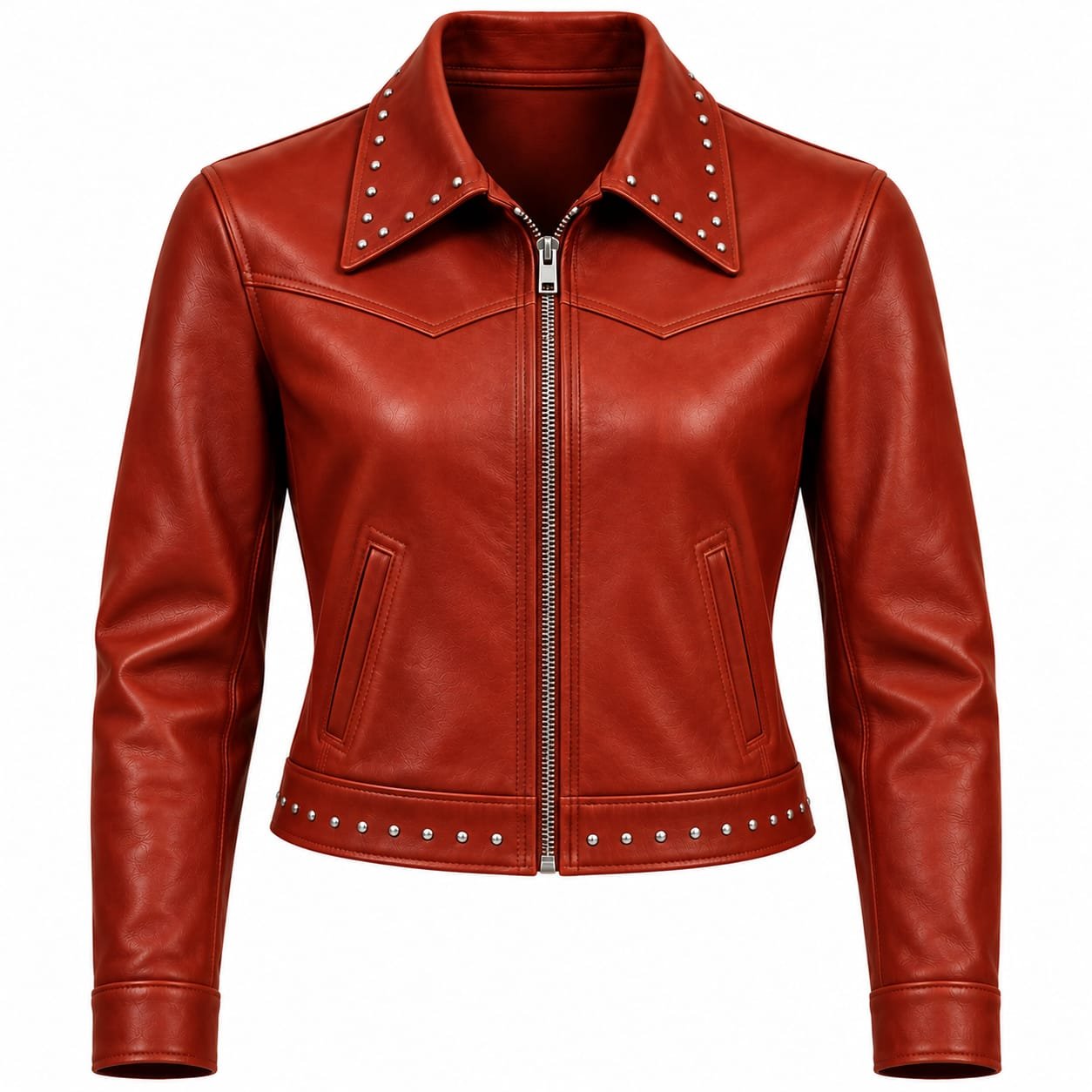
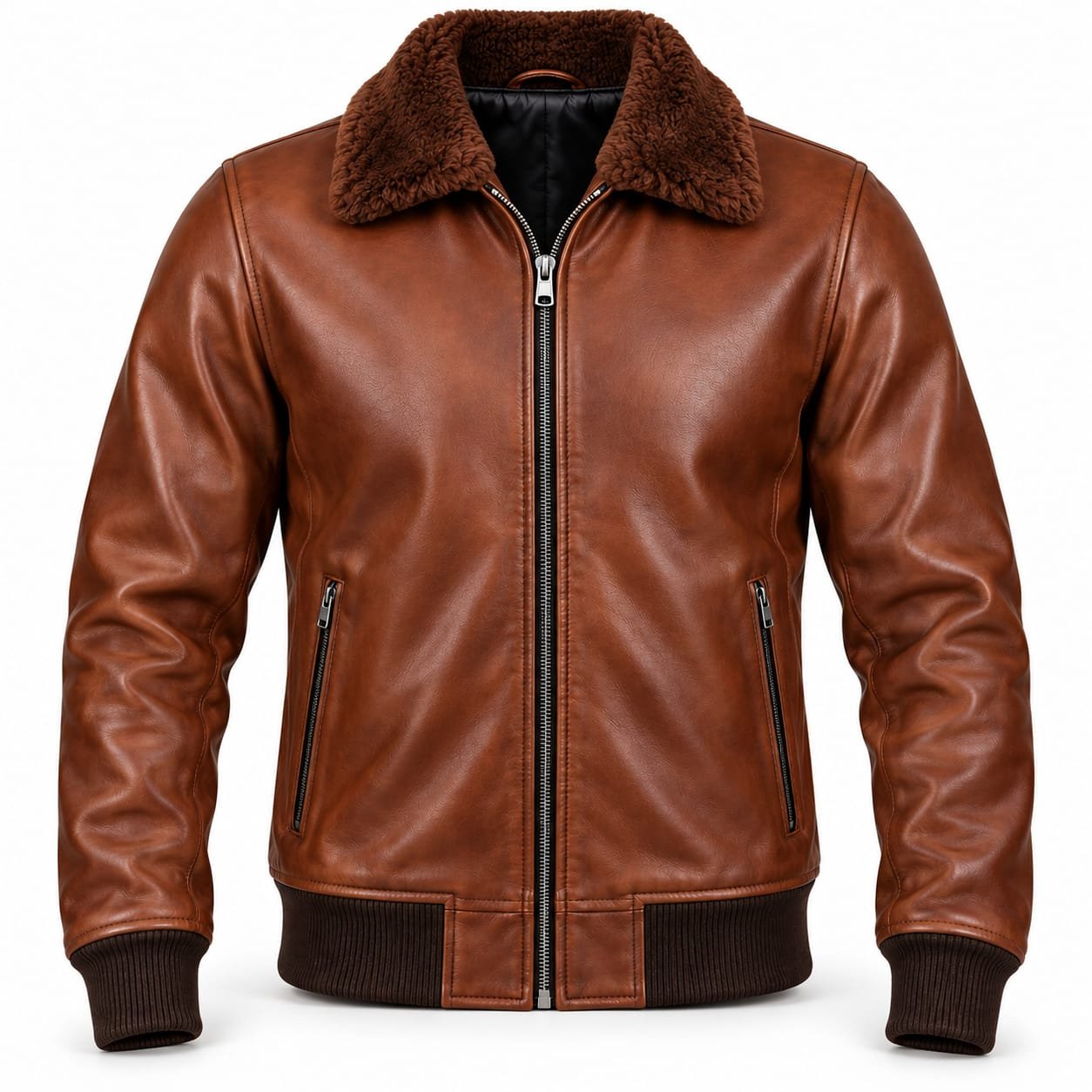
Buying a leather jacket is not only about choosing the right color or leather type. The right fit can completely change how a leather jacket looks on your body.
A jacket that fits correctly can create a balanced silhouette, while the wrong size or cut can make the jacket look too tight, too loose, too short, or too bulky.
Whether you are buying a leather jacket for yourself or developing leather jackets for a clothing brand, understanding body shape, measurements, jacket length, shoulder fit, sleeve length, and design can help you choose a better product.
Why Does Body Type Matter When Choosing a Leather Jacket?
Leather jackets are structured garments. Unlike loose cotton shirts, leather does not always drape naturally around the body.
The right jacket should:
- Sit correctly on the shoulders
- Allow comfortable movement
- Fit the chest without excessive pulling
- Have suitable sleeve length
- Match your preferred silhouette
- Allow reasonable layering
- Complement your body proportions
The goal is not to hide your body shape. The goal is to choose a jacket that creates a balanced and comfortable appearance.
How Should a Leather Jacket Fit?
A leather jacket should generally feel close to the body without restricting movement.
When trying one on, check these areas:
Shoulders
The shoulder seam should sit close to your natural shoulder.
If the seam extends significantly beyond your shoulder, the jacket may be too large.
If the seam sits far inside your shoulder, the jacket may be too small.
Chest
The jacket should close comfortably without excessive tension around the chest.
If the zipper or buttons create strong horizontal pulling lines, consider going up a size or choosing a different cut.
Waist
The waist depends on the jacket style.
A fitted fashion jacket may taper toward the waist, while a biker or oversized jacket may have a more relaxed shape.
Sleeves
Sleeves should generally reach around the wrist area when your arms are relaxed.
Some motorcycle jackets intentionally have longer sleeves to provide better coverage while riding.
Jacket Length
The correct length depends on the design.
A cropped leather jacket can sit around the waist, while a classic jacket may extend farther toward the hips.
Best Leather Jacket Styles for Different Body Types
There is no single jacket style that is universally best. However, certain silhouettes may complement different proportions.
1. Slim Body Type
If you have a slim frame, structured or slightly fitted leather jackets can create a stronger silhouette.
Good options include:
- Racer jackets
- Café racer jackets
- Slim biker jackets
- Fitted bomber jackets
- Short leather jackets
Avoid choosing an extremely oversized jacket unless an oversized streetwear look is specifically what you want.
2. Athletic or Broad Shoulders
If you have broader shoulders, look for jackets with enough room across the chest and upper back.
Good options include:
- Classic biker jackets
- Bomber jackets
- Relaxed leather jackets
- Racer jackets
- Military-inspired jackets
Make sure the jacket does not pull across the shoulders when you move your arms.
3. Larger Midsection
For a larger midsection, a jacket with a relaxed or straight silhouette can provide a more comfortable fit.
Consider:
- Straight-cut jackets
- Relaxed leather jackets
- Longer leather coats
- Minimal-detail designs
Avoid selecting a jacket that is extremely tight around the stomach simply to achieve a fitted appearance.
Comfort and proportion are more important than choosing a smaller size.
4. Shorter Height
If you are shorter, a very long or oversized leather jacket can visually overwhelm your proportions.
Consider:
- Cropped jackets
- Waist-length jackets
- Short biker jackets
- Minimal-bulk designs
A shorter jacket can help create a cleaner overall proportion.
5. Taller Body Type
Taller people can often wear longer leather jackets comfortably.
Good choices include:
- Long leather coats
- Oversized jackets
- Longer biker jackets
- Shearling coats
- Relaxed-fit leather jackets
Sleeve length is particularly important because short sleeves can make an otherwise well-fitting jacket look poorly proportioned.
Leather Jacket Fit: Slim vs Regular vs Oversized
Slim Fit
Slim-fit jackets follow the body’s shape more closely.
They work well for:
- Smart casual outfits
- Fashion styling
- Minimalist looks
- Layering with lightweight clothing
Regular Fit
Regular-fit jackets provide a balance between comfort and structure.
They are suitable for everyday wear and can accommodate a light sweater or sweatshirt.
Oversized Fit
Oversized leather jackets intentionally provide more volume.
They are popular in:
- Streetwear
- Grunge fashion
- Vintage styling
- Contemporary fashion
Oversized does not mean simply buying several sizes too large. A properly designed oversized jacket uses specific measurements and proportions.
How to Choose the Right Leather Jacket Size
Do not rely only on S, M, L, XL, or XXL.
Sizing varies between manufacturers and countries.
Instead, compare actual measurements such as:
- Chest
- Shoulder
- Sleeve
- Jacket length
- Waist
- Hem
For online purchases, always check the seller’s size chart.
If possible, compare the measurements with a jacket you already own that fits you well.
How to Measure Yourself for a Leather Jacket
Chest
Measure around the fullest part of your chest while keeping the measuring tape level.
Do not pull the tape excessively tight.
Shoulders
Measure from one shoulder point to the other across the back.
Sleeve
Measure from the shoulder point down to the wrist.
Jacket Length
Measure from the top of the shoulder down to the desired jacket hem.
Waist
Measure around your natural waist or the area where the jacket will sit.
These measurements are especially useful for custom leather jackets.
Should a Leather Jacket Be Tight or Loose?
A leather jacket should not be painfully tight.
At the same time, excessive looseness can make the jacket look shapeless.
A good fit should allow you to:
- Zip or button the jacket comfortably
- Move your arms
- Sit down
- Drive or ride comfortably
- Wear appropriate layers
For a lightweight fashion jacket, a closer fit may work well.
For a winter jacket or motorcycle jacket, additional room may be necessary.
How Does Leather Type Affect Fit?
Leather type can change how a jacket feels on the body.
Lambskin
Lambskin is soft and flexible, making it suitable for fitted fashion jackets.
Cowhide
Cowhide can be heavier and more structured, particularly in thicker weights.
It is often used for motorcycle and rugged jackets.
Goatskin
Goatskin offers a balance between flexibility and durability.
Suede
Suede has a softer surface and can work well for casual and fashion-focused designs.
The leather thickness and finish also influence how the jacket hangs and moves.
What Should You Wear Under a Leather Jacket?
Consider the clothing you normally wear.
If you mostly wear:
- T-shirts → a closer fit may work
- Shirts → allow moderate room
- Sweaters → choose additional chest and sleeve room
- Hoodies → consider a relaxed or oversized jacket
Do not buy a very tight leather jacket if you regularly plan to wear thick layers underneath.
Common Leather Jacket Fitting Mistakes
Buying Based Only on Size Letters
An XL from one manufacturer may fit differently from an XL from another.
Always check measurements.
Choosing a Jacket Too Small
Leather jackets should not cause excessive pulling when zipped.
Choosing Excessively Large Jackets
A jacket that is several sizes too large can have incorrect shoulder and sleeve proportions.
Ignoring Sleeve Length
Sleeves that are too short or too long can make the entire jacket look incorrectly sized.
Ignoring Shoulder Fit
Shoulder fit is one of the most difficult areas to correct after manufacturing.
Forgetting Layering
Consider what you normally wear underneath the jacket before choosing your size.
Choosing a Leather Jacket for Motorcycle Riding
Motorcycle jackets have different requirements from everyday fashion jackets.
For riding, consider:
- Proper body coverage
- Sleeve length
- Shoulder fit
- Arm mobility
- Abrasion-resistant construction
- Protective armor compatibility
- Secure closures
- Strong seams
A fashion leather jacket should not automatically be treated as motorcycle protective equipment.
If safety is important, choose a jacket specifically designed and tested for motorcycle use.
Custom Leather Jackets: Why Fit Can Be Better
For custom leather jackets, manufacturers can work from detailed measurements instead of relying entirely on standard sizes.
This can be useful for:
- Clothing brands
- Fashion designers
- Retailers
- Private-label businesses
- Custom customers
A custom specification can include:
- Chest measurement
- Shoulder width
- Sleeve length
- Body length
- Waist
- Hem
- Armhole
- Pocket placement
- Collar dimensions
For brands, developing a detailed measurement chart before bulk production can help maintain consistent sizing.
Leather Jacket Sizing for Clothing Brands
If you are developing leather jackets for a brand, standard size labels are only one part of the process.
A professional size specification should define measurements for every size.
For example:
| Measurement | XS | S | M | L | XL | XXL |
|---|---|---|---|---|---|---|
| Chest | Custom | Custom | Custom | Custom | Custom | Custom |
| Shoulder | Custom | Custom | Custom | Custom | Custom | Custom |
| Sleeve | Custom | Custom | Custom | Custom | Custom | Custom |
| Length | Custom | Custom | Custom | Custom | Custom | Custom |
Exact measurements should be developed according to the brand’s target customer and preferred fit.
What Should Brands Check Before Bulk Production?
Before placing a large leather jacket order, brands and retailers should approve a production sample.
Check:
- Overall fit
- Shoulder placement
- Chest ease
- Sleeve length
- Jacket length
- Pocket position
- Collar shape
- Zipper function
- Lining
- Stitching
- Leather quality
- Hardware
- Color
- Label placement
This can help reduce costly sizing and production problems.
Zentro Leather Custom Manufacturing
At Zentro Leather, leather jackets can be developed for brands, retailers, and individual customers according to specific design and sizing requirements.
Custom options can include:
- Leather type
- Leather color
- Leather finish
- Jacket silhouette
- Measurements
- Lining
- Zippers
- Hardware
- Pockets
- Labels
- Branding
- Custom designs
For B2B buyers, a sample should be reviewed and approved before bulk production so the final sizing and construction match the intended product specification.
Frequently Asked Questions
Should a leather jacket fit tight?
It should fit close to the body but should not restrict normal movement or create excessive pulling.
Should I size up in a leather jacket?
Not automatically. Size up only when the manufacturer’s measurements indicate that you need additional room, especially for layering.
How should a leather jacket fit around the shoulders?
The shoulder seams should generally sit close to your natural shoulders without extending significantly beyond them.
Can leather jackets stretch?
Leather can soften and change slightly with wear, but you should not rely on significant stretching to correct an incorrectly sized jacket.
Is oversized leather still fashionable?
Yes. Oversized leather jackets are popular in streetwear, vintage, grunge, and contemporary fashion. However, an oversized jacket should have intentionally designed proportions rather than simply being several sizes too large.
What is the best leather jacket for a slim body?
Slim or regular-fit styles such as racer, café racer, and fitted biker jackets can complement a slim frame.
What is the best leather jacket for a larger body?
Relaxed, straight-cut, and appropriately structured jackets can provide comfort and balanced proportions. The correct measurements are more important than the label size.
Final Thoughts
Choosing the right leather jacket is about more than selecting your usual size.
Pay attention to shoulders, chest, sleeves, jacket length, waist, leather thickness, and intended layering. Your preferred style also matters—slim, regular, relaxed, or oversized.
For online shoppers, always compare the manufacturer’s measurement chart instead of relying only on S, M, L, or XL.
For clothing brands and retailers, a detailed measurement specification and approved sample are essential for consistent production.
Whether you need a single custom jacket or are developing a private-label leather collection, choosing the correct fit from the beginning can make a major difference in customer satisfaction and product quality.