How to Choose the Right Leather for Custom Jackets: Full-Grain, Lambskin & Cowhide
Choosing the right leather is one of the most important decisions when developing a custom leather jacket. The leather affects the jacket’s appearance, softness, weight, durability, structure, price, and overall customer experience.
For fashion brands and private-label buyers in the USA and Europe, there is no single leather that is automatically the best. The right choice depends on the jacket style, target customer, climate, intended use, and price point. Leather specialists also emphasize that thickness alone does not determine quality, and terms such as “genuine leather” should not be treated as a quality grade by themselves.
Whether you are developing a women’s fashion jacket, a men’s bomber, a motorcycle jacket, or a premium leather collection, understanding the main leather options will help you make better manufacturing decisions.
What Makes One Leather Different From Another?
Leather can vary according to several factors:
- Animal hide
- Grain selection
- Thickness
- Tanning process
- Finishing method
- Surface texture
- Softness
- Weight
- Construction quality
Two jackets can both be made from genuine leather but feel and perform very differently.
For this reason, brands should look beyond simple descriptions such as “100% genuine leather” and ask what type of hide is being used, how it is finished, and what specifications are required for the finished jacket.
1. Full-Grain Leather
Full-grain leather retains most of the natural grain surface of the hide. Natural marks, variations and grain patterns can therefore remain visible.
This is particularly attractive for brands looking for a natural, premium and heritage-inspired appearance.
Benefits of Full-Grain Leather
- Natural grain appearance
- Strong and substantial feel
- Premium visual character
- Develops character with wear
- Suitable for classic and heritage designs
- Works well for premium leather collections
Because the natural surface is retained, small variations should not automatically be considered defects. In many cases, these characteristics are part of the appeal of natural leather.
Full-grain leather can be especially suitable for classic motorcycle jackets, heritage jackets, premium bombers and rugged outerwear.
However, full-grain does not mean that every hide is identical in quality. The actual hide selection, tanning, thickness and manufacturing construction still matter.
2. Lambskin Leather
Lambskin is widely used for fashion jackets because of its soft, lightweight and supple feel.
Compared with heavier hides, lambskin generally creates a more comfortable and flexible garment. It is particularly popular for women’s fashion jackets and lightweight premium outerwear.
Benefits of Lambskin
- Very soft hand feel
- Lightweight
- Flexible and comfortable
- Elegant appearance
- Suitable for fitted silhouettes
- Excellent for fashion-focused jackets
Lambskin can work particularly well for:
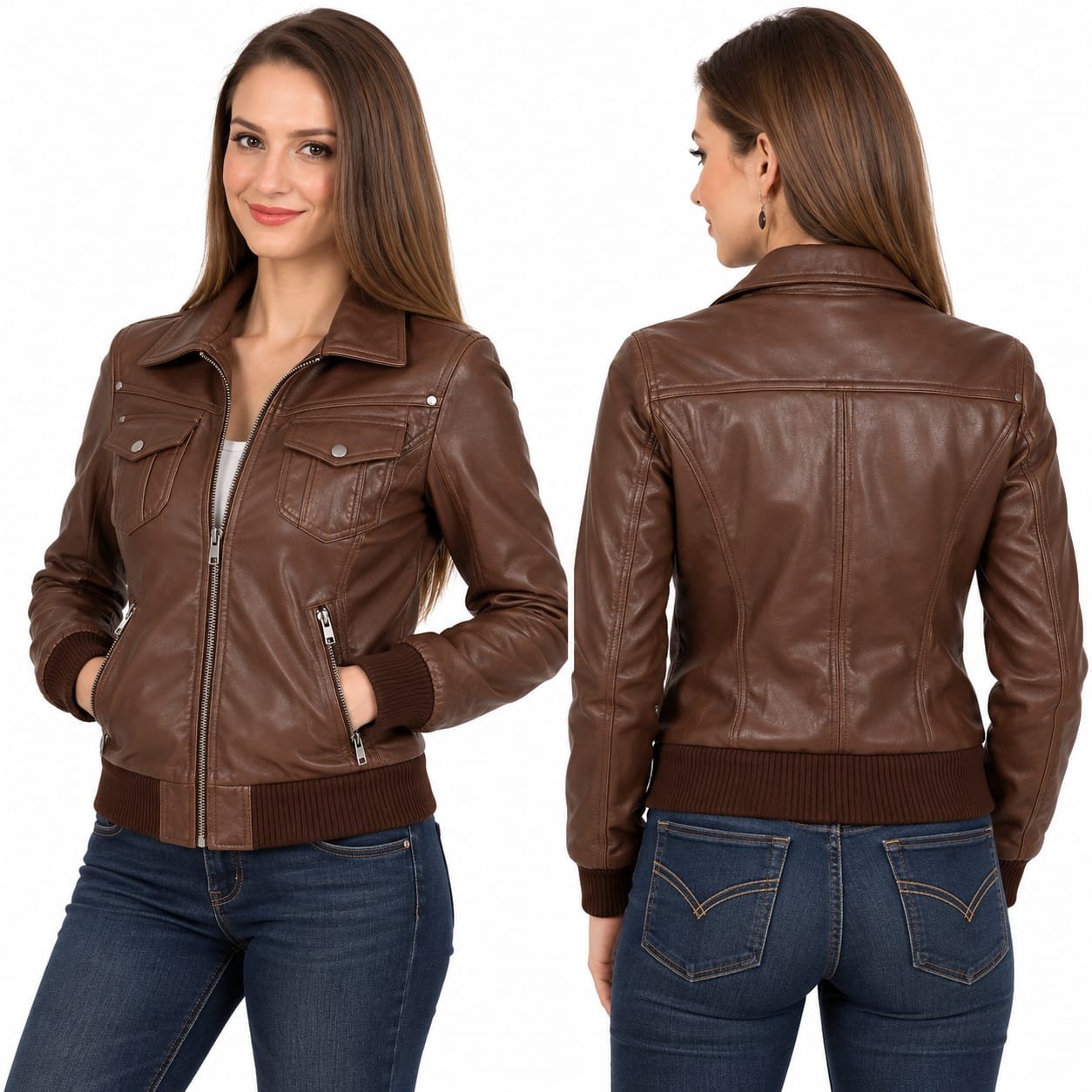
- Women’s leather jackets
- Cropped jackets
- Fashion bombers
- Leather shirts
- Fitted jackets
- Minimalist leather outerwear
Is Lambskin the Most Durable Leather?
Not necessarily.
Lambskin is generally chosen for softness and comfort rather than maximum abrasion resistance. If the intended product is a rugged motorcycle jacket or heavy-duty outerwear, a stronger and more structured hide may be more appropriate.
That does not make lambskin a poor-quality leather. It simply means that the material should match the intended use.
3. Cowhide Leather
Cowhide is one of the most versatile options for leather jackets. It can provide a stronger, heavier and more structured feel than lightweight fashion leathers.
It is particularly suitable for brands producing jackets where durability and structure are important.
Benefits of Cowhide
- Strong and durable
- More structured appearance
- Suitable for rugged jackets
- Good choice for motorcycle styles
- Works well with classic silhouettes
- Available in different weights and finishes
Cowhide is commonly considered for:
- Motorcycle jackets
- Biker jackets
- Café racer jackets
- Heavy bombers
- Flight jackets
- Work-inspired leather jackets
- Heritage outerwear
For motorcycle-oriented products, cowhide can be a practical choice because the additional structure and durability can be more suitable than very lightweight fashion leather.
Full-Grain vs Lambskin vs Cowhide
| Feature | Full-Grain | Lambskin | Cowhide |
|---|---|---|---|
| Natural appearance | Excellent | Very good | Excellent |
| Softness | Medium to high | Very high | Medium |
| Weight | Medium to heavy | Lightweight | Medium to heavy |
| Structure | Good | Soft | Strong |
| Durability | High, depending on hide | Lower than heavy hides | Generally high |
| Fashion jackets | Excellent | Excellent | Excellent |
| Motorcycle jackets | Excellent | Less suitable | Excellent |
| Premium jackets | Excellent | Excellent | Excellent |
| Lightweight designs | Sometimes | Excellent | Depends on weight |
These are broad comparisons. Actual performance varies considerably according to tanning, finishing, hide selection and thickness.
4. Leather Thickness Matters
When developing a custom jacket, brands should also specify the desired leather thickness.
A thicker leather can provide more structure and durability, but thicker does not automatically mean better.
A lightweight fashion jacket may require a softer, thinner leather, while a motorcycle jacket may need a heavier specification.
For example:
Lightweight Fashion Jacket
A lighter leather can provide:
- Better flexibility
- Lower garment weight
- Softer drape
- Comfortable everyday wear
Medium-Weight Jacket
A medium-weight specification can provide a balance between:
- Comfort
- Structure
- Durability
- Premium appearance
Heavy Leather Jacket
A heavier leather can provide:
- Strong structure
- Rugged appearance
- Greater substance
- Better suitability for demanding applications
The appropriate specification should therefore be decided according to the design and intended use, rather than simply choosing the thickest leather available.
5. Consider the Jacket Design
The jacket style should influence your leather selection.
Bomber Jackets
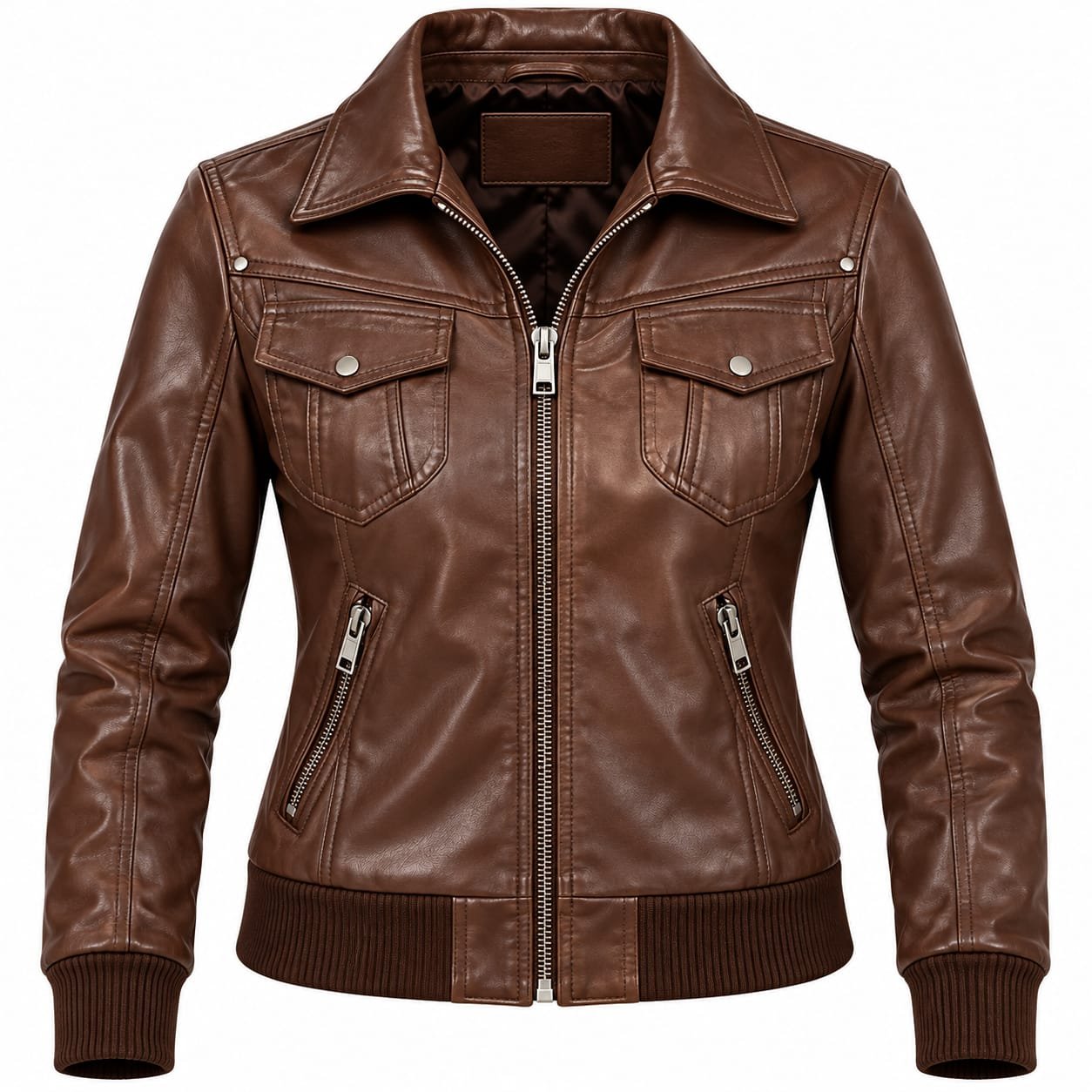
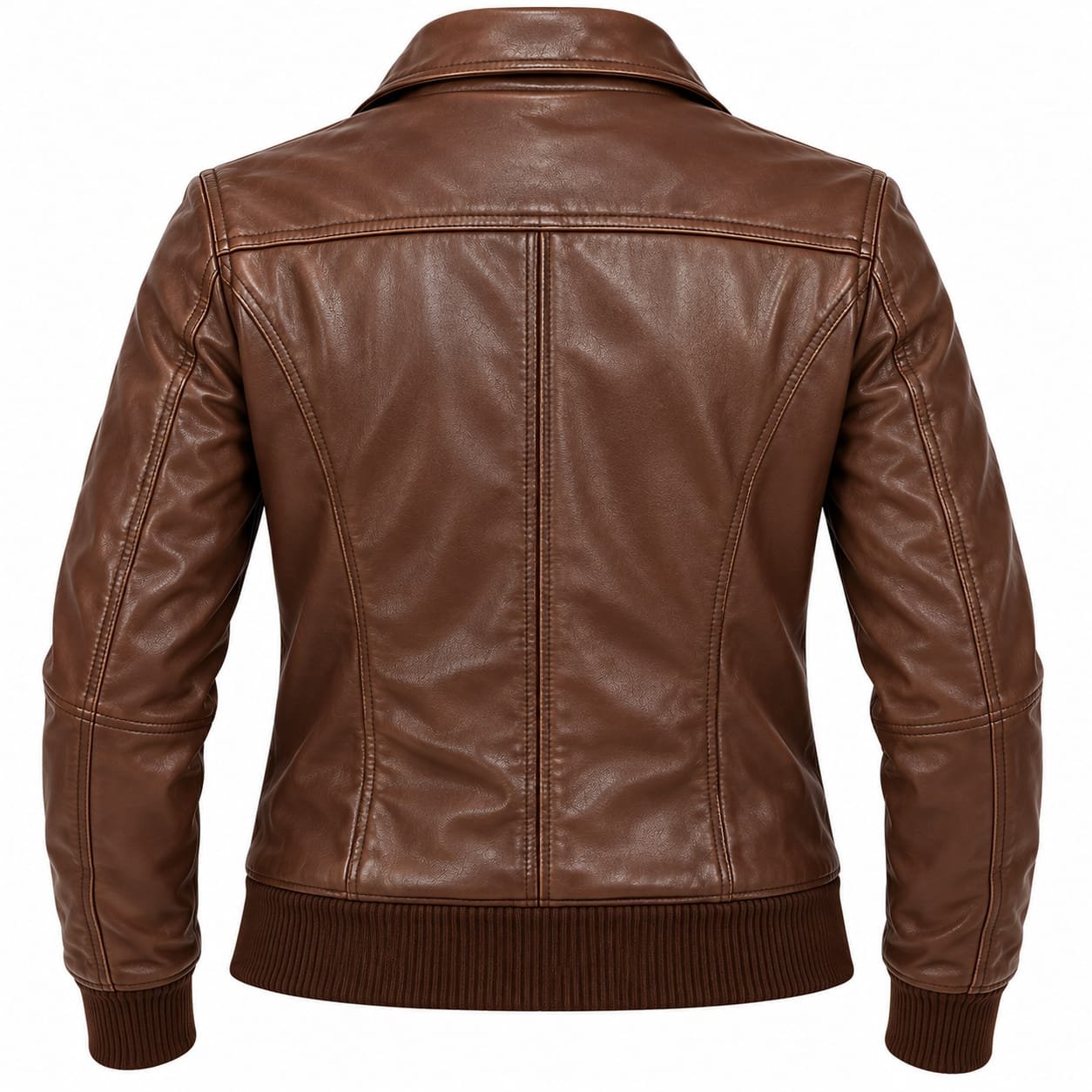
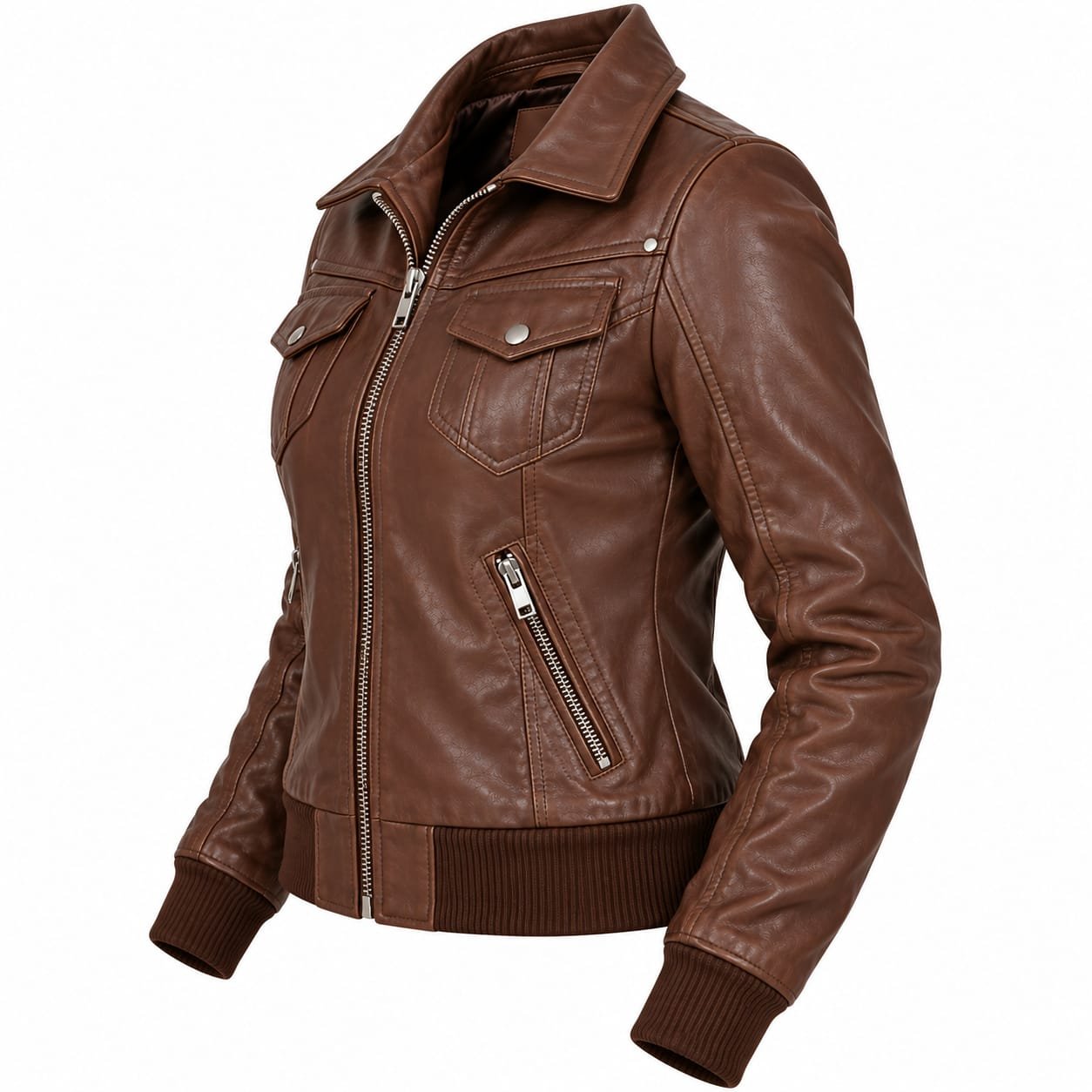
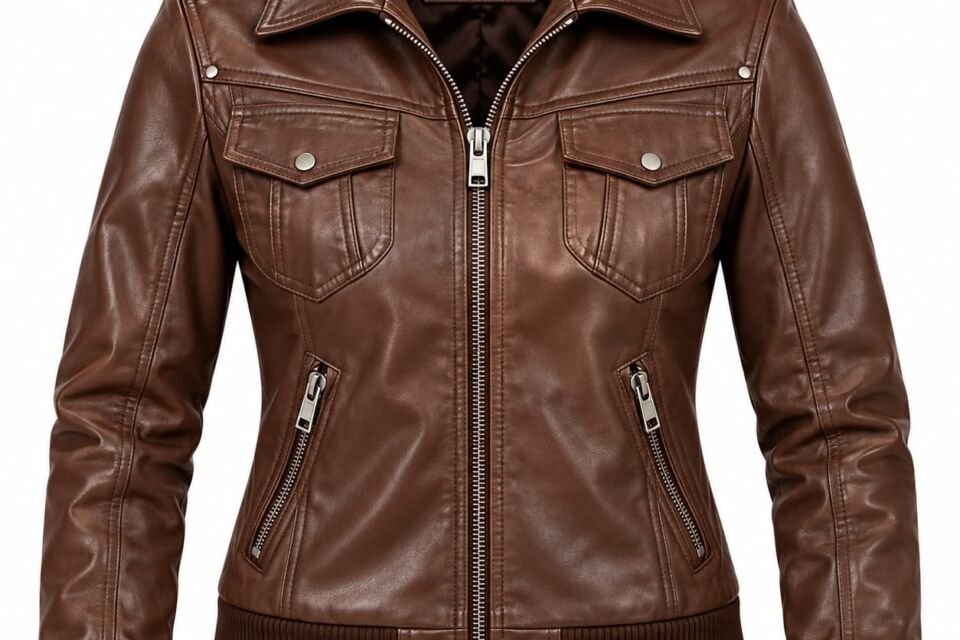
For a bomber jacket, softer lambskin or medium-weight cowhide can work depending on the desired silhouette.
If the brand wants a luxurious fashion bomber, soft leather can create a more relaxed appearance.
For a rugged vintage bomber, a more structured hide can be appropriate.
Biker Jackets
Biker jackets generally benefit from stronger leather because the style is associated with durability and a structured silhouette.
Cowhide is a common option for this category.
Women’s Fashion Jackets
For women’s fashion collections, lambskin can be particularly attractive because its softness allows fitted and feminine silhouettes.
Cropped jackets, fitted waist designs and lightweight fashion pieces can all benefit from supple leather.
Vintage Jackets
For vintage-inspired collections, brands can consider distressed, pull-up or other aged-looking finishes.
The finish can dramatically change the visual character of the same basic leather.
6. Don’t Forget the Leather Finish
The leather type is only one part of the final appearance.
The finish can change how the jacket looks and feels.
Popular options include:
Smooth Finish
Clean and modern, suitable for minimalist fashion jackets.
Vintage Finish
Creates an aged and heritage-inspired appearance.
Distressed Finish
Adds visible character and worn-in texture.
Pull-Up Finish
Creates tonal variation and a distinctive aged effect when the leather is handled or folded.
Suede Finish
Provides a soft, matte surface and a completely different visual character from smooth leather.
For brands, choosing the finish together with the leather type is important when creating a consistent collection.
7. Match Leather to Your Target Customer
Your customer should influence your material choice.
Premium Fashion Customer
Consider:
- Soft lambskin
- Premium full-grain leather
- Refined finishes
- Clean hardware
- Minimal branding
Streetwear Customer
Consider:
- Oversized silhouettes
- Brown or black leather
- Vintage finishes
- Bold hardware
- Relaxed construction
Motorcycle Customer
Consider:
- Durable cowhide
- Structured construction
- Reinforced seams
- Heavy-duty hardware
- Functional pockets
Heritage Customer
Consider:
- Full-grain leather
- Natural grain
- Distressed finishes
- Vintage hardware
- Classic silhouettes
8. Leather Quality Is Not Only About the Hide
A premium leather jacket can still have problems if the construction is poor.
When evaluating a manufacturer, also consider:
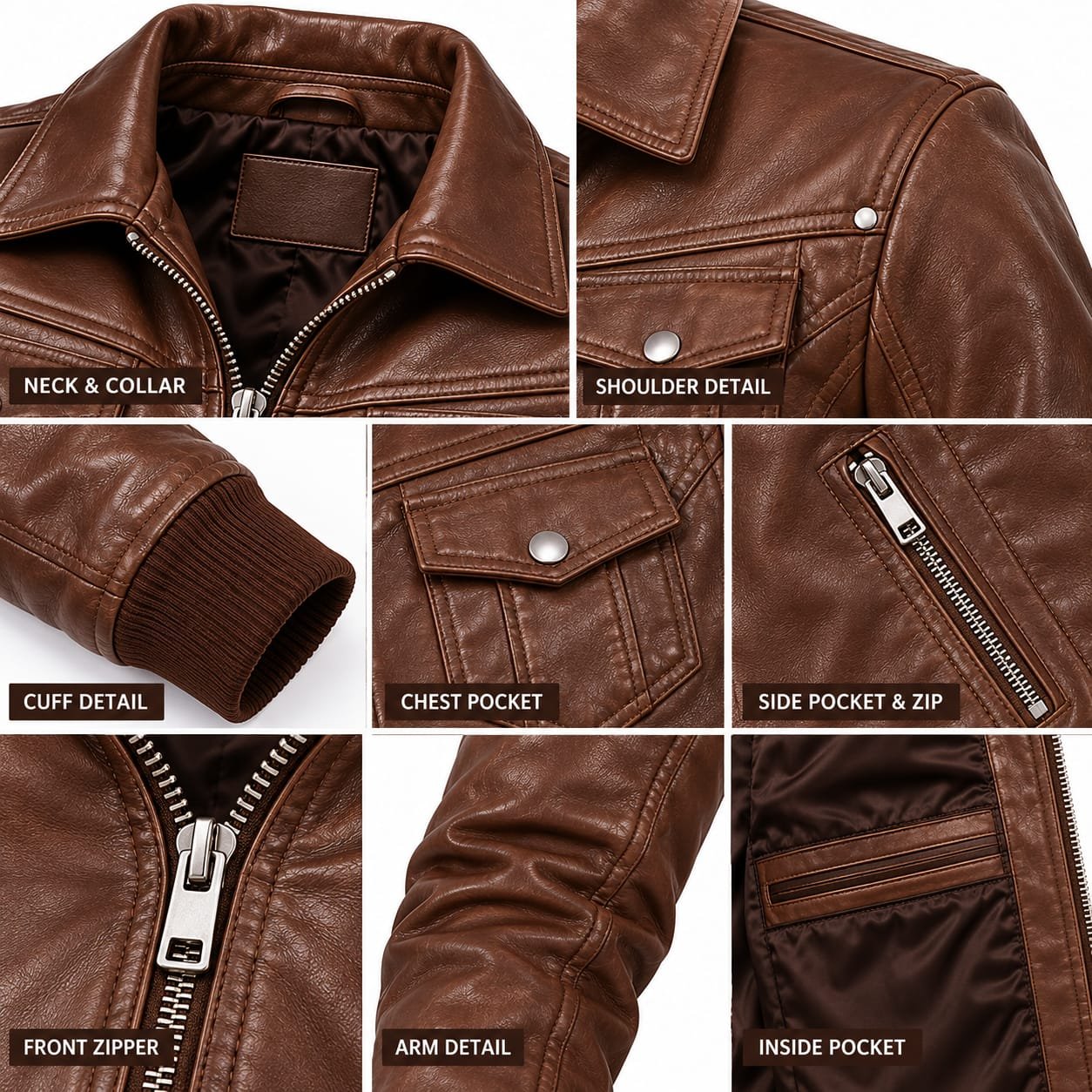
- Stitching consistency
- Seam strength
- Pocket construction
- Zipper installation
- Snap and button quality
- Sleeve construction
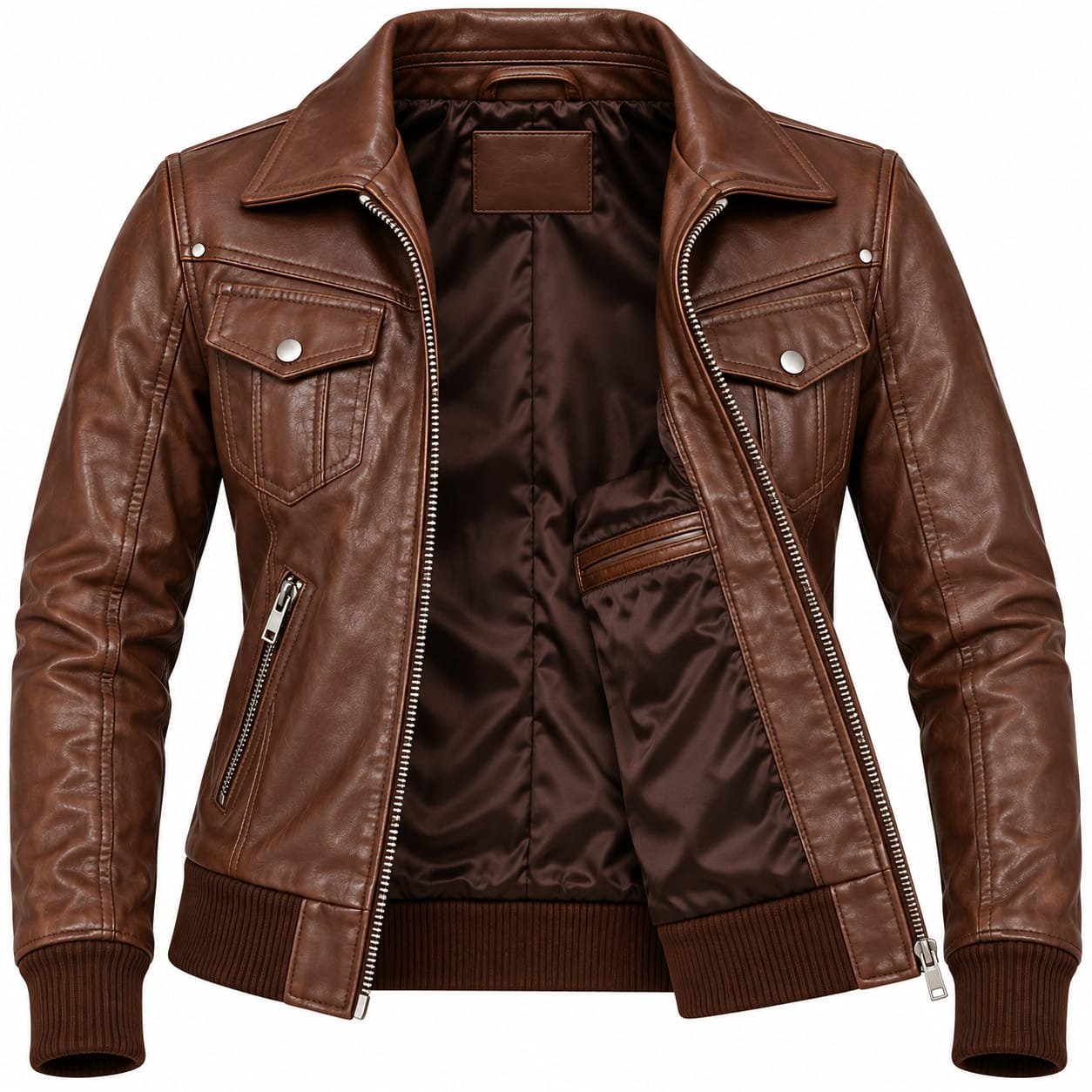
- Lining
- Edge finishing
- Pattern accuracy
- Size consistency
Experienced leather buyers often recommend checking construction details such as stitching, pocket corners, seams, zippers, buttons and lining instead of judging a jacket only by the leather label.
This is particularly important for brands ordering private-label production.
9. Ask These Questions Before Ordering Custom Jackets
Before approving production, a fashion brand should confirm:
What type of leather is being used?
What is the approximate thickness?
Is it full-grain, top-grain, corrected-grain or another construction?
What finish will be applied?
What color is required?
What lining will be used?
What hardware specification is required?
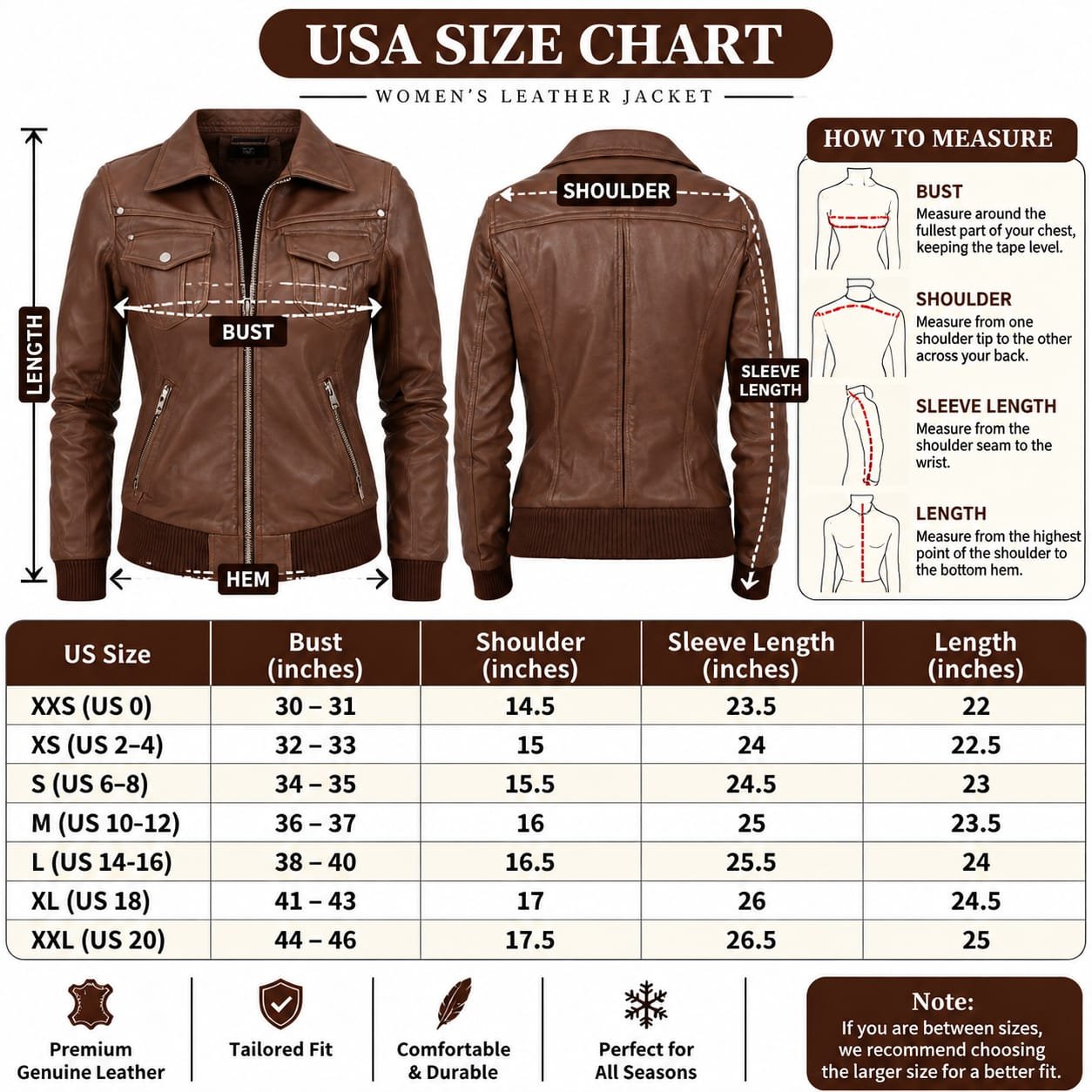
What measurements and size grading will be followed?
Can a sample be approved before bulk production?
These questions can help prevent misunderstandings between a brand and manufacturer.
10. Choosing Leather for USA and European Markets
USA and European customers are not all looking for the same leather jacket.
A motorcycle-focused customer may prioritize durability and structure, while a fashion customer may prioritize softness, weight and appearance.
For fall and winter collections, brands can also consider heavier constructions, shearling details and warmer linings.
For spring collections, lightweight lambskin or lighter leather constructions may be more appropriate.
The best approach is to build your material selection around the customer, climate, product category and price point.
Custom Leather Jacket Manufacturing with Zentro Leather
Choosing the right leather is only the beginning of developing a successful leather jacket.
A complete product specification should also cover the pattern, fit, leather color, finish, lining, zipper, buttons, pockets, stitching, labels and packaging.
At Zentro Leather, brands can develop custom leather jackets according to their design requirements. Custom options can include leather selection, colors, finishes, hardware, measurements, branding and private-label production.
Whether you are developing a women’s leather bomber jacket, men’s biker jacket, vintage flight jacket, oversized streetwear jacket or premium fashion collection, the material should be selected according to the final product’s purpose.
Final Thoughts
There is no universal “best” leather for every custom jacket.
Lambskin is a strong choice when softness, light weight and fashion appeal are priorities.
Cowhide is a practical option when durability, structure and rugged styling matter.
Full-grain leather is attractive for brands seeking natural grain, premium character and a heritage appearance.
The key is to match the leather to the jacket design, customer, climate, intended use and target price rather than choosing a material simply because it sounds premium.
For fashion brands in the USA and Europe, a well-planned leather specification can make a significant difference in the final appearance and customer experience.
Zentro Leather helps brands turn leather jacket concepts into custom manufactured products for private-label and wholesale collections.