
Leather Jacket Buying Guide: 10 Tips to Choose the Perfect Jacket
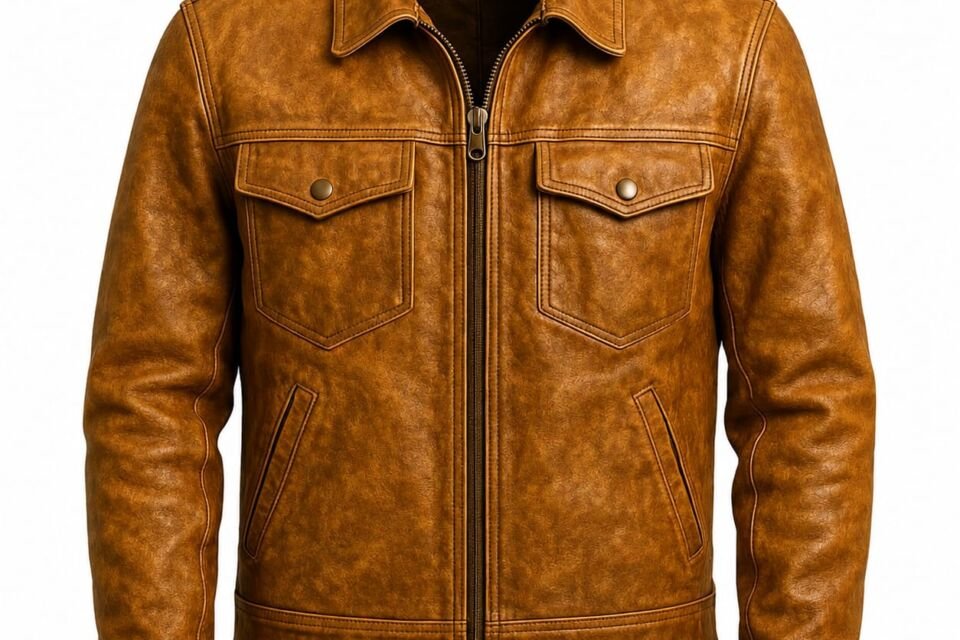
Leather Jacket Buying Guide: A great leather jacket isn’t just an outfit, it’s an investment. Choosing the right leather jacket starts with understanding leather types, fit, quality, and craftsmanship.— it’s an investment. Worn right, it can last a decade or more, aging beautifully with every wear. But with so many leathers, cuts, and finishes on the market, picking the right one can feel overwhelming. Here’s what actually matters.
1. Know Your Leather Type
Not all leather is created equal, and the type you choose determines how the jacket looks, feels, and holds up over time.
- Full-grain leather — The top layer of the hide, left mostly unaltered. It’s the most durable option and develops a rich patina over the years. This is the gold standard for a jacket that’s meant to last.
- Top-grain leather — Slightly sanded and treated for a more uniform look. Softer and more affordable than full-grain, while still holding up well to daily wear.
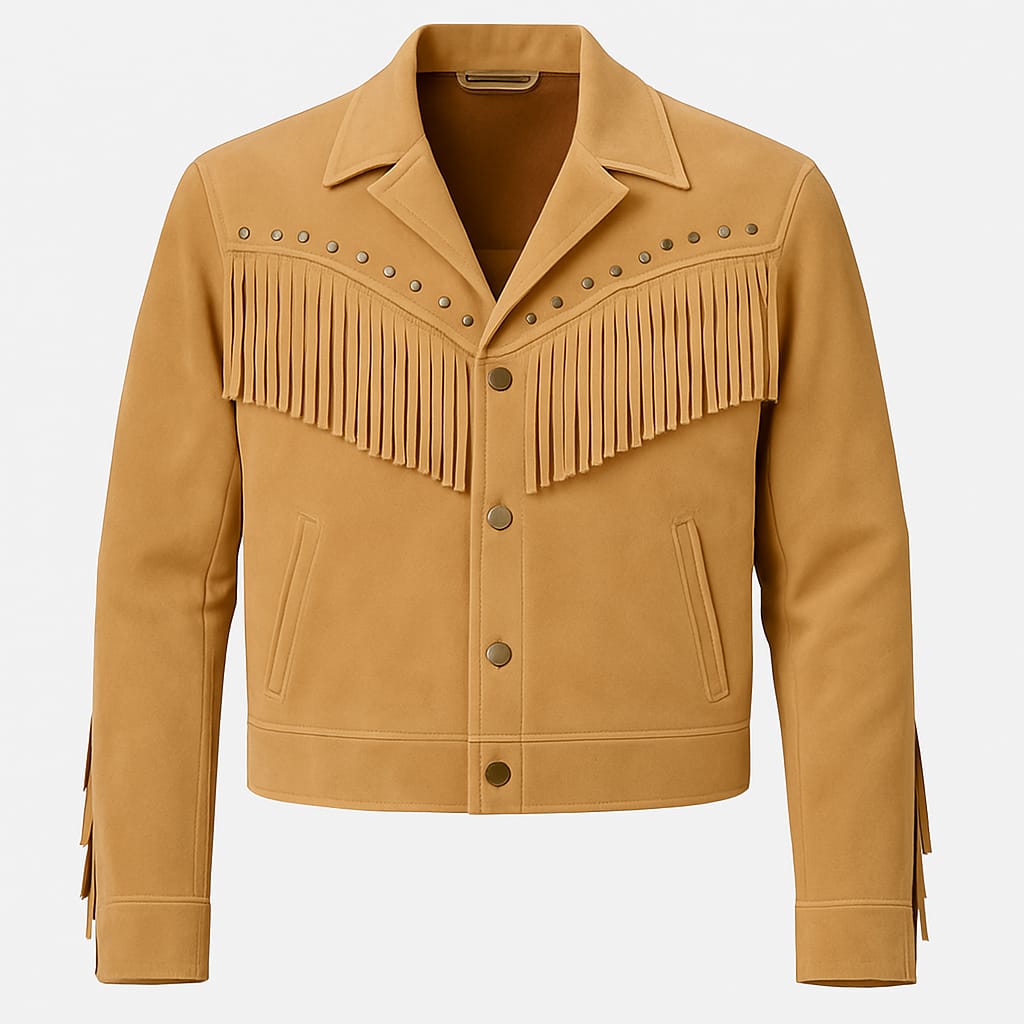
- Suede — Made from the underside of the hide, giving it a soft, napped texture. Beautiful for a western or fringe-style jacket, but needs a bit more care around water and stains.
- Shearling — Leather with the wool lining left intact, ideal for genuine cold-weather warmth without needing a separate liner.
Tip: If you’re buying for everyday wear across multiple seasons, full-grain or top-grain leather is the safer long-term choice.
2. Pick a Style That Matches Your Life, Not Just the Trend
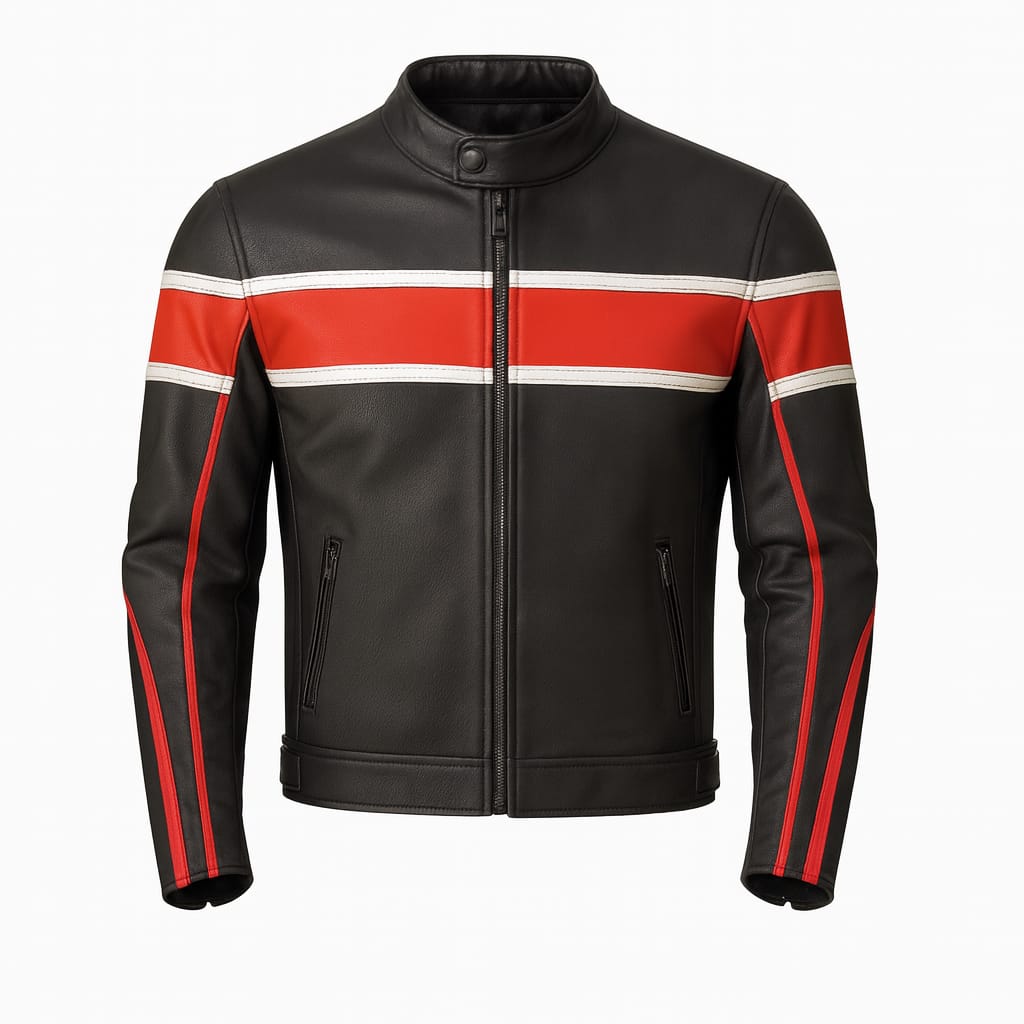
- Biker jackets — Fitted, edgy, usually with asymmetrical zips and hardware. Great for a bold, casual look.
- Varsity jackets — Wool body with leather sleeves, a classic collegiate silhouette. Easy to dress up or down.
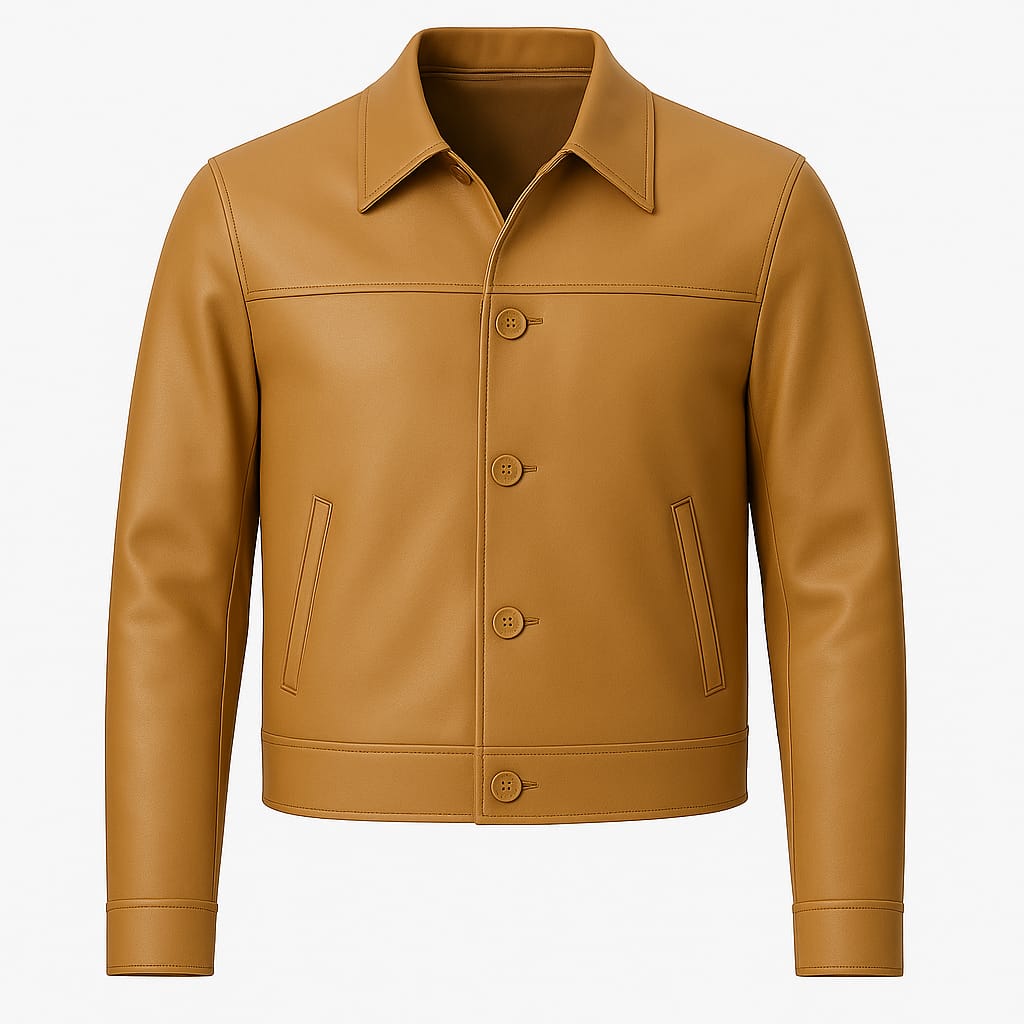
- Classic/fashion jackets — Clean lines, minimal hardware, built to pair with almost anything in your wardrobe.
- Winter/shearling jackets — Heavier weight, built for warmth first, style second.
Ask yourself: will this jacket be your everyday layer, a statement piece for weekends, or built specifically for winter? The answer narrows your choices fast.
3. Get the Fit Right
Leather doesn’t stretch the way fabric does, so fit matters more here than with almost any other garment.
- Shoulders should sit right at your natural shoulder line — not drooping, not tight.
- Sleeves should end at your wristbone, leaving room for a shirt underneath.
- Leave a little room in the chest and torso for layering, but avoid anything boxy — leather looks best with a defined shape.
- If you’re between sizes, size down slightly. Leather softens and relaxes with wear.
4. Check the Details That Signal Quality
- Stitching — Even, tight, and reinforced at stress points (underarms, pockets, seams).
- Hardware — Zippers and snaps should feel solid, not flimsy. YKK or similar branded zippers are a good sign.
- Lining — A quality lining (polyester, viscose, or quilted for warmth) helps the jacket slide on smoothly and last longer.
- Smell and texture — Genuine leather has a distinct, natural smell and a slightly uneven grain. Overly uniform, plasticky texture is a red flag.
5. Think About Care Before You Buy
A leather jacket is low-maintenance, but not no-maintenance. Before buying, consider:
- Will you condition it every few months to keep the leather supple?
- Do you have a proper hanger (padded, not wire) to store it on?
- Are you prepared to keep it away from direct heat and prolonged sun exposure?
If the answer is yes, you’re ready for a piece that will genuinely last for years.
Final Thought
The right leather jacket is one that fits your body, suits your lifestyle, and is built with materials that reward the investment. Take your time with the leather type and the fit — everything else is personal style.
Leather Jacket Buying Guide: How to Choose the Perfect Jacket
This leather jacket buying guide covers everything you need to know before you spend your money — because a great leather jacket isn’t just an outfit, it’s an investment. Worn right, it can last a decade or more, aging beautifully with every wear. But with so many leathers, cuts, and finishes on the market, picking the right one can feel overwhelming. Here’s what actually matters, step by step.
1. Know Your Leather Type
Not all leather is created equal, and the type you choose determines how the jacket looks, feels, and holds up over time.
- Full-grain leather — The top layer of the hide, left mostly unaltered. It’s the most durable option and develops a rich patina over the years. This is the gold standard for a jacket that’s meant to last.
- Top-grain leather — Slightly sanded and treated for a more uniform look. Softer and more affordable than full-grain, while still holding up well to daily wear.
- Suede — Made from the underside of the hide, giving it a soft, napped texture. Beautiful for a western or fringe-style jacket, but needs a bit more care around water and stains.
- Shearling — Leather with the wool lining left intact, ideal for genuine cold-weather warmth without needing a separate liner.
Tip: If you’re buying for everyday wear across multiple seasons, full-grain or top-grain leather is the safer long-term choice.
2. Pick a Style That Matches Your Life, Not Just the Trend
The second step in any solid leather jacket buying guide is matching the style to your actual lifestyle, not just what’s trending this season. A jacket you’ll wear twice a week should be judged differently than one you’re buying for a single event.
- Biker jackets — Fitted, edgy, usually with asymmetrical zips and hardware. Great for a bold, casual look.
- Varsity jackets — Wool body with leather sleeves, a classic collegiate silhouette. Easy to dress up or down.
- Classic/fashion jackets — Clean lines, minimal hardware, built to pair with almost anything in your wardrobe.
- Winter/shearling jackets — Heavier weight, built for warmth first, style second.
Ask yourself: will this jacket be your everyday layer, a statement piece for weekends, or built specifically for winter? The answer narrows your choices fast.
3. Get the Fit Right
Leather doesn’t stretch the way fabric does, so fit matters more here than with almost any other garment.
- Shoulders should sit right at your natural shoulder line — not drooping, not tight.
- Sleeves should end at your wristbone, leaving room for a shirt underneath.
- Leave a little room in the chest and torso for layering, but avoid anything boxy — leather looks best with a defined shape.
- If you’re between sizes, size down slightly. Leather softens and relaxes with wear.
4. Check the Details That Signal Quality
- Stitching — Even, tight, and reinforced at stress points (underarms, pockets, seams).
- Hardware — Zippers and snaps should feel solid, not flimsy. YKK or similar branded zippers are a good sign.
- Lining — A quality lining (polyester, viscose, or quilted for warmth) helps the jacket slide on smoothly and last longer.
- Smell and texture — Genuine leather has a distinct, natural smell and a slightly uneven grain. Overly uniform, plasticky texture is a red flag.
5. Think About Care Before You Buy
A leather jacket is low-maintenance, but not no-maintenance. Before buying, consider:
- Will you condition it every few months to keep the leather supple?
- Do you have a proper hanger (padded, not wire) to store it on?
- Are you prepared to keep it away from direct heat and prolonged sun exposure?
If the answer is yes, you’re ready for a piece that will genuinely last for years.
6. Buy From a Source You Trust
Even the best leather jacket buying guide can’t replace buying from a manufacturer that stands behind its craftsmanship. Look for sellers who are transparent about their materials, offer sampling before bulk orders, and hold recognized quality certifications. A trustworthy source will also be upfront about lead times, sizing, and return policies — details that matter just as much as the leather itself.
Final Thought
The right leather jacket is one that fits your body, suits your lifestyle, and is built with materials that reward the investment. If you take one thing away from this leather jacket buying guide, let it be this: spend your time on the leather type and the fit first — everything else is personal style, and personal style is something no guide can decide for you.
Leather Jacket Buying Guide
Looking for a premium leather jacket? Explore our collection to find handcrafted leather jackets made for style, comfort, and durability.