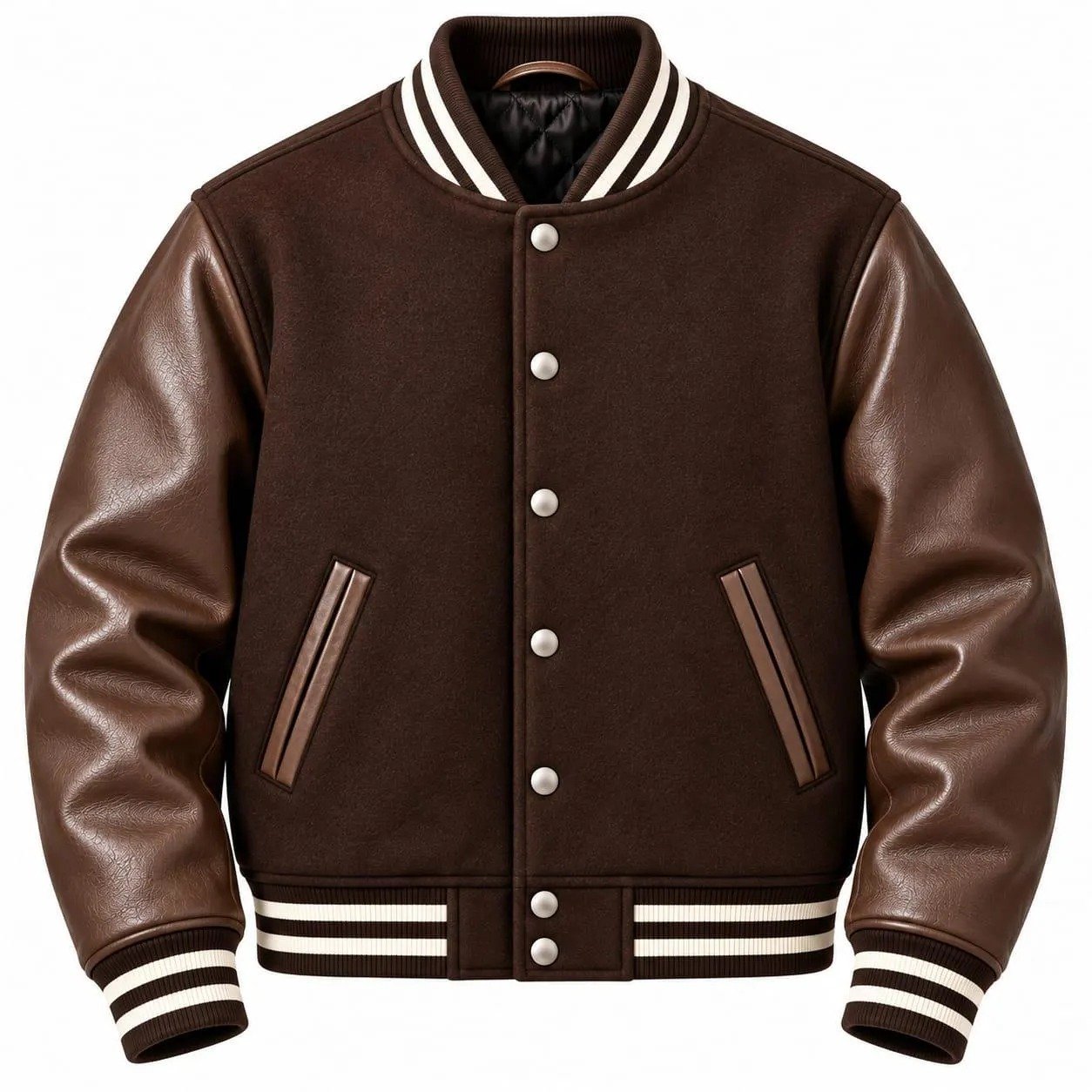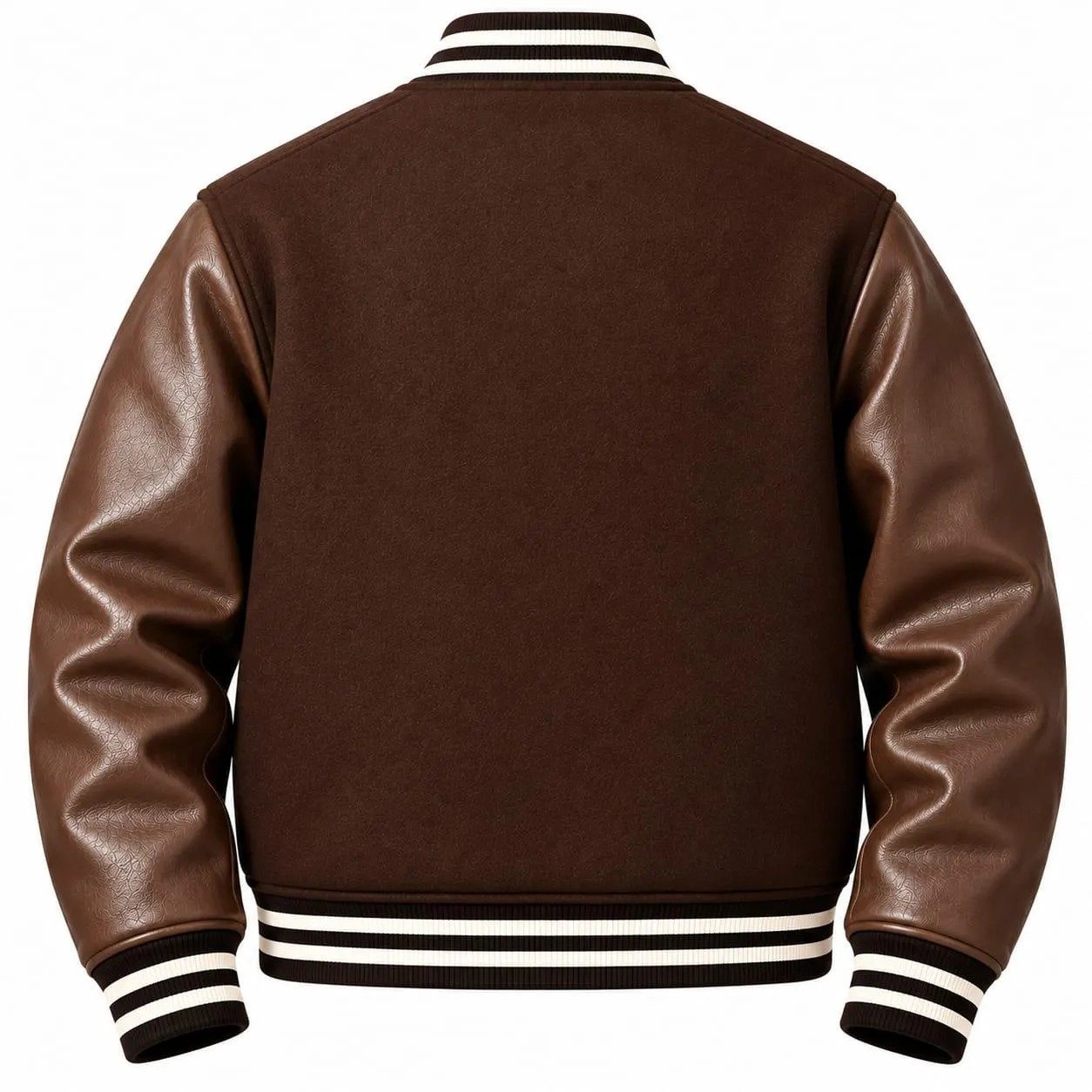
How Long Does a Leather Jacket Last? A Complete Guide to Leather Quality, Durability & Care
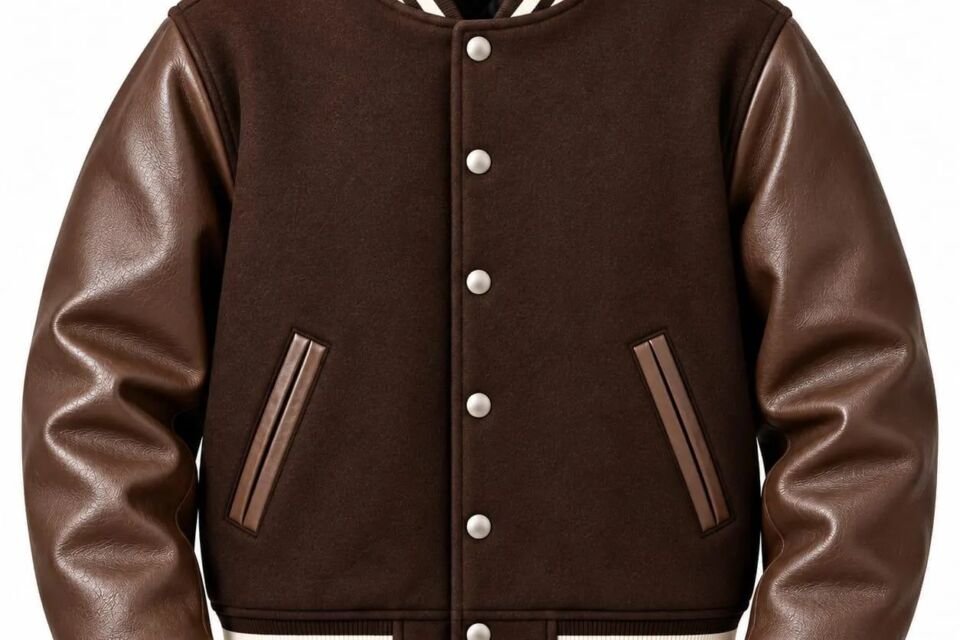
A leather jacket is more than just an outerwear purchase. It is a long-term wardrobe investment that can remain stylish and functional for many years when made with quality materials and maintained correctly. But one question many buyers ask before purchasing is: How long does a leather jacket last?
The answer depends on several factors, including leather quality, construction, stitching, lining, usage and storage conditions. Some leather jackets may last only a few years, while well-made jackets can remain wearable for decades.
At Zentro Leather, we understand that durability matters just as much as appearance. Whether you are purchasing a leather jacket for personal use or sourcing products for your clothing brand, understanding leather quality helps you make a better decision.
1. How Many Years Does a Leather Jacket Last?
A leather jacket can last anywhere from 5 to 30 years or longer, depending on its material quality, manufacturing standards and care.
Here is a general durability guide:
| Leather Jacket Type | Potential Lifespan |
|---|---|
| Low-quality bonded leather | 2–5 years |
| Synthetic leather | 2–5 years |
| Genuine split leather | 5–10 years |
| Quality genuine leather | 10–20 years |
| Premium full-grain leather | 20–30+ years |
These are approximate estimates, not guaranteed lifespans. Actual performance varies with leather processing, thickness, construction and usage.
2. What Factors Affect Leather Jacket Durability?
Not every leather jacket is manufactured to the same standard. Several important factors determine how long a jacket will last.
Leather Quality
The type and quality of leather are among the biggest factors affecting durability.
Full-grain leather retains its natural grain and is generally valued for its strength and ability to develop a natural patina over time.
Top-grain leather has a refined surface and offers a balance between appearance, flexibility and durability.
Split leather is produced from the lower layers of the hide. Its performance depends heavily on processing and finishing.
Synthetic leather uses manufactured materials rather than animal hide. Its durability varies by coating and construction, and some products may peel or crack over time.
Stitching and Construction
Strong stitching helps prevent seams from opening during regular wear.
Buyers should pay attention to:
- Consistent stitching throughout the jacket
- Reinforced stress points
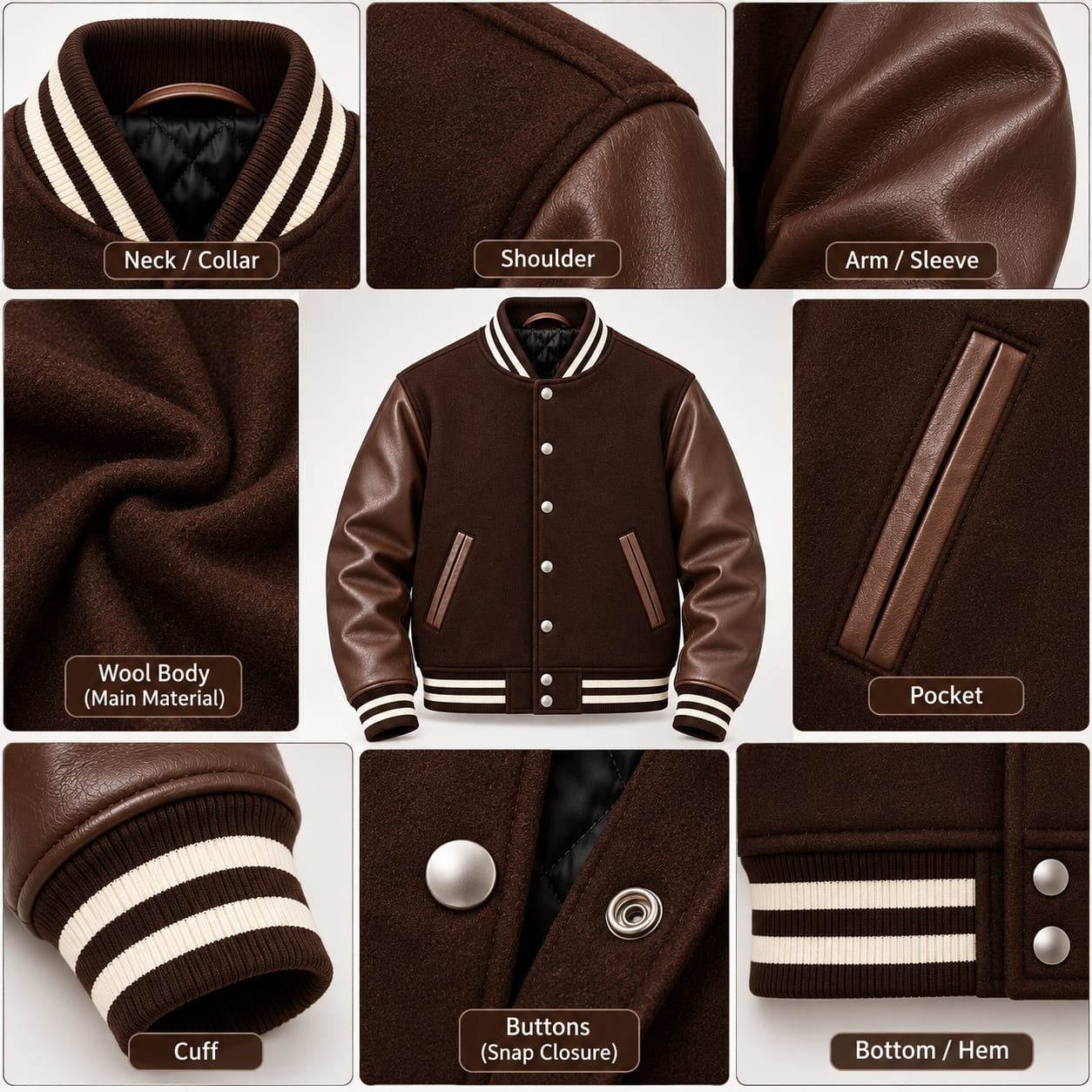
- Properly attached sleeves
- Strong pocket construction
- Quality zipper and snap-button installation
Good leather alone cannot compensate for poor manufacturing.
Lining Quality
The interior lining affects comfort and the overall performance of a jacket.
A properly constructed lining should sit smoothly inside the garment without excessive pulling or loose seams. Quality lining materials also help improve everyday wearability.
3. Which Leather Is Best for a Long-Lasting Jacket?
Different leather types offer different advantages.
Full-Grain Leather: A strong choice for buyers looking for long-term durability and natural character.
Top-Grain Leather: Suitable for people who prefer a refined finish with a balance of durability and flexibility.
Lambskin Leather: Known for its soft, lightweight feel and luxurious appearance. It requires more careful handling than many heavier leather options.
Cowhide Leather: Commonly used in motorcycle jackets and heavier outerwear because of its strength and substantial feel.
Sheepskin Leather: Often selected for its softness and comfort, particularly in premium casual jackets.
The best choice depends on the intended use, design, budget and expected maintenance.
4. How to Make a Leather Jacket Last Longer
Proper maintenance can significantly extend the useful life of a leather jacket.
Keep It Away from Excessive Moisture
Leather should not remain wet for extended periods. If your jacket gets wet, gently wipe away surface moisture and allow it to dry naturally at room temperature.
Avoid direct heat, radiators and hair dryers.
Store It Properly
Use a wide, padded hanger to maintain the jacket’s shoulder shape.
Keep it in a cool, dry and ventilated wardrobe. Avoid tightly sealed plastic storage bags because trapped moisture can encourage mould.
Clean It Carefully
Use a soft, dry cloth for regular surface cleaning.
For deeper cleaning, use a leather-specific cleaner suitable for the leather finish. Always test it on a small, hidden area first.
Apply Leather Conditioner When Needed
Leather conditioning products can help maintain flexibility and reduce dryness.
Use a conditioner appropriate for your leather type and follow the manufacturer’s instructions. Over-conditioning can also damage certain finishes.
Avoid Prolonged Direct Sunlight
Extended exposure to strong sunlight can cause fading, drying and changes in the leather’s appearance.
Store your jacket away from direct sunlight when it is not being worn.
5. Signs That Your Leather Jacket Is Losing Its Quality
Knowing the warning signs can help you identify when a jacket needs maintenance or repair.
Look for:
- Cracking or peeling on the surface
- Dry and stiff leather
- Loose or damaged stitching
- Broken zippers or snap buttons
- Torn inner lining
- Discoloration caused by improper storage
- Damaged seams around pockets and sleeves
Minor issues can often be repaired before they become more serious.
6. Is an Expensive Leather Jacket Always More Durable?
Not necessarily.
A higher price does not automatically guarantee better leather or construction. Some jackets are expensive because of brand positioning, design or marketing rather than superior manufacturing.
Before buying, check:
- What type of leather is used?
- Is the leather genuine or synthetic?
- How are the seams constructed?
- What quality of hardware is installed?
- Is the lining properly finished?
- Does the seller provide accurate material information?
A transparent product specification is more useful than simply relying on a premium price tag.
7. What Should Clothing Brands Look for When Sourcing Leather Jackets?
For clothing brands, retailers and fashion businesses, durability is also an important part of product quality and customer satisfaction.
When choosing a leather jacket manufacturer, consider the following:
Material Selection: Confirm the leather type, thickness, finish and consistency before production.
Sample Development: Request a sample to evaluate the actual material, fit, stitching and construction.
Quality Control: Inspect seams, pockets, zippers, lining and finishing before approving bulk production.
Customization: Discuss custom colors, labels, hardware, patterns and branding requirements.
Production Consistency: Ensure that approved samples and bulk orders follow the same material and construction specifications.
At Zentro Leather, we work with clothing brands and businesses interested in custom leather apparel manufacturing. Our focus includes material selection, product development and customized manufacturing solutions.
Explore our [Leather Jackets Collection] and [Custom Leather Manufacturing Services] to learn more about our product range and manufacturing capabilities.
8. Frequently Asked Questions
Can a leather jacket last 20 years?
Yes. A well-made jacket using quality leather can last 20 years or longer with appropriate maintenance and storage.
Does genuine leather crack over time?
Genuine leather can become dry and develop cracks if exposed to excessive heat, moisture, neglect or unsuitable cleaning products. Proper care helps reduce these problems.
Is full-grain leather better than top-grain leather?
Full-grain leather retains more of the natural grain and is generally preferred for its durability and natural aging. Top-grain leather offers a more refined surface and can also provide excellent performance.
How often should I condition my leather jacket?
There is no fixed schedule for every leather type. Condition it when the leather shows signs of dryness, using a suitable product and following its instructions.
Can an old leather jacket be restored?
Many older leather jackets can be improved through professional cleaning, conditioning, stitching repairs and hardware replacement. However, severely damaged leather may not be fully restorable.
Is a leather jacket worth the investment?
For buyers who value durability, timeless styling and long-term wear, a quality leather jacket can be a worthwhile purchase.
Final Thoughts
A leather jacket can remain part of your wardrobe for many years, but its lifespan depends on more than just the leather itself. Material selection, stitching, lining, hardware, manufacturing quality and proper maintenance all play an important role.
Before purchasing, look beyond appearance and price. Understand the materials, inspect the construction and choose a jacket that suits your intended use.
At Zentro Leather, we believe that good leather outerwear starts with thoughtful material selection and careful manufacturing.
Leather Jackets Collection
Your leather jacket category
Custom Leather Manufacturing Services
Your manufacturing page
Genuine Leather Jackets
Relevant product/category
Leather Jacket Collection for Men
Men’s collection