How Leather Jacket Manufacturers Calculate Wholesale Prices
When buying custom leather jackets in wholesale quantities, one of the first questions buyers usually ask is: How much does a leather jacket cost to manufacture?
There is no single fixed price for a custom leather jacket. The final wholesale price depends on several factors, including the type of leather, jacket design, quantity, hardware, lining, branding, workmanship, and packaging.
Understanding these factors can help brands, retailers, wholesalers, and private-label businesses compare quotations more accurately and plan their production budget.
What Determines the Wholesale Price of a Leather Jacket?
A leather jacket manufacturer’s wholesale price is usually based on the total cost of materials, manufacturing, labor, production requirements, and the order quantity.
The main factors include:
- Leather type and quality
- Leather consumption
- Jacket design and construction
- Quantity ordered
- Lining material
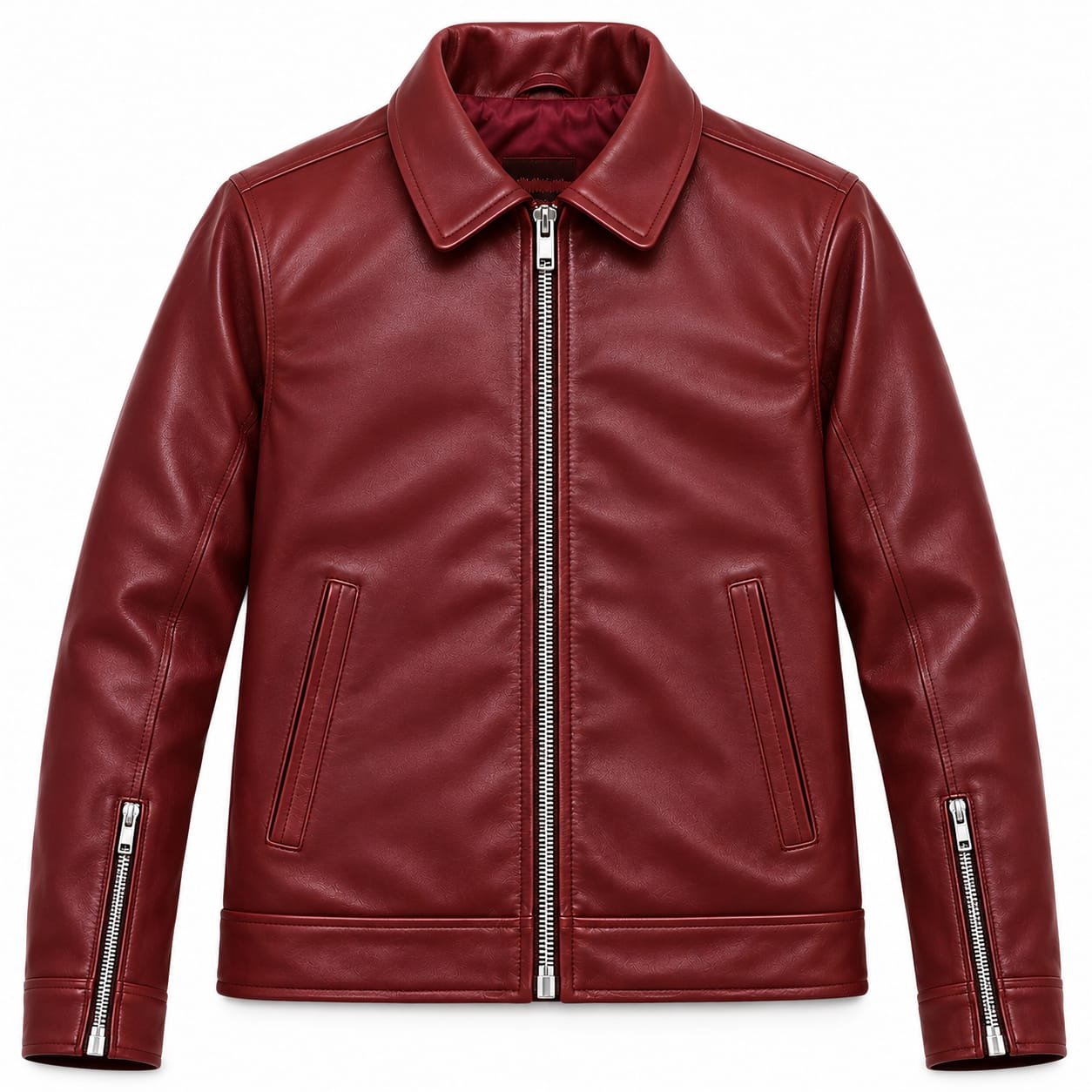
- Zippers and hardware
- Custom branding
- Embroidery or printing
- Packaging
- Pattern development
- Sample development
- Special finishing requirements
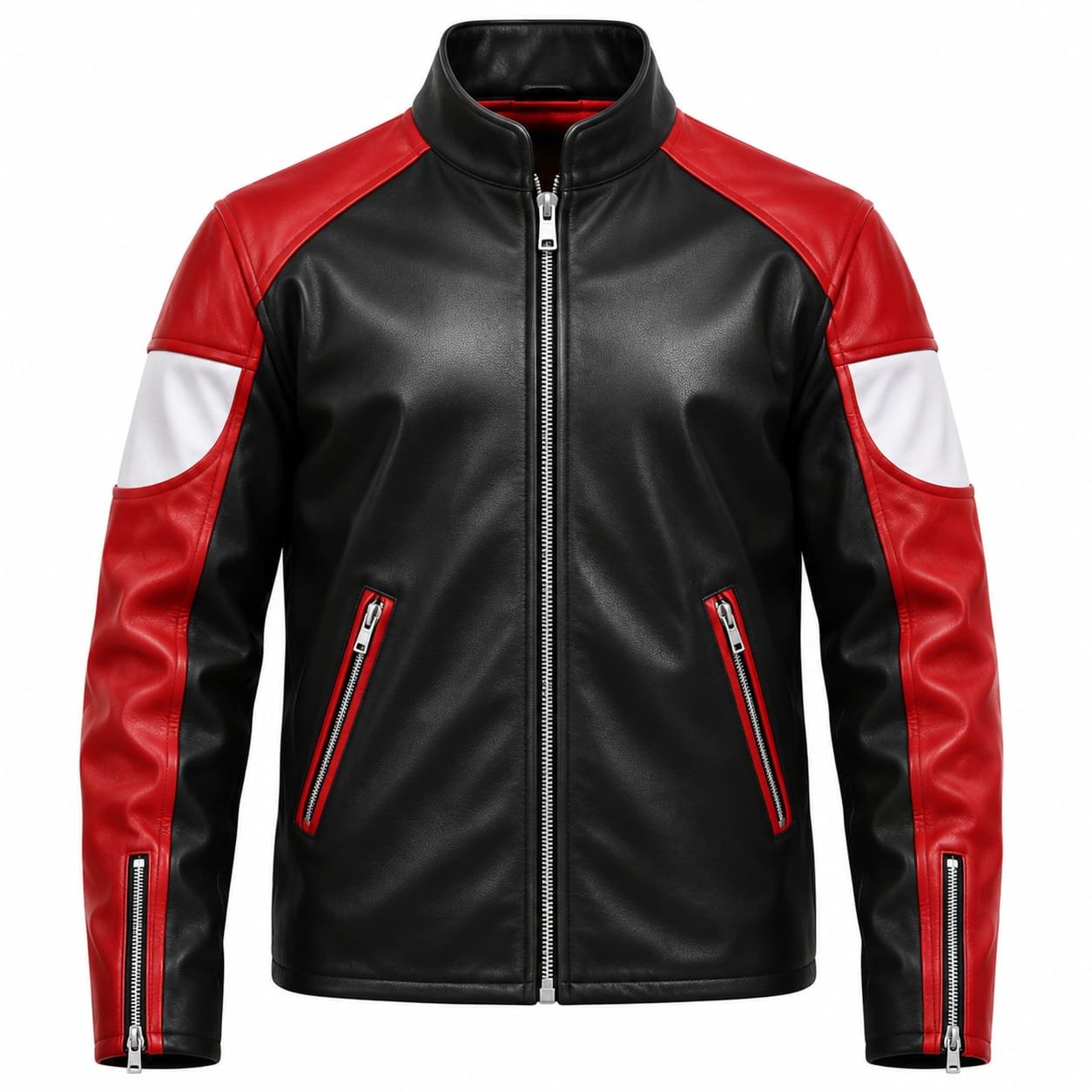
Two jackets that look similar in photographs can have significantly different production costs because the materials and construction may be different.
1. Type of Leather
Leather is usually one of the biggest factors affecting the production cost of a jacket.
Different leather types have different prices and characteristics.
Common options include:
- Lambskin leather
- Cowhide leather
- Goatskin leather
- Sheepskin
- Full-grain leather
- Suede
- Nubuck
- Distressed leather
For example, a lightweight soft leather jacket can have a different material cost from a heavy motorcycle jacket made from thicker cowhide.
The quality, thickness, finish, grain, and origin of the leather can also affect the price.
2. Amount of Leather Required
The manufacturer does not calculate the cost only by looking at the jacket’s final size.
The total leather consumption depends on the pattern and design.
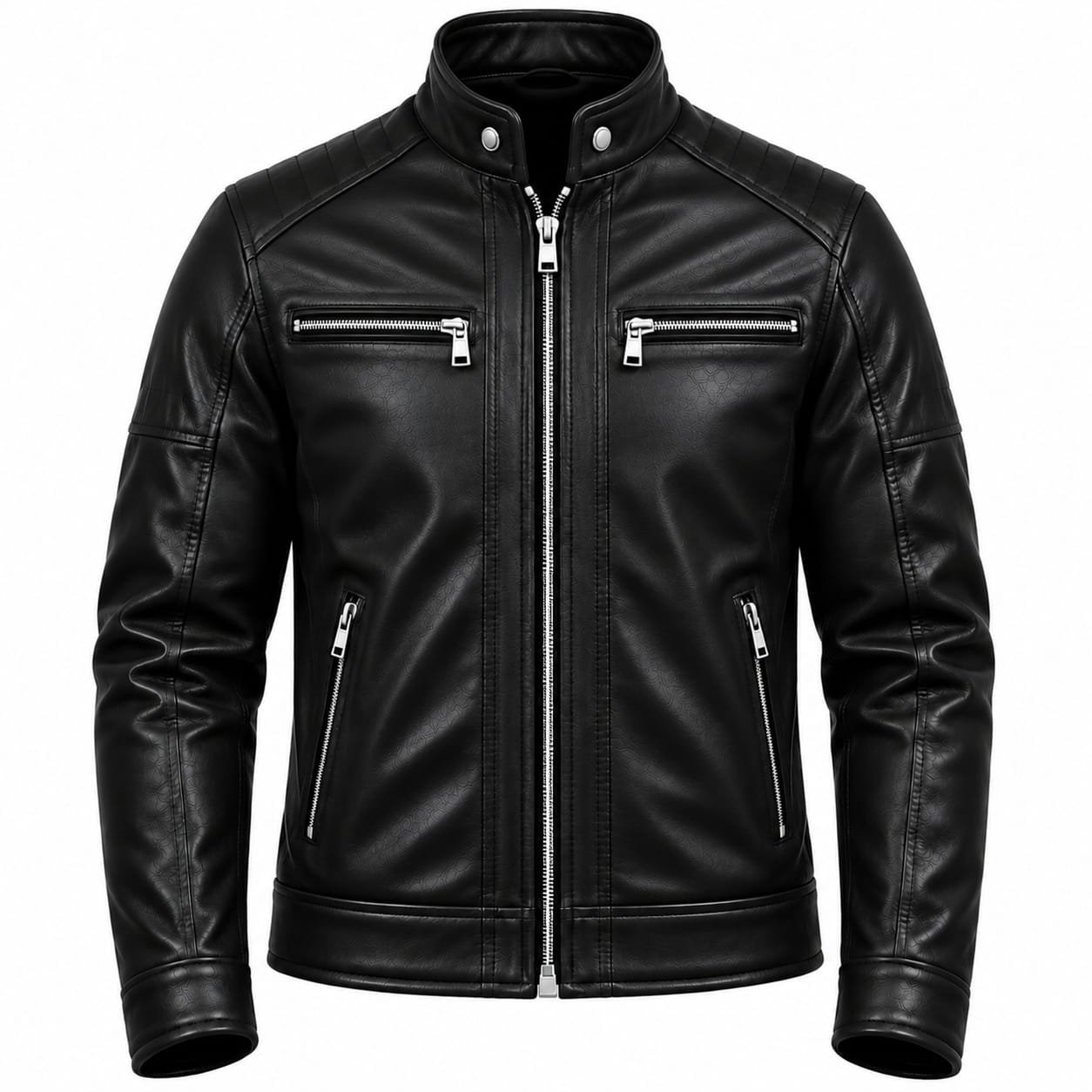
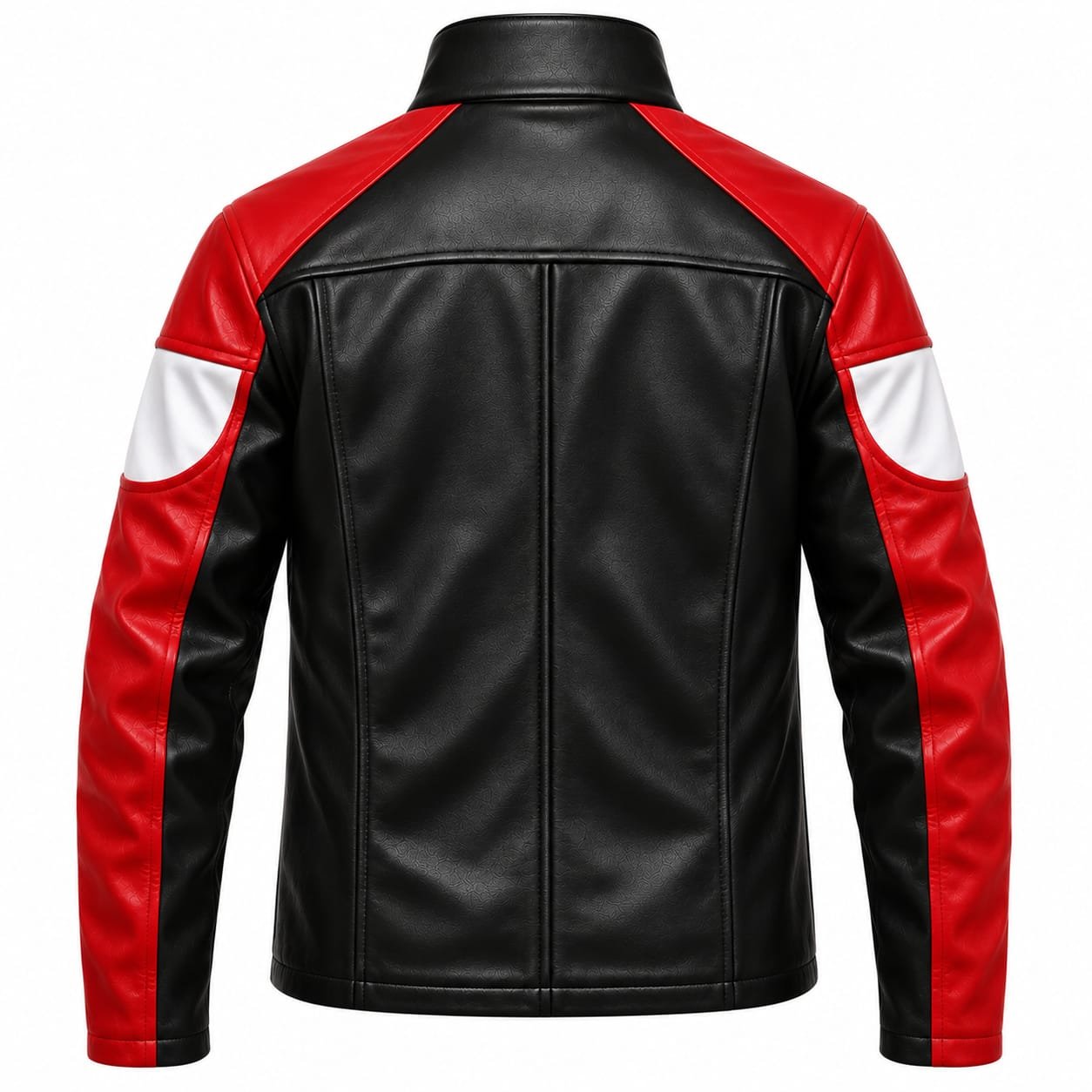
A jacket with large panels, oversized sleeves, multiple pockets, a longer body, or additional design elements can require more material.
Size grading can also affect material consumption.
For this reason, a larger jacket or a complex design may cost more to manufacture than a simple jacket using less material.
3. Jacket Design and Construction
A simple leather jacket usually requires less production time than a highly detailed design.
Features that can increase manufacturing complexity include:
- Multiple pockets
- Quilted panels
- Decorative stitching
- Complex collars
- Adjustable cuffs
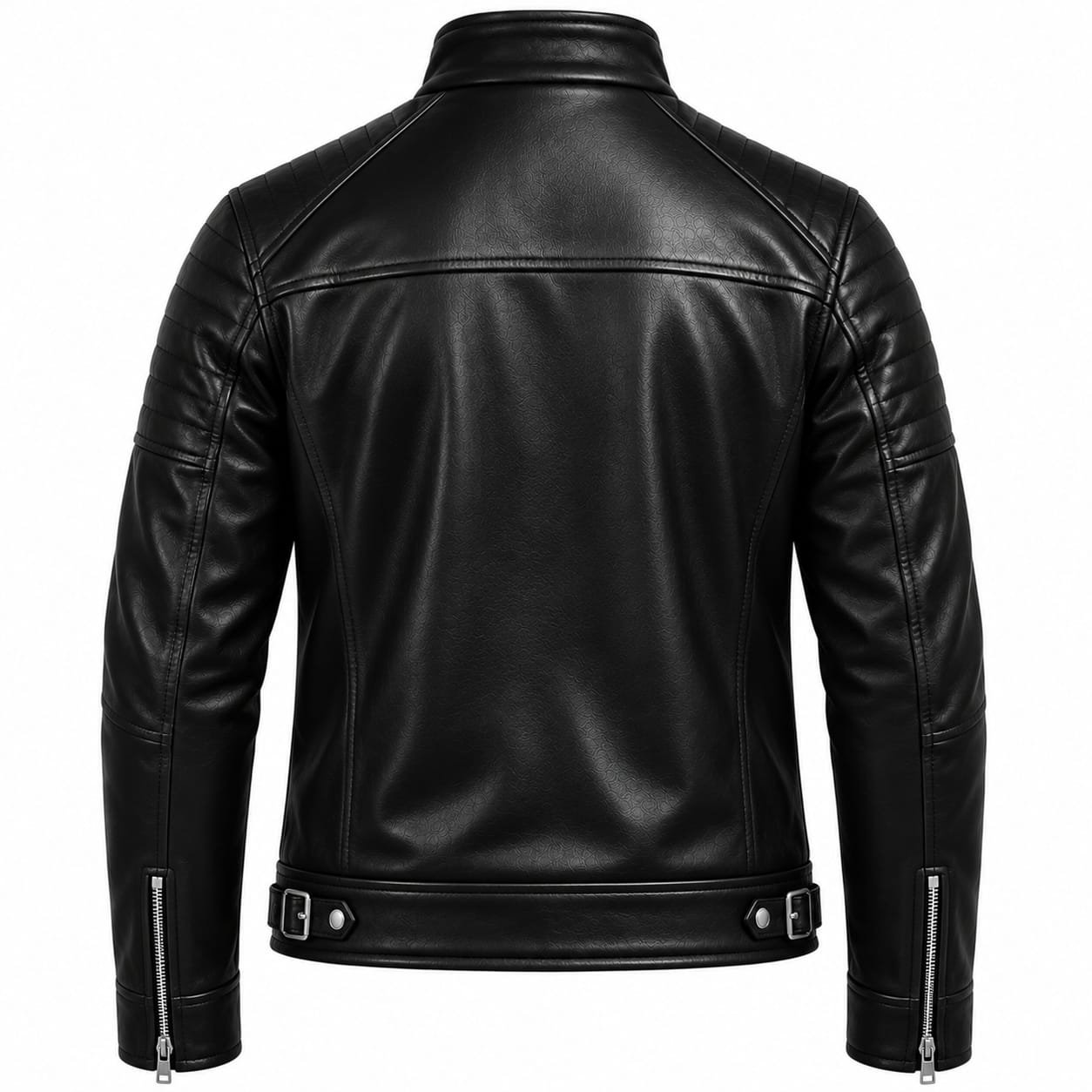
- Belt details
- Multiple zippers
- Reinforced panels
- Special seams
- Motorcycle protection features
- Custom hardware
The more complicated the construction, the more cutting and sewing operations may be required.
4. Order Quantity
Quantity has a major impact on wholesale pricing.
A manufacturer may quote a different price for 10 pieces, 50 pieces, 100 pieces, 250 pieces, or a larger production run.
This is because production costs can be distributed across a larger number of units.
For example, pattern preparation, production setup, material purchasing, and certain labor costs may have a lower impact per unit when the order quantity increases.
This is why buyers should always provide the expected quantity when requesting a quotation.
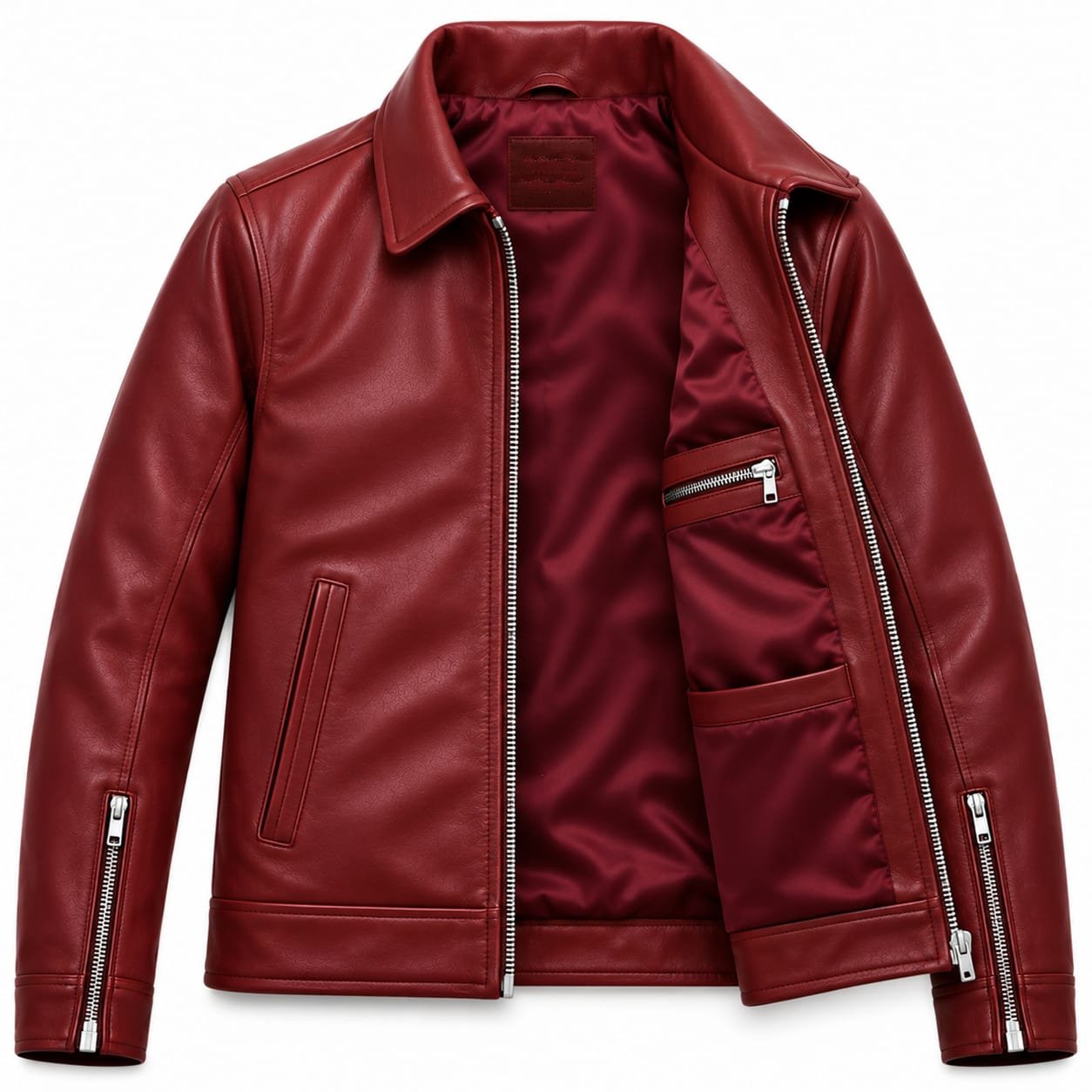
5. Lining Material
The lining is another component that contributes to the overall production cost.
Depending on the product, buyers may choose materials such as:
- Polyester lining
- Satin lining
- Cotton lining
- Quilted lining
- Mesh lining
- Specialized thermal lining
A premium lining can improve the feel and appearance of the finished jacket, but it can also increase the production cost.
6. Zippers and Metal Hardware
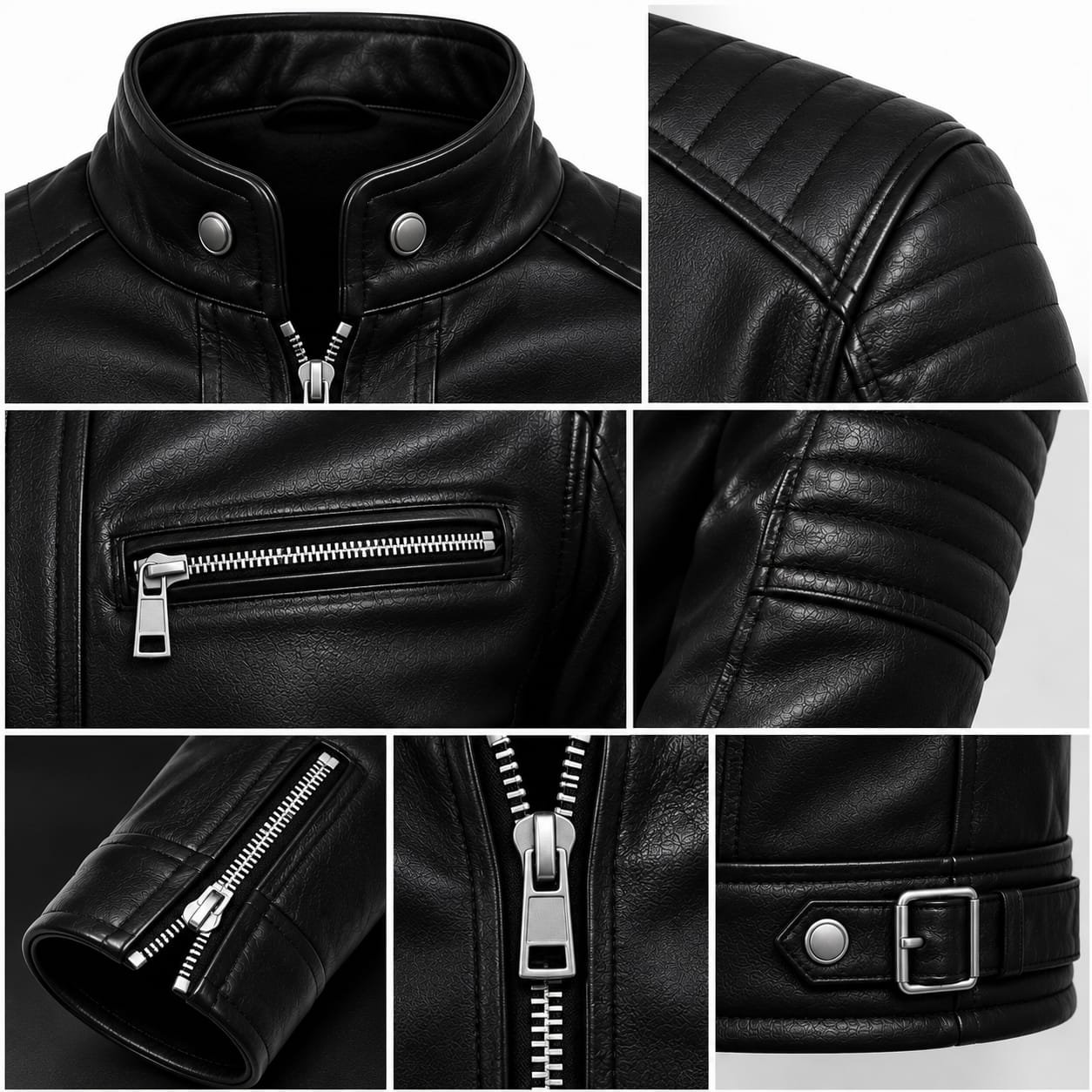
Zippers, buttons, snaps, buckles, eyelets, and other hardware can affect the final price.
A jacket with several metal zippers and custom hardware will normally require more components than a simple design.
Buyers requesting custom branded hardware should also consider tooling and development costs where applicable.
Hardware quality is important because low-quality components can affect both the appearance and durability of the finished jacket.
7. Custom Branding
Private-label brands often require custom branding.
This can include:
- Woven labels
- Neck labels
- Leather patches
- Embossed logos
- Printed logos
- Embroidery
- Custom zipper pulls
- Branded buttons
- Custom packaging
The cost depends on the type of branding, quantity, artwork requirements, and production method.
A simple woven label may have a very different cost from custom metal hardware or detailed embroidery.
8. Sample and Pattern Development
A custom leather jacket may require pattern development and sample production before bulk manufacturing.
The sample stage allows the buyer and manufacturer to confirm:
- Measurements
- Fit
- Leather
- Color
- Construction
- Hardware
- Branding
- Finishing
Sample development is usually treated separately from the bulk production price because a single custom sample does not benefit from the same economies of scale as a larger order.
9. Packaging Requirements
Packaging can also affect the wholesale price.
Standard packaging may be relatively simple, while premium brands may require:
- Custom garment bags
- Branded boxes
- Tissue paper
- Custom tags
- Printed packaging
- Luxury gift boxes
If packaging is part of the buyer’s requirements, it should be included in the quotation from the beginning.
10. Special Finishes
Some leather jackets require additional finishing processes.
Examples include:
- Distressed effects
- Wax finishes
- Vintage effects
- Special washing
- Hand finishing
- Embossing
- Custom surface treatments
These processes can require additional labor and materials, which can affect the final wholesale price.
Why Do Manufacturers Give Different Quotes?
It is common for buyers to receive different prices from different leather jacket manufacturers.
A lower price does not automatically mean a better deal.
The quotations may differ because manufacturers are using different:
- Leather qualities
- Leather thicknesses
- Linings
- Hardware
- Labor standards
- Production methods
- Packaging
- Quality-control procedures
For example, one supplier may quote a lower price using a lower-cost leather while another supplier may quote more for a higher-grade material.
Therefore, buyers should compare the complete product specification, not only the final price.
How to Request an Accurate Leather Jacket Quote
To receive a more accurate wholesale quotation, provide the manufacturer with as much information as possible.
A good RFQ should include:
Product Design
Send product images, sketches, technical drawings, or a tech pack.
Leather
Specify the preferred leather type, color, finish, and thickness if known.
Quantity
Tell the manufacturer how many pieces you want to order.
Size Range
Provide the required sizes and size distribution.
Branding
Explain your label, logo, embroidery, embossing, or hardware requirements.
Packaging
Mention whether you need standard or custom packaging.
Delivery Destination
The destination can be important when discussing shipping arrangements and delivery requirements.
The more complete the information, the easier it is for the manufacturer to prepare a meaningful quotation.
What Is Usually Included in a Wholesale Price?
This depends on the manufacturer’s quotation.
Before placing an order, buyers should ask what is included in the quoted price.
For example, confirm whether the price includes:
- Leather
- Lining
- Hardware
- Manufacturing labor
- Labels
- Branding
- Packaging
- Quality control
- Sample development
- Shipping
Do not assume that every quotation includes the same components.
Wholesale Price vs Retail Price
A manufacturer’s wholesale price is not the same as the final retail price.
A brand may purchase a jacket from a manufacturer and then add costs for:
- International shipping
- Customs or import charges
- Warehousing
- Marketing
- Photography
- Website costs
- Payment processing
- Customer service
- Returns
- Retail margin
Therefore, brands should calculate their complete landed cost before setting a retail price.
How Can Brands Reduce Production Costs?
There are several legitimate ways to control manufacturing costs without simply choosing the cheapest materials.
Increase Order Quantity
Larger production quantities can sometimes improve the per-unit manufacturing cost.
Simplify the Design
Reducing unnecessary construction details can decrease labor and material requirements.
Standardize Hardware
Using commonly available hardware can help avoid unnecessary custom-development costs.
Plan Materials Early
Clear specifications can reduce changes and production delays.
Use a Complete Tech Pack
A detailed tech pack helps reduce misunderstandings between the buyer and manufacturer.
Approve the Sample Before Bulk Production
Sample approval helps identify design problems before they affect the full order.
Questions Buyers Should Ask Before Accepting a Quote
Before placing a wholesale leather jacket order, ask:
- What type of leather is included?
- What leather thickness will be used?
- Is the lining included?
- Which zippers and hardware are included?
- Are labels included?
- Is custom branding included?
- Is packaging included?
- What quantity is the quotation based on?
- Is sample development included or separate?
- What quality-control process is used?
- What is the estimated production time?
- What shipping terms are available?
Getting these details in writing makes it easier to compare suppliers accurately.
Final Thoughts
The wholesale price of a leather jacket is influenced by much more than the leather itself.
Leather quality, material consumption, design complexity, order quantity, lining, hardware, branding, packaging, and production requirements can all affect the final manufacturing cost.
For brands and wholesalers, the best approach is to provide clear product specifications and compare quotations based on the complete specification rather than choosing a supplier solely because they offer the lowest price.
At Zentro Leather, buyers can discuss custom leather jacket designs, leather options, branding requirements, quantities, samples, and wholesale production requirements before moving forward with manufacturing.
If you are developing a new leather jacket collection or looking for a private-label manufacturing partner, providing your design and production requirements is the first step toward receiving a more accurate quotation.