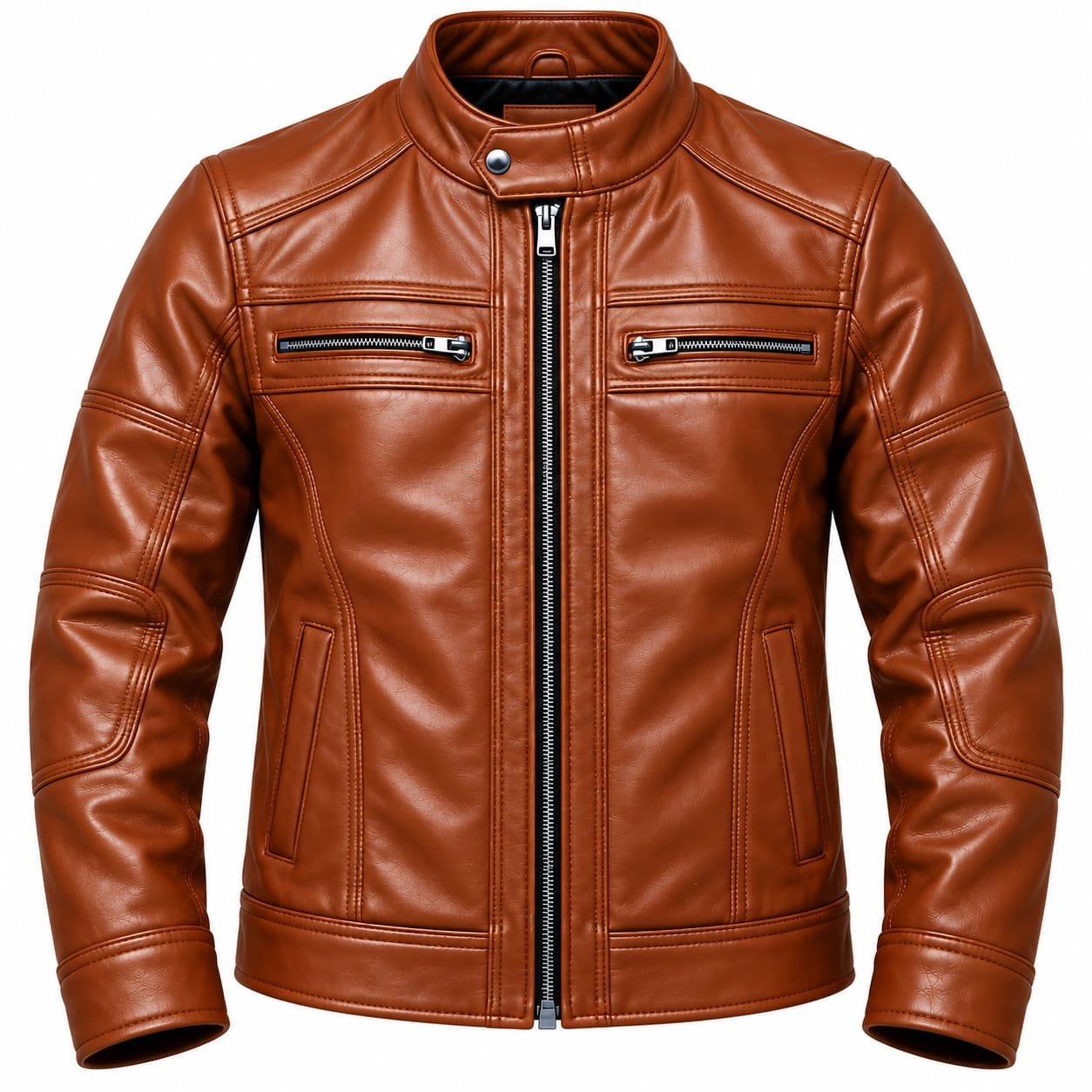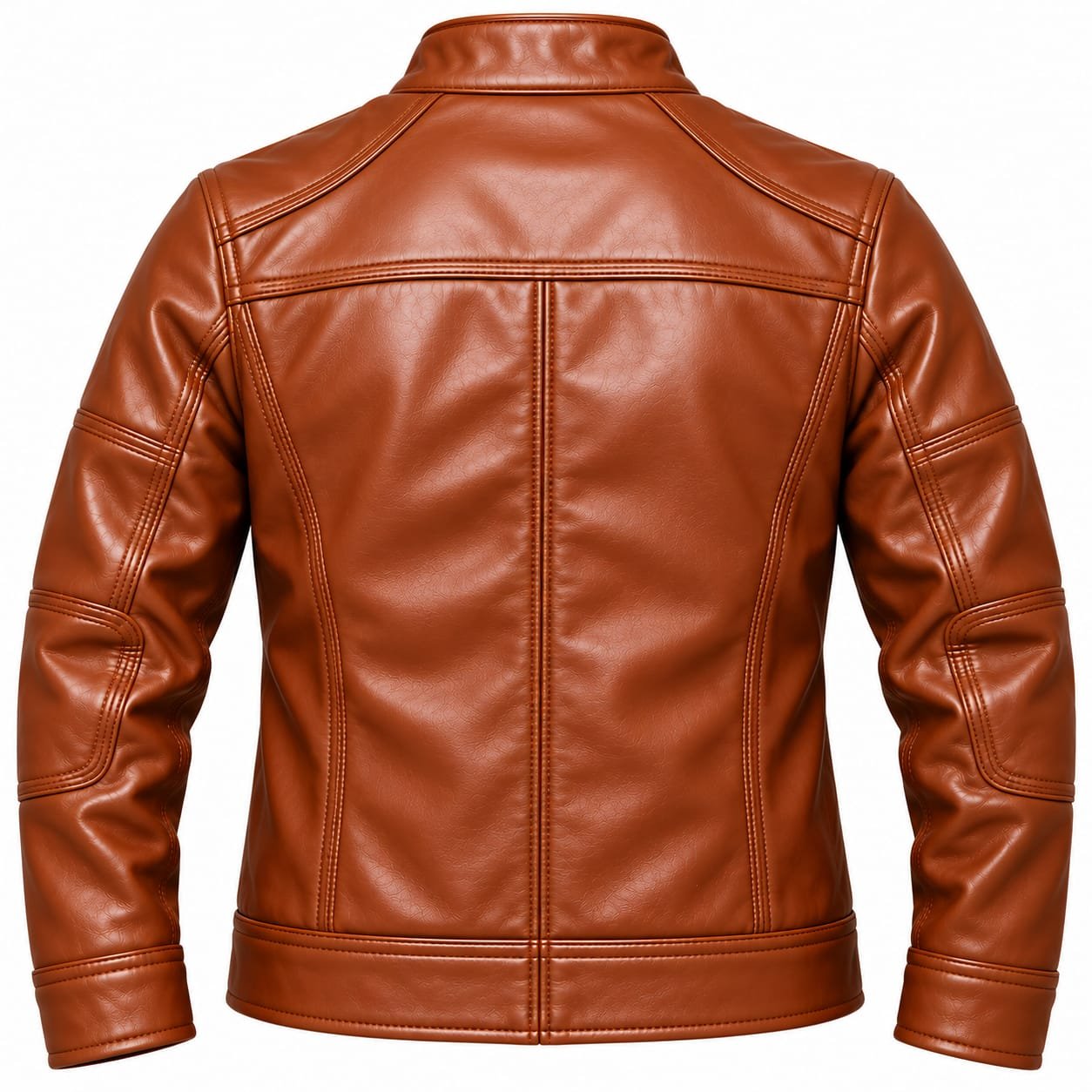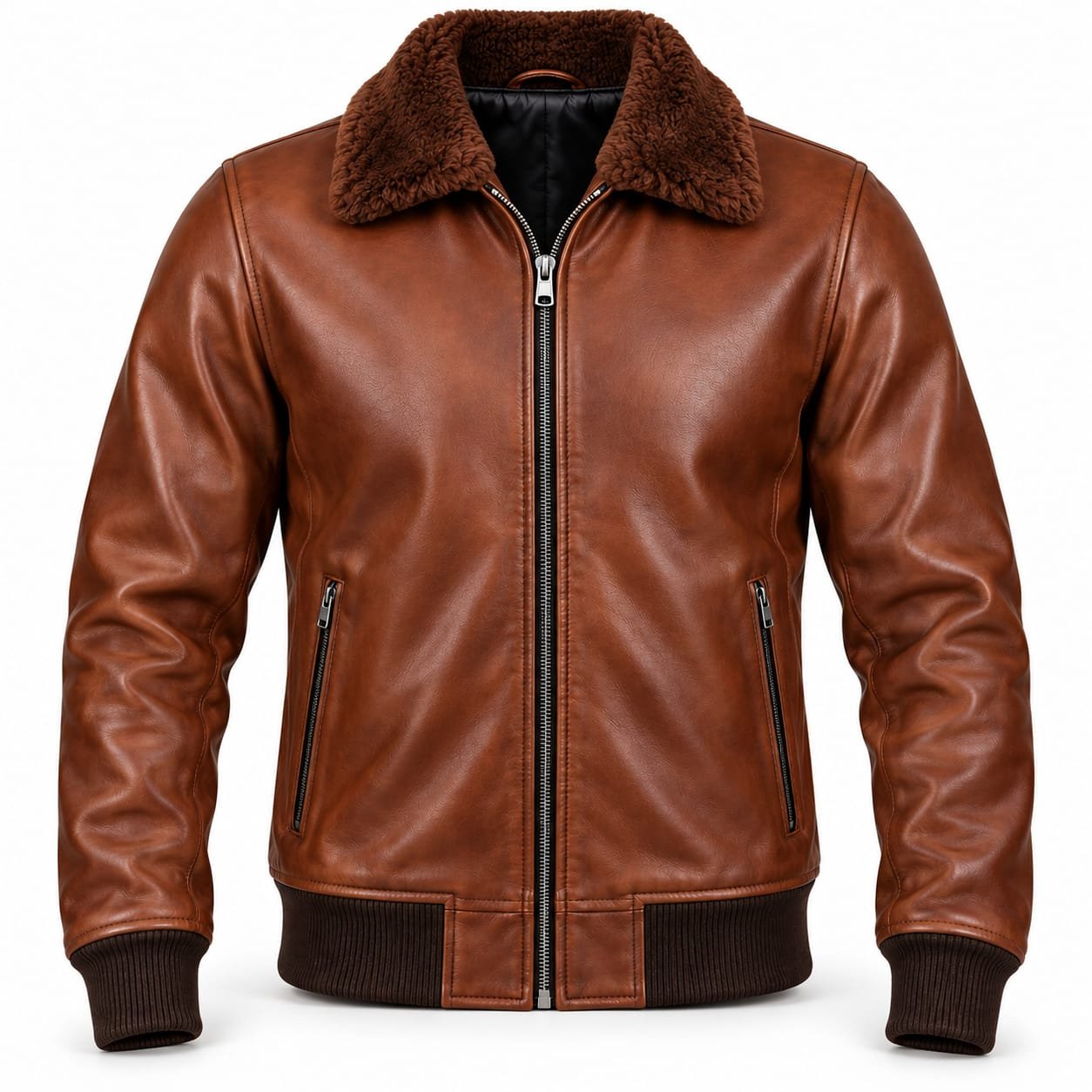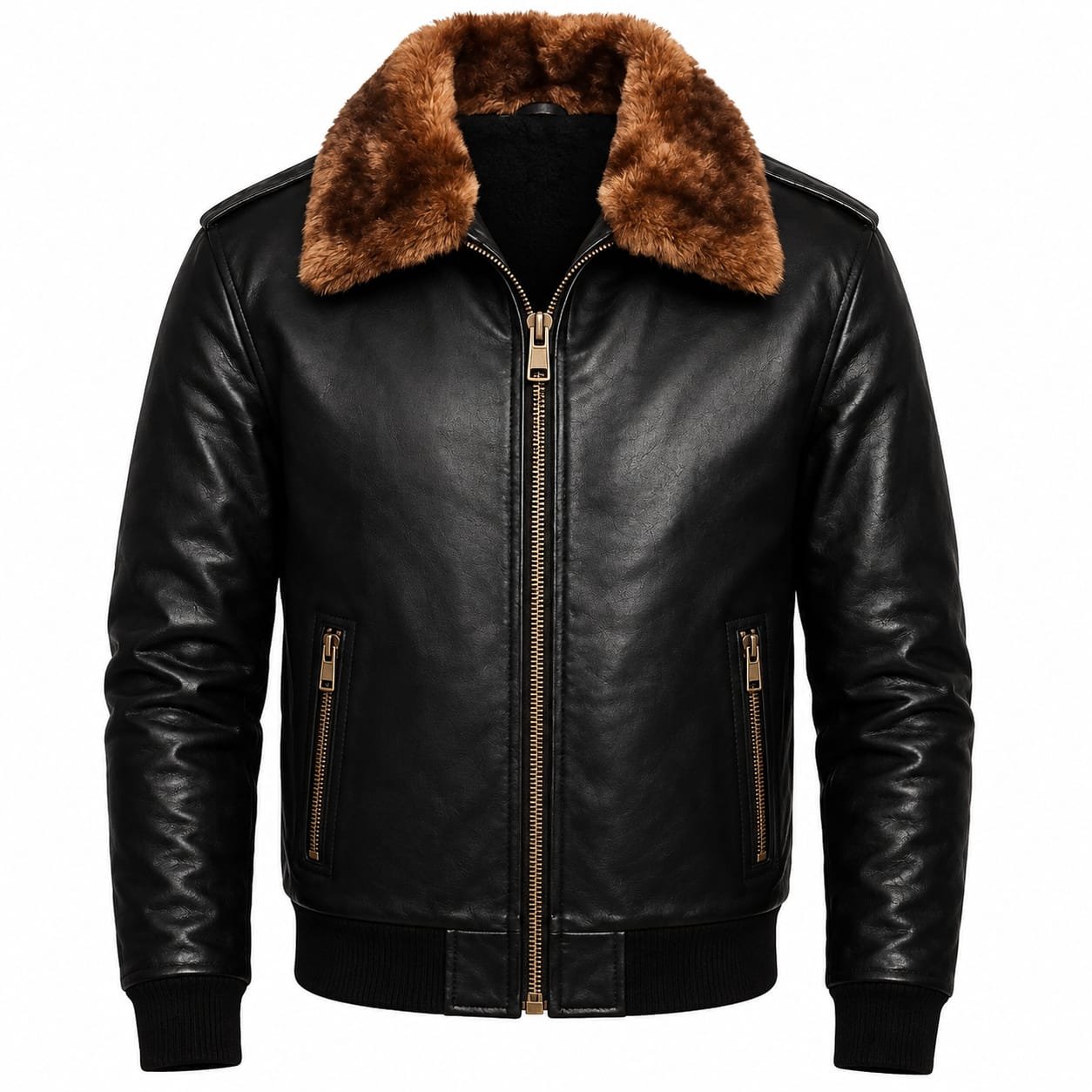
Leather Jacket Sample vs Bulk Production: What Buyers Should Know
When ordering custom leather jackets from a manufacturer, one of the most important decisions is whether to start with a sample or move directly into bulk production.
For brands, retailers, fashion businesses, and private-label buyers, ordering a sample before bulk production can reduce mistakes, improve product quality, and make sure the final jacket matches the original design.
At Zentro Leather, we work with buyers who need custom leather jackets for private-label brands, wholesale collections, fashion businesses, motorcycle apparel, and other commercial applications. Understanding the difference between sample production and bulk manufacturing can help buyers plan their orders more effectively.
What Is a Leather Jacket Sample?
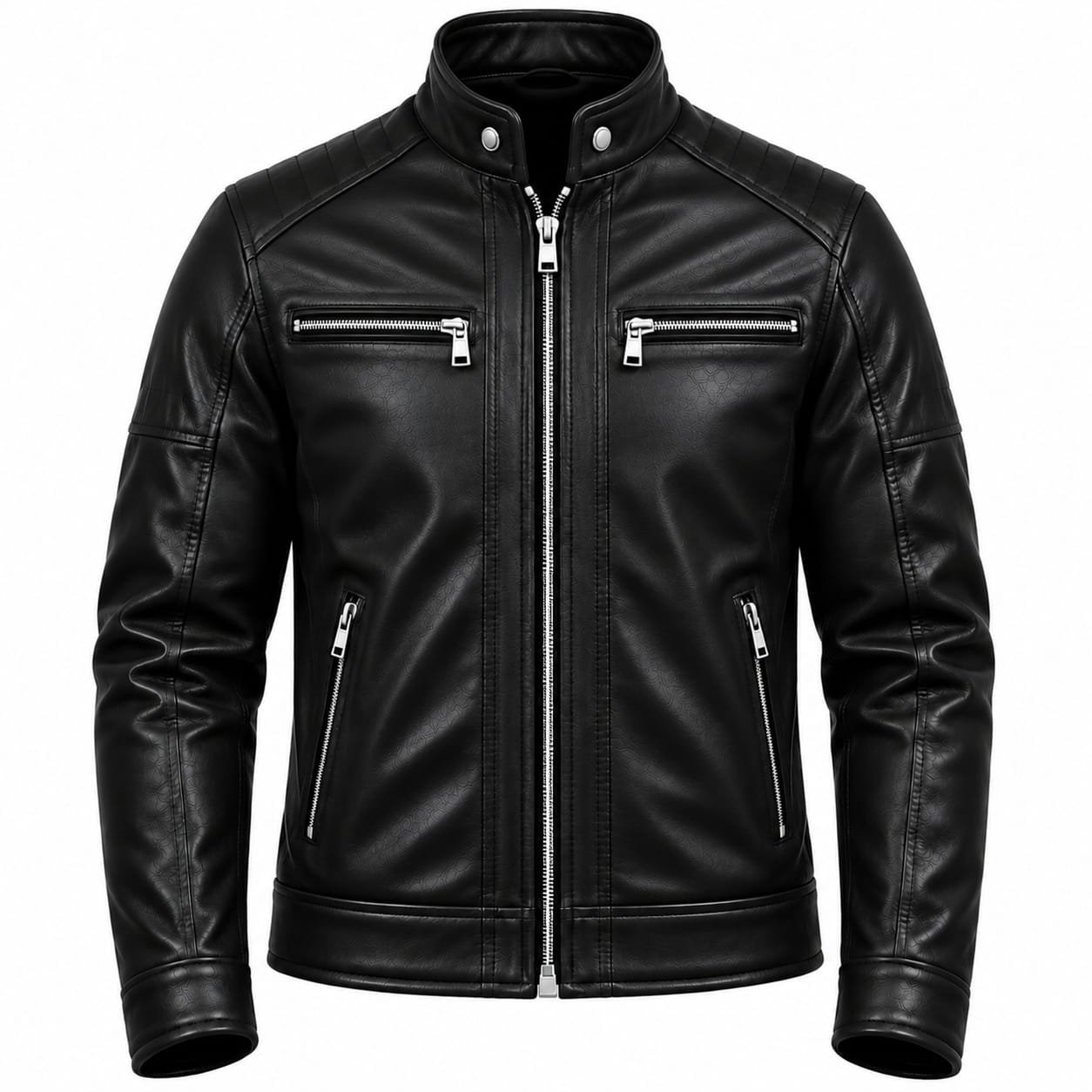
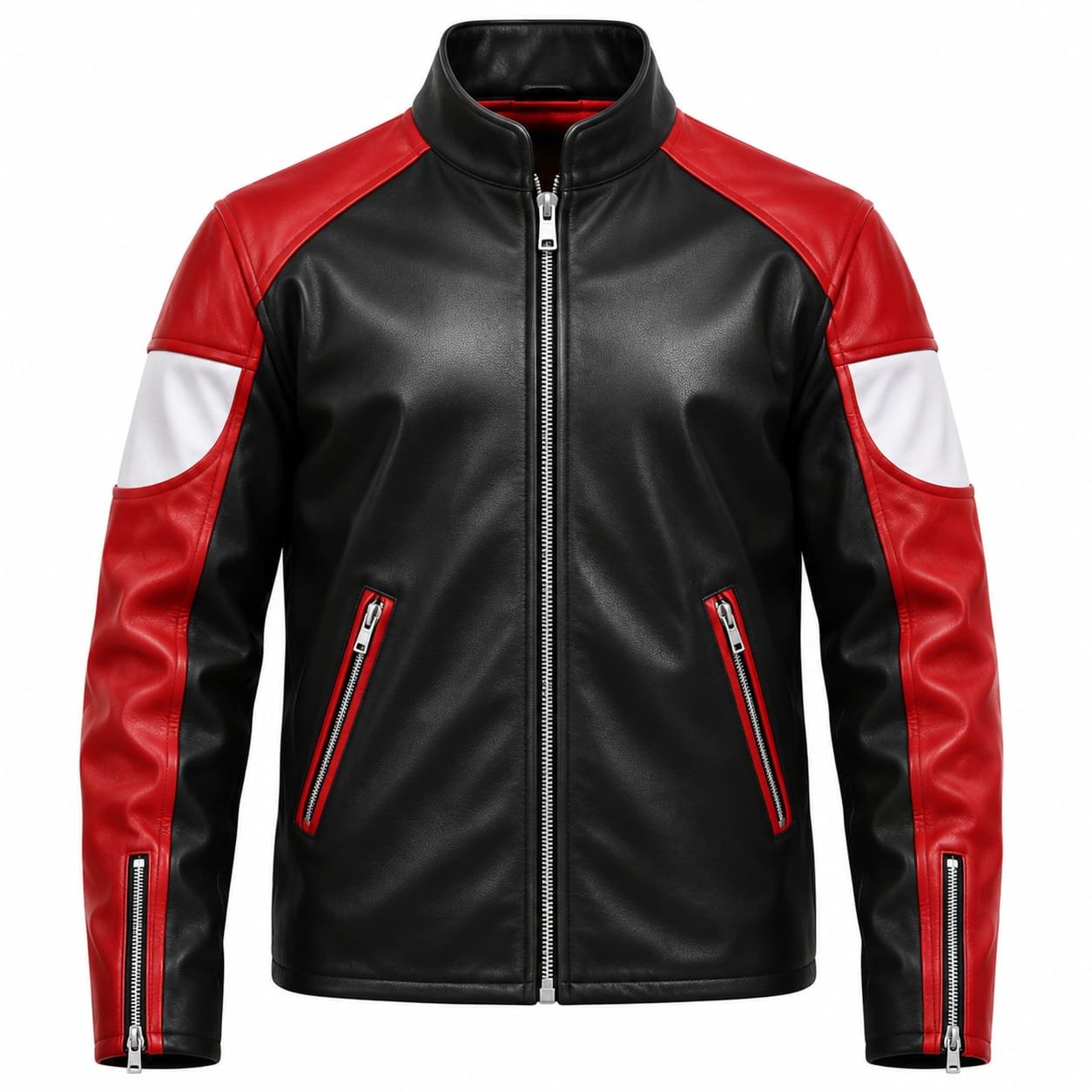
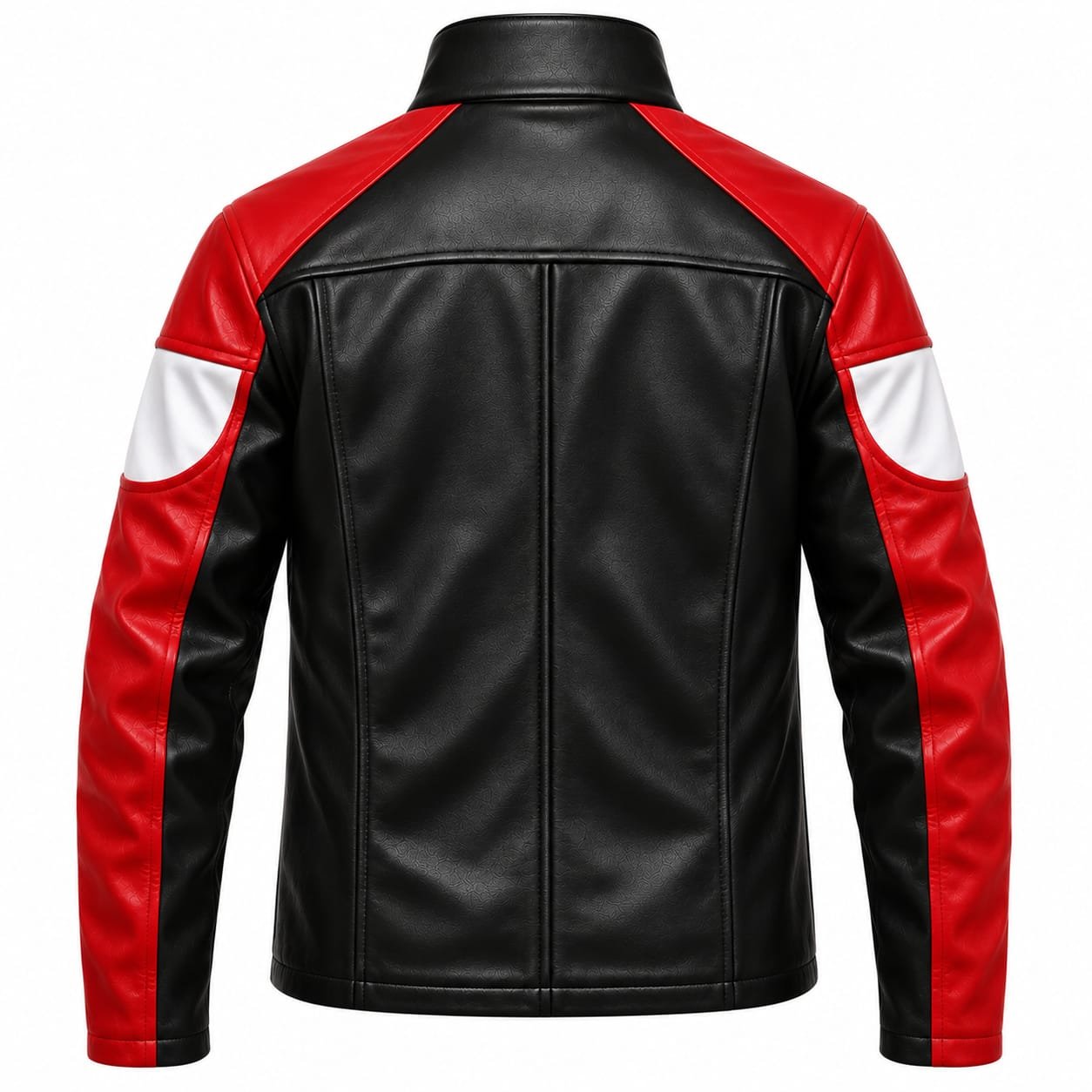
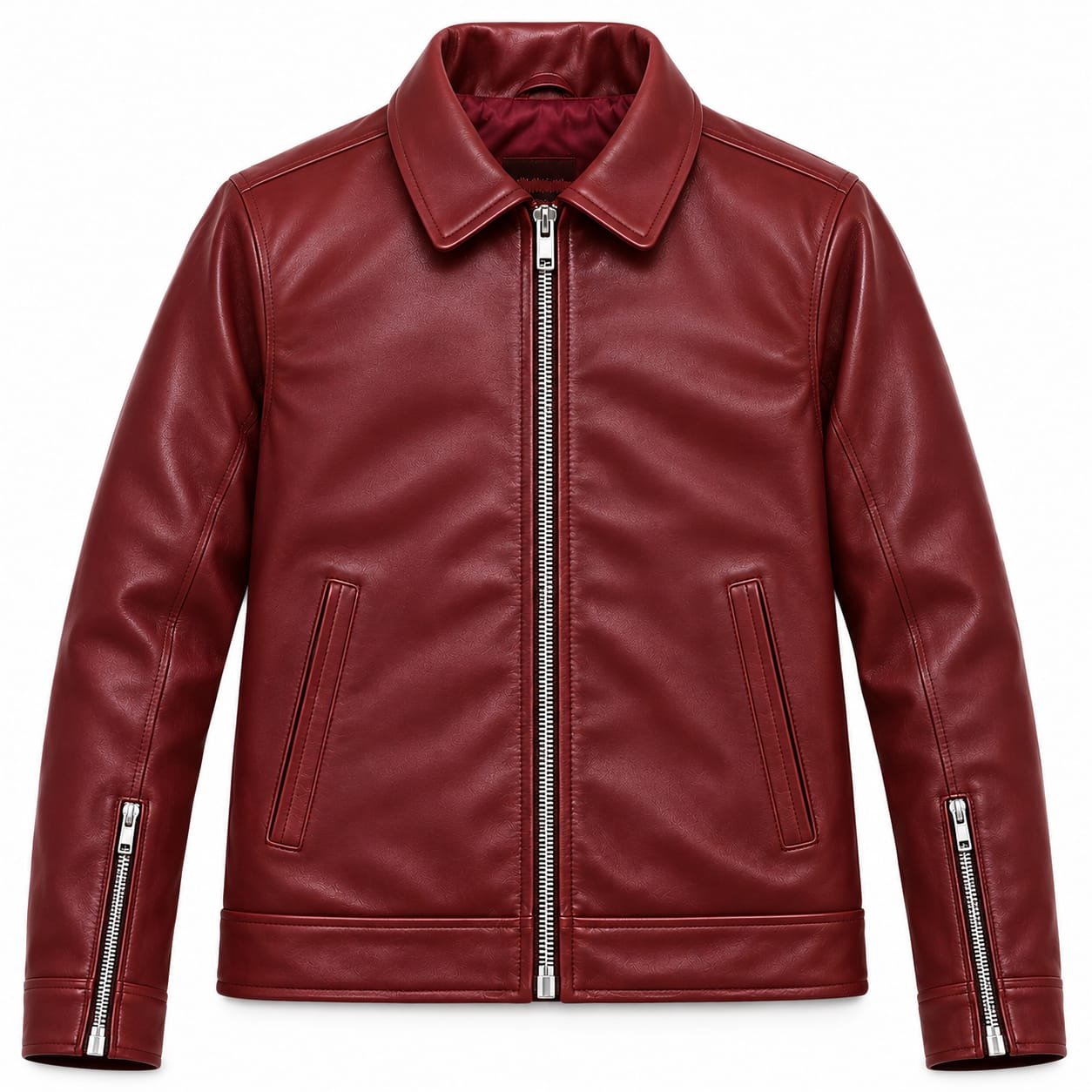
A leather jacket sample is a single jacket or a small number of jackets produced before the main production order.
The purpose of a sample is to check the actual product before committing to a larger quantity.
A sample can help you evaluate:
- Leather quality and thickness
- Color and finish
- Jacket measurements
- Fit and sizing
- Stitching quality
- Zipper and hardware quality
- Lining material
- Pockets and closures
- Embroidery or printing
- Labels and branding
- Overall construction
- Packaging requirements
A digital design or tech pack can show how a jacket should look, but a physical sample allows you to inspect the actual materials and construction.
Why Should Buyers Order a Sample First?
One of the biggest mistakes in custom clothing manufacturing is assuming that a digital design automatically translates into a perfect physical product.
Small details can look different once the jacket is manufactured.
For example, a leather color may appear slightly different under studio lighting compared with natural light. A zipper may feel different from what you expected, or the sleeve length may need adjustment after trying the jacket on.
A sample gives the buyer an opportunity to identify these issues before bulk production begins.
1. Check the Leather
Leather can vary in thickness, softness, grain, texture, and finish.
A sample lets you physically inspect the leather and confirm whether it matches your requirements.
For example, a buyer may request soft lambskin, full-grain leather, suede, distressed leather, or another specific finish.
The sample provides a practical reference for the final production.
2. Confirm the Fit
Measurements are extremely important for leather jackets.
A sample allows you to check:
- Chest measurement
- Shoulder width
- Sleeve length
- Jacket length
- Waist measurement
- Armhole size
- Cuff construction
If the sample feels too tight, too loose, too long, or too short, adjustments can be made before bulk manufacturing.
3. Check Construction Quality
A sample allows buyers to inspect the manufacturing details closely.
You can check whether the seams are straight, stitching is consistent, zippers operate properly, pockets are positioned correctly, and the jacket maintains its intended shape.
This is particularly important for premium leather jackets where construction quality has a direct effect on the perceived value of the product.
4. Approve Branding
Private-label buyers may require custom neck labels, woven labels, patches, embroidery, embossed logos, or custom hardware.
A sample can confirm the exact placement and appearance of these branding elements.
This reduces the possibility of producing hundreds of jackets with incorrect branding.
What Happens During Bulk Production?
Bulk production begins after the buyer approves the sample and confirms the production specifications.
Depending on the project, the manufacturer may then prepare the required quantity of leather, lining, zippers, buttons, labels, hardware, and other components.
The approved sample becomes an important production reference.
The goal is to reproduce the approved design consistently across the order.
For example, if a buyer orders 100 custom leather jackets, the production team needs to maintain consistency in:
- Leather selection
- Color
- Measurements
- Stitching
- Hardware
- Labels
- Lining
- Pocket placement
- Overall construction
This is why sample approval is an important stage before bulk manufacturing.
Sample vs Bulk Production: The Main Difference
The simplest difference is the purpose.
Sample production is for testing and approval.
Bulk production is for manufacturing the approved product in the required quantity.
A sample is normally produced in a very small quantity, often one piece or a few pieces. Bulk production involves the agreed commercial quantity.
The cost structure can also be different because producing one custom jacket does not provide the same economies of scale as producing dozens or hundreds of jackets.
Does the Bulk Jacket Look Exactly Like the Sample?
The approved sample should be used as the manufacturing reference, but buyers should understand that natural leather can have some variation.
Leather is a natural material, so differences in grain, texture, and minor surface characteristics can occur.
However, important specifications such as measurements, construction, color requirements, hardware, branding, and design details should be clearly defined and controlled during production.
For this reason, buyers should keep a clear record of the approved sample and production specifications.
How Many Samples Should a Buyer Order?
For many projects, one sample is enough to evaluate the basic design.
However, more than one sample may be useful when:
- The jacket has complex construction
- Multiple colors are required
- The buyer needs different size samples
- The buyer wants to test different leather types
- The product requires custom hardware
- The buyer needs several rounds of fitting
The right number depends on the complexity of the product and the buyer’s requirements.
Can You Change the Jacket After the Sample?
Yes, sample development is often the stage where changes are made.
A buyer may request adjustments to:
- Measurements
- Leather color
- Leather thickness
- Collar shape
- Sleeve length
- Pocket size
- Pocket position
- Zipper type
- Lining
- Cuffs
- Waistband
- Branding
- Hardware
The manufacturer can then make the required revisions before bulk production.
This is one of the main advantages of sampling.
What Information Should Buyers Provide?
The more precise the specifications, the easier it is to manufacture the required product consistently.
Buyers should provide as much relevant information as possible, including:
Product Design
Provide sketches, reference images, technical drawings, or a complete tech pack when available.
Measurements
Provide a size chart or detailed measurements for the required sizes.
Leather Requirements
Specify the preferred leather type, finish, color, thickness, and overall appearance.
Hardware
Specify the preferred zippers, buttons, buckles, snaps, or other components.
Branding
Provide logo files and explain where labels, patches, embroidery, embossing, or other branding should be placed.
Quantity
Tell the manufacturer the expected order quantity because production planning and pricing can depend on the quantity.
Sample Cost vs Bulk Price
A common question from buyers is why a sample can cost more per piece than a bulk order.
The reason is simple: bulk manufacturing spreads setup and production costs across many units.
For example, cutting, pattern preparation, material sourcing, machine setup, and production planning can represent a larger cost per jacket when manufacturing only one sample.
When the same product is manufactured in a larger quantity, these costs can be distributed across the order.
Therefore, the sample price should not automatically be compared directly with the per-unit bulk price.
Should You Skip the Sample to Save Money?
For a simple standard product, some experienced buyers may already know exactly what they want.
For a new custom leather jacket, however, skipping the sample can create unnecessary risk.
If there is an important issue with the design, sizing, material, or construction, discovering it after bulk production can be much more expensive than identifying it during sample development.
For a new private-label product, a sample is generally a safer way to validate the product before committing to larger production.
What Buyers Should Check Before Approving the Sample
Before approving a leather jacket sample, buyers should carefully inspect the entire product.
Use this checklist:
Leather
- Is the leather type correct?
- Is the color correct?
- Is the texture acceptable?
- Is the thickness suitable?
Fit
- Are the measurements correct?
- Is the sleeve length correct?
- Is the jacket length correct?
- Does the jacket fit as expected?
Construction
- Are seams straight?
- Is stitching consistent?
- Are zippers functioning properly?
- Are pockets positioned correctly?
Branding
- Is the logo correct?
- Are labels positioned correctly?
- Are embroidery or patches accurate?
Finishing
- Is the lining correct?
- Are the cuffs and collar correct?
- Is the overall finish suitable for retail sale?
Only after these details have been reviewed should the buyer give final approval for bulk production.
Sample Approval Is an Important Manufacturing Milestone
The sample stage is more than simply receiving one jacket.
It is an opportunity for the buyer and manufacturer to establish a clear production standard.
Once the sample is approved, the final specifications should be documented so the production team can use them as a reference.
This can help reduce misunderstandings and improve consistency throughout the bulk order.
Custom Leather Jacket Manufacturing for Brands
For brands developing their own leather jacket collections, sample development can be particularly important.
A private-label brand may have its own:
- Brand identity
- Fit requirements
- Leather specifications
- Hardware preferences
- Labels
- Packaging
- Size grading
- Design details
A properly developed sample helps turn these requirements into a physical product that can then be manufactured at scale.
Final Thoughts
The difference between a leather jacket sample and bulk production is mainly about validation versus manufacturing at scale.
A sample gives buyers the opportunity to check the leather, fit, construction, branding, measurements, and finishing before placing a larger order.
Bulk production then focuses on reproducing the approved product consistently across the required quantity.
For custom and private-label leather jackets, taking the time to properly evaluate the sample can help reduce production mistakes and give both the buyer and manufacturer a clearer reference for the final order.
Looking for custom leather jacket manufacturing?
Zentro Leather works with brands, retailers, wholesalers, and private-label buyers looking for custom leather jacket production. Buyers can discuss their design, leather requirements, branding, quantity, and sample requirements before moving into bulk production.