How to Care for a Leather Jacket in Winter
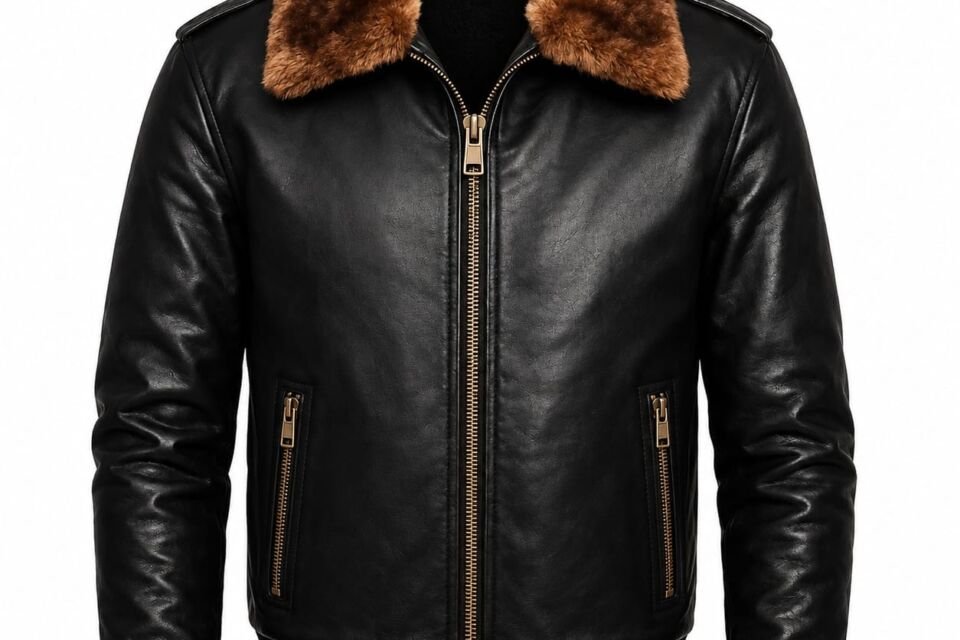
Winter can be tough on leather jackets. Cold temperatures, rain, snow, moisture, road salt, and indoor heating can gradually affect the leather if it is not cared for properly.
A high-quality leather jacket can last for many years, but proper maintenance is important to keep the leather soft, clean, and in good condition. Whether you own a classic leather jacket, motorcycle jacket, bomber, or leather coat, a simple winter care routine can help protect your investment.
In this guide, Zentro Leather explains how to care for a leather jacket during winter and how to avoid common mistakes that can damage genuine leather.
1. Protect Your Leather Jacket From Excess Moisture
Winter often brings rain, snow, and humidity. Although some leather jackets can handle light moisture, prolonged exposure to water can damage the leather.
If your leather jacket becomes wet:
- Gently wipe away excess water.
- Hang it on a wide, sturdy hanger.
- Allow it to dry naturally at room temperature.
- Keep it away from direct heat.
- Do not place it in a clothes dryer.
Never use a hair dryer, radiator, heater, or other direct heat source to quickly dry a wet leather jacket. Excessive heat can cause leather to become dry, stiff, or cracked.
2. Let the Jacket Dry Naturally
After wearing your leather jacket in rain or snow, give it enough time to dry before storing it.
Place the jacket in a well-ventilated area and allow natural air circulation around it.
Avoid sealing a damp leather jacket inside a wardrobe or storage bag. Trapped moisture can contribute to unpleasant odors and, in some conditions, mold growth.
3. Clean Your Leather Jacket Regularly
Winter clothing can collect dirt, dust, road salt, and other debris.
For routine cleaning, use a soft, clean cloth to gently remove surface dirt.
For more serious stains, use a leather cleaner specifically designed for your type of leather. Always follow the manufacturer’s instructions.
Before applying any cleaning product to the entire jacket, test it on a small, hidden area first.
4. Remove Road Salt Carefully
If you live in an area where roads and sidewalks are treated with salt during winter, salt residue can become a problem for leather.
Do not aggressively scrub the surface.
Instead, gently remove the residue with a slightly damp soft cloth and then allow the jacket to dry naturally.
For persistent salt stains, a leather-care product designed for the specific leather type may be more appropriate.
5. Condition the Leather
Cold and dry winter air can contribute to leather becoming dry over time.
A suitable leather conditioner can help maintain the leather’s flexibility and appearance.
However, avoid applying conditioner too frequently. Excessive conditioning can affect the appearance and finish of some leather types.
The correct conditioner depends on whether your jacket is made from smooth leather, full-grain leather, suede, nubuck, or another finish.
6. Be Careful With Suede Leather
Suede requires different care from smooth leather.
Do not treat suede with ordinary leather creams or conditioners unless the product specifically states that it is suitable for suede.
Use a suede brush to remove surface dirt and follow the care instructions recommended for the specific suede finish.
For serious stains or water damage, professional leather cleaning may be safer than experimenting with household products.
7. Store Your Leather Jacket Correctly
Proper storage is particularly important when your jacket is not being worn regularly.
Use a broad, padded, or sturdy hanger that supports the jacket’s shoulders.
Avoid thin wire hangers because they can distort the shoulder area over time.
Keep the jacket in a cool, dry, and well-ventilated location away from direct sunlight.
8. Avoid Plastic Bags for Long-Term Storage
Do not store a leather jacket in a sealed plastic bag for extended periods.
Leather needs appropriate ventilation. A breathable garment bag is generally a better option for long-term storage.
Make sure the jacket is completely dry before putting it away.
9. Keep Leather Away From Direct Heat
One of the most common winter leather-care mistakes is placing a wet jacket directly beside a heater.
It may seem like a quick solution, but high temperatures can remove natural oils and moisture from leather.
This can lead to:
- Dryness
- Stiffness
- Cracking
- Changes in texture
- Damage to the finish
Natural air drying is the safer approach.
10. Don’t Overload the Pockets
Heavy objects in jacket pockets can stretch leather and affect the shape of the garment.
During winter, avoid carrying excessive weight in your leather jacket pockets, especially keys, tools, large wallets, or other heavy objects.
This is particularly important for softer leather jackets.
11. Protect the Jacket From Perfume and Chemicals
Perfume, alcohol-based products, solvents, cleaning chemicals, and some cosmetic products can affect leather finishes.
Allow personal-care products such as perfume and hair products to dry before putting on your leather jacket.
If a chemical spills onto the jacket, avoid aggressive cleaning and consider professional leather care.
12. Take Care of the Zippers and Hardware
Winter moisture can also affect metal hardware.
Keep zippers clean and remove dirt or debris that may interfere with their movement.
Do not force a zipper if it becomes stuck. Check whether fabric or dirt is caught in the mechanism before attempting to move it again.
Regularly checking the hardware can help extend the useful life of your jacket.
13. Avoid Washing a Leather Jacket Like Regular Clothing
A leather jacket should generally not be treated like a cotton hoodie or polyester coat.
Do not put a leather jacket in a conventional washing machine or dryer unless the manufacturer’s care instructions specifically allow it.
Different leather types require different cleaning methods, so always check the care label or manufacturer’s recommendations.
14. Give Your Jacket a Seasonal Inspection
At the beginning and end of winter, inspect your jacket carefully.
Check:
- Leather surface
- Seams
- Lining
- Zippers
- Buttons
- Snaps
- Pockets
- Cuffs
- Collar
Finding small problems early can help prevent more expensive repairs later.
15. Different Leather Types Need Different Care
Not every leather jacket should be maintained in exactly the same way.
Full-grain leather: Usually durable but still benefits from appropriate cleaning and conditioning.
Top-grain leather: Requires regular but gentle care to maintain its finish.
Lambskin: Softer and more delicate, so aggressive cleaning should be avoided.
Suede: Requires specialized suede cleaning and brushing methods.
Shearling: Needs care for both the leather exterior and wool interior.
Understanding the material is the first step toward choosing the right care routine.
Common Winter Leather Care Mistakes
Avoid these common mistakes:
- Drying leather directly beside a heater
- Using household cleaning chemicals
- Washing leather in a washing machine
- Applying too much conditioner
- Storing damp leather
- Using the wrong product on suede
- Keeping leather in airtight plastic storage
- Scrubbing stains aggressively
These mistakes can cause unnecessary damage to the leather surface and finish.
Why Proper Leather Care Matters
A leather jacket is designed to be a long-term wardrobe investment. Regular cleaning, careful drying, proper storage, and suitable conditioning can help maintain its appearance and comfort.
Taking a few minutes to care for your jacket during winter can help preserve the leather and reduce the need for expensive repairs.
Zentro Leather: Quality Leather Jackets Built for Long-Term Wear
At Zentro Leather, we understand that quality leather outerwear is about more than appearance. Material selection, stitching, lining, hardware, construction, and finishing all contribute to the overall performance of a leather jacket.
From classic leather jackets and motorcycle styles to winter coats and shearling outerwear, proper construction combined with correct care can help leather garments remain part of your wardrobe for years.
Final Thoughts
Taking care of a leather jacket in winter is relatively simple. Keep it away from excessive moisture and direct heat, clean it gently, condition it when appropriate, and store it in a cool, dry, ventilated place.
Most importantly, always consider the specific type of leather before choosing a cleaning or conditioning product.
With the right winter care routine, a quality leather jacket can maintain its appearance, flexibility, and character through many seasons.