How to Break In a New Leather Jacket Without Damaging It
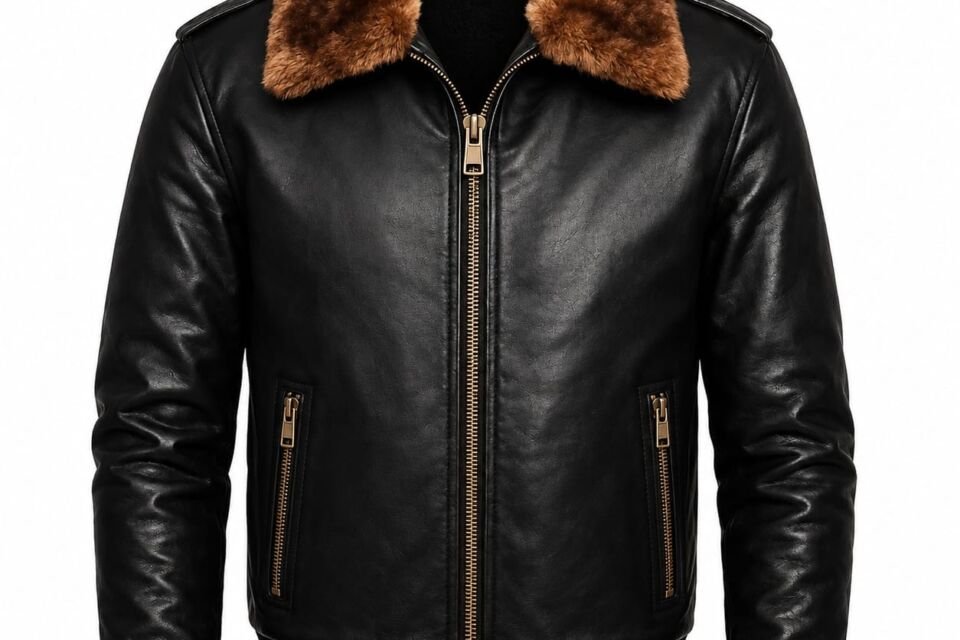
A new leather jacket can feel stiff when you first wear it, especially if it is made from thick or durable leather. This does not necessarily mean there is a problem with the jacket. Natural leather often needs time to adjust to your body, movement, and everyday use.
If you are wondering how to break in a leather jacket, the safest approach is simple: wear it regularly, move naturally, and avoid aggressive methods that can damage the leather.
A good leather jacket should gradually become more comfortable while keeping its original shape, strength, and appearance. In this guide, we explain how to break in a new leather jacket safely and what mistakes you should avoid.
How to Break In a Leather Jacket
The best way to break in a leather jacket is to wear it regularly during normal daily activities.
Start by wearing the jacket for short periods. Move your arms naturally, walk around, sit down, and perform normal activities while wearing it. The repeated movement allows the leather to gradually adapt to the areas that move most.
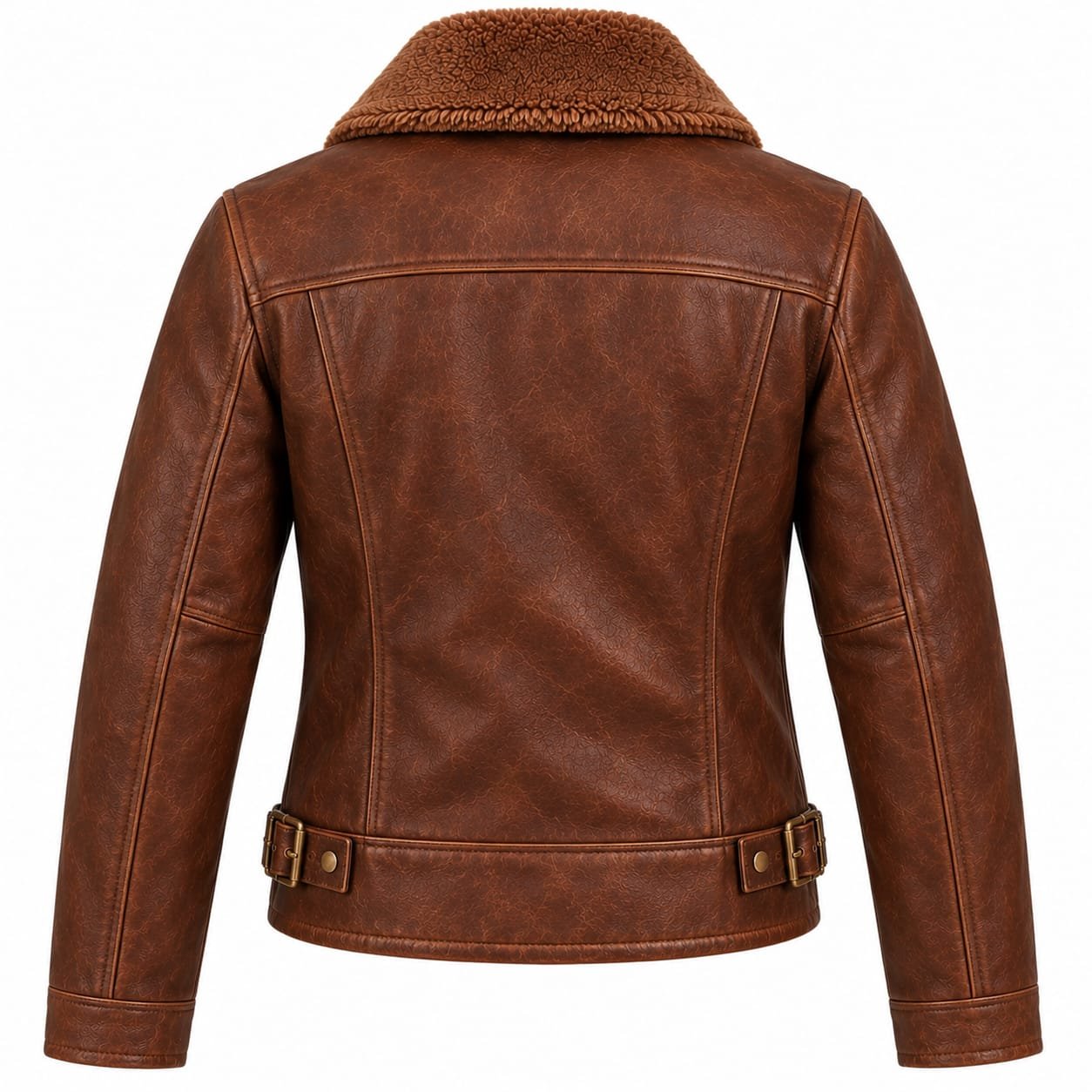
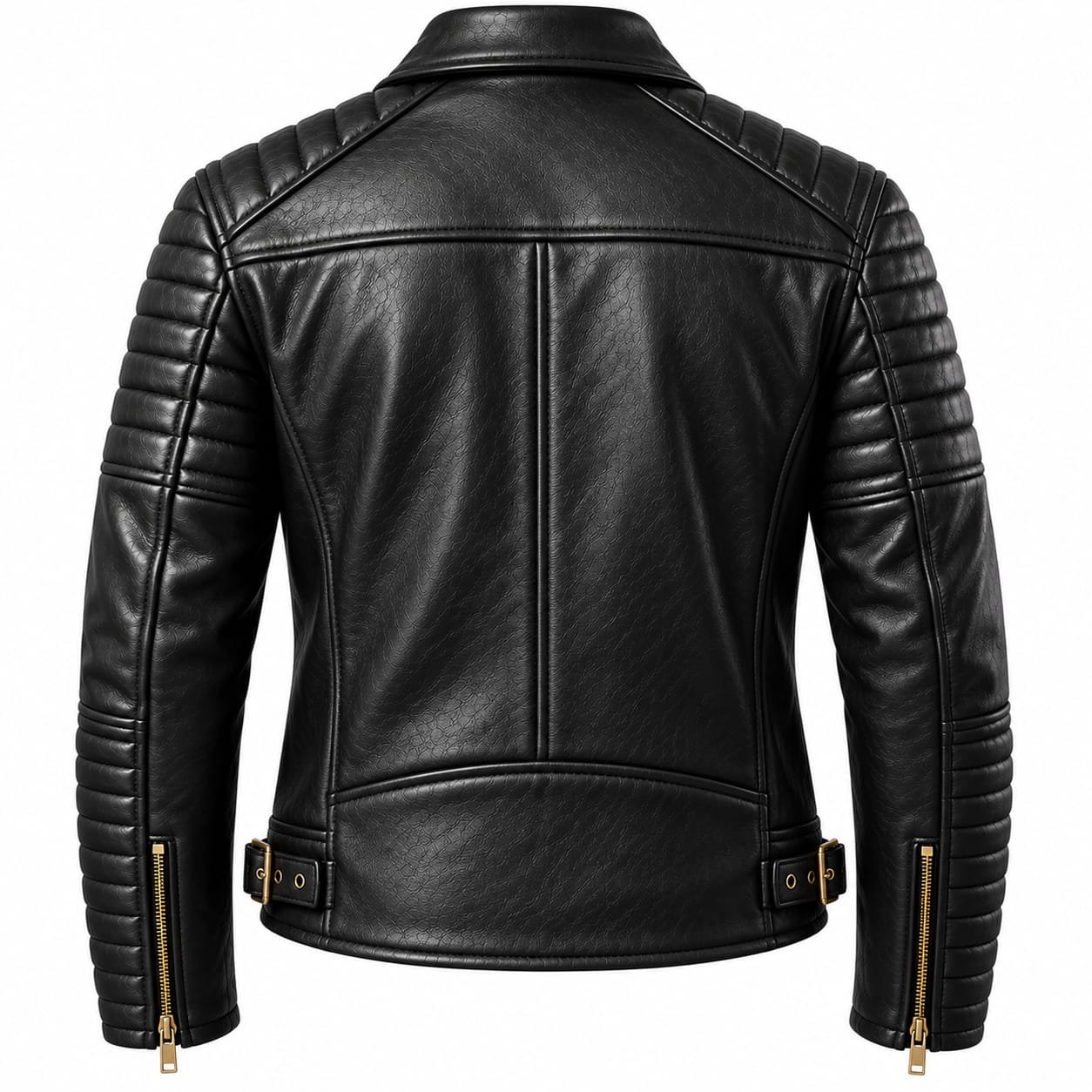
Pay particular attention to the shoulders, elbows, sleeves, chest, and back. These areas usually experience the most movement and will naturally develop a more comfortable fit over time.
Do not try to force the leather to become soft in one day. Natural leather develops its fit gradually.
Why Does a New Leather Jacket Feel Stiff?
New leather can feel firm because the fibers have not yet been exposed to regular movement and wear.
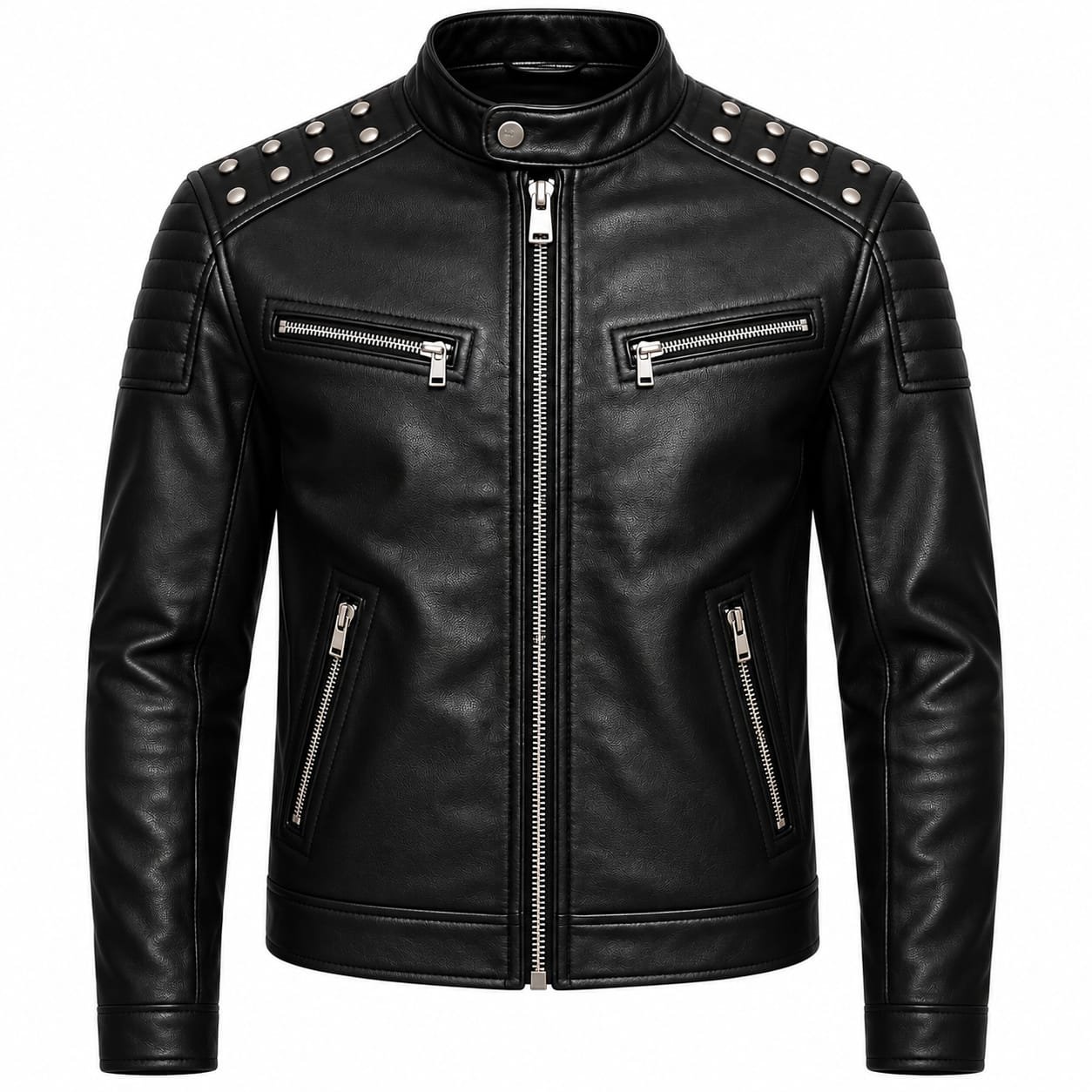
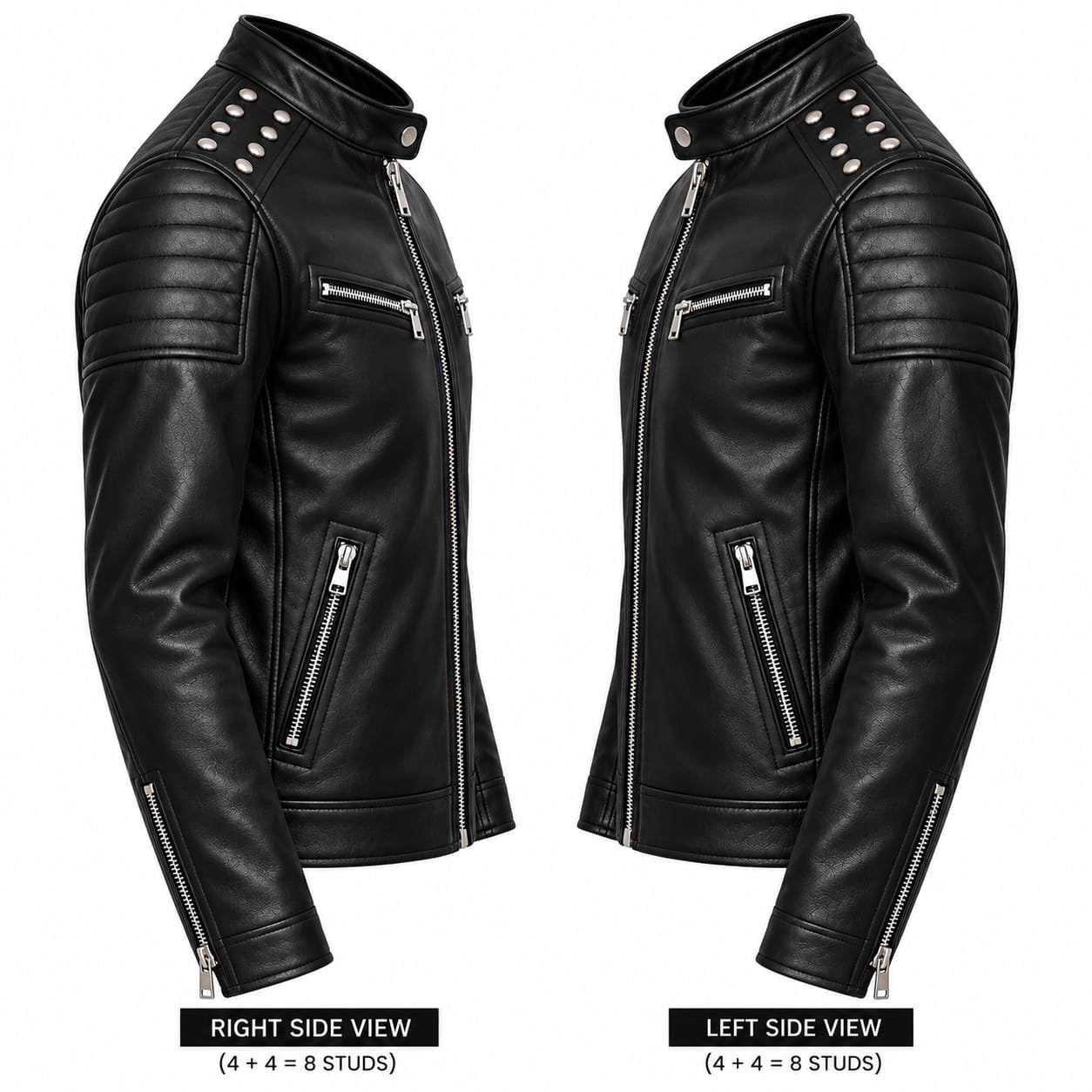
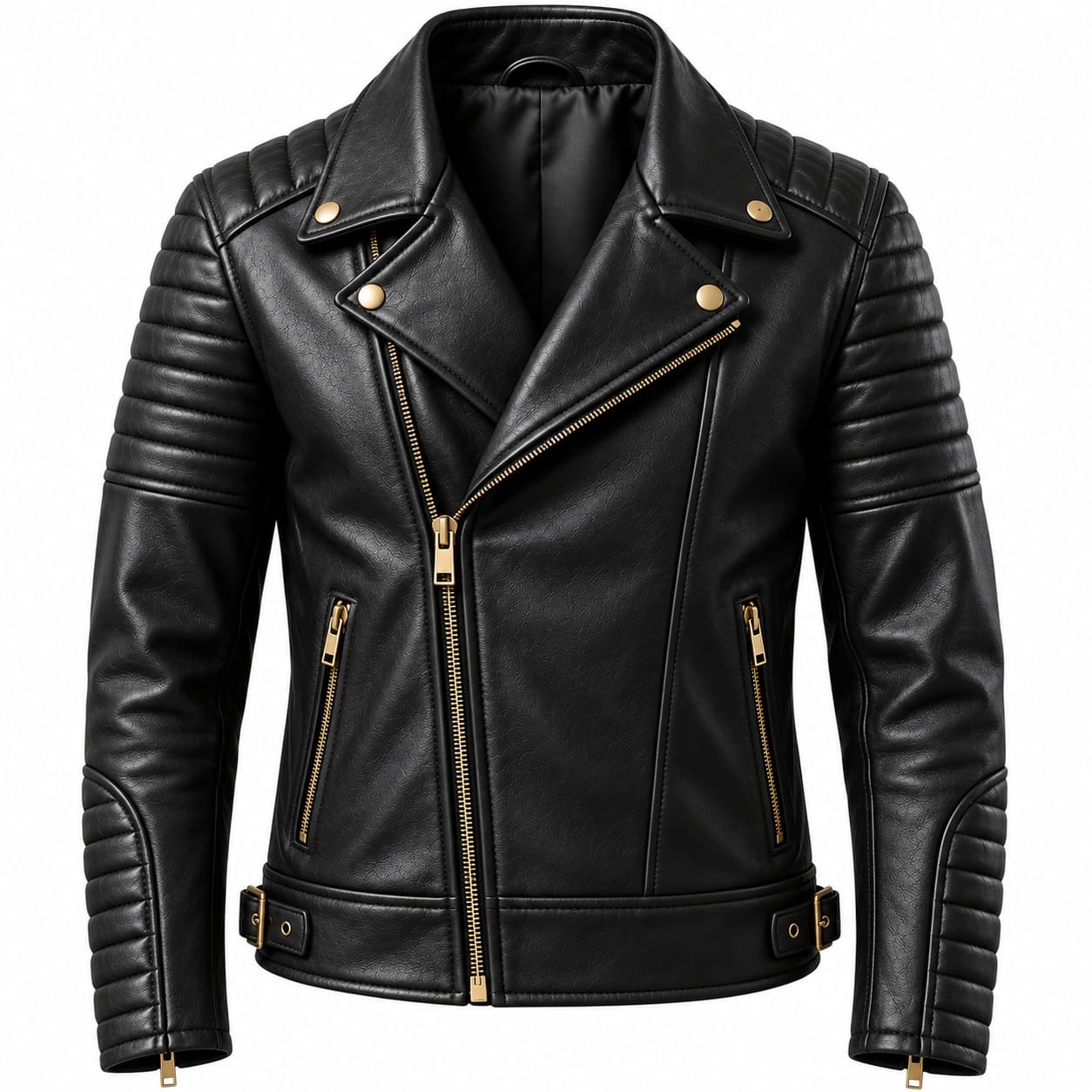
Leather thickness also makes a difference. A lightweight lambskin jacket may feel flexible almost immediately, while a thick cowhide motorcycle jacket can require significantly more wear before it becomes comfortable.
The tanning process, finish, leather type, and construction can also affect how a jacket feels when new.
Stiffness alone is therefore not a reliable indication of poor leather quality.
In many cases, a firm new jacket is simply a jacket that has not been broken in yet.
Wear Your Leather Jacket Regularly
Regular wear is one of the safest ways to break in leather.
Instead of wearing the jacket for an entire day immediately, start with shorter sessions. For example, you can wear it for a few hours while walking, shopping, commuting, or doing other normal activities.
As the jacket becomes more comfortable, increase the amount of time you wear it.
Regular movement allows the leather fibers to gradually relax without putting unnecessary stress on the material.
This is particularly useful for thick leather jackets that are designed for motorcycle riding, outdoor use, or long-term durability.
Move Naturally While Wearing It
Movement is an important part of breaking in a leather jacket.
While wearing the jacket, allow your arms and shoulders to move naturally. You can bend your elbows, reach forward, sit down, and perform normal activities.
However, avoid aggressively stretching the jacket.
Forcing the sleeves, pulling the shoulders, or repeatedly twisting the leather can create permanent creases or distort the shape of the garment.
The goal is not to stretch the jacket as much as possible. The goal is to allow the leather to gradually adapt to the way your body moves.
Let the Leather Adjust to Your Body
One advantage of genuine leather is that it can develop a more personalized fit with use.
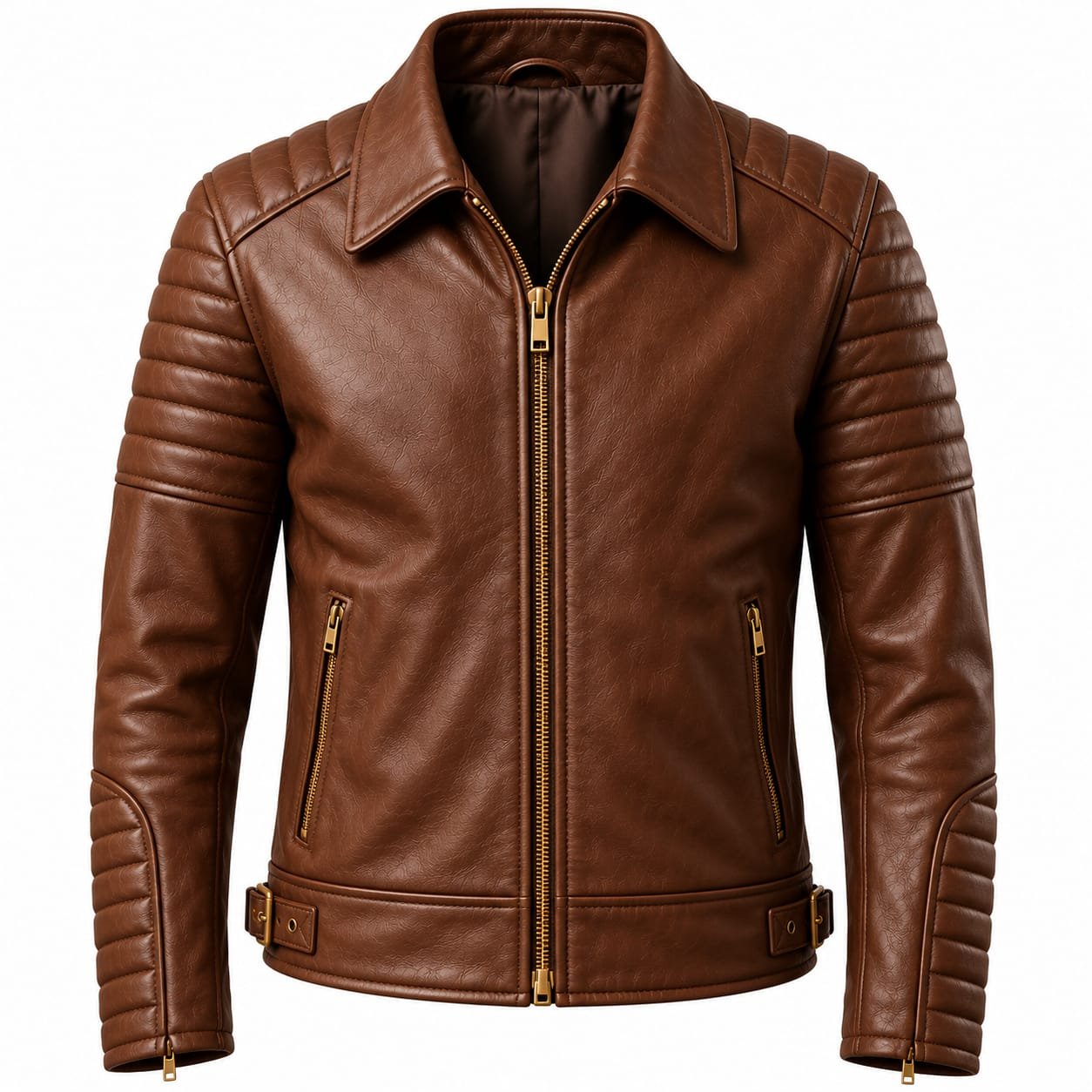
Areas that experience regular movement may develop natural creases and subtle changes in texture. These changes are often part of the character of a leather jacket.
For example, a jacket may gradually develop creasing around:
- Elbows
- Sleeves
- Shoulders
- Waist
- Back
- Zipper areas
- Pocket openings
These natural changes can make the jacket feel more comfortable and give it a worn-in appearance.
Should You Use Leather Conditioner?
Leather conditioner can help maintain the flexibility of suitable leather, but you should not automatically apply large amounts of conditioner to a new jacket.
First, check the manufacturer’s care instructions.
Different leather types and finishes require different treatments. A product suitable for smooth full-grain leather may not be appropriate for suede, nubuck, heavily waxed leather, or certain finished surfaces.
If conditioning is recommended, apply a small amount to an inconspicuous area first.
Avoid soaking the leather with conditioner. Too much product can make the surface greasy, alter the appearance, or affect the finish.
For most new jackets, regular wear and proper storage should come before aggressive conditioning.
Avoid Excessive Water and Heat
One of the biggest mistakes people make when trying to break in leather is deliberately exposing it to water.
Some people believe that soaking a leather jacket and wearing it while wet will help it mold to the body. This can be risky.
Excess moisture can affect the leather, lining, dyes, adhesives, and hardware. Improper drying can also cause the leather to become stiff, dry, or cracked.
Heat is another problem.
Do not use a hair dryer, radiator, heater, or direct high heat to soften a leather jacket.
Rapid drying can remove moisture from the leather and potentially cause permanent damage.
If your jacket accidentally gets wet, allow it to dry naturally at room temperature.
How Long Does It Take to Break In a Leather Jacket?
There is no exact break-in period for every leather jacket.
The time depends on several factors, including:
- Leather type
- Leather thickness
- Tanning method
- Finish
- Frequency of wear
- Jacket construction
- Climate
- How much movement the jacket receives
A lightweight leather jacket may become comfortable relatively quickly, while a thick cowhide or motorcycle jacket can take considerably longer.
Do not judge the jacket after only one or two wears.
The important thing is that the leather gradually becomes more flexible without losing its structure.
How Leather Type Affects the Break-In Process
Different leather types behave differently.
Lambskin
Lambskin is usually soft and lightweight. It often requires very little break-in time and can feel comfortable quickly.
However, its softer structure also means it should be handled carefully.
Cowhide
Cowhide is commonly used for durable jackets, including motorcycle styles. Thick cowhide can feel stiff when new and may require more time to break in.
Its advantage is durability and the ability to develop character with use.
Goatskin
Goatskin is known for its flexibility and distinctive grain. It can provide a useful balance between durability and comfort.
Sheepskin
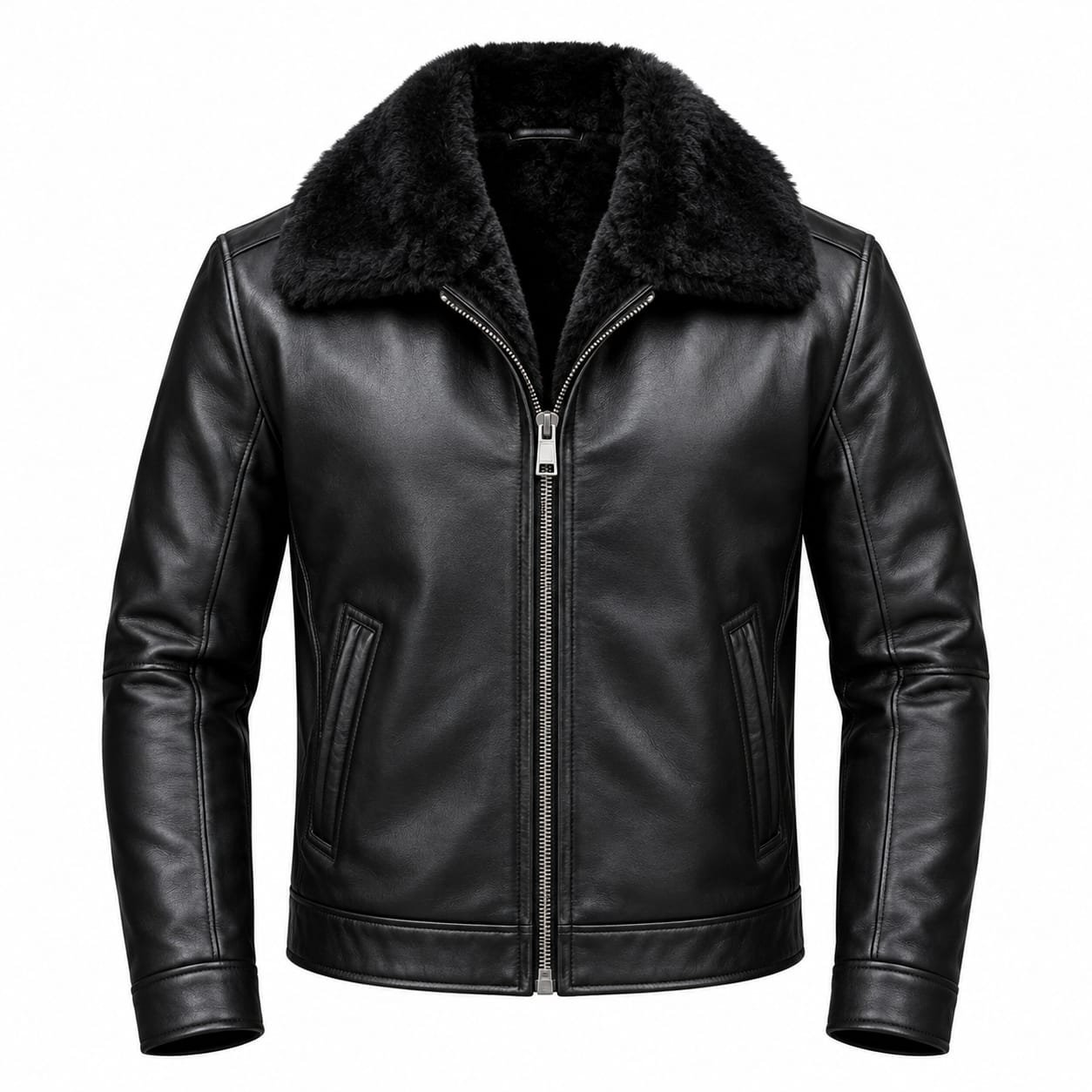
Sheepskin can be soft and comfortable, although the exact feel depends on the tanning, thickness, and finish.
Suede
Suede requires special care because its surface is different from smooth leather. Avoid using standard leather products unless they are specifically designed for suede.
How to Soften a Leather Jacket Safely
If your jacket remains unusually stiff, first make sure the stiffness is actually a problem.
A thick leather jacket is not supposed to feel like a lightweight fabric garment.
For safe softening, focus on gradual wear.
You can also use an appropriate leather conditioner if the manufacturer recommends it for your specific leather type.
Apply a small amount evenly and allow the leather to absorb it naturally. Do not repeatedly condition the jacket simply because it feels stiff.
If you are unsure about the leather finish, consult the manufacturer or a professional leather-care specialist.
Common Mistakes When Breaking In Leather
Trying to speed up the break-in process can cause more harm than good.
Avoid these common mistakes:
1. Soaking the Jacket
Water is not a guaranteed way to soften leather and can cause damage.
2. Using High Heat
Hair dryers, heaters, radiators, and direct sunlight can dry leather excessively.
3. Over-Conditioning
Too much conditioner can change the appearance and feel of the leather.
4. Aggressive Stretching
Pulling the jacket forcefully can permanently distort its shape.
5. Folding It Incorrectly
Repeatedly forcing sharp folds into leather can create unwanted creases.
6. Using Household Chemicals
Products such as alcohol, harsh cleaners, detergents, or household oils can damage the finish.
7. Expecting Instant Results
A quality leather jacket may take time to develop its final fit and appearance.
How to Know When Your Jacket Is Properly Broken In
A leather jacket is generally becoming well broken in when it starts feeling more natural during movement.
You may notice that:
- The sleeves move more easily
- The shoulders feel less restrictive
- The leather feels more flexible
- Natural creases begin appearing
- The jacket feels more comfortable when sitting
- The leather begins following your body’s movement
- The jacket develops a more personalized appearance
The jacket should still maintain its overall structure.
If the shoulders become distorted, the leather becomes excessively soft, or the surface begins showing damage, the break-in process has gone too far.
How to Store a Leather Jacket During the Break-In Process
Proper storage is important even while breaking in your jacket.
Use a wide, sturdy hanger that supports the shoulders. Avoid thin wire hangers because they can create unwanted pressure points.
Keep the jacket in a cool, dry, well-ventilated area.
Avoid storing leather in direct sunlight or in a sealed plastic bag for long periods.
If the jacket has become damp from normal use, allow it to dry naturally before placing it in storage.
Good storage helps the leather maintain its shape while it gradually develops its worn-in character.
Does Breaking In Damage Leather?
Proper break-in should not damage a quality leather jacket.
Natural creasing, slight changes in texture, and increased flexibility are normal.
Damage is more likely when people use aggressive methods such as soaking, excessive heat, harsh chemicals, or forceful stretching.
The safest rule is simple: let the jacket break in through normal wear rather than trying to force the process.
Can You Break In a Leather Jacket Faster?
You can encourage the process by wearing the jacket regularly, but there is no safe shortcut that works for every leather type.
If you need a jacket to become comfortable quickly, choosing the right leather from the beginning is more important than trying to soften a very stiff jacket afterward.
For example, someone looking for a lightweight fashion jacket may prefer softer lambskin, while a motorcycle rider may prioritize thick cowhide and accept a longer break-in period.
The right choice depends on how you intend to use the jacket.
Should a New Leather Jacket Be Tight?
A new leather jacket should fit correctly from the beginning.
Leather may relax slightly with wear, but you should not purchase a jacket that is significantly too small expecting it to stretch into the correct size.
Pay particular attention to the shoulders.
The shoulder seams should sit in the correct position, and you should have enough room to move your arms comfortably.
The chest should not feel excessively tight when the jacket is zipped.
A slightly structured new jacket can become more comfortable with wear, but a fundamentally incorrect size will not be fixed by breaking it in.
Final Tips for Breaking In a Leather Jacket
Breaking in a leather jacket is a gradual process.
The best approach is to:
- Wear the jacket regularly.
- Allow natural movement.
- Avoid aggressive stretching.
- Keep it away from excessive heat.
- Avoid deliberately soaking it.
- Use only suitable leather-care products.
- Follow the manufacturer’s care instructions.
- Store it on a suitable hanger.
- Give thicker leather more time to soften.
- Choose the correct size from the beginning.
A leather jacket does not need to become extremely soft to be comfortable. Some leather jackets are intentionally structured and firm because they are designed for durability and protection.
The goal is to develop a comfortable, natural fit while preserving the leather’s strength and appearance.
Final Thoughts
Learning how to break in a leather jacket is mostly about patience. Regular wear is usually safer and more effective than trying aggressive softening techniques.
A quality leather jacket can develop unique creases, texture, and character as you wear it. Instead of trying to force that process, allow the leather to respond naturally to your movement and lifestyle.
If you are buying a new leather jacket, focus first on the leather type, construction, fit, and intended use. A properly sized jacket made from suitable leather will become more comfortable with time while retaining the qualities that made it worth buying in the first place.