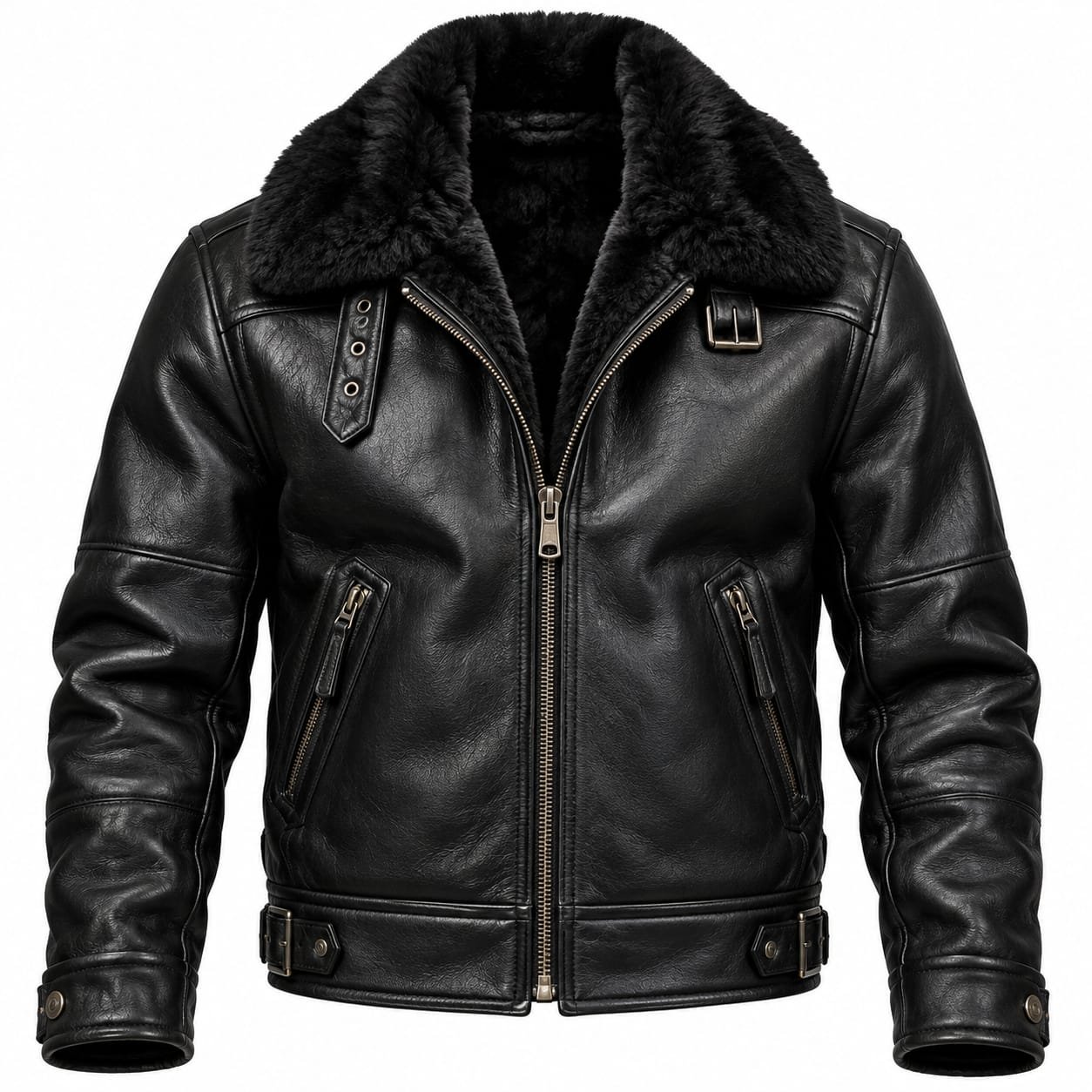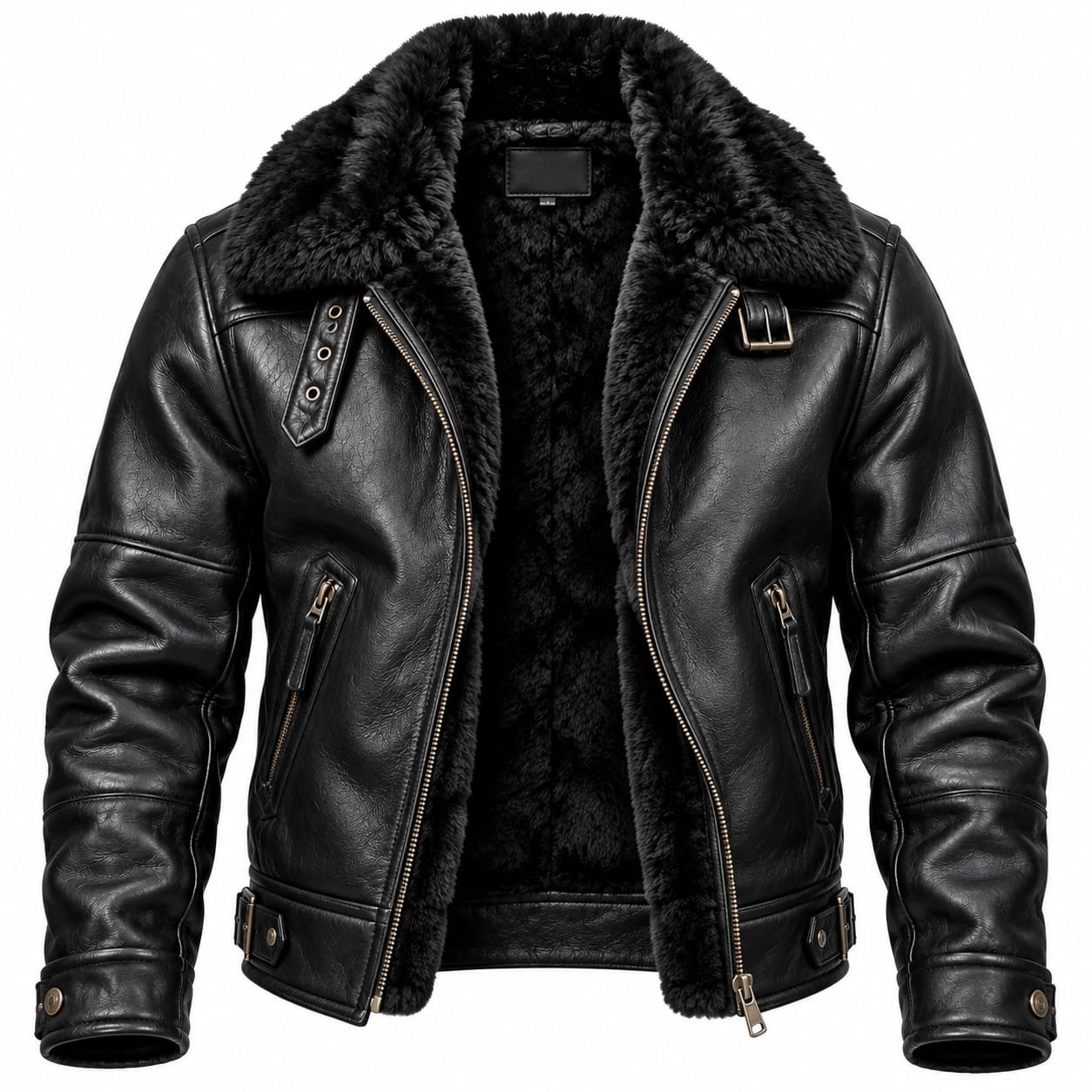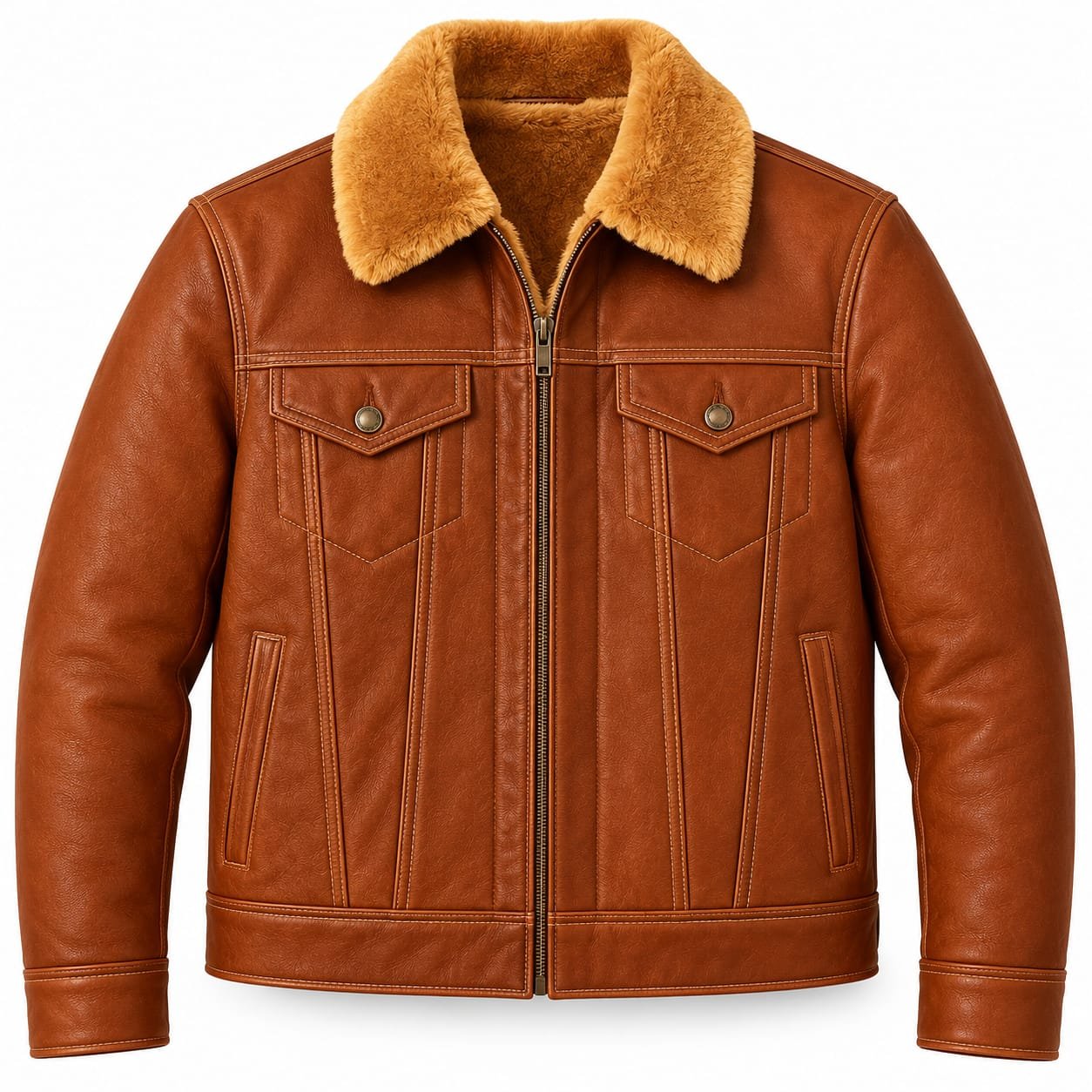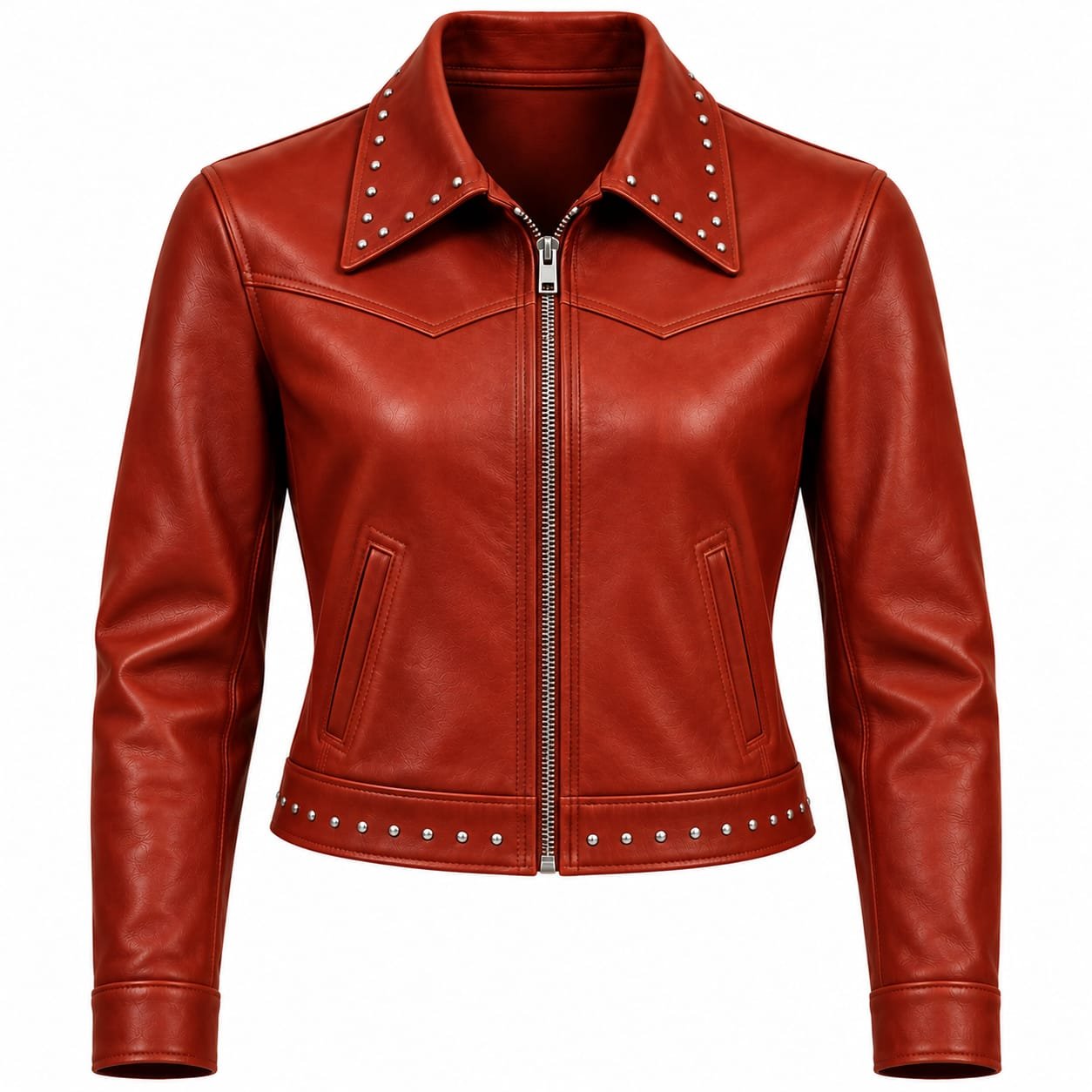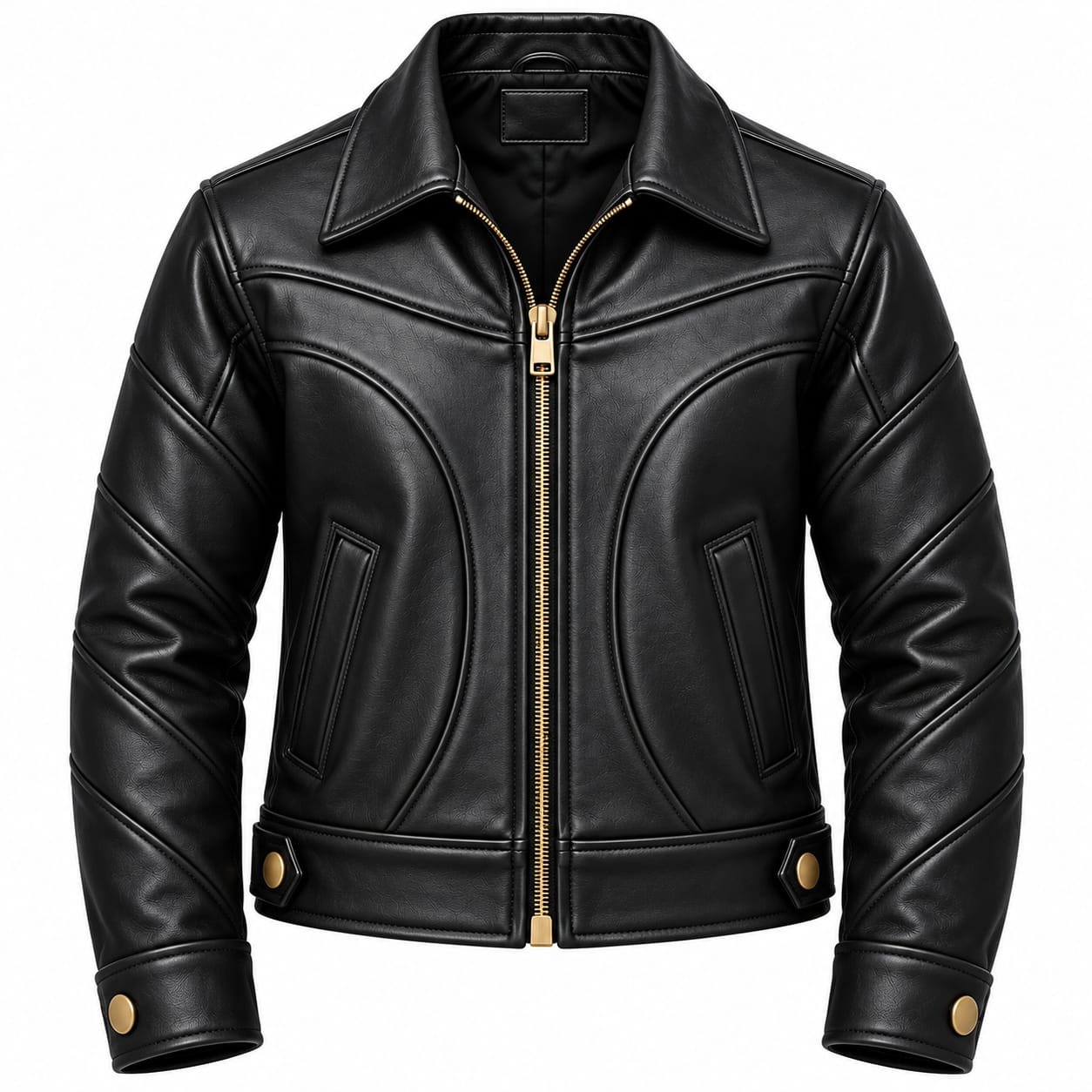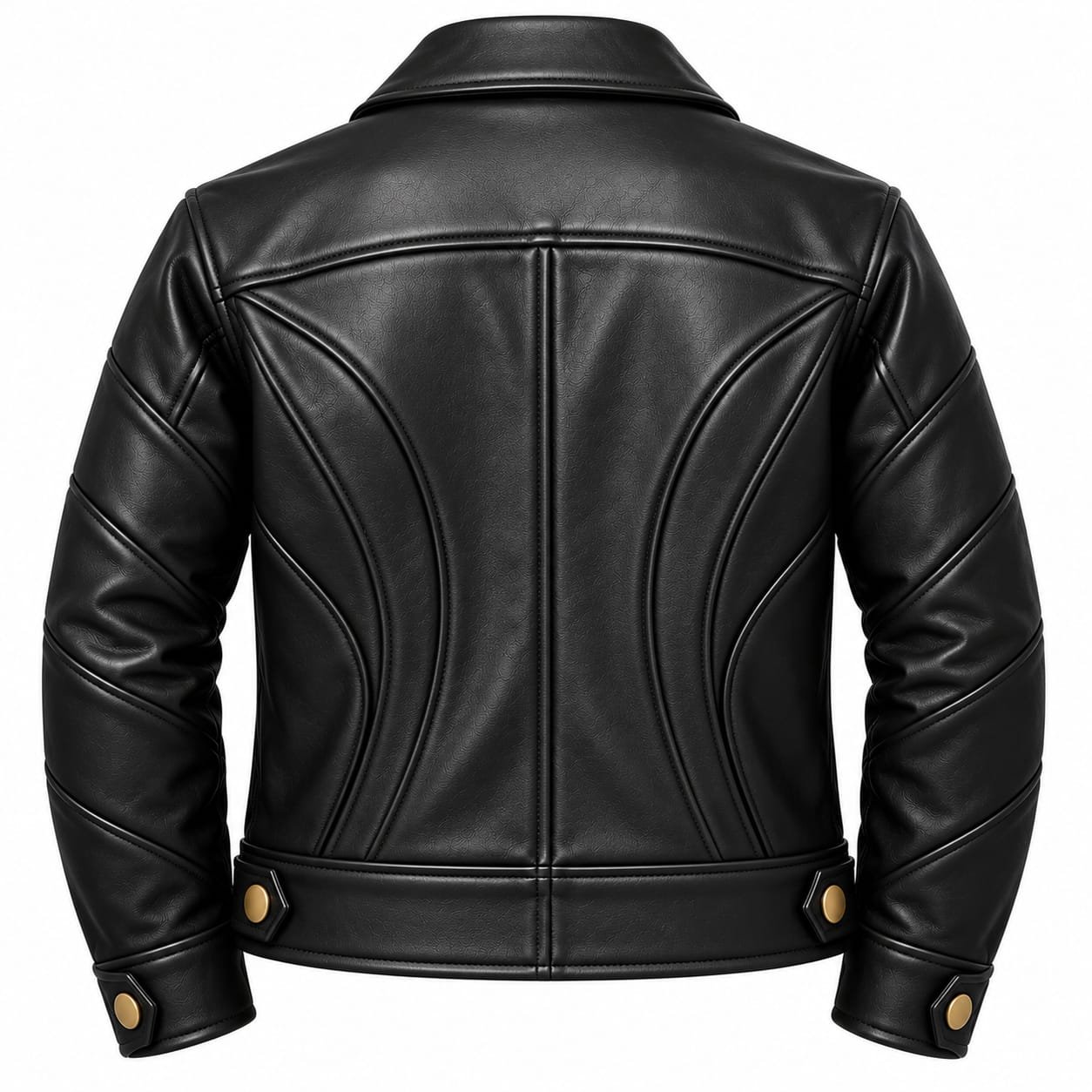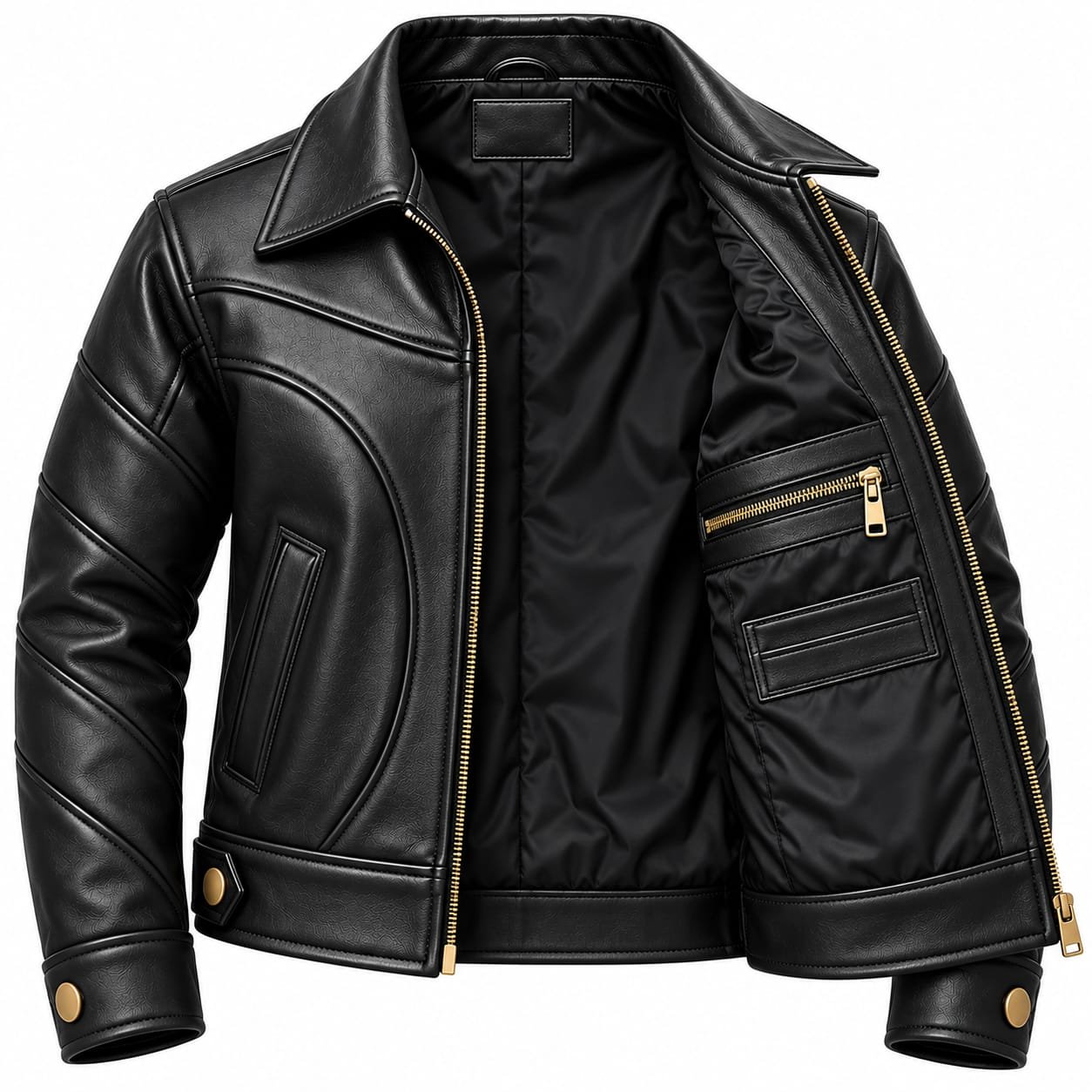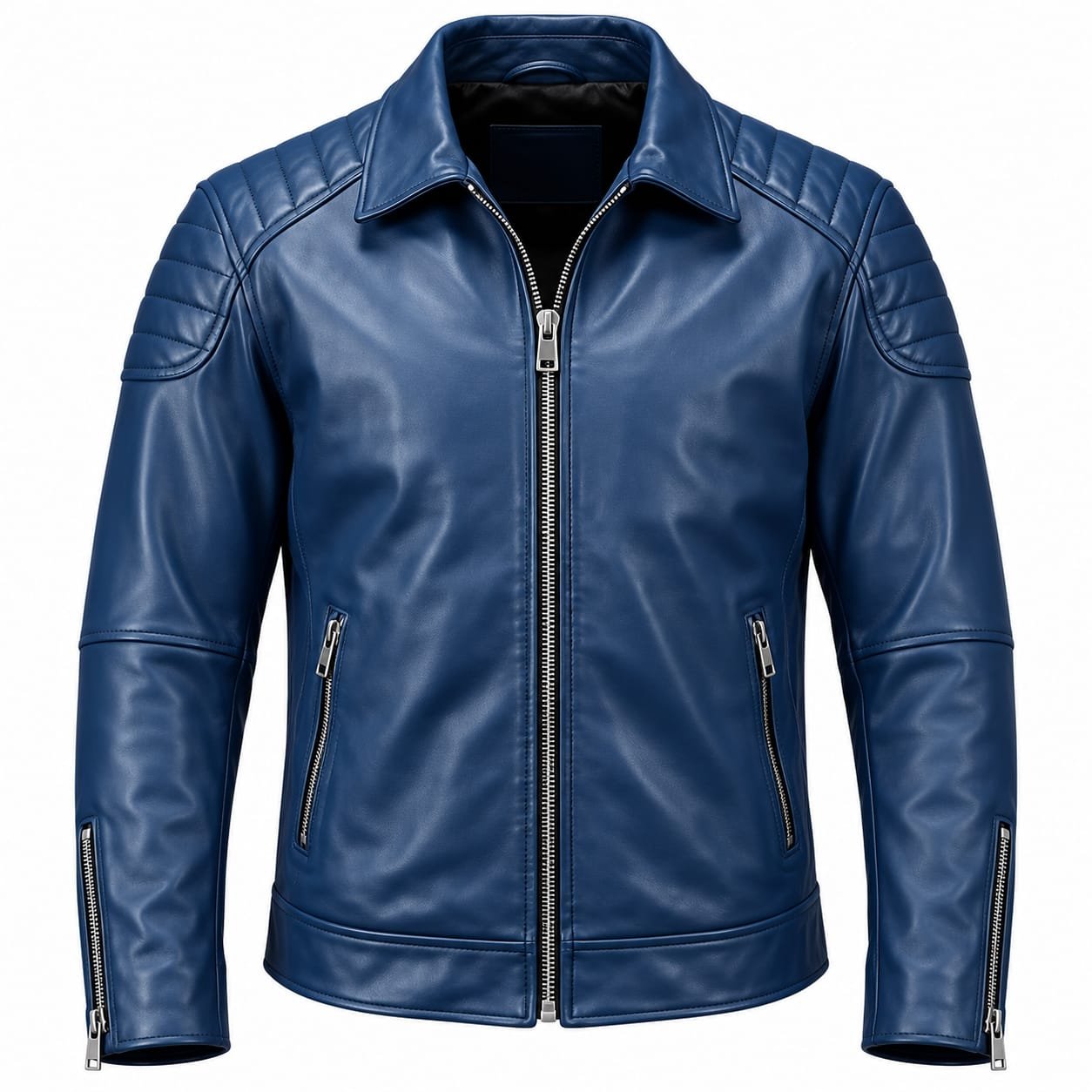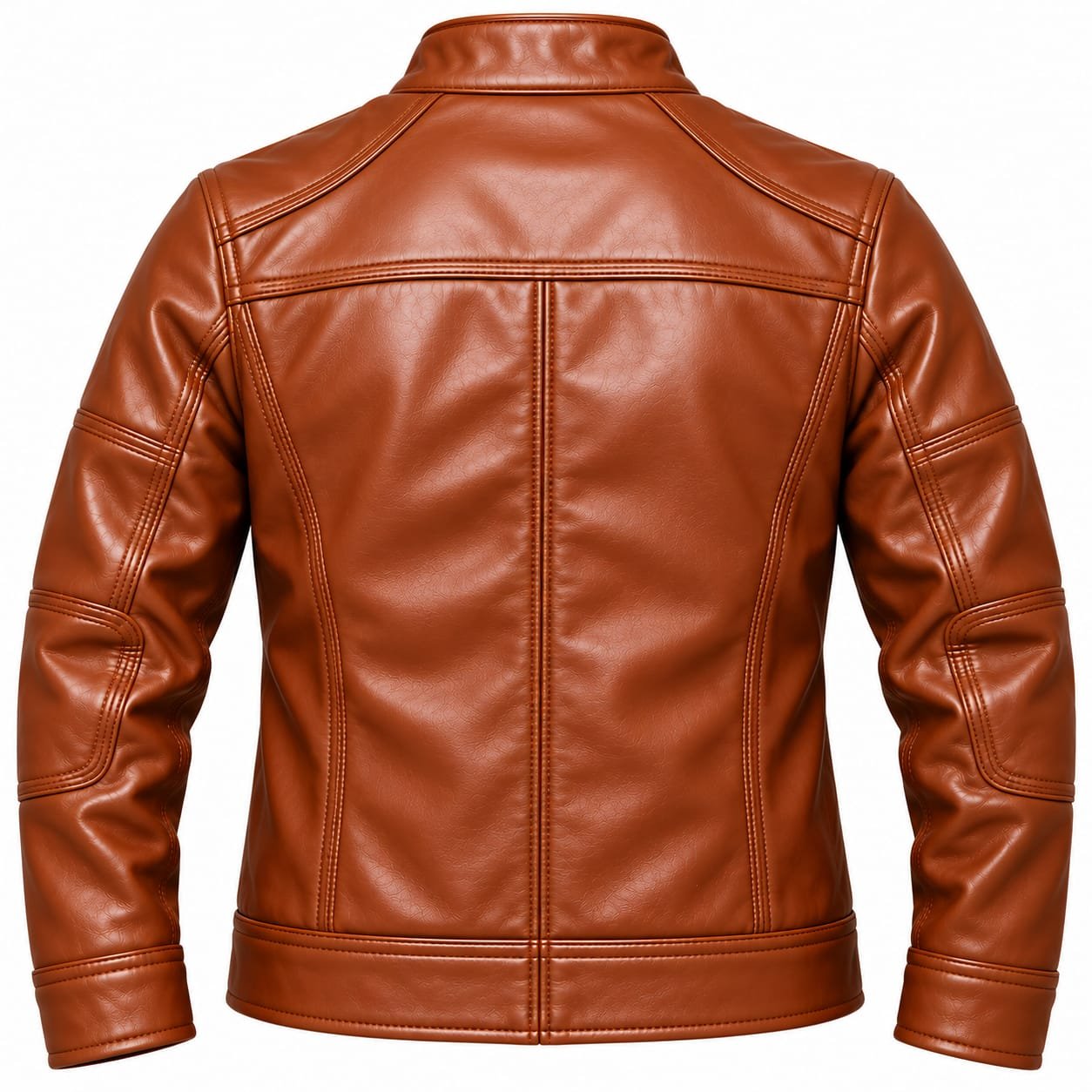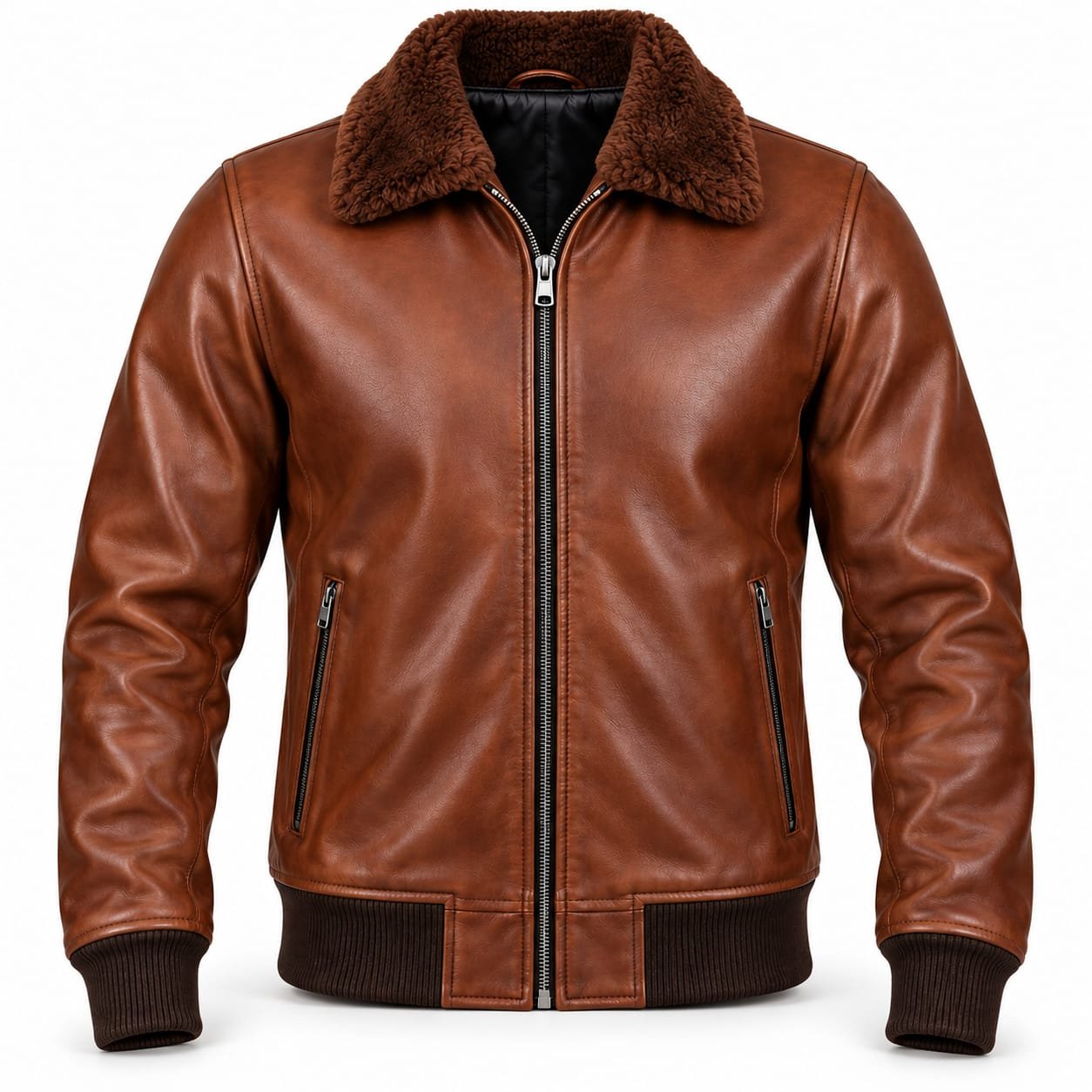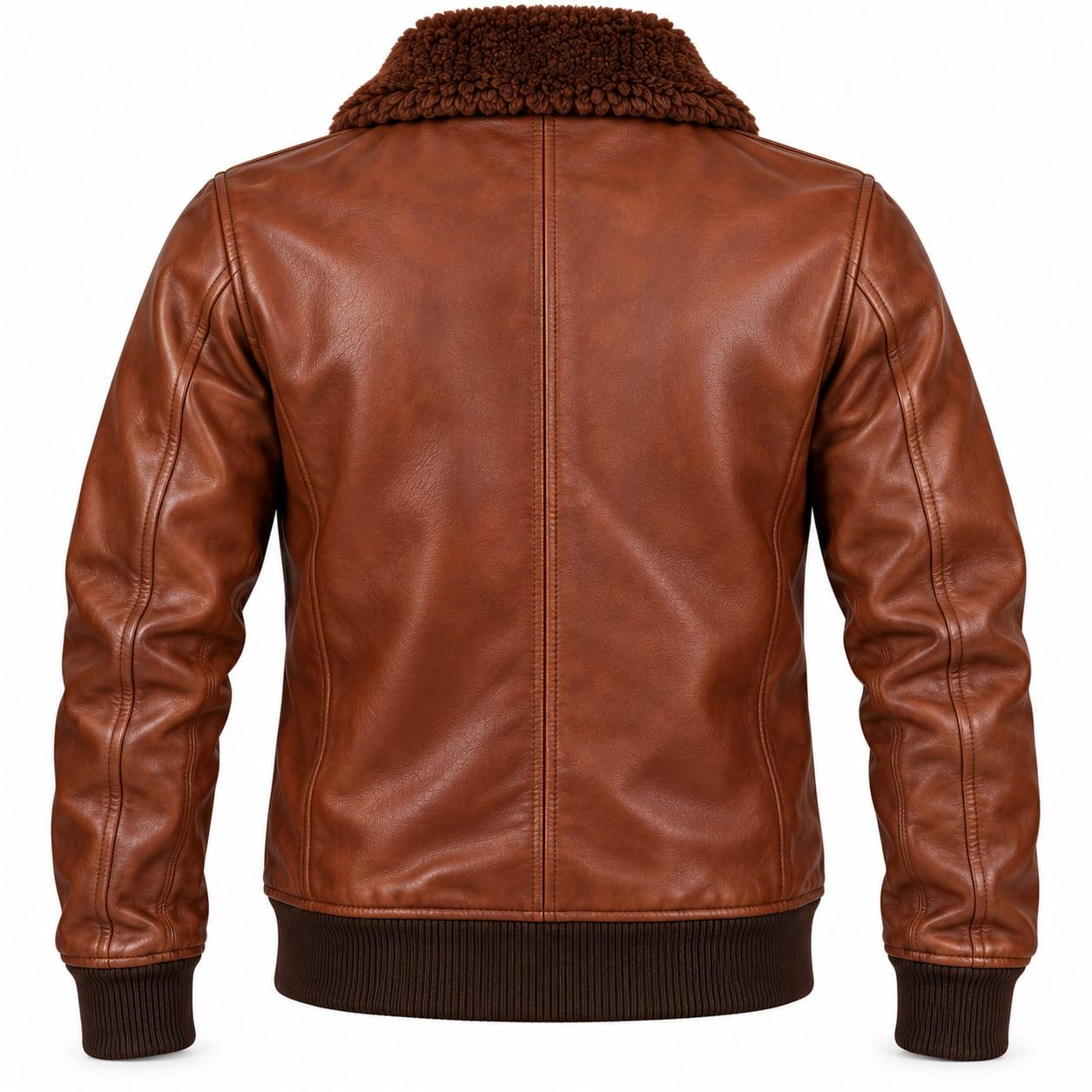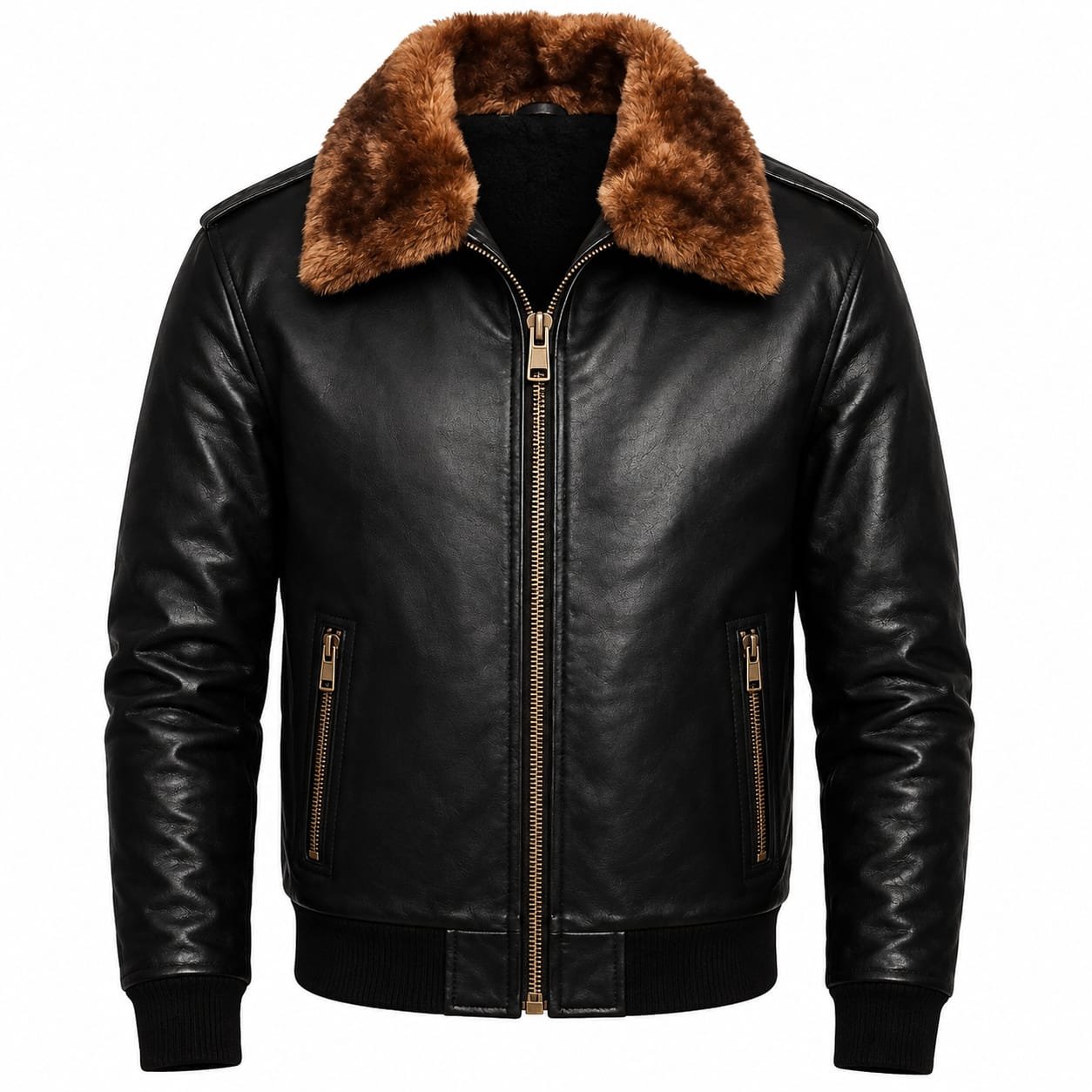
How to Tell If a Leather Jacket Is Good Quality Before Buying
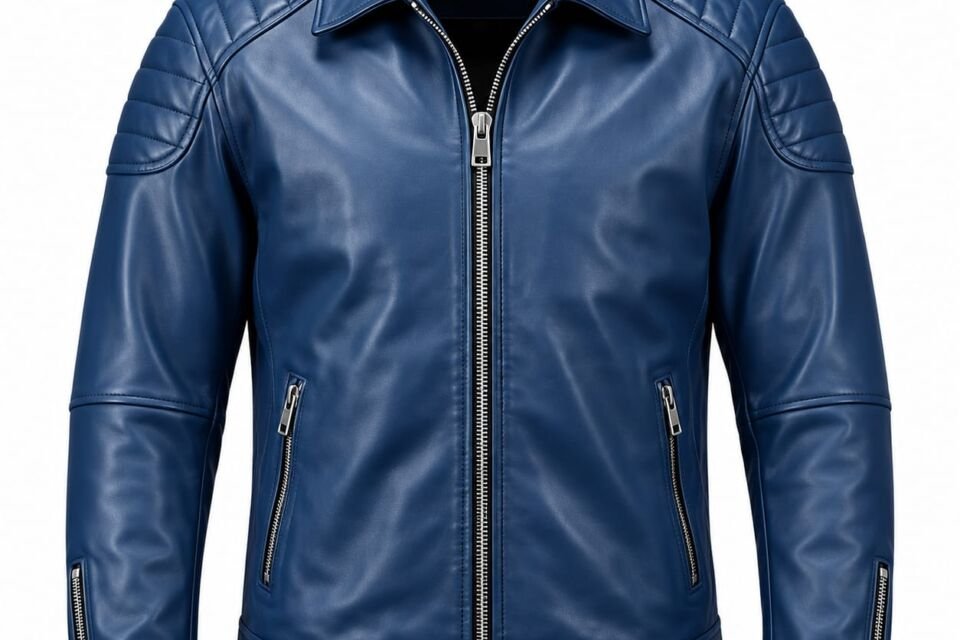
Buying a leather jacket is an investment, especially when you want a jacket that can last for years. But how can you tell whether a leather jacket is actually good quality before buying it?
Product photos can make almost any jacket look attractive. The real differences are usually found in the leather, stitching, hardware, lining, construction, and finishing.
In this guide, we explain the most important things to check before buying a leather jacket so you can make a more informed decision.
1. Check the Type of Leather
The first thing to check is the leather used to make the jacket.
Common leather types include:
- Lambskin
- Cowhide
- Goatskin
- Sheepskin
- Calfskin
Each leather type has different characteristics.
Lambskin is generally soft, lightweight, and smooth, making it popular for fashion jackets.
Cowhide is generally stronger and more rugged, making it suitable for durable jackets and motorcycle-inspired designs.
Goatskin can offer a balance between flexibility, durability, and natural grain.
The best leather depends on how you plan to use the jacket.
2. Understand Leather Grades
Leather terminology can sometimes be confusing because different sellers use different descriptions.
You may see terms such as:
- Full-grain leather
- Top-grain leather
- Corrected-grain leather
- Genuine leather
- Suede
These terms describe different types or treatments of leather.
Full-grain leather retains the natural grain and can develop a distinctive patina with use.
Top-grain leather is processed to create a more uniform appearance while retaining many of the characteristics of natural leather.
The important thing is to ask the seller exactly what leather is being used rather than relying only on marketing terms.
3. Look at the Leather Texture
High-quality leather usually has a natural and convincing appearance.
Depending on the leather type and finish, you may notice:
- Natural grain variation
- Subtle texture
- Softness
- Consistent finishing
- Natural creasing
Extremely uniform material is not automatically better. Natural leather can have small variations because it comes from an animal hide.
When buying online, ask for close-up photographs if the product images do not clearly show the leather texture.
4. Check the Leather Thickness
Leather thickness should match the intended purpose of the jacket.
A lightweight fashion jacket may use thinner leather for flexibility and comfort.
A motorcycle-style jacket may require a heavier construction for a more substantial feel.
There is no single thickness that makes every leather jacket high quality.
Instead, the leather thickness should be appropriate for the jacket’s design and intended use.
5. Examine the Stitching
Stitching is one of the easiest ways to evaluate garment construction.
Look for:
- Straight stitching
- Consistent stitch spacing
- Secure seams
- Reinforced stress points
- No loose threads
- Clean finishing
Pay particular attention to areas that experience more movement, such as the shoulders, armholes, pockets, cuffs, and zipper areas.
Poor stitching can reduce the durability of a jacket even if the leather itself is good.
6. Check the Zippers and Hardware
Zippers, snaps, buttons, buckles, and other hardware should operate smoothly.
Before buying, check whether:
- The zipper moves smoothly
- Snaps close securely
- Buttons are properly attached
- Hardware feels solid
- Metal components match the overall design
Hardware quality matters because these components are used frequently.
A premium leather jacket should have hardware that feels appropriate for the weight and construction of the garment.
7. Inspect the Lining
A leather jacket is not only about the outer leather.
The lining also affects comfort and durability.
Check whether the lining is:
- Properly attached
- Smooth
- Comfortable
- Cleanly finished
- Appropriate for the intended season
If the jacket is designed for colder weather, the lining may include insulation or additional layers.
For lightweight fashion jackets, a breathable and comfortable lining may be more appropriate.
8. Check the Collar and Cuffs
Collars and cuffs should maintain their shape and be securely attached.
For bomber jackets, the ribbed cuffs and waistband should have good recovery.
For biker jackets, the collar should sit properly and the hardware should be securely attached.
These details may seem small, but they contribute significantly to the overall appearance of the jacket.
9. Look at the Inside Construction
If possible, look inside the jacket.
The interior can reveal details that are not visible from the outside.
Check:
- Seam finishing
- Lining attachment
- Pocket construction
- Reinforcement
- Thread quality
- Internal labels
A well-constructed jacket should look properly finished inside as well as outside.
10. Check the Fit and Measurements
A high-quality leather jacket can still be a poor purchase if it does not fit correctly.
Before ordering online, compare the manufacturer’s measurements with your own.
Important measurements include:
- Chest
- Shoulder
- Sleeve
- Waist
- Jacket length
Do not rely only on S, M, L, XL, or XXL because sizing can vary between manufacturers.
A proper fit also depends on whether you plan to wear a T-shirt, shirt, sweater, or hoodie underneath.
11. Consider the Jacket’s Construction
Look at how the different panels are assembled.
A quality leather jacket should have properly aligned panels and clean seams.
The design should also make sense for the type of jacket.
For example, motorcycle jackets may require reinforced areas, while a lightweight fashion jacket may prioritize flexibility and a softer construction.
12. Don’t Judge Quality Only by Price
A high price does not automatically mean a leather jacket is high quality.
Similarly, a low price does not necessarily mean the jacket is poor quality.
Price can be influenced by:
- Leather type
- Leather quality
- Manufacturing location
- Production volume
- Brand markup
- Hardware
- Construction
- Customization
- Marketing costs
Instead of asking only “How much does it cost?”, ask what you are actually getting for that price.
13. Ask the Manufacturer Questions
If you are buying directly from a manufacturer, ask specific questions.
For example:
What type of leather is used?
What is the leather thickness?
Is the jacket lined?
What type of hardware is used?
Can you provide close-up leather photos?
Can the measurements be customized?
Can I order a sample before placing a bulk order?
These questions can help you understand the product before making a purchase.
14. Request a Sample for Bulk Orders
If you are a fashion brand, retailer, or business planning to purchase multiple leather jackets, ordering a sample first is strongly recommended.
A sample allows you to evaluate:
- Leather quality
- Color
- Fit
- Stitching
- Hardware
- Lining
- Measurements
- Overall finishing
Once the sample is approved, bulk production can be based on the approved specifications.
15. Signs of a Poor-Quality Leather Jacket
Be careful if you notice:
- Loose stitching
- Uneven seams
- Weak zippers
- Poorly attached buttons
- Excessive loose threads
- Incorrect measurements
- Poor lining attachment
- Unclear leather specifications
- Misleading product descriptions
- No detailed size chart
One problem does not necessarily mean the entire jacket is poor quality, but several problems together should be a warning sign.
What Is the Most Important Thing to Check?
If you only have a few minutes to evaluate a leather jacket, focus on these five areas:
- Leather type and quality
- Stitching and construction
- Hardware
- Fit and measurements
- Overall finishing
These factors provide a much better indication of quality than photographs alone.
Can You Get a High-Quality Custom Leather Jacket?
Yes. Custom manufacturing allows you to specify the leather, design, measurements, hardware, lining, colors, and other details.
This can be particularly useful for fashion brands and retailers that want a unique product rather than a standard wholesale design.
At Zentro Leather, customers can discuss custom leather jacket requirements and develop products according to their desired specifications.
Final Thoughts
Knowing how to evaluate leather quality can help you avoid disappointing purchases.
Don’t judge a leather jacket only by its appearance or price. Check the leather, stitching, hardware, lining, measurements, and construction.
For online buyers, detailed product information and clear photographs are especially important. For retailers and brands, ordering a sample before bulk production is one of the best ways to evaluate a manufacturer.
A well-made leather jacket should combine suitable leather, reliable construction, comfortable fit, functional hardware, and clean finishing.
At Zentro Leather, we manufacture leather jackets for brands, retailers, and individual customers looking for custom designs and manufacturing solutions.