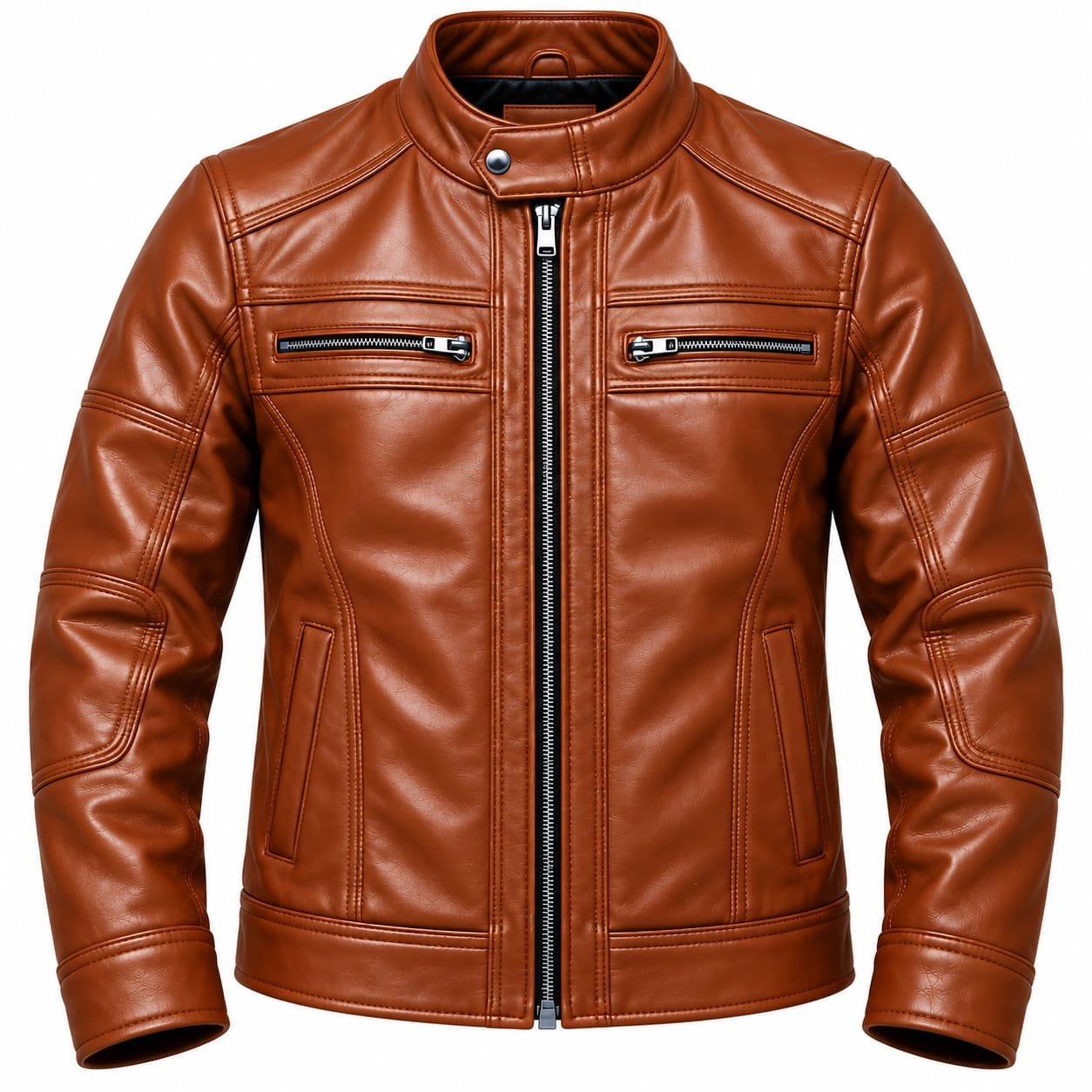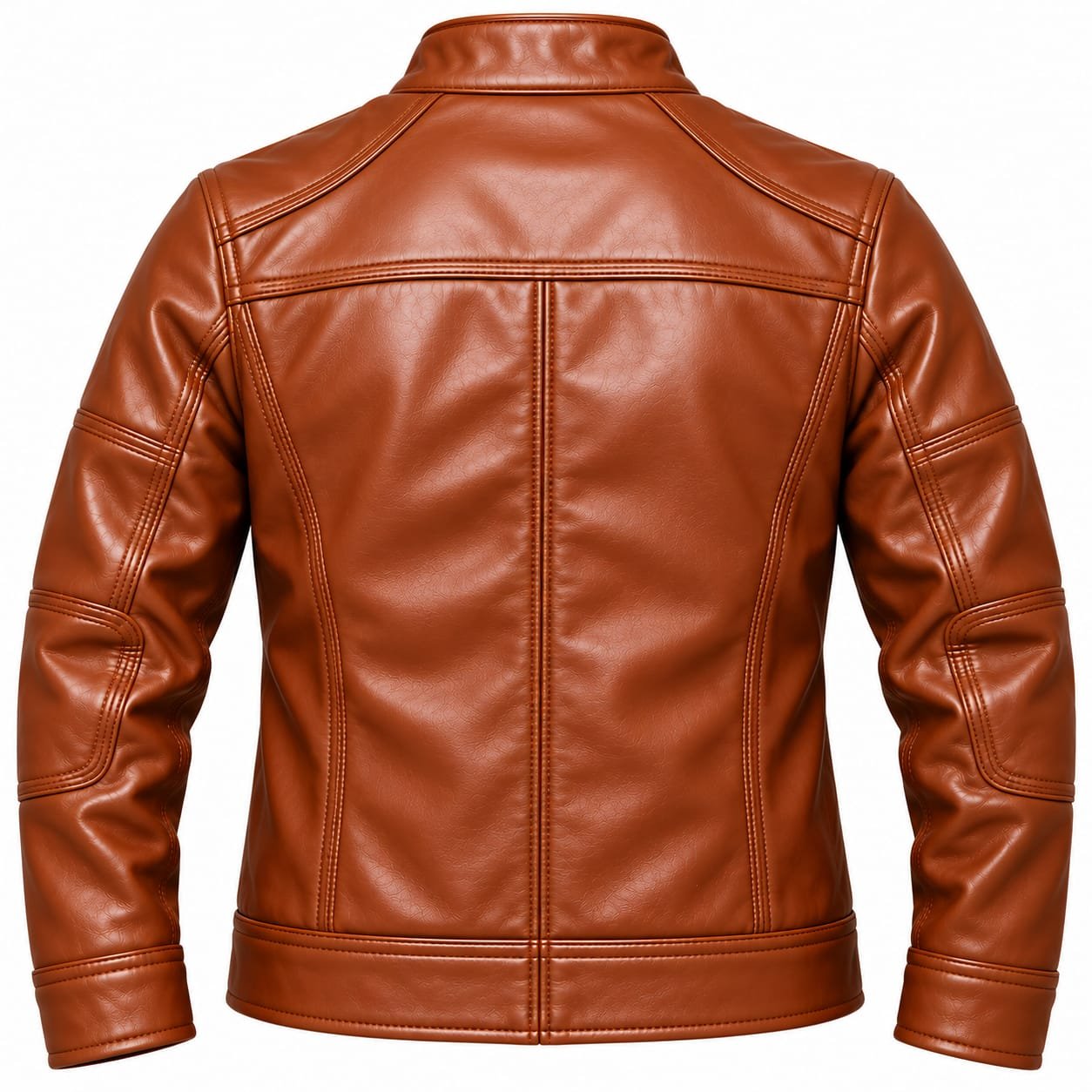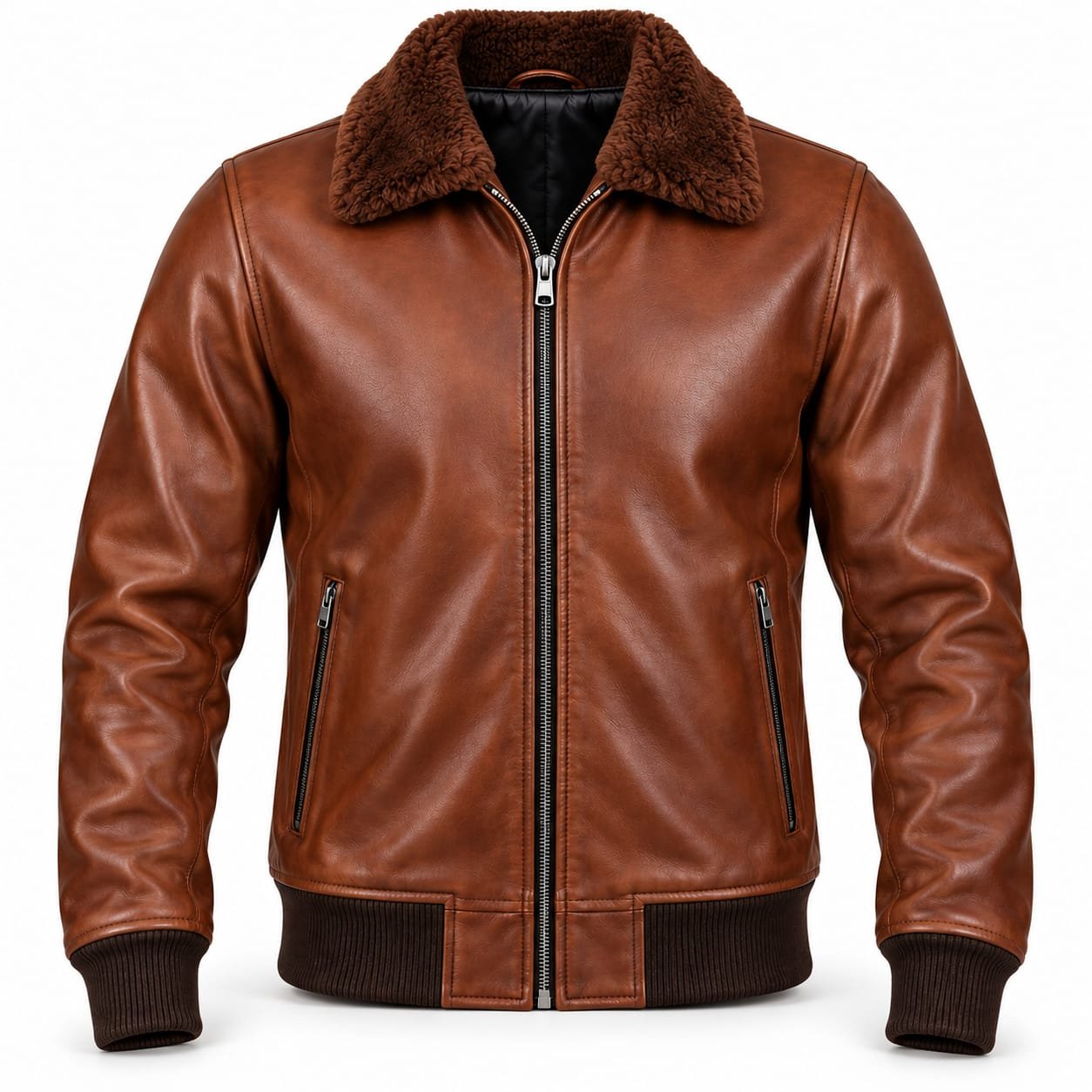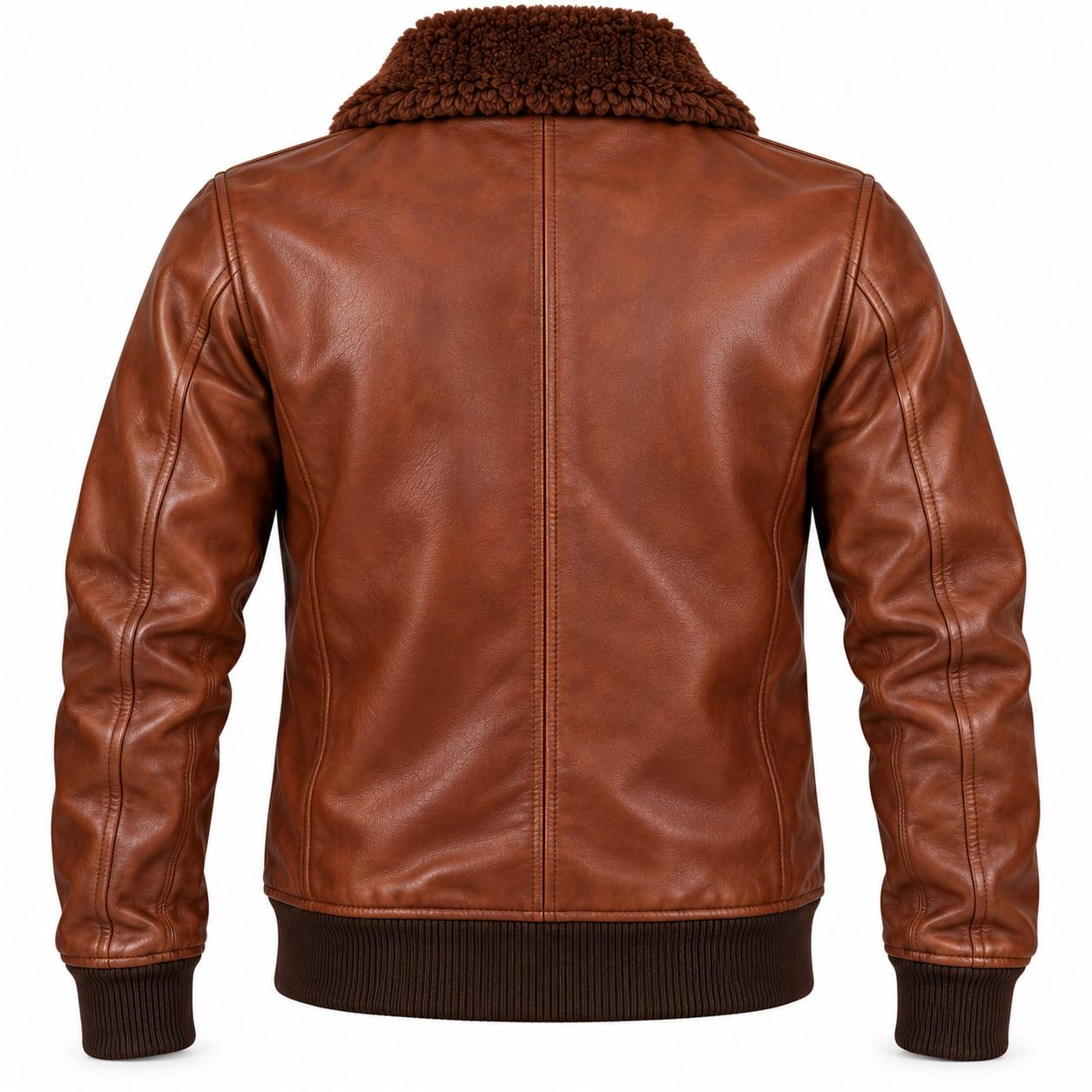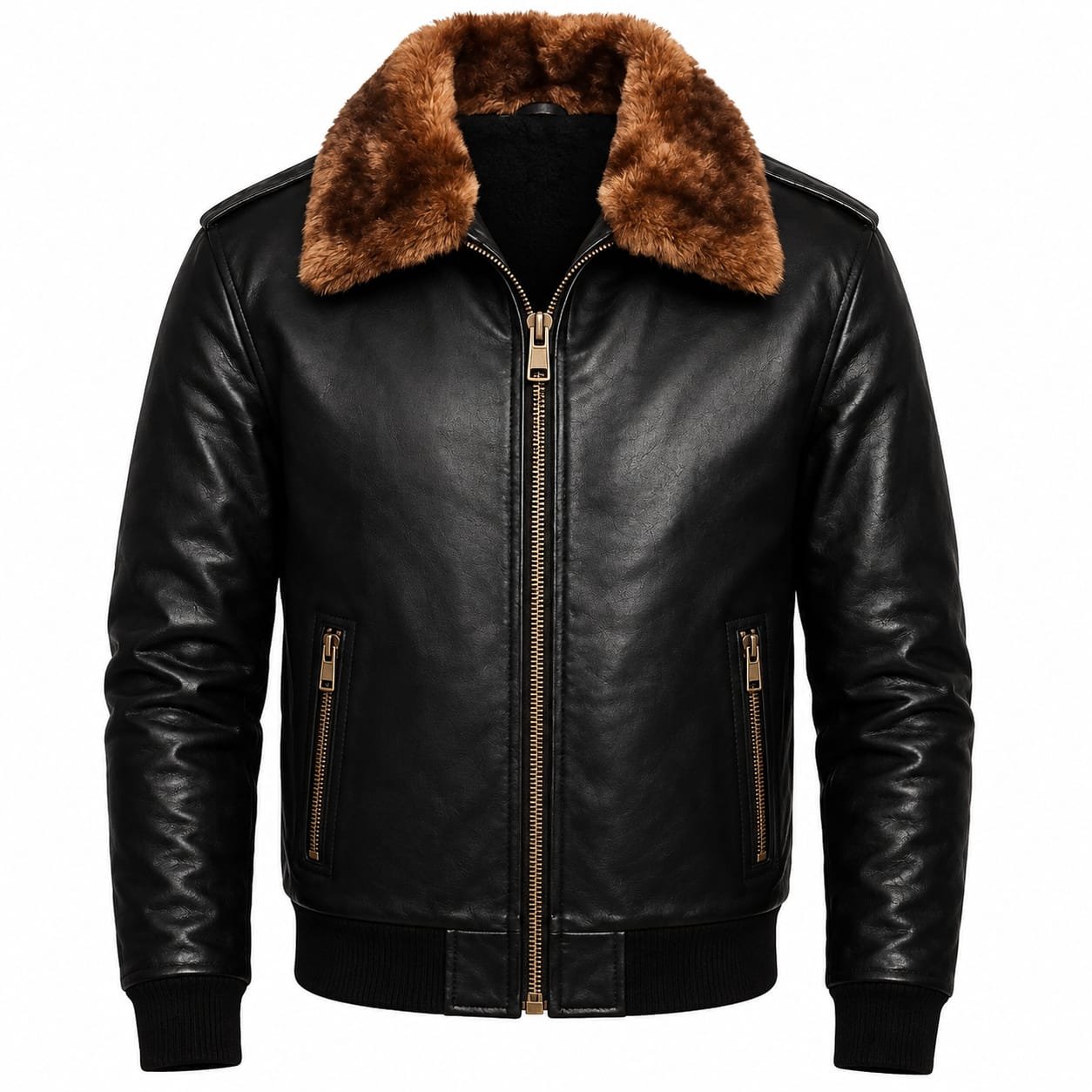
Are Leather Jackets Waterproof? What Happens When Leather Gets Wet?
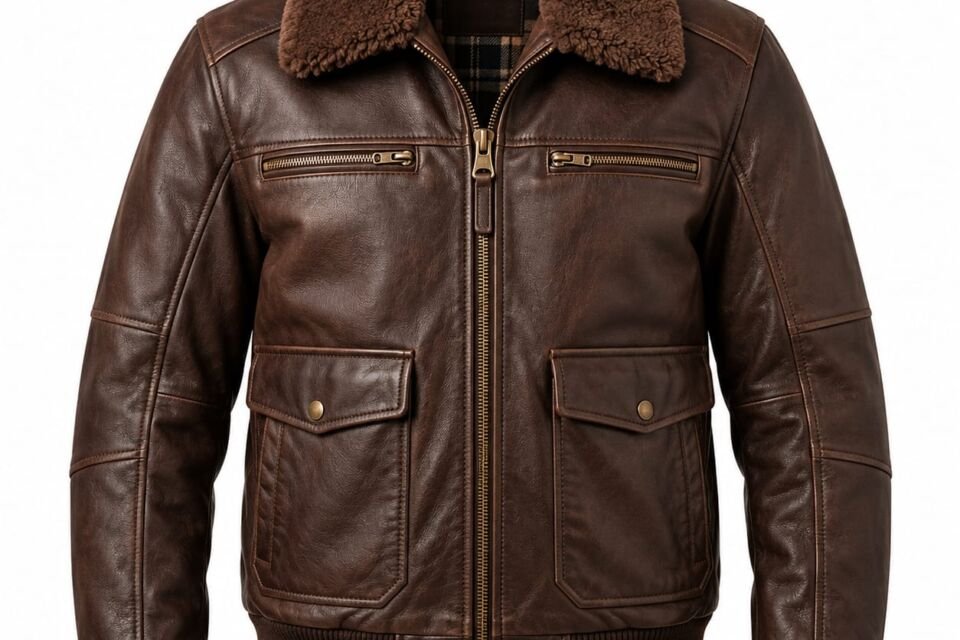
Leather jackets are popular for their durability, style, and versatility, but many buyers have an important question before purchasing one:
Are leather jackets waterproof?
The short answer is usually no. Most genuine leather jackets are not completely waterproof. Some leather jackets can offer a degree of water resistance depending on the leather type, tanning process, finish, and protective treatment.
A small amount of rain may not immediately damage a quality leather jacket, but prolonged exposure to water can affect the leather’s texture, appearance, color, and long-term durability.
In this guide, Zentro Leather explains what happens when leather gets wet, how to protect a leather jacket from rain, and what to do if your jacket becomes soaked.
Are Genuine Leather Jackets Waterproof?
Genuine leather is naturally resistant to some moisture, but it should not automatically be considered waterproof.
Leather contains natural fibers and pores that can absorb moisture.
The level of water resistance depends on factors such as:
- Leather type
- Leather thickness
- Tanning method
- Surface finish
- Protective coating
- Conditioning
- Jacket construction
A finished leather jacket with a protective surface treatment may handle light rain better than an untreated leather jacket.
However, even water-resistant leather should not be treated as completely waterproof unless the manufacturer specifically states that the product has been designed and tested for waterproof performance.
What Happens When Leather Gets Wet?
When leather becomes wet, moisture can penetrate the surface and affect the material.
If the jacket gets lightly wet and is dried correctly, it may not experience any serious damage.
Problems are more likely when leather is repeatedly soaked or dried incorrectly.
Potential issues include:
- Stiffness
- Changes in texture
- Water marks
- Color changes
- Shrinkage
- Dryness
- Cracking
- Loss of natural oils
- Surface damage
The risk depends on the type and finish of the leather.
Can You Wear a Leather Jacket in the Rain?
You can wear some leather jackets in light rain, but this does not mean that the jacket is waterproof.
If you are caught in a short, light shower, gently drying the jacket afterward is usually more appropriate than panicking about immediate damage.
However, leather jackets should not be intentionally exposed to heavy rain for long periods unless they are specifically designed and treated for that purpose.
For regular use in very wet climates, buyers should consider the manufacturer’s water-resistance recommendations.
What Should You Do If Your Leather Jacket Gets Wet?
If your leather jacket gets wet, the most important thing is to avoid excessive heat.
Follow these basic steps.
Step 1: Remove Excess Water
Use a clean, soft cloth to gently blot the surface.
Do not aggressively rub the leather.
The goal is to remove surface moisture without damaging the finish.
Step 2: Hang the Jacket Properly
Place the jacket on a wide, sturdy hanger.
This helps maintain the shape of the shoulders while the jacket dries.
Step 3: Let It Dry Naturally
Allow the jacket to dry at room temperature in a well-ventilated area.
Do not place it directly next to a radiator or heater.
Step 4: Avoid Direct Sunlight
Do not leave wet leather in strong direct sunlight for extended periods.
Rapid drying can affect the leather.
Step 5: Condition When Appropriate
Once the jacket is completely dry, an appropriate leather conditioner may help maintain flexibility.
Always choose a product compatible with the specific leather and test it on an inconspicuous area first.
Can You Use a Hair Dryer on Wet Leather?
It is generally best to avoid using a hair dryer directly on genuine leather.
High heat can cause leather to dry too quickly.
This can contribute to:
- Stiffness
- Shrinkage
- Surface changes
- Cracking
- Loss of flexibility
Natural air drying is usually the safer approach.
Can You Put a Wet Leather Jacket in a Dryer?
No, a conventional clothes dryer is generally unsuitable for genuine leather unless the manufacturer’s care instructions specifically allow it.
The combination of heat and mechanical movement can damage leather.
If a leather jacket becomes heavily soaked, professional leather cleaning or restoration may be a better option.
Is Lambskin Waterproof?
Lambskin is known for being soft, lightweight, and comfortable, but it should not automatically be considered waterproof.
Its softness makes it particularly popular for fashion jackets, but buyers should take care when exposing it to moisture.
For lambskin jackets:
- Avoid prolonged heavy rain
- Wipe off water gently
- Allow natural drying
- Avoid excessive heat
- Use suitable leather-care products
Always follow the manufacturer’s care instructions for the specific finish.
Is Cowhide Waterproof?
Cowhide is generally strong and durable, but cowhide itself is not automatically waterproof.
A finished cowhide jacket may have better resistance to light moisture depending on its surface treatment.
Because cowhide is commonly used for biker and motorcycle jackets, some products may be designed with additional protective treatments.
However, leather type alone does not determine waterproof performance.
Is Suede Waterproof?
Suede generally requires more caution around water than many smooth finished leathers.
Water can change the appearance and texture of suede and may leave visible marks.
If you own a suede jacket, use products specifically designed for suede and follow the manufacturer’s care instructions.
Avoid treating suede with ordinary smooth-leather conditioners.
What Is the Difference Between Waterproof and Water-Resistant Leather?
These terms should not be confused.
Water-Resistant
Water-resistant leather can resist some moisture for a limited period.
It may handle light rain or occasional exposure better than untreated leather.
Waterproof
Waterproof generally means the material or garment has been designed to provide a much higher level of protection against water.
A jacket should not be described as waterproof simply because it is made from leather.
The construction, seams, closures, membrane, coatings, and testing all matter.
How Can You Make a Leather Jacket More Water-Resistant?
There are leather-care products designed to provide additional water resistance.
Before using one, check whether it is suitable for your particular leather.
The wrong product can affect:
- Color
- Texture
- Finish
- Softness
- Breathability
Always test a new product on a hidden area first.
For suede and specialty finishes, use products specifically made for those materials.
Should You Waterproof a New Leather Jacket?
Not necessarily.
If the manufacturer has already applied a suitable protective finish, additional treatment may not be required.
Applying unnecessary products can sometimes change the original appearance or feel.
Before treating a new jacket, check the care instructions and determine whether the manufacturer recommends additional protection.
Leather Jackets in Rainy Climates
If you live in a location with frequent rain, consider the jacket’s intended use before purchasing.
For occasional rain, a treated leather jacket may be sufficient.
For regular heavy rain, you may want to consider:
- A water-resistant leather finish
- A suitable protective treatment
- A jacket with weather-resistant construction
- Appropriate outerwear for very wet conditions
Leather can be an excellent material for cool and changing weather, but it is not automatically a replacement for technical waterproof outerwear.
What About Motorcycle Leather Jackets?
Motorcycle jackets have different requirements from everyday fashion jackets.
Riders may encounter:
- Rain
- Wind
- Road spray
- Dust
- Abrasion
- Changing temperatures
A motorcycle jacket should therefore be selected based on the intended riding conditions.
Some motorcycle leather jackets may feature protective finishes or additional construction designed for riding.
However, leather motorcycle gear should not automatically be considered waterproof.
If regular wet-weather riding is expected, riders should check the manufacturer’s weather-resistance specifications.
Does Water Damage the Color of Leather?
Water can sometimes affect the appearance of leather.
Depending on the leather and finish, moisture may create:
- Dark spots
- Water marks
- Uneven color
- Changes in surface appearance
Dark leather may show some moisture effects less noticeably than light-colored leather, but this does not mean it is immune to damage.
If a jacket develops significant water staining, avoid aggressive home treatments and consider professional leather care.
Can Wet Leather Become Stiff?
Yes.
Leather can become stiff when it loses moisture and natural oils, particularly if it has been soaked and then dried rapidly.
This is one reason why direct heat should be avoided.
After the jacket is completely dry, an appropriate leather conditioner may help restore flexibility if the leather-care instructions allow it.
Can Water Make Leather Crack?
Repeated soaking, improper drying, excessive heat, and inadequate maintenance can contribute to leather becoming dry and eventually cracking.
However, cracking can also result from age, environmental conditions, poor-quality material, or improper storage.
Proper care can help reduce unnecessary damage.
How to Protect Your Leather Jacket From Rain
You can reduce the risk of water damage by following a few simple practices.
1. Check the Care Instructions
The manufacturer’s instructions should be your first reference.
2. Use a Suitable Water-Resistant Treatment
Only use products compatible with your leather.
3. Avoid Heavy Rain When Possible
If severe weather is expected, consider another outerwear option.
4. Dry the Jacket Correctly
Allow natural drying rather than using strong heat.
5. Store It Properly
Keep the jacket in a cool, dry, ventilated location.
6. Maintain the Leather
Appropriate cleaning and conditioning can help preserve the material over time.
Are Leather Jackets Good for Winter?
Leather jackets can be excellent winter outerwear, but warmth depends on the entire garment.
Important factors include:
- Leather thickness
- Lining
- Insulation
- Collar design
- Cuffs
- Jacket length
- Fit
- Layering
A shearling leather jacket, for example, can provide significantly different warmth from a lightweight lambskin fashion jacket.
Therefore, buyers should look at the complete jacket rather than the word “leather” alone.
What Leather Is Best for Wet Weather?
There is no universal answer.
For wet-weather use, buyers should look for a leather jacket with a suitable protective finish and construction designed to handle moisture.
The leather type itself does not guarantee waterproof performance.
A treated smooth leather jacket may handle light rain better than untreated suede, but the exact performance depends on the product specification.
What Should Brands Consider When Developing Water-Resistant Leather Jackets?
For brands and retailers, weather resistance should be considered during product development.
Important factors include:
- Leather selection
- Surface finish
- Water-resistant treatment
- Seam construction
- Zipper selection
- Closure design
- Lining
- Cuffs
- Collar
- Jacket pattern
- Intended market
- Care instructions
If a brand wants to market a jacket as water-resistant or waterproof, the claim should accurately reflect the product’s actual construction and testing.
Custom Leather Jacket Manufacturing
For brands developing their own leather jacket collection, material and finish selection should happen before production.
A manufacturer can help buyers evaluate options based on:
- Leather type
- Leather thickness
- Color
- Finish
- Water-resistant treatment
- Hardware
- Lining
- Pattern
- Fit
- Branding
- Packaging
This is particularly important for brands targeting customers in climates where rain and moisture are common.
Custom Leather Jackets From Zentro Leather
Zentro Leather works with brands, retailers, and businesses looking for custom leather jackets and private-label manufacturing.
Custom production can include:
- Leather selection
- Custom colors
- Surface finishes
- Jacket patterns
- Custom sizing
- Hardware
- Zippers
- Linings
- Pockets
- Labels
- Branding
- Packaging
If your brand needs a leather jacket designed for a particular climate or customer group, discussing the intended use and material requirements with the manufacturer before production can help create a more suitable product.
Frequently Asked Questions
Are leather jackets completely waterproof?
Most genuine leather jackets are not completely waterproof. Some can be water-resistant depending on their leather, finish, treatment, and construction.
Can I wear my leather jacket in light rain?
Some leather jackets can handle light rain, but prolonged exposure should be avoided unless the jacket is specifically designed for wet-weather use.
What should I do if my leather jacket gets soaked?
Gently remove excess water, place it on a broad hanger, and allow it to dry naturally away from direct heat and strong sunlight.
Can I use a hair dryer to dry leather?
It is generally better to avoid direct high heat because it can cause leather to dry too quickly and become stiff or damaged.
Is suede more sensitive to water?
Suede can show water marks and texture changes, so it generally requires more careful moisture management and suitable suede-specific care products.
Can I make my leather jacket water-resistant?
Suitable leather-protection products may improve water resistance, but you should choose a product specifically compatible with your leather and finish.
Is a leather motorcycle jacket waterproof?
Not automatically. Some motorcycle jackets may have water-resistant treatments or weather-resistant construction, but buyers should check the specific product specifications.
Final Thoughts
Leather jackets offer durability, style, and versatility, but genuine leather should not automatically be treated as waterproof.
Light moisture may be manageable for some leather jackets, while prolonged exposure to heavy rain can cause problems. Proper drying, suitable conditioning, correct storage, and appropriate protective treatments can help maintain the jacket.
If you live in a rainy climate or plan to use a leather jacket for motorcycle riding, choose a product based on its complete construction and weather-resistance specifications rather than leather type alone.
For brands and retailers, water resistance should be considered during the product-development stage, including leather selection, finish, construction, hardware, and care instructions.
At Zentro Leather, custom leather jacket production can be developed around different materials, finishes, designs, sizes, branding requirements, and target markets.