What Is the Best Leather for a Jacket? A Complete Guide to Leather Types
Choosing the right leather is one of the most important decisions when buying a leather jacket. Different leather types have different levels of softness, durability, weight, texture, appearance, and price.
A soft lambskin jacket may be ideal for someone looking for lightweight fashion outerwear, while a thicker cowhide jacket may be better for motorcycle riding or heavy everyday use. Goatskin can offer a balance between durability and flexibility, while suede and shearling provide a completely different look and feel.
For brands and retailers, leather selection is even more important because the material affects the final product’s appearance, pricing, positioning, and customer experience.
In this guide, Zentro Leather explains the most common leather types used for jackets and how to choose the right one for your needs.
What Is the Best Leather for a Jacket?
There is no single leather that is best for every jacket.
The right choice depends on:
- How you plan to use the jacket
- Desired softness
- Durability requirements
- Weather conditions
- Jacket style
- Budget
- Desired appearance
- Weight
- Brand positioning
For example, lambskin is known for its softness and lightweight feel, while cowhide is commonly chosen when durability and a heavier structure are important.
1. Lambskin Leather
Lambskin is popular for premium fashion jackets because it is soft, smooth, lightweight, and comfortable.
It can create an elegant and refined appearance and is often used for fashion jackets, casual leather jackets, women’s jackets, men’s fashion jackets, and luxury outerwear.
Advantages of Lambskin
- Very soft feel
- Lightweight
- Comfortable against the body
- Smooth appearance
- Premium fashion look
- Suitable for lightweight jackets
Disadvantages of Lambskin
Because lambskin is relatively delicate compared with heavier hides, it may require more careful handling.
It can be more susceptible to scratches and surface damage than thicker leather.
Best For
Lambskin is a strong option for buyers who prioritize softness, comfort, lightweight construction, and premium fashion styling.
2. Cowhide Leather
Cowhide is one of the most commonly used leather types for durable jackets.
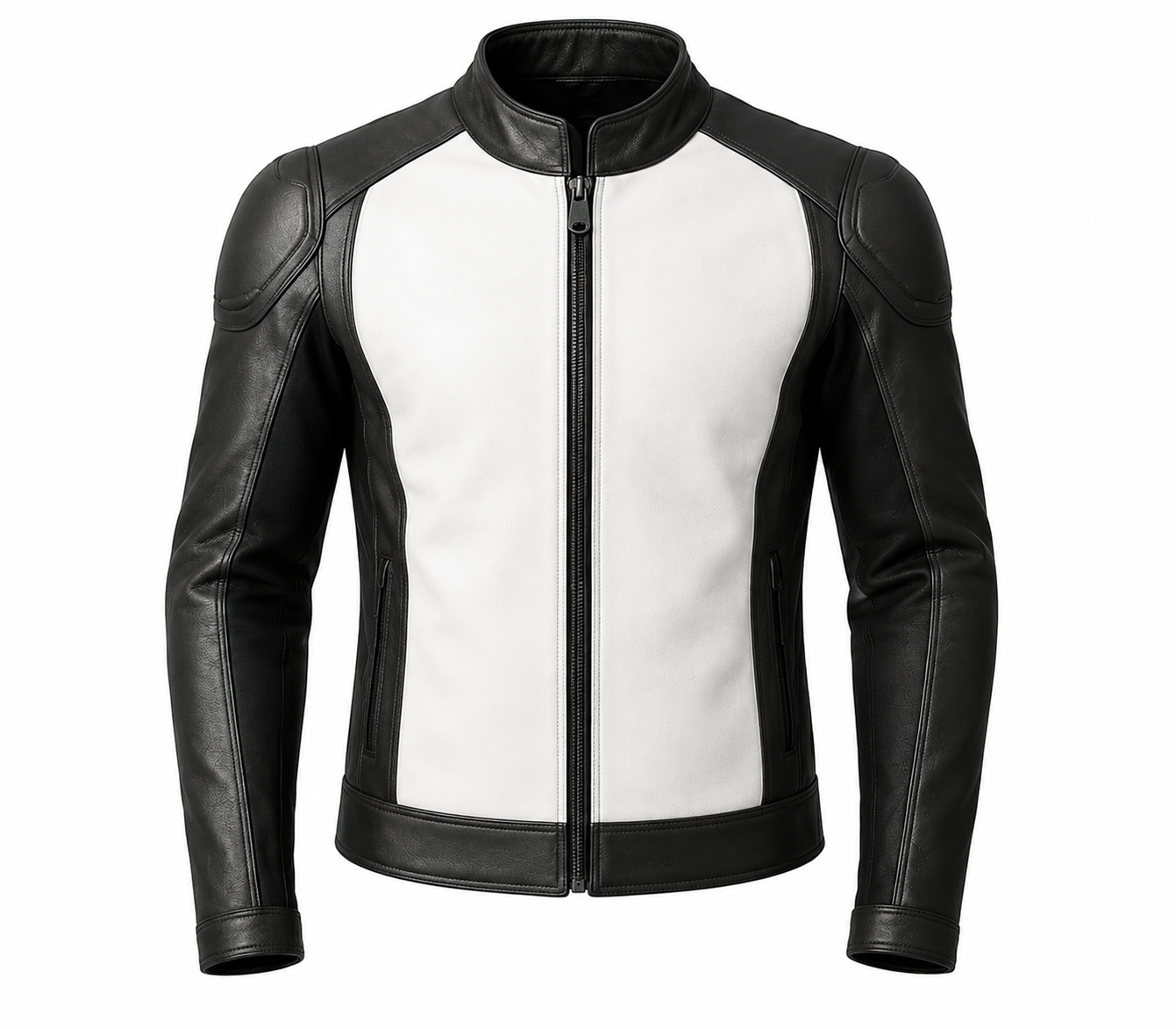
It is generally thicker and more substantial than lambskin, making it suitable for biker jackets, motorcycle jackets, workwear, and heavy-duty outerwear.
Advantages of Cowhide
- Strong and durable
- Substantial feel
- Good abrasion resistance
- Suitable for structured jackets
- Long-lasting with proper care
- Ideal for rugged styles
Disadvantages of Cowhide
The heavier construction can make a cowhide jacket feel less lightweight than lambskin.
Some cowhide jackets may also require a break-in period before becoming softer and more comfortable.
Best For
Cowhide is particularly suitable for biker jackets, motorcycle jackets, rugged outerwear, and buyers who prioritize durability.
3. Goatskin Leather
Goatskin is another useful option for leather jackets.
It is known for its natural grain and combination of flexibility and durability. Depending on the finish and construction, goatskin can provide a comfortable balance between softness and strength.
Advantages of Goatskin
- Natural grain
- Flexible
- Durable
- Comfortable
- Good everyday option
- Distinctive texture
Best For
Goatskin can work well for casual jackets, fashion jackets, military-inspired designs, and everyday leather outerwear.
4. Full-Grain Leather
Full-grain leather comes from the outer portion of the hide and retains the natural grain.
Because the natural surface is preserved, full-grain leather can develop character over time.
One of its major attractions is the way the material can develop a patina with use.
Advantages
- Natural grain
- Strong material
- Develops character over time
- Premium appearance
- Long-lasting when properly maintained
Best For
Full-grain leather is suitable for buyers looking for premium, durable, long-term leather jackets.
5. Top-Grain Leather
Top-grain leather is also made from the upper portion of the hide but is typically processed to create a more uniform appearance.
It can provide a balance between premium appearance, consistency, and usability.
Best For
Top-grain leather can be a good choice for fashion brands, premium casual jackets, and customers who want a refined leather appearance.
6. Suede Leather
Suede has a soft, napped surface and a distinctive texture.
Suede jackets are popular for fashion and casual styling, especially when buyers want a softer and more textured appearance.
However, suede generally requires different care from smooth finished leather.
Advantages
- Soft texture
- Unique appearance
- Comfortable
- Strong fashion appeal
- Available in many colors
Disadvantages
- More sensitive to moisture
- Requires specialized care
- Can show stains more easily
Best For
Suede is ideal for fashion jackets, casual outerwear, vintage styles, and premium lifestyle collections.
7. Shearling Leather
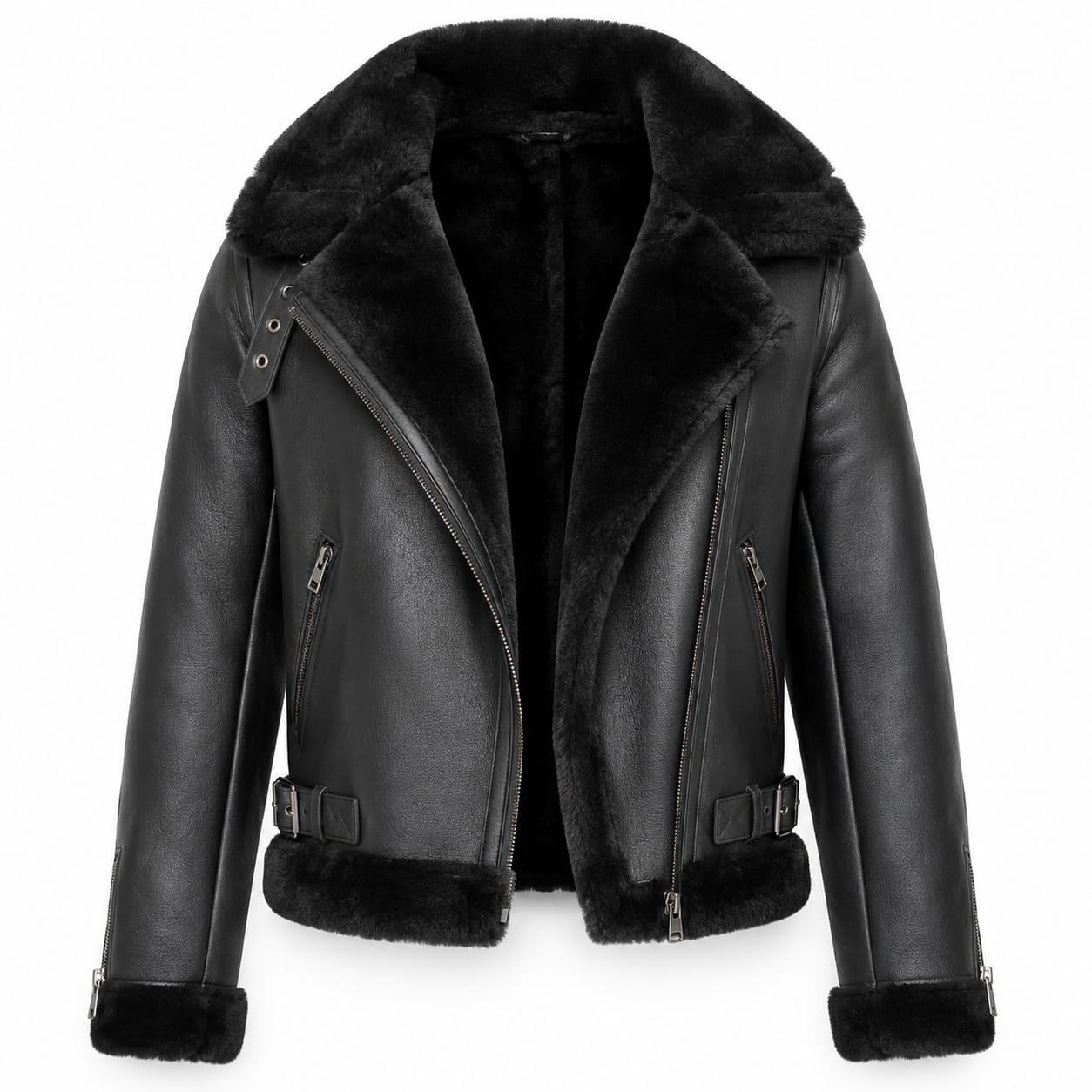
Shearling combines leather with wool or fleece.
It is particularly popular for cold-weather jackets and coats because it provides insulation and a distinctive winter appearance.
Shearling jackets can be designed with exposed fleece collars, cuffs, linings, or full interiors depending on the construction.
Advantages
- Warm
- Comfortable
- Excellent winter styling
- Premium appearance
- Distinctive texture
Best For
Shearling is a strong choice for winter jackets, aviator jackets, luxury outerwear, and cold-weather collections.
Lambskin vs Cowhide: Which Is Better?
This is one of the most common questions from leather jacket buyers.
| Feature | Lambskin | Cowhide |
|---|---|---|
| Softness | Very soft | Generally firmer |
| Weight | Lightweight | Heavier |
| Durability | Good with care | Generally higher |
| Fashion use | Excellent | Excellent |
| Motorcycle use | Less suitable for heavy abrasion | Common choice |
| Comfort | Very high | High |
| Break-in | Usually minimal | May require more time |
| Feel | Smooth and luxurious | Rugged and substantial |
Neither is universally better.
Choose lambskin when softness and lightweight comfort are the priority.
Choose cowhide when durability, structure, and rugged use are more important.
Goatskin vs Cowhide
Goatskin can provide a useful middle ground.
Cowhide is generally associated with heavier and more rugged jackets, while goatskin can offer a combination of flexibility, durability, and natural grain.
For everyday fashion jackets, goatskin can be an attractive option.
For demanding motorcycle or heavy-duty applications, buyers may prefer a suitable heavier cowhide construction.
What Is the Best Leather for a Biker Jacket?
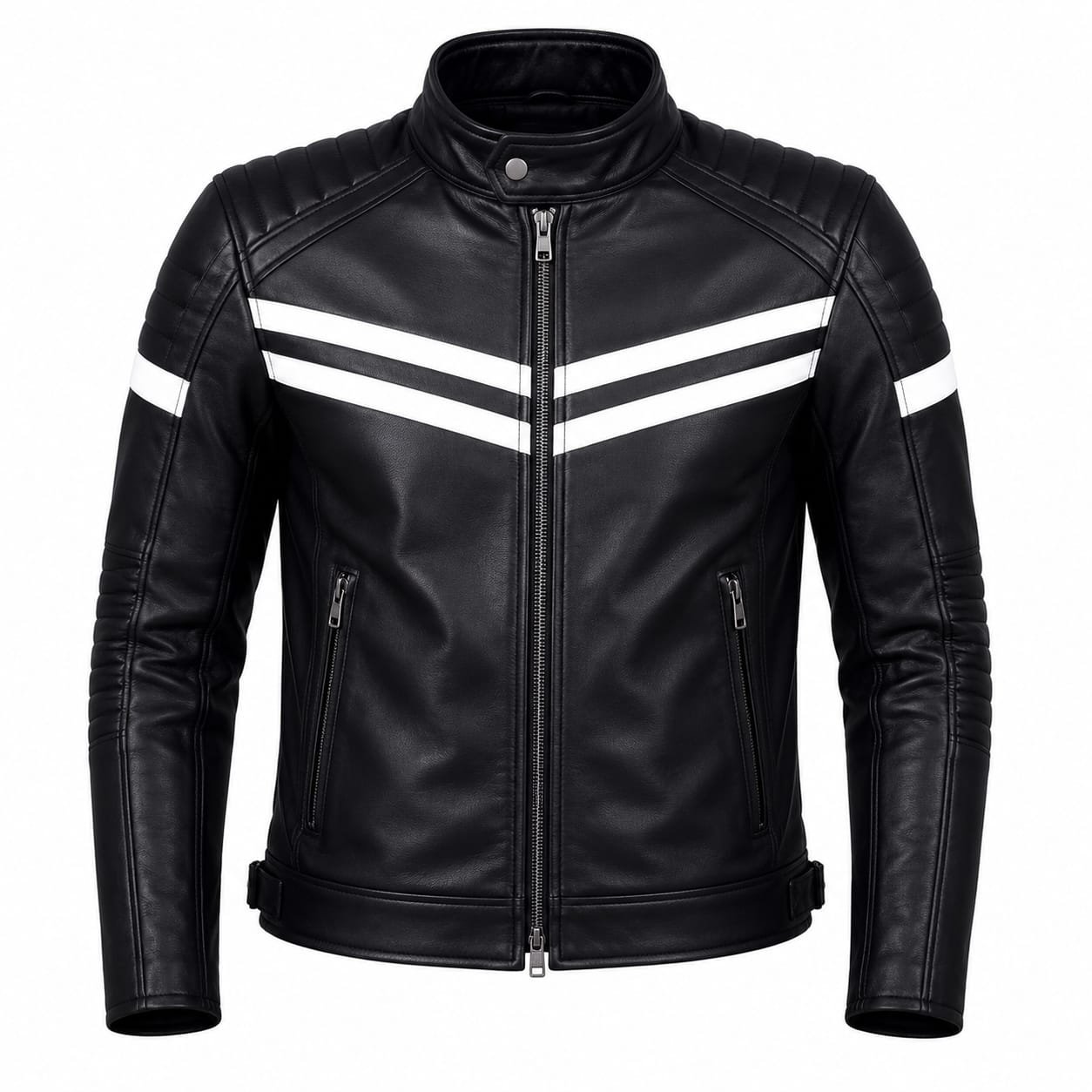
For a traditional biker jacket, durability and abrasion resistance are important considerations.
Cowhide is commonly selected for this type of jacket because it can provide a substantial and durable structure.
However, the final performance depends on more than leather type. Thickness, tanning, construction, stitching, hardware, pattern, and protective features also matter.
A good biker jacket should be evaluated as a complete garment rather than by leather type alone.
What Is the Best Leather for a Fashion Jacket?
For fashion jackets, the answer depends on the desired look.
Lambskin can be excellent when a designer wants a soft, lightweight and refined appearance.
Goatskin can provide more natural grain and structure.
Suede can create a soft vintage or luxury aesthetic.
The design, color, finish, hardware, and pattern should all work together with the selected leather.
What Is the Best Leather for Cold Weather?
For cold weather, shearling is a particularly popular option because it combines a leather exterior with insulating wool or fleece.
However, a standard leather jacket can also be suitable for cooler conditions when combined with an appropriate lining and layering system.
The leather itself is only one part of a jacket’s thermal performance.
Does Thicker Leather Mean Better Quality?
Not necessarily.
A thicker leather can be more appropriate for certain applications, such as motorcycle jackets, but thickness alone does not determine quality.
Important factors include:
- Hide quality
- Leather grade
- Tanning
- Finish
- Grain
- Construction
- Stitching
- Hardware
- Lining
- Pattern and fit
A high-quality lightweight leather can be a better choice for a fashion jacket than an unnecessarily thick hide.
How Much Does Leather Type Affect Jacket Price?
Leather type can have a significant effect on the final price.
However, pricing also depends on:
- Leather quality
- Hide selection
- Thickness
- Finish
- Jacket design
- Hardware
- Lining
- Construction
- Labor
- Quantity
- Customization
- Packaging
A premium leather jacket is not necessarily expensive simply because it uses a particular leather type.
The complete manufacturing specification should be considered.
How Should You Choose Leather for a Custom Jacket?
If you are ordering a custom leather jacket, start by defining the purpose of the product.
Ask yourself:
- Is it a fashion jacket or performance jacket?
- Should it be lightweight or heavy?
- Does it need a soft hand feel?
- Will customers wear it in cold weather?
- What price range are you targeting?
- What finish and color do you need?
- Is the jacket for men, women, or unisex customers?
- Do you need private labeling?
- What quantity do you plan to produce?
These answers make it easier for a manufacturer to recommend suitable materials.
Leather Selection for Brands and Retailers
For clothing brands and retailers, selecting leather is part of product development.
A brand selling luxury fashion may prioritize soft lambskin or premium finished leather.
A motorcycle brand may prioritize durable cowhide.
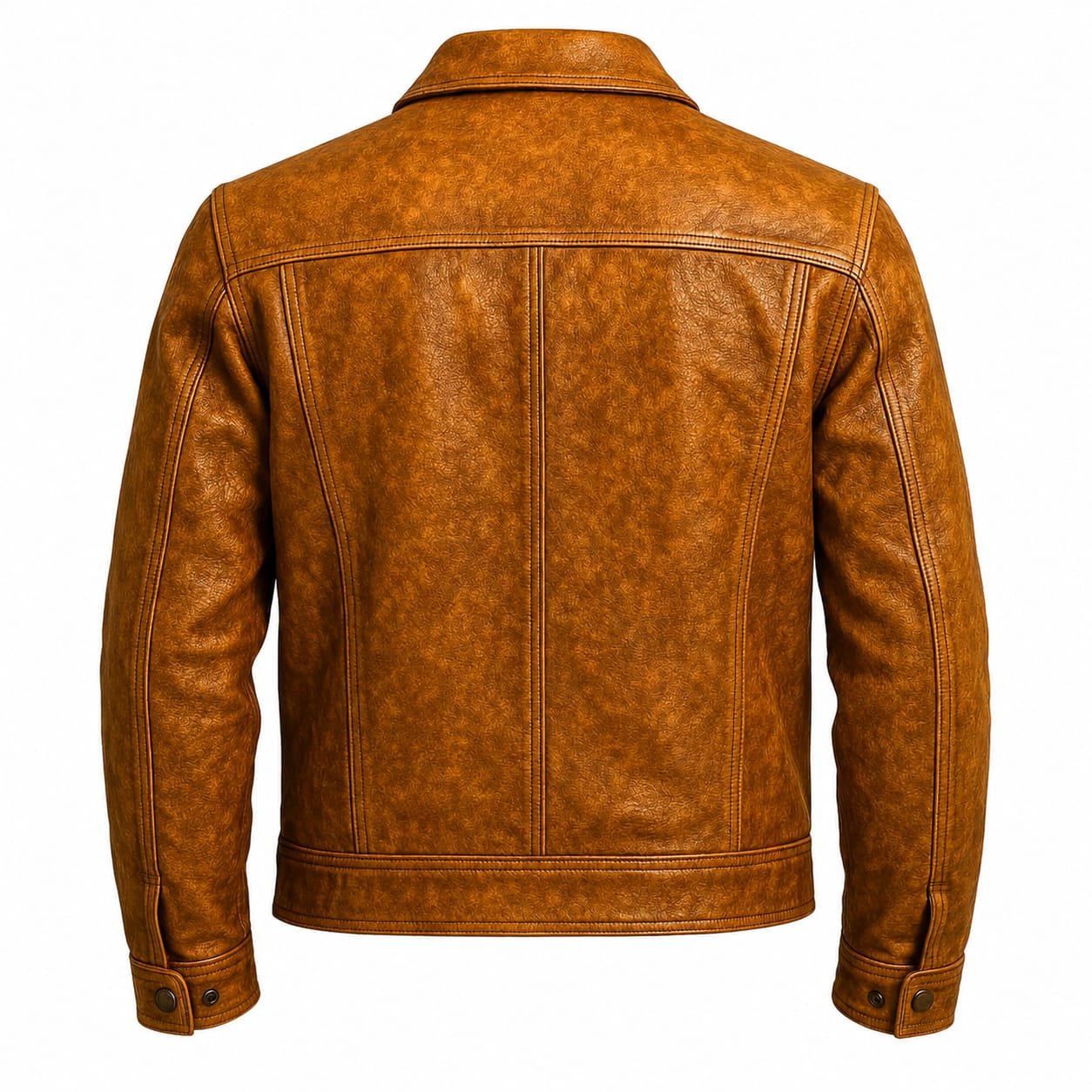
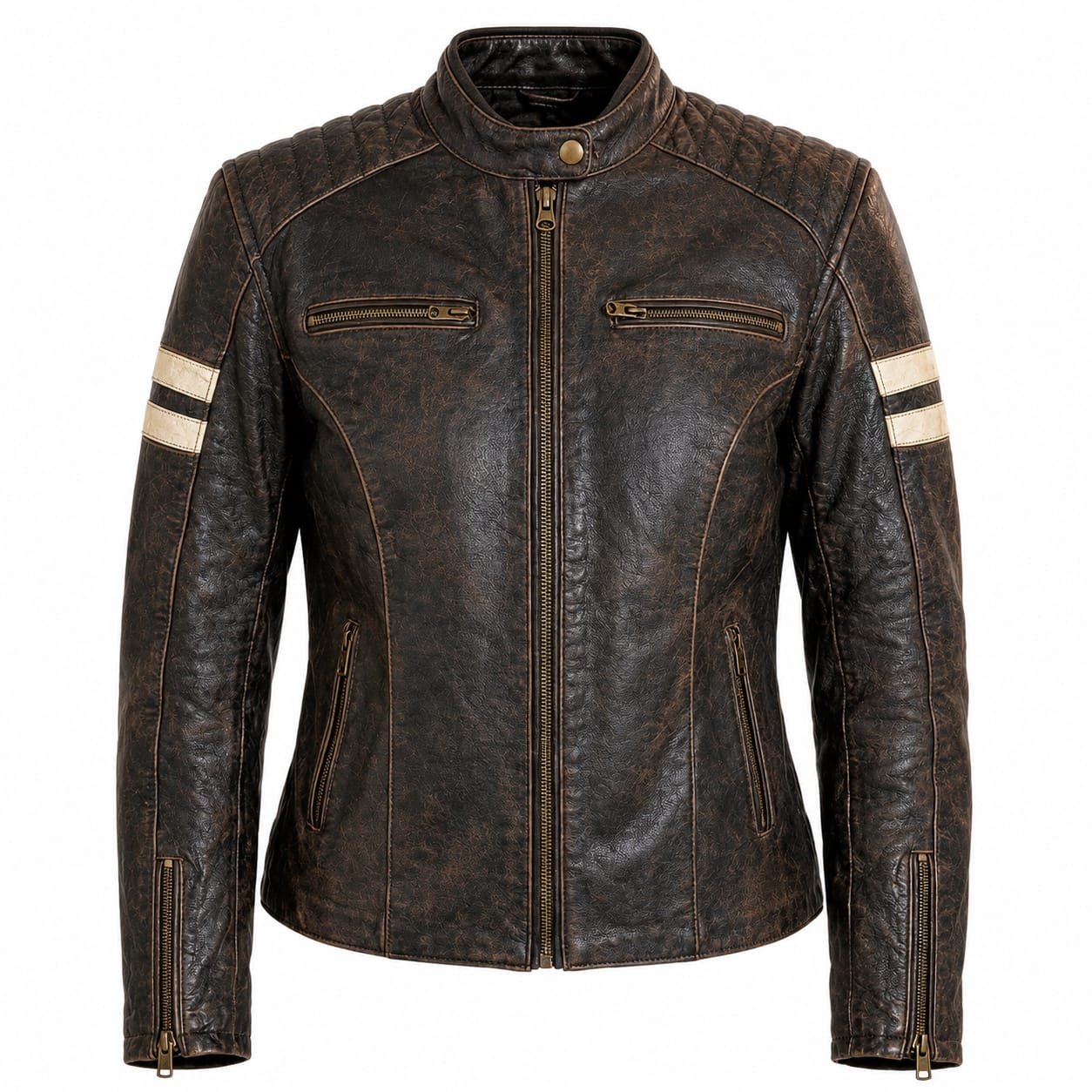
A vintage-inspired brand may prefer distressed leather.
A winter collection may focus on shearling.
The leather should match the brand’s target customer, retail price, design identity, and intended use.
Custom and Wholesale Leather Jackets From Zentro Leather
Zentro Leather works with brands, retailers, and buyers looking for custom leather products.
Custom manufacturing can include:
- Leather selection
- Custom colors
- Jacket patterns
- Custom sizing
- Hardware selection
- Zippers
- Linings
- Pockets
- Labels
- Branding
- Custom finishes
- Packaging
For wholesale and private-label production, discussing the leather specification before production is important. Samples can help buyers evaluate the material, color, texture, fit, and construction before moving toward larger production.
Frequently Asked Questions
Which leather is the softest for jackets?
Lambskin is generally known for its soft and lightweight feel, making it popular for fashion-oriented jackets.
Which leather lasts the longest?
Durability depends on the leather quality, construction, use, and maintenance. Heavier cowhide is commonly selected for demanding applications, while other leather types can also last many years with proper care.
Is lambskin good for a winter jacket?
Lambskin can be used for winter jackets, but warmth depends heavily on the lining, insulation, construction, and layering rather than leather type alone.
Is cowhide too heavy for everyday wear?
Not necessarily. It depends on thickness and construction. Some cowhide jackets are designed for comfortable everyday use, while heavier versions are intended for rugged applications.
Is suede real leather?
Yes. Suede is a type of leather with a distinctive napped surface. It requires different care from smooth finished leather.
What leather should I choose for a private-label jacket?
The best choice depends on your target market, design, retail price, intended use, and desired hand feel. A manufacturer can help compare suitable leather options before production.
Final Thoughts
The best leather for a jacket depends on what you expect from the garment.
Choose lambskin when softness and lightweight comfort are important.
Choose cowhide when durability and rugged construction are priorities.
Choose goatskin when you want a balance of flexibility, durability, and natural grain.
Choose suede for a soft textured fashion appearance.
Choose shearling when warmth and winter styling are priorities.
For brands and retailers, leather selection should also consider the target customer, retail positioning, production requirements, and overall product design.
At Zentro Leather, we help buyers and brands develop leather jackets and other leather products based on their desired materials, designs, specifications, and production requirements.