How Much Should a Good Leather Jacket Cost?
A good leather jacket is an investment piece that can last for years when it is made from quality leather and constructed properly. But leather jackets can have very different prices, so many buyers ask the same question: How much should a good leather jacket cost?
The answer depends on several factors, including the type of leather, leather thickness, construction quality, lining, hardware, craftsmanship, design, and whether the jacket is mass-produced or handmade.
A low-priced leather jacket is not automatically poor quality, and an expensive jacket is not automatically better. The important thing is understanding what you are actually paying for.
What Is a Reasonable Price for a Good Leather Jacket?
For a genuine leather jacket, the price can vary significantly depending on quality and construction.
A basic genuine leather jacket may be available at a relatively affordable price, while premium full-grain leather jackets can cost considerably more. Handmade jackets, custom designs, specialty hides, and detailed craftsmanship can increase the price further.
Instead of choosing a jacket only because it is cheap or expensive, look at the materials and construction.
A good leather jacket should offer:
- Quality genuine leather
- Strong and consistent stitching
- Durable zippers and hardware
- A comfortable inner lining
- Properly finished edges
- Good-fitting panels and seams
- Reliable construction around stress points
- A design suitable for long-term wear
What Determines the Price of a Leather Jacket?
Several factors influence the final price of a leather jacket.
1. Type of Leather
Leather type is one of the biggest factors affecting price.
Full-grain leather generally retains more of the natural grain and can develop a distinctive patina over time. Top-grain leather is also commonly used for quality jackets and may have a more uniform appearance.
Genuine leather is a broad category, and quality can vary considerably within it.
Suede and other leather finishes can also have different costs depending on the hide, processing method, and finishing.
2. Leather Thickness
Leather thickness affects the jacket’s weight, feel, durability, and intended use.
A lightweight leather jacket can be comfortable for everyday fashion wear, while a heavier jacket may be more appropriate for colder weather or motorcycle use.
The thickest leather is not necessarily the best choice for every buyer. The right thickness depends on the jacket’s purpose.
3. Construction Quality
Two jackets made from similar leather can have very different prices because of how they are constructed.
Look carefully at:
- Stitching consistency
- Seam finishing
- Pocket construction
- Collar attachment
- Cuff construction
- Zipper installation
- Shoulder seams
- Stress-point reinforcement
Quality construction can make a major difference in how a jacket performs over time.
4. Hardware
Zippers, snaps, buttons, buckles, and other hardware are small details, but they can affect both durability and appearance.
A jacket with poor-quality hardware may look good initially but develop problems with regular use.
Good hardware should operate smoothly and be properly attached to the garment.
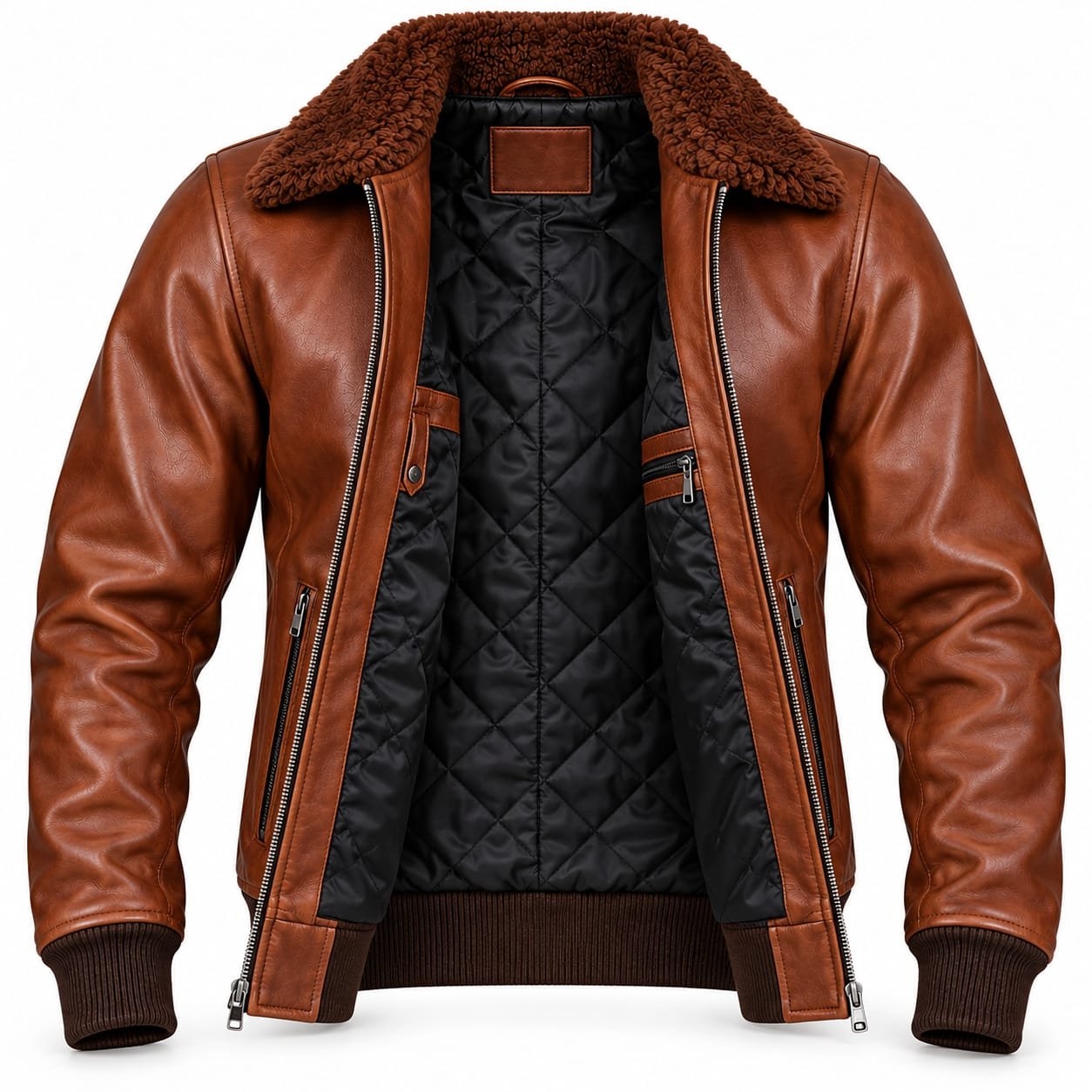
5. Lining
The inside of the jacket matters too.
A quality lining should feel comfortable against the body and should be properly attached. Depending on the design, jackets may use polyester, cotton, quilted materials, or other lining fabrics.
For colder weather, a jacket may also include insulated or shearling-style lining.
6. Craftsmanship
Handmade and carefully constructed leather jackets can require significantly more labor than mass-produced garments.
Cutting leather accurately, matching panels, stitching curved sections, installing hardware, and finishing the garment all require skill.
This craftsmanship can contribute to a higher price.
Is an Expensive Leather Jacket Always Better?
No.
Price alone does not guarantee quality.
A designer jacket can cost significantly more because of branding, retail costs, marketing, distribution, and other business expenses. Meanwhile, a manufacturer or independent leather specialist may offer a well-made jacket at a lower price.
When comparing jackets, look beyond the price tag.
Ask:
What type of leather is used?
How is the jacket constructed?
What hardware is included?
How are the seams finished?
Is the jacket lined properly?
Is the sizing accurate?
These questions can tell you more about value than price alone.
How to Tell if a Leather Jacket Is Worth the Price
Before buying, examine the product information carefully.
Check the Leather Description
Look for clear information about the leather rather than vague marketing language.
A seller should ideally explain the leather type and finish.
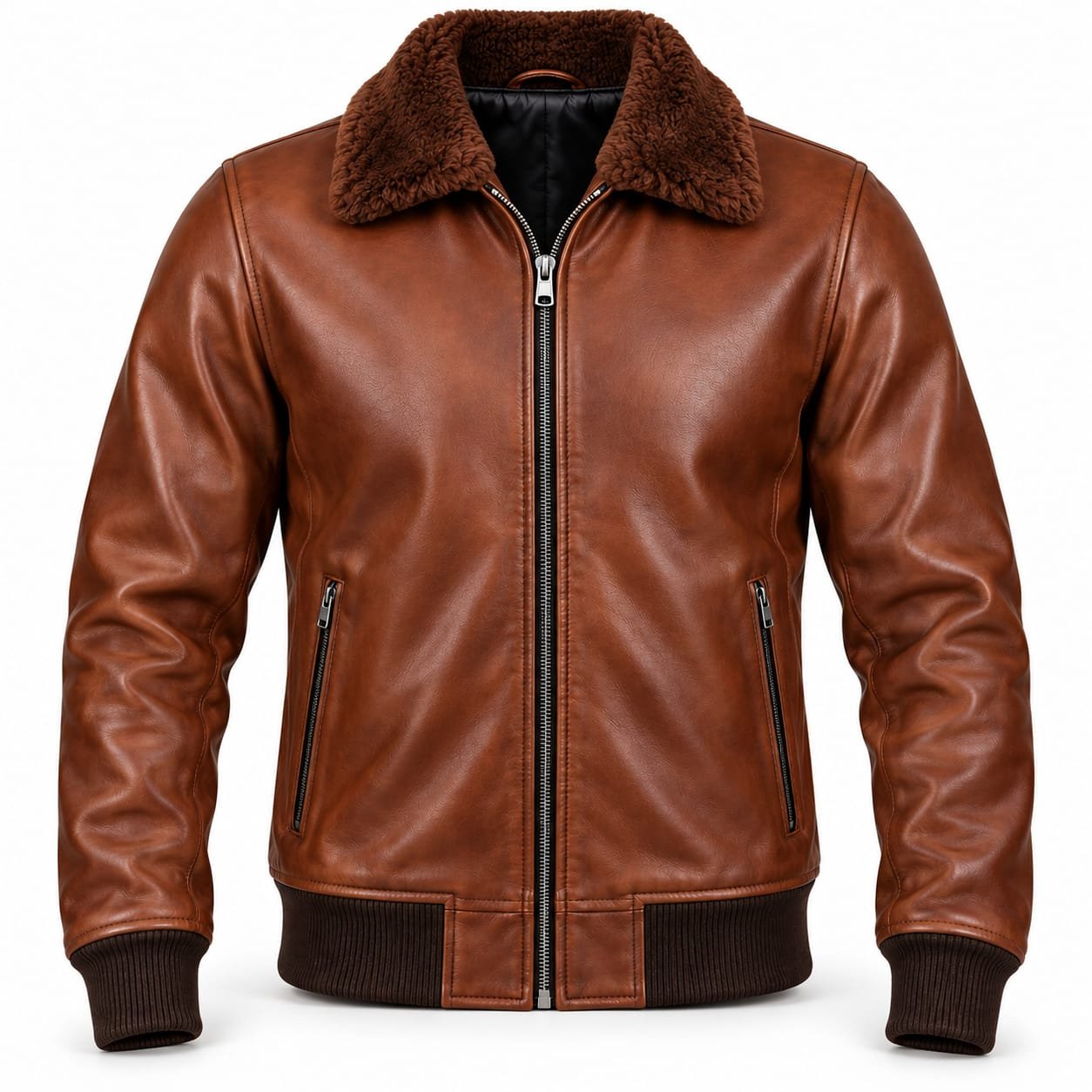
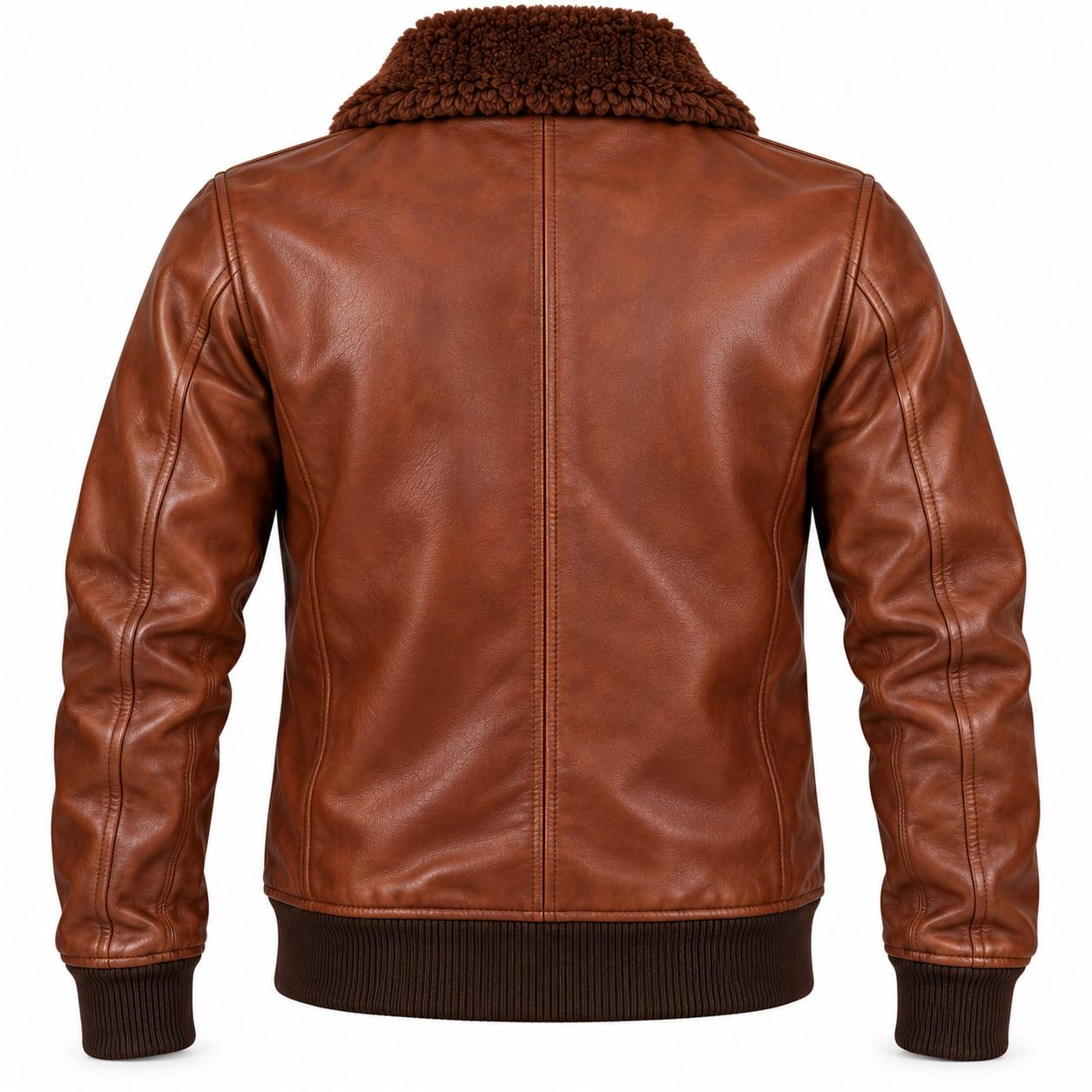
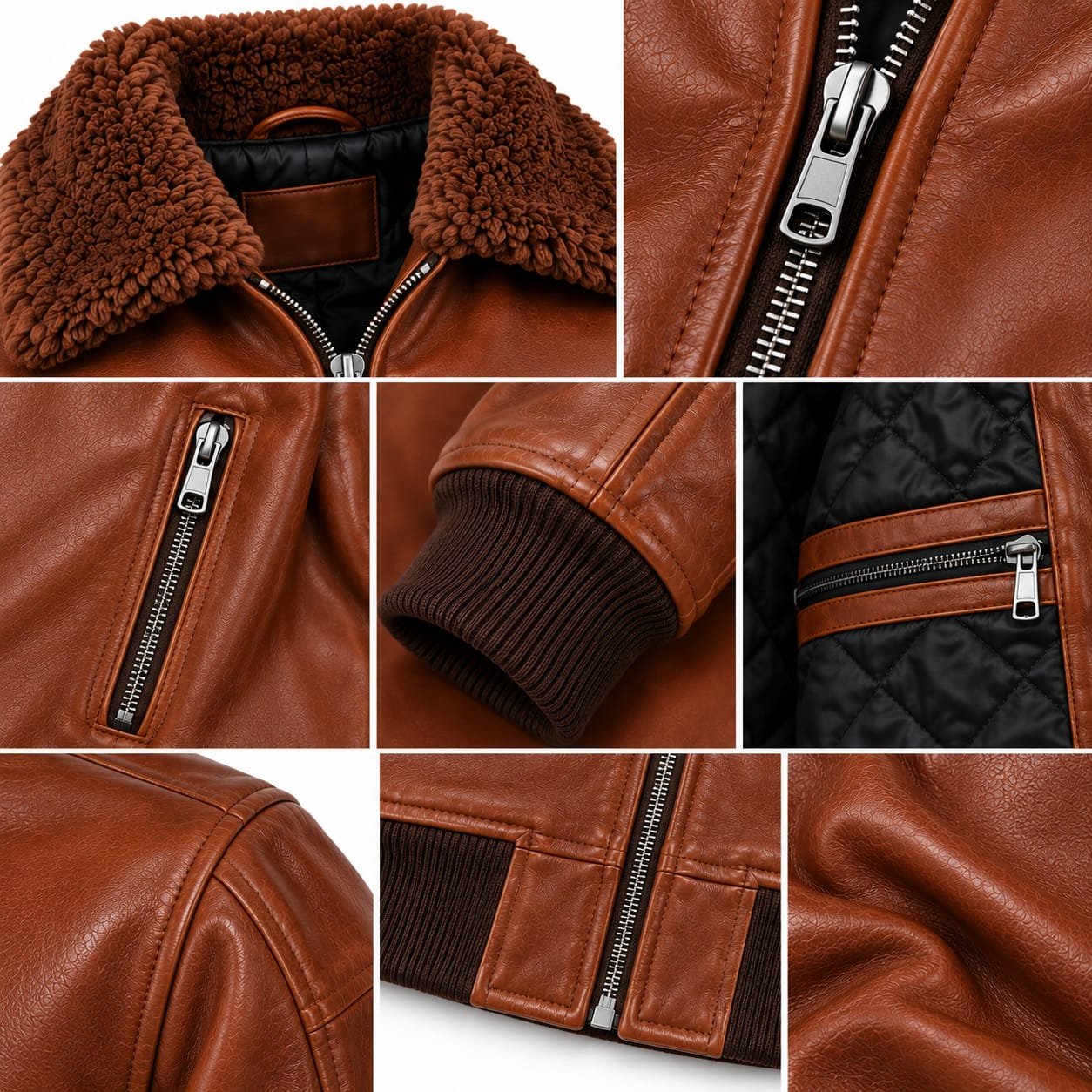
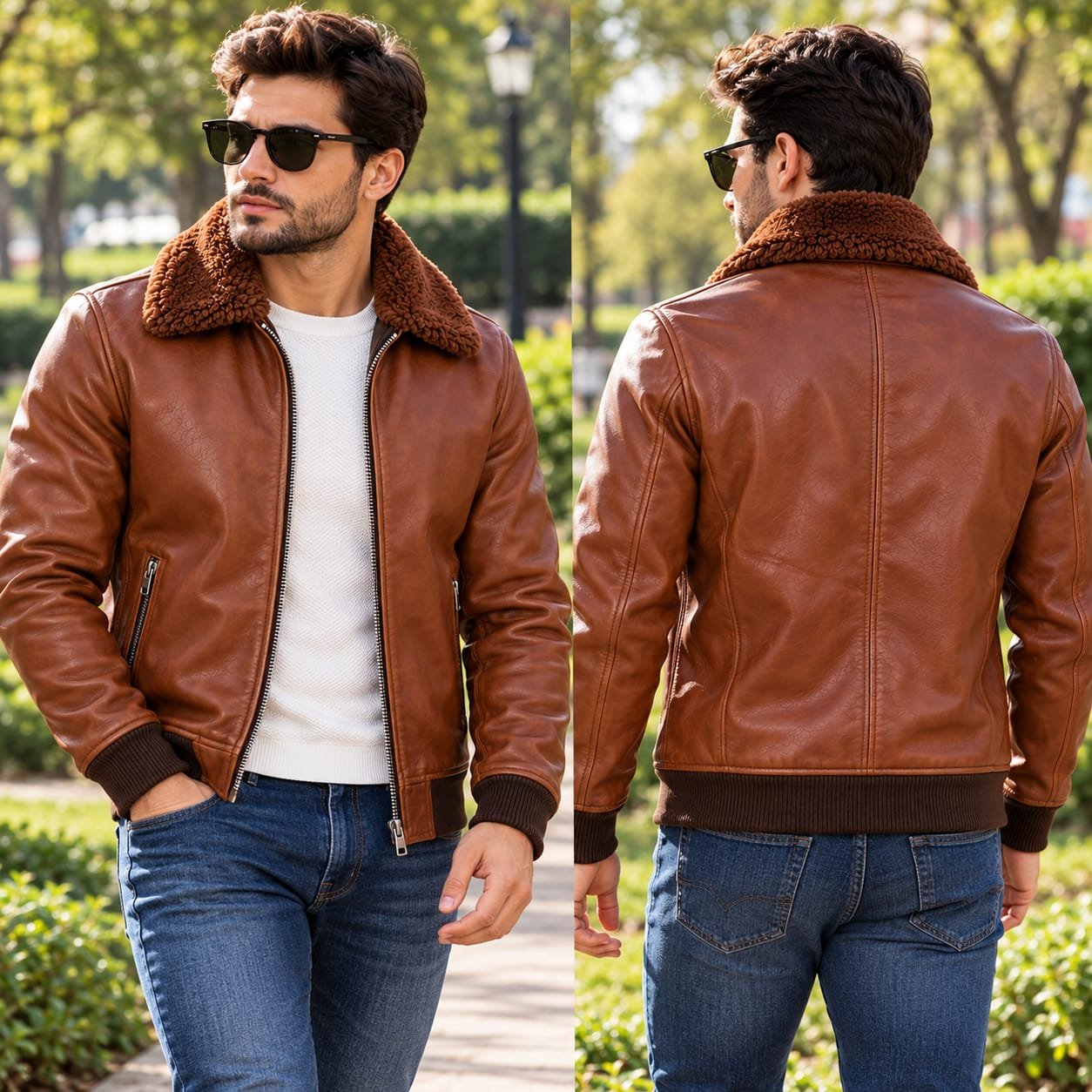
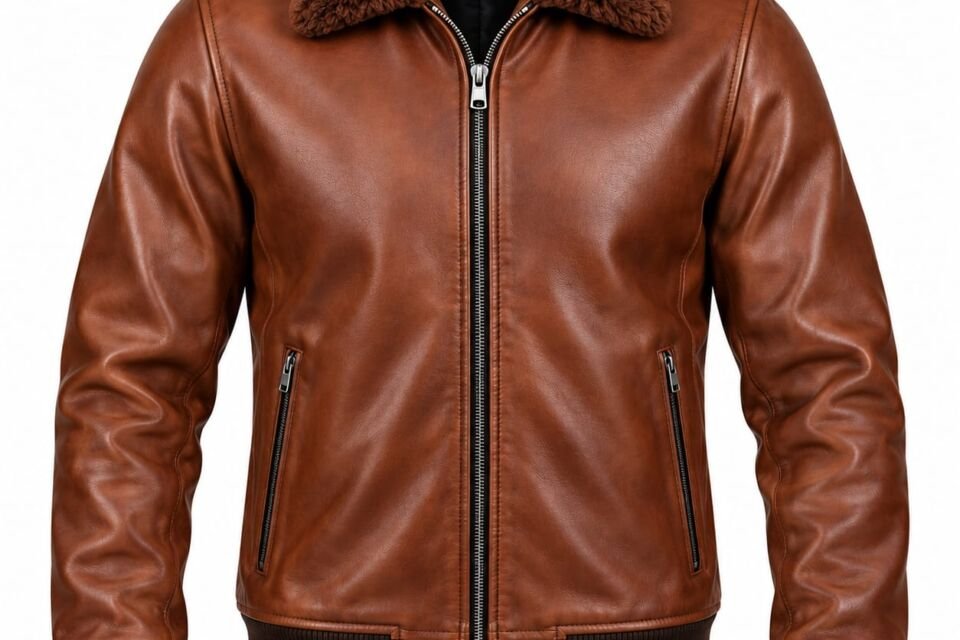
Examine Product Photos
High-quality product photos can help you inspect:
- Leather grain
- Surface texture
- Stitching
- Zippers
- Pockets
- Cuffs
- Collar
- Inside lining
Close-up photographs are particularly useful because they allow you to evaluate construction details.
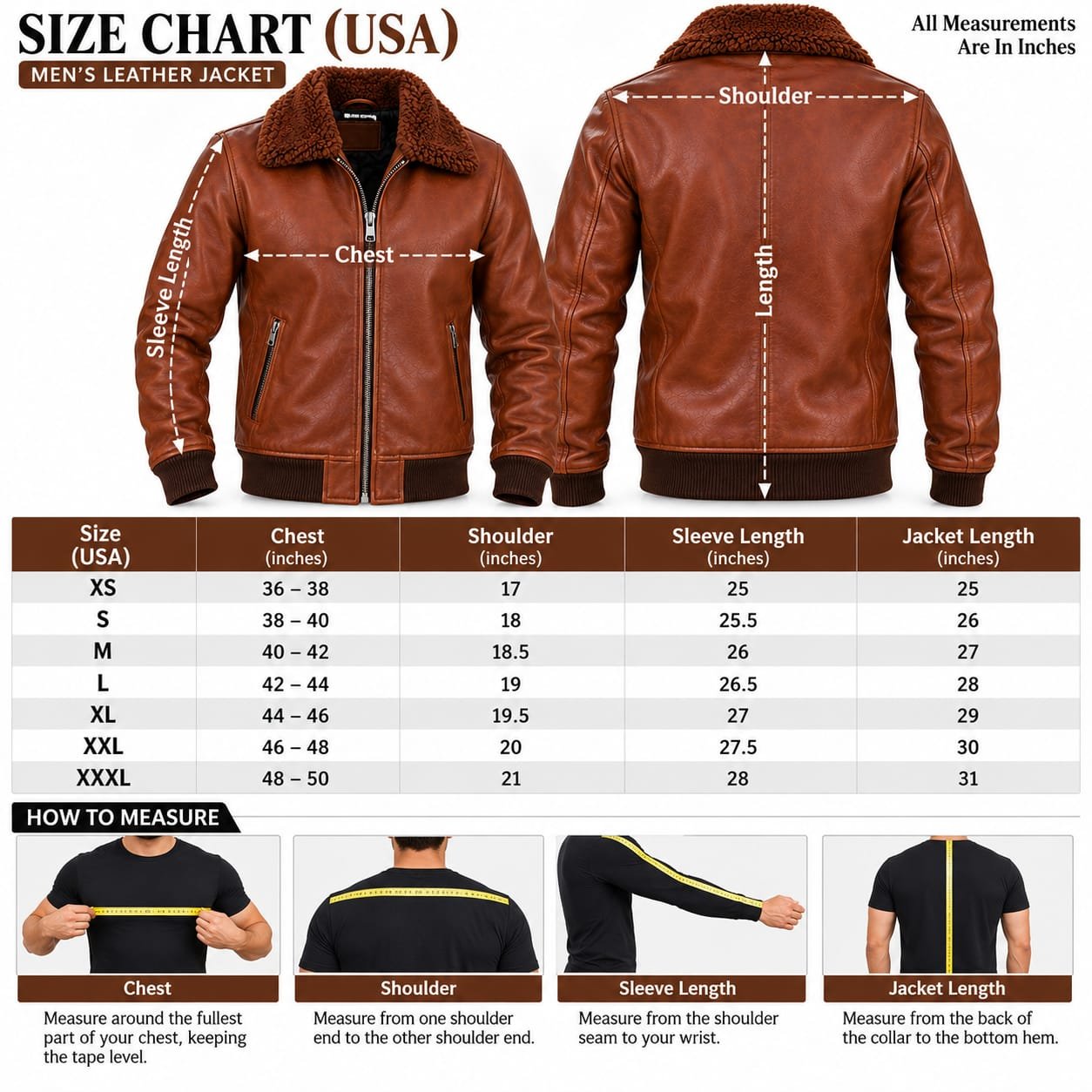
Check the Size Chart
A leather jacket should fit correctly across the shoulders, chest, sleeves, and waist.
Do not rely only on your normal clothing size. Compare your measurements with the seller’s size chart before ordering.
Read Customer Reviews
Reviews can provide useful information about fit, leather feel, construction, and overall customer experience.
Look for detailed reviews rather than relying only on the star rating.
Why Handmade Leather Jackets Can Cost More
Handmade leather jackets often require more individual labor than standard mass-produced products.
A handmade jacket may involve individual cutting, panel preparation, sewing, hardware installation, finishing, and quality inspection.
The price can therefore reflect the time and skill required to produce the garment.
For buyers who care about craftsmanship and individuality, this can make a handmade jacket a worthwhile purchase.
Should You Buy a Cheap Leather Jacket?
A lower-priced jacket can make sense if you are looking for occasional fashion wear and understand its limitations.
However, extremely low prices should encourage you to investigate the product carefully.
Check whether the product is actually leather, what type of leather is being used, and whether the construction appears durable.
The cheapest option is not always the best value if the jacket needs to be replaced quickly.
How Much Should You Spend on a Leather Jacket?
There is no single correct budget for everyone.
Your ideal budget depends on how often you will wear the jacket, the type of leather you want, the design, and how long you expect it to last.
For occasional fashion use, you may prioritize appearance and affordability.
For regular everyday wear, investing more in leather quality and construction may provide better long-term value.
For motorcycle use, construction, protection, fit, and durability become even more important.
Leather Jacket Price vs. Long-Term Value
A quality leather jacket can become one of the most frequently worn pieces in your wardrobe.
For example, if you wear a jacket several times a week for multiple years, its cost per wear can become much lower than the original purchase price suggests.
This is why buyers should consider value rather than simply price.
A jacket that costs more but remains comfortable, attractive, and durable for years may provide better value than a cheaper jacket that quickly loses its shape or develops construction problems.
Final Thoughts
So, how much should a good leather jacket cost?
There is no universal price because leather quality, construction, craftsmanship, design, hardware, lining, and production methods all affect the final cost.
The best approach is to compare the complete product rather than choosing based only on price.
Look at the leather, inspect the construction, check the measurements, review the details, and consider how frequently you will wear the jacket.
A good leather jacket should offer a sensible balance between material quality, craftsmanship, durability, comfort, design, and price.
For buyers searching for a leather jacket that offers long-term value, understanding these factors makes it much easier to make an informed purchasing decision.