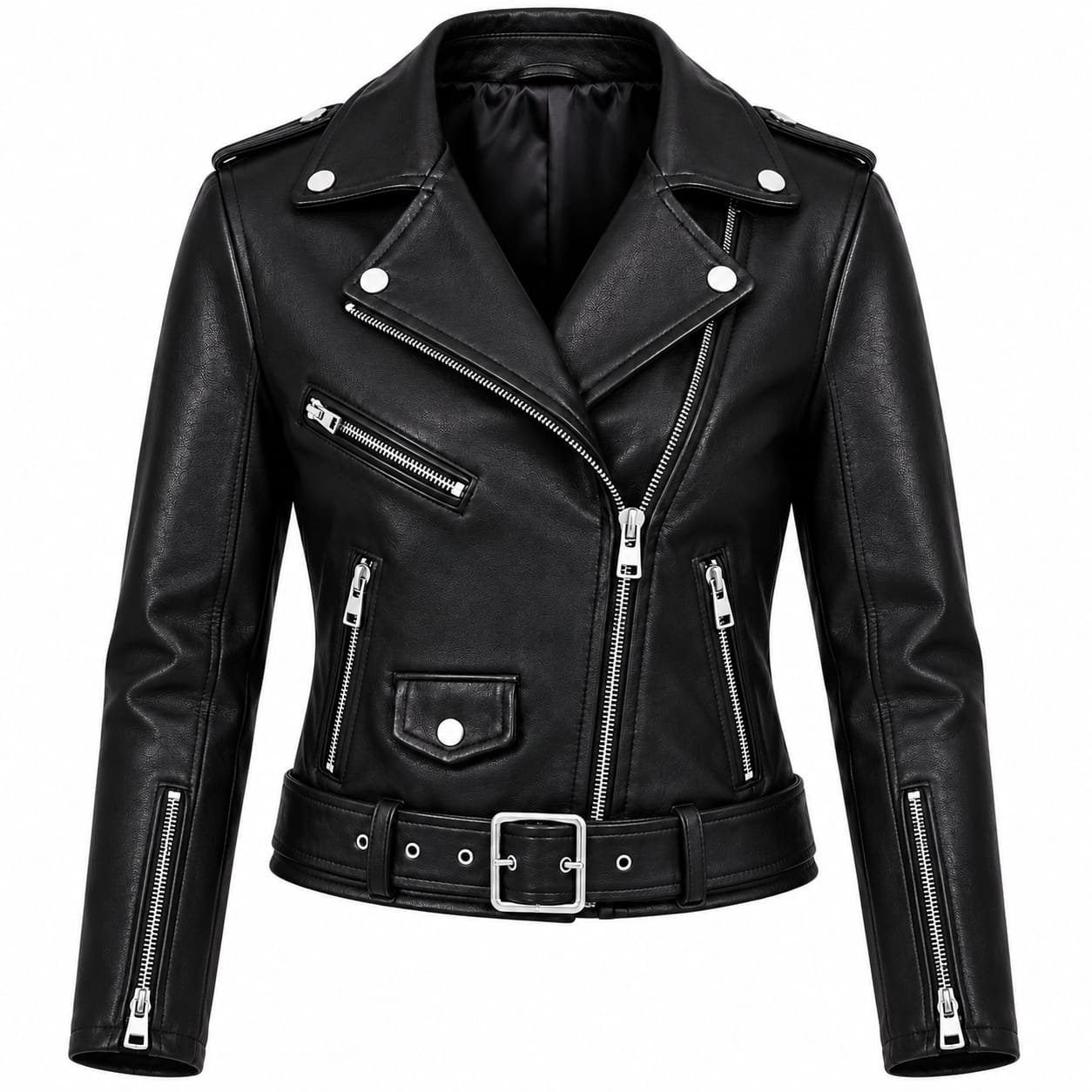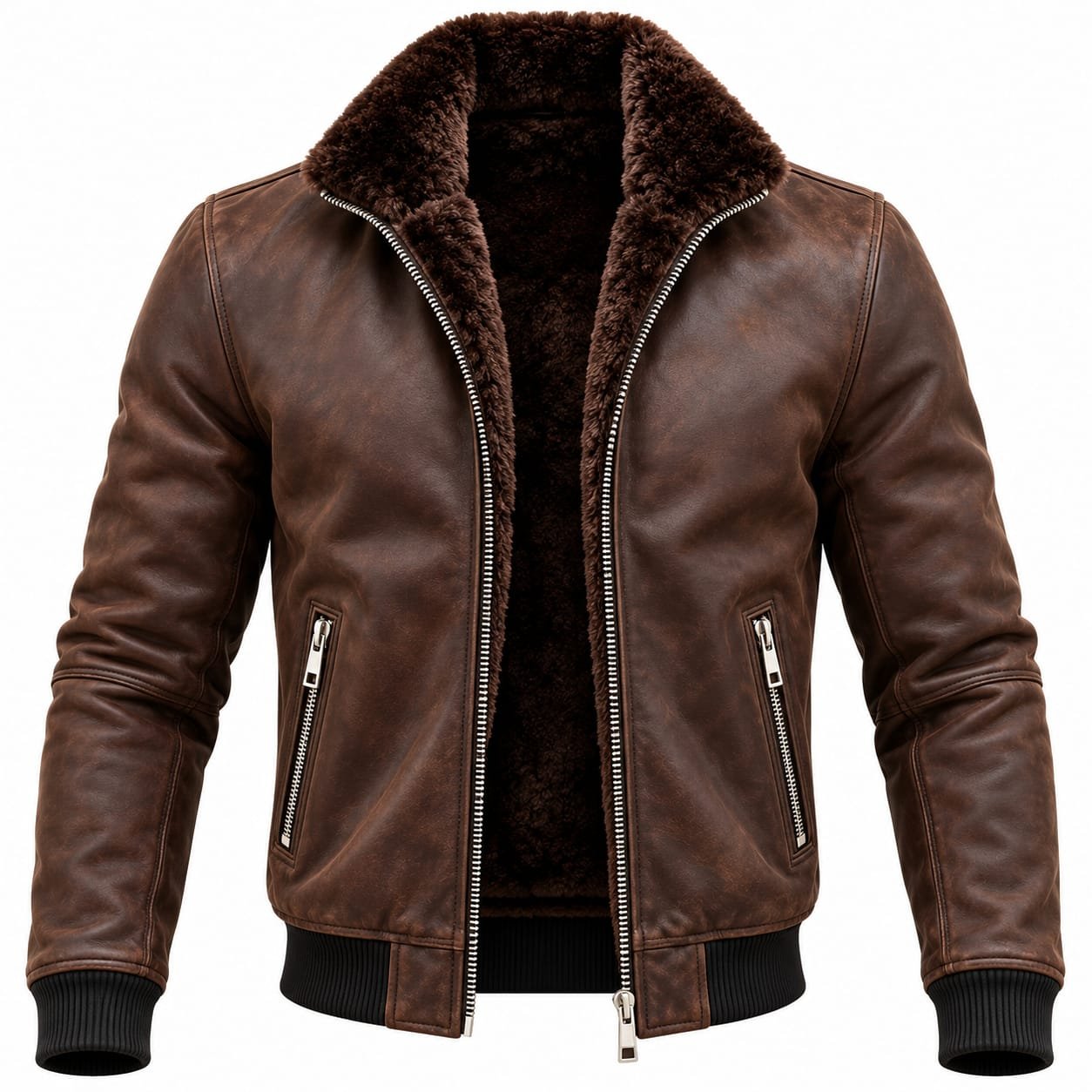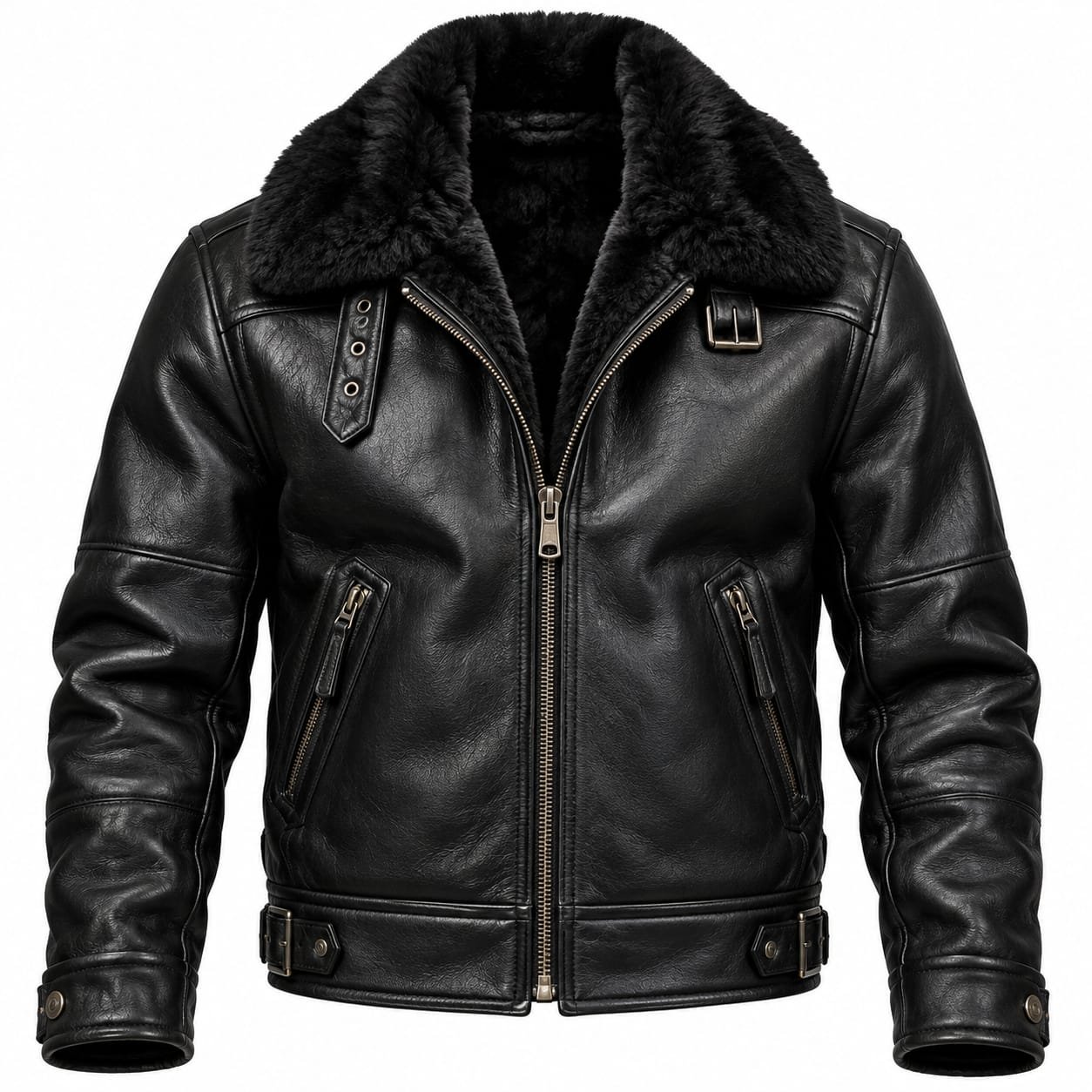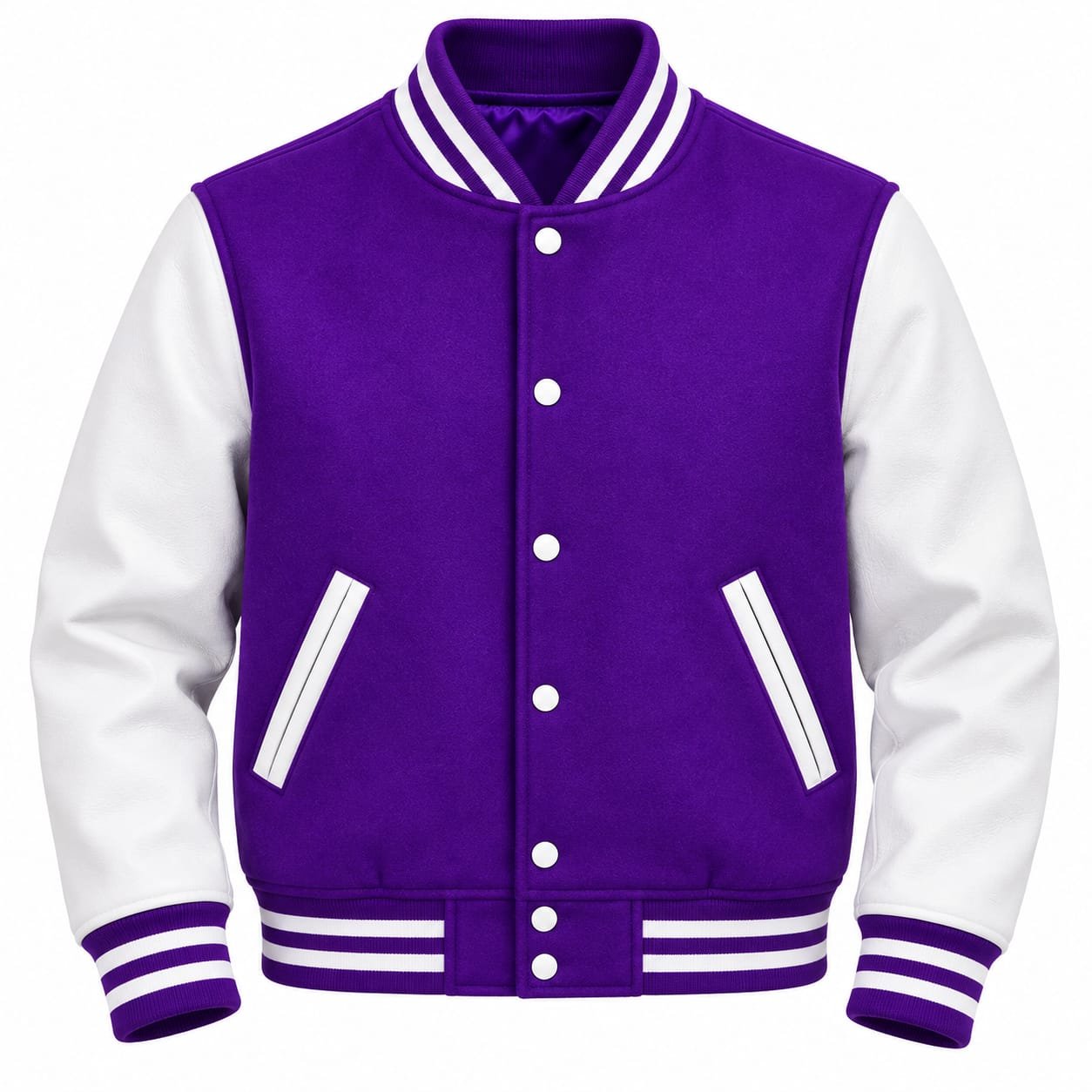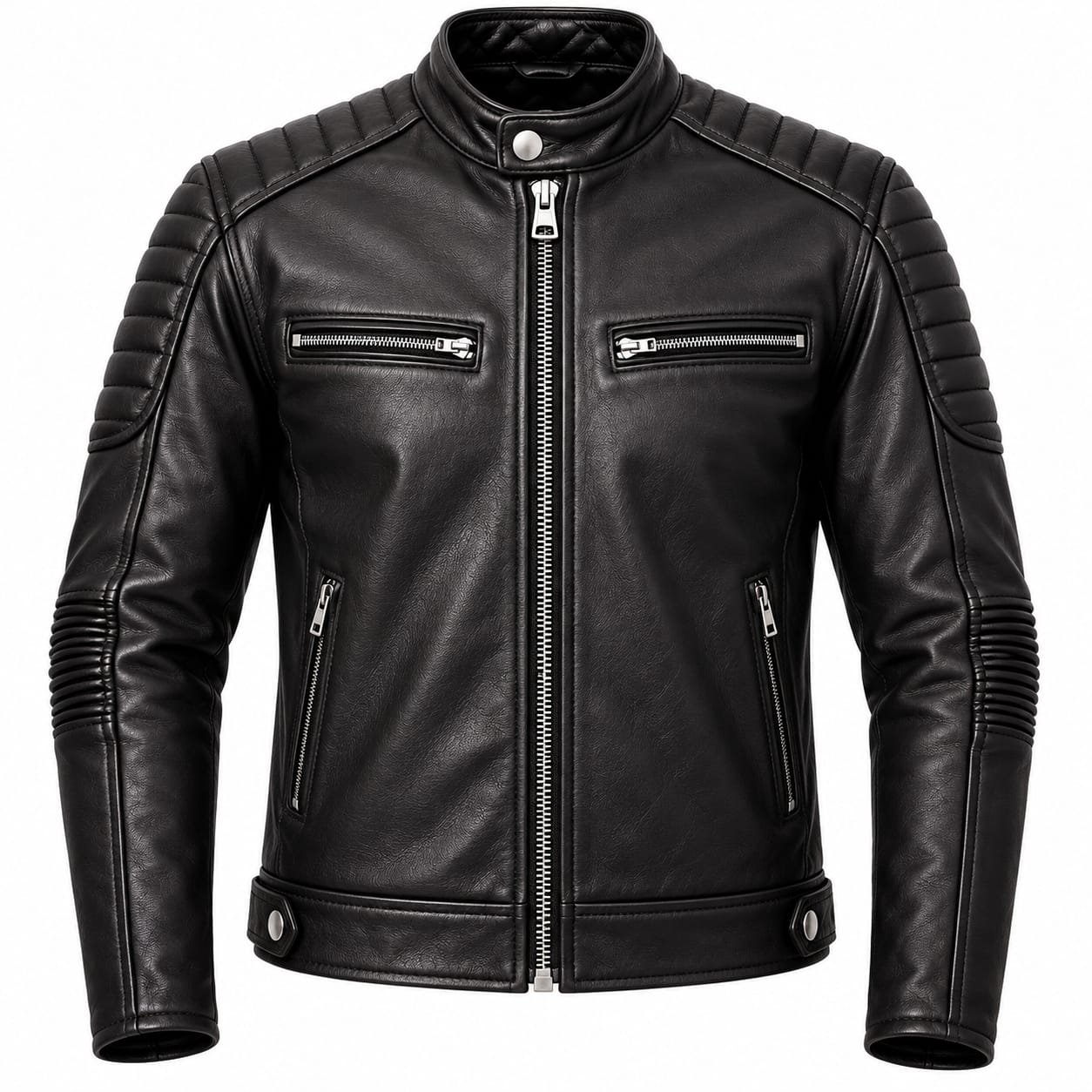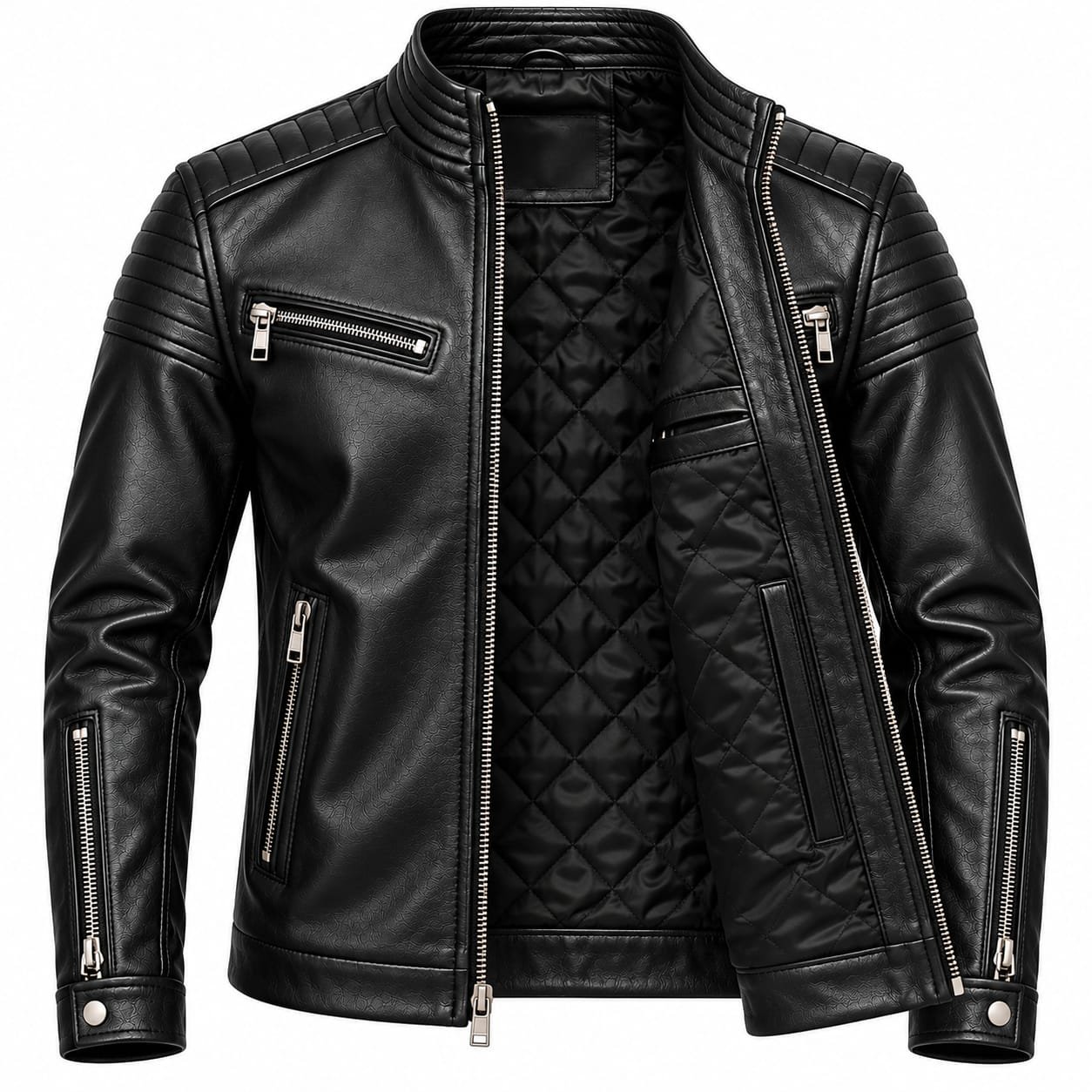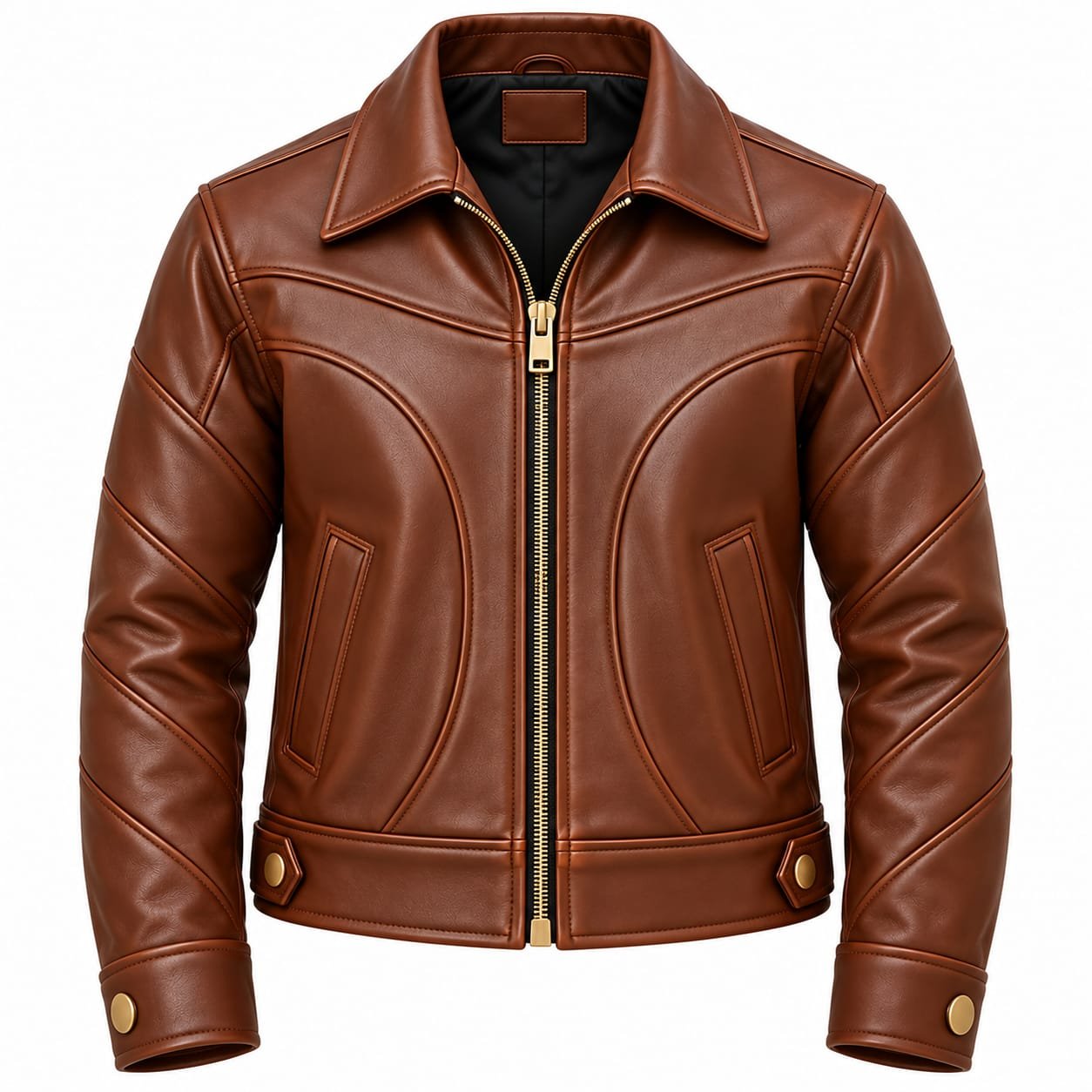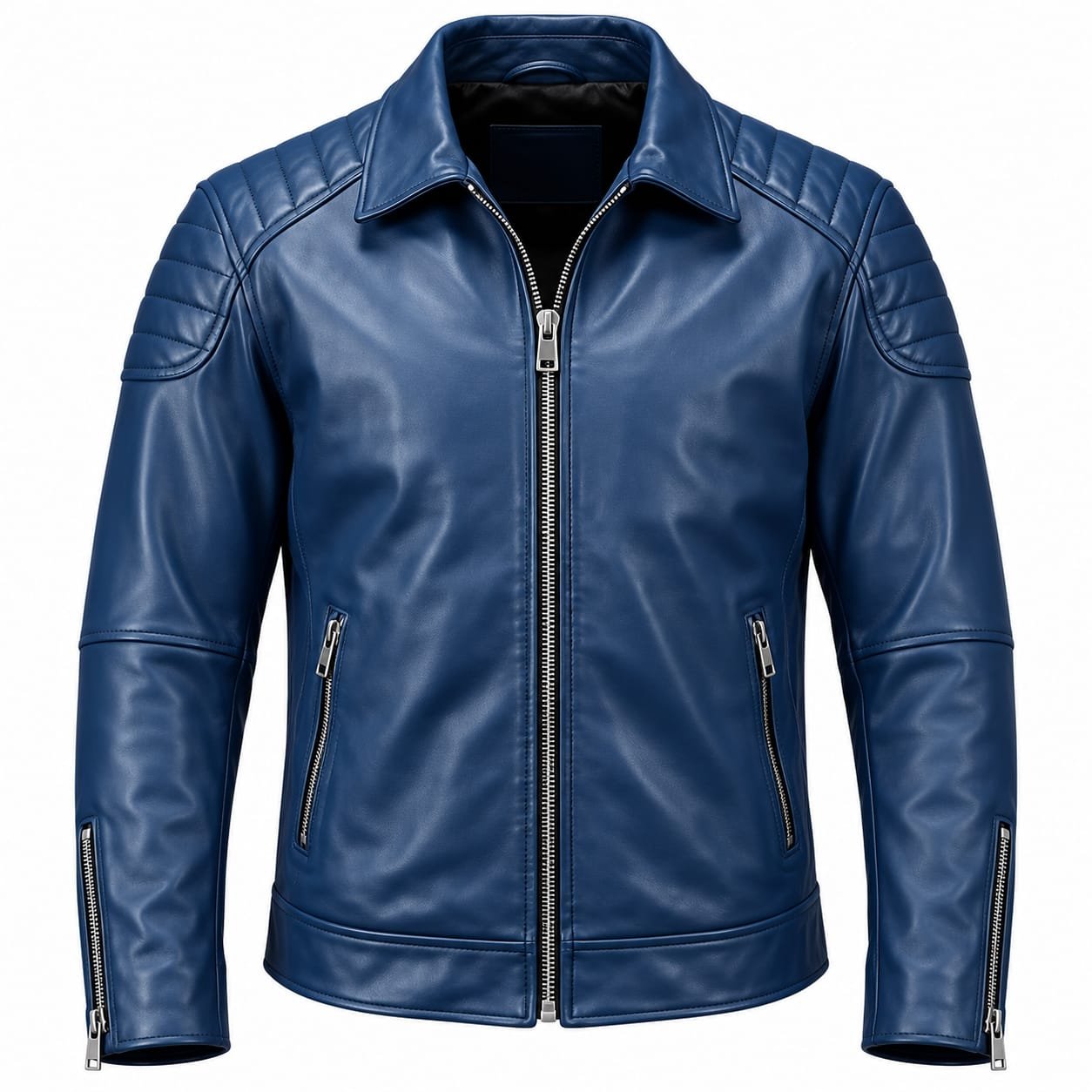
What Is the Best Type of Leather for a Jacket?
Choosing a leather jacket is not only about color, style, or price. One of the most important decisions is the type of leather used to make the jacket.
Cowhide, lambskin, goatskin, sheepskin, full-grain, top-grain, and other leather options can feel and perform differently. Some are better for durability, while others are preferred for softness, lightweight comfort, or a particular fashion look.
So, what is the best type of leather for a jacket?
The answer depends on how you plan to wear the jacket.
A motorcycle jacket may need strong, durable leather, while a lightweight fashion jacket may benefit from soft lambskin. Understanding these differences can help you choose a jacket that fits your lifestyle and budget.
What Is the Best Leather for a Jacket?
There is no single leather that is best for every jacket.
The most suitable option depends on:
- How often you will wear the jacket
- Whether you need maximum durability
- Whether you prefer lightweight leather
- Your climate
- Your budget
- The style of jacket
- How soft or structured you want the jacket to feel
For many buyers, cowhide is a strong choice for durability, while lambskin is popular for softness and lightweight fashion jackets.
Goatskin can provide a useful balance between durability and flexibility.
1. Cowhide Leather
Cowhide is one of the most commonly used leather types for jackets.
It is known for being relatively strong and durable, making it suitable for jackets designed for regular use.
Cowhide can be used for:
- Motorcycle jackets
- Biker jackets
- Bomber jackets
- Workwear-inspired jackets
- Heavy leather coats
- Fashion jackets
One of its advantages is its ability to provide a more structured appearance.
Advantages of cowhide
- Durable
- Strong structure
- Suitable for regular wear
- Good for protective-style jackets
- Can develop character with use
Possible disadvantages
Cowhide can feel heavier and stiffer than softer leather types, particularly when it is thick or new.
If your priority is an extremely lightweight and soft fashion jacket, lambskin may be more suitable.
2. Lambskin Leather
Lambskin is widely appreciated for its soft and smooth feel.
It is often used in fashion-focused leather jackets where comfort, flexibility, and a refined appearance are important.
Lambskin can work particularly well for:
- Women’s leather jackets
- Men’s fashion jackets
- Lightweight jackets
- Minimalist leather jackets
- Slim-fit styles
- Fashion coats
Advantages of lambskin
- Very soft feel
- Lightweight
- Comfortable
- Flexible
- Elegant appearance
Possible disadvantages
Lambskin is generally more delicate than heavy cowhide.
It may be more susceptible to scratches and damage if exposed to rough use.
For this reason, it is often better suited to fashion and everyday urban wear rather than demanding work environments.
3. Goatskin Leather
Goatskin is another useful option for leather jackets.
It can provide a combination of flexibility, durability, and relatively lightweight construction.
Goatskin may be suitable for:
- Casual jackets
- Fashion jackets
- Military-inspired designs
- Vintage-style jackets
- Everyday leatherwear
Its natural texture can also give a jacket a distinctive appearance.
For buyers who want something between very soft lambskin and heavier cowhide, goatskin can be worth considering.
4. Sheepskin Leather
Sheepskin is commonly associated with soft leather and warm outerwear.
Depending on how it is processed, sheepskin can be used for different types of garments.
It is particularly popular for:
- Shearling jackets
- Winter coats
- Warm leather jackets
- Aviator jackets
- Cold-weather outerwear
Shearling is especially different because the wool remains attached to the hide, providing insulation and a distinctive appearance.
5. Full-Grain Leather
Full-grain describes the way the hide’s natural grain is retained rather than being heavily corrected.
Full-grain leather is often selected by buyers who value natural character and long-term aging.
It can be used for:
- Premium leather jackets
- Motorcycle jackets
- Heritage jackets
- Heavy-duty leatherwear
Full-grain leather can develop a natural patina over time.
However, it can also show natural marks and variations from the original hide. These are not necessarily defects.
6. Top-Grain Leather
Top-grain leather comes from the upper portion of the hide and is generally processed to create a more consistent appearance.
It can offer a balance between appearance, durability, and usability.
Top-grain leather can be a good option for buyers who want a refined-looking leather jacket without necessarily choosing the most heavily natural-looking leather.
7. Suede Leather
Suede has a distinctive soft and textured surface.
It can create a very different appearance from smooth leather.
Suede jackets are popular for:
- Casual fashion
- Western-inspired styles
- Vintage looks
- Streetwear
- Lightweight jackets
However, suede requires appropriate care because its textured surface can be more sensitive to moisture and staining.
Which Leather Is Best for a Motorcycle Jacket?
If your main priority is durability, a suitable weight of cowhide is often a strong choice.
Motorcycle jackets are exposed to more demanding conditions than ordinary fashion jackets, so construction is just as important as the leather itself.
Look at:
- Leather thickness
- Stitching
- Reinforced areas
- Zippers
- Hardware
- Fit
- Protective features where applicable
The thickest leather is not automatically the best jacket. The material needs to match the intended use.
Which Leather Is Best for a Fashion Jacket?
For fashion jackets, lambskin is often attractive because of its softness, flexibility, and lightweight feel.
It works particularly well when the design calls for:
- A clean silhouette
- Slim fitting
- Soft drape
- Lightweight construction
- Comfortable everyday wear
However, cowhide, goatskin, and other leather types can also produce excellent fashion jackets.
The design and construction should be considered alongside the leather.
Which Leather Is Best for Winter?
For cold weather, the best choice depends on both the leather and the insulation.
A leather jacket by itself does not automatically make a jacket suitable for extreme cold.
For winter use, consider:
- Leather type
- Leather thickness
- Inner lining
- Insulation
- Collar design
- Cuff construction
- Jacket length
Shearling jackets can be particularly useful in cold conditions because the wool provides insulation.
Which Leather Is Softest?
Lambskin is generally known for its exceptionally soft and smooth feel.
It is often chosen when comfort and flexibility are more important than maximum ruggedness.
However, softness should not be the only factor.
A very soft leather may not be the best option for a motorcycle jacket or heavy-duty application.
Which Leather Lasts the Longest?
Durability depends on several factors, including:
- Leather type
- Thickness
- Hide quality
- Tanning
- Finishing
- Stitching
- Usage
- Maintenance
Heavy cowhide can be highly durable, but a well-made jacket from another leather type can also last for many years with proper care.
The construction of the jacket matters just as much as the material.
What Leather Should You Choose for Everyday Wear?
For everyday wear, think about your priorities.
Choose lambskin if you want:
- Softness
- Lightweight comfort
- A refined fashion appearance
Choose cowhide if you want:
- Durability
- A structured look
- A heavier jacket
- Long-term regular use
Choose goatskin if you want:
- Flexibility
- Durability
- A distinctive natural texture
Choose sheepskin or shearling if you want:
- Warmth
- Softness
- Cold-weather protection
- A distinctive winter style
Does Leather Thickness Matter?
Yes.
Leather thickness affects:
- Weight
- Flexibility
- Durability
- Structure
- Comfort
- Intended use
A lightweight fashion jacket and a motorcycle jacket do not necessarily need the same leather thickness.
Choosing leather based only on the thickest possible material can result in an uncomfortable jacket.
The correct thickness is the one that suits the design and intended use.
How Can You Choose the Right Leather Jacket?
Before buying, ask yourself five questions:
1. How will I use it?
Daily fashion, motorcycle riding, winter wear, or occasional use can require different leather choices.
2. Do I prefer softness or durability?
Lambskin usually emphasizes softness, while heavier cowhide can provide more rugged durability.
3. What climate do I live in?
A lightweight leather jacket may be suitable for mild weather, while a lined or shearling jacket may be more appropriate for colder conditions.
4. What is my budget?
Different leather types and grades can have very different prices.
5. What fit do I want?
The best leather will still look wrong if the jacket does not fit correctly.
Always check measurements rather than relying only on S, M, L, or XL labels.
What Should You Look for Besides Leather Type?
The leather type is important, but it is only one part of a good jacket.
Also check:
- Stitching quality
- Seam construction
- Zipper quality
- Buttons and snaps
- Lining
- Pocket construction
- Collar
- Cuffs
- Pattern and fit
- Finishing quality
A well-constructed jacket made from suitable leather can provide better value than a poorly constructed jacket made from a premium leather grade.
Final Verdict: What Is the Best Leather for a Jacket?
There is no universal winner.
Cowhide is a strong option for durability and structured jackets.
Lambskin is excellent for soft, lightweight fashion jackets.
Goatskin can provide a useful balance of flexibility and durability.
Sheepskin and shearling are particularly suitable for warm winter outerwear.
Full-grain and top-grain describe leather grades and surface characteristics rather than specific animal types.
The best leather jacket is the one where the leather type, thickness, construction, design, fit, and intended use work together.
Before buying, don’t simply ask, “Is this real leather?”
Ask the more useful question:
“Is this leather suitable for the way I plan to use the jacket?”
That question will help you choose a leather jacket that provides the right combination of comfort, appearance, durability, and value.
Frequently Asked Questions
What is the best leather for a leather jacket?
It depends on the intended use. Cowhide is a strong choice for durability, while lambskin is popular for soft and lightweight fashion jackets.
Is cowhide better than lambskin?
Neither is universally better. Cowhide is generally more rugged, while lambskin is softer and lighter.
Is lambskin good for leather jackets?
Yes. Lambskin is especially suitable for fashion jackets where softness, flexibility, and lightweight comfort are important.
Is goatskin good for jackets?
Yes. Goatskin can provide a useful combination of flexibility, durability, and natural texture.
What leather is best for motorcycle jackets?
A suitable-weight cowhide is often a strong option for motorcycle-style jackets because of its durability and structure. Jacket construction and protective features also matter.
What leather is best for winter jackets?
Shearling and properly insulated leather jackets can be excellent choices for cold weather. The lining and insulation are important alongside the leather.
Does expensive leather always mean a better jacket?
No. Leather quality matters, but construction, fit, hardware, lining, and finishing also have a major effect on the final product.