How to Start a Private Label Leather Jacket Brand in 2027
Starting a private label leather jacket brand in 2027 can be an attractive opportunity for fashion entrepreneurs, online retailers, and established clothing businesses. Leather jackets have a long product life, work across multiple fashion categories, and can be developed in many styles, colors, and finishes.
However, launching a successful leather jacket brand requires more than simply choosing a jacket design and adding a logo. You need the right manufacturer, leather, fit, branding, quality standards, pricing strategy, and production plan.
This guide explains the key steps for building a private label leather jacket brand in 2027, particularly for businesses targeting customers in the USA and Europe.
What Is a Private Label Leather Jacket?
A private label leather jacket is a jacket manufactured by a supplier according to your brand’s specifications and sold under your own brand name.
Instead of manufacturing every component yourself, you work with a specialized manufacturer that can produce the garments according to your requirements.
You may customize:
- Jacket design
- Leather type
- Leather color
- Finish
- Fit
- Hardware
- Zippers
- Buttons
- Lining
- Labels
- Packaging
- Size range
- Branding
This allows a fashion business to create its own leather collection without building a complete manufacturing facility.
1. Define Your Brand Before Production
Before contacting manufacturers, decide what type of leather jacket brand you want to build.
Your brand could focus on:
Premium Fashion
Premium brands can focus on refined silhouettes, soft leather, clean hardware and high-quality finishing.
Streetwear
Streetwear collections can use oversized silhouettes, relaxed fits, bold details and vintage or distressed finishes.
Motorcycle Fashion
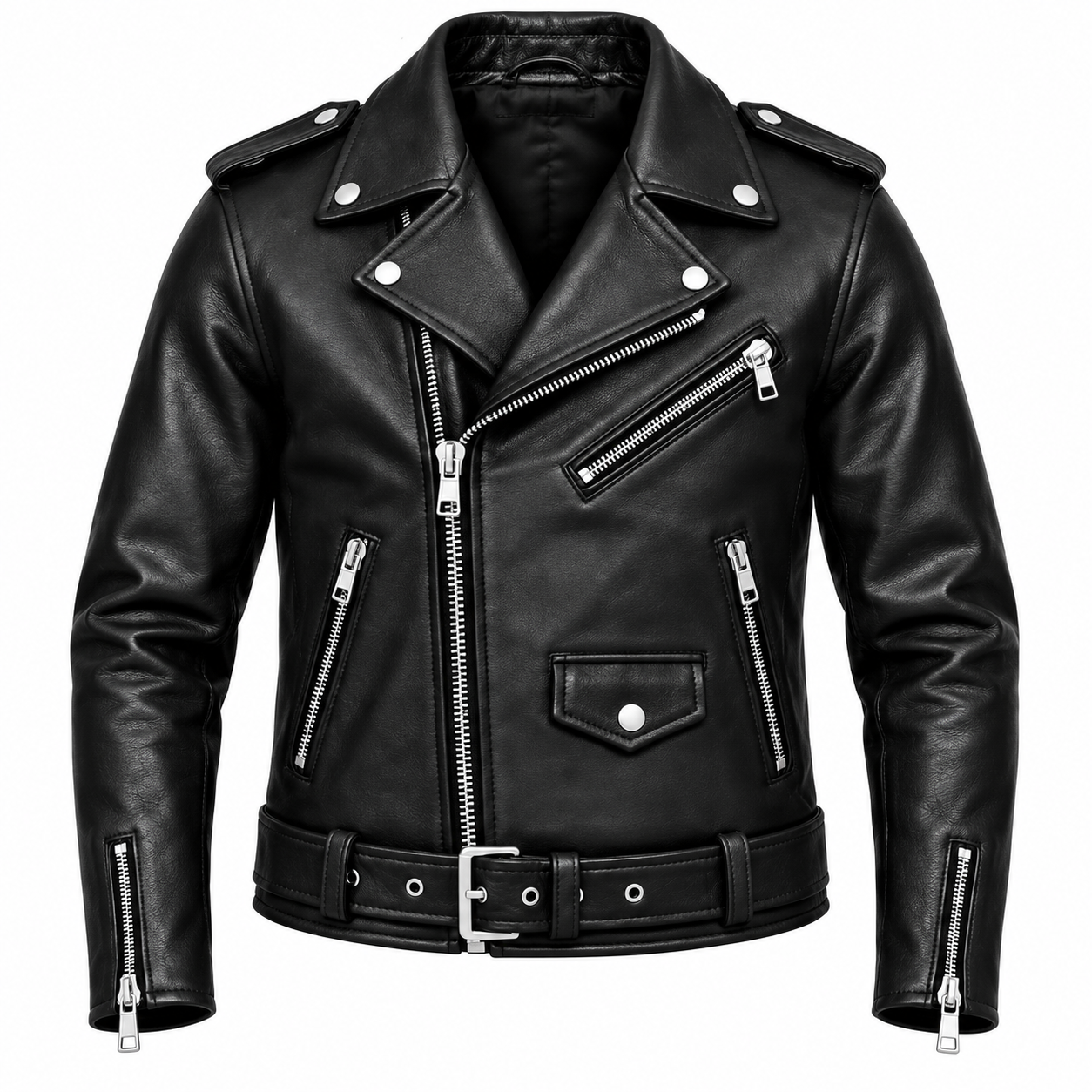
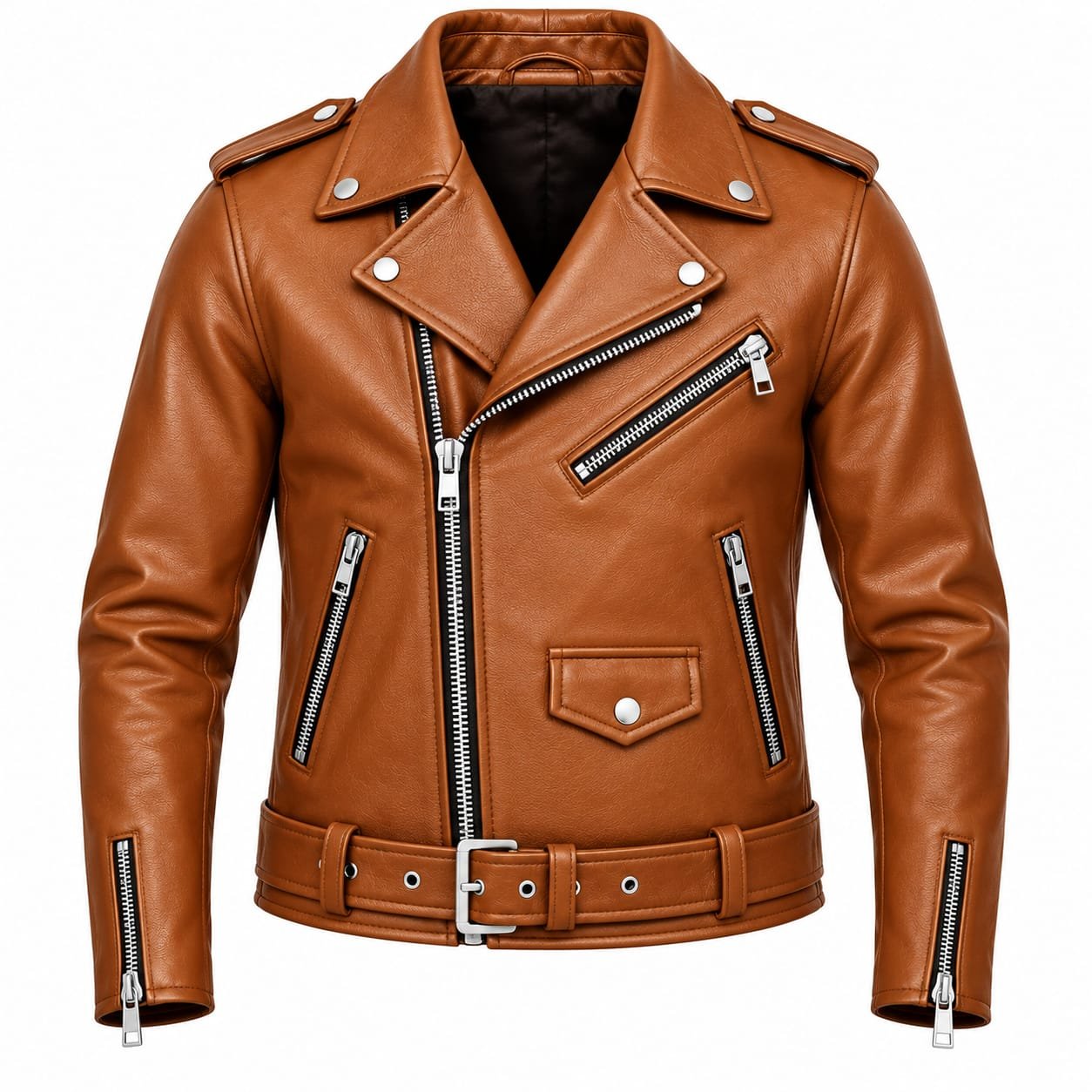
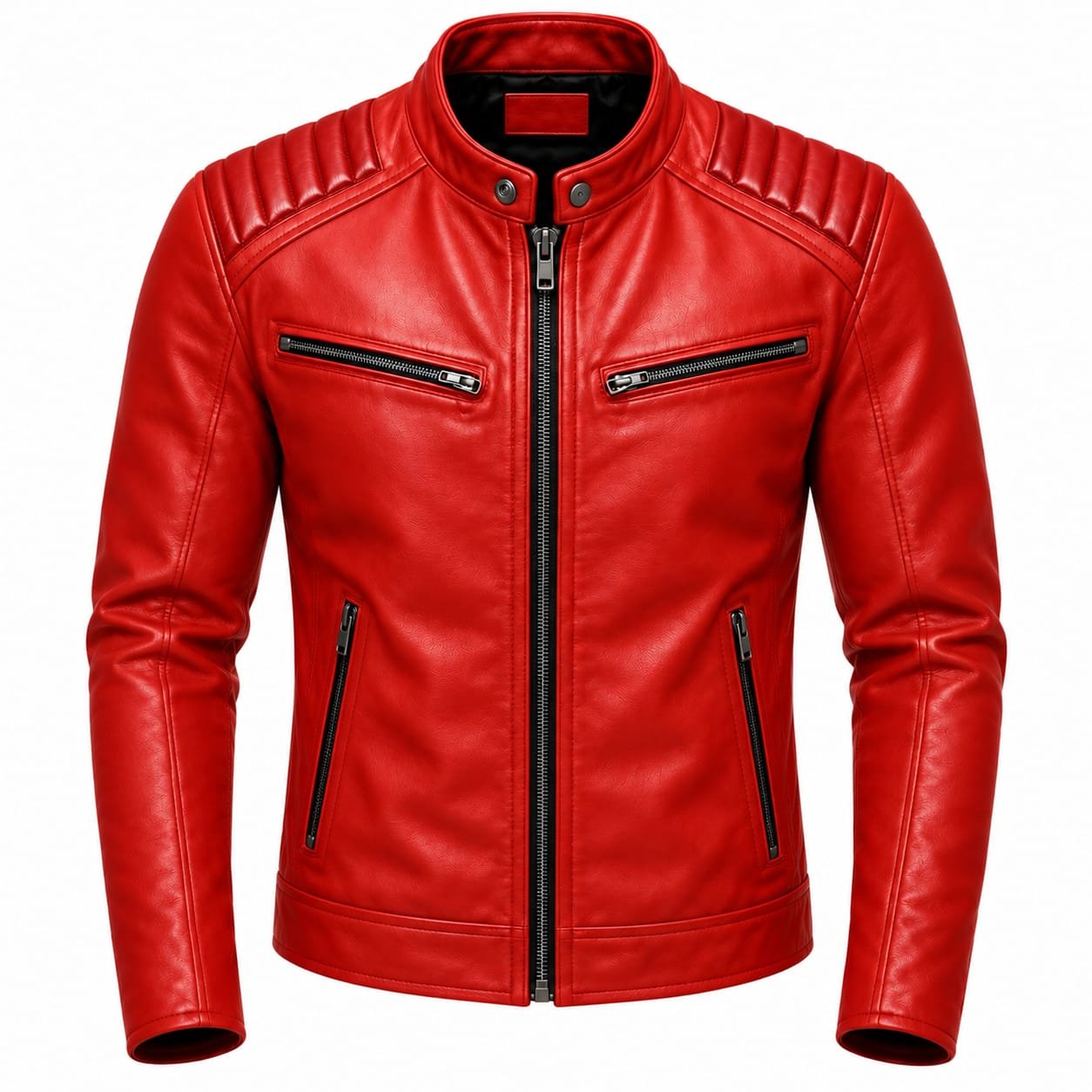
Motorcycle-focused brands can develop biker jackets, café racer jackets and other structured styles.
Women’s Fashion
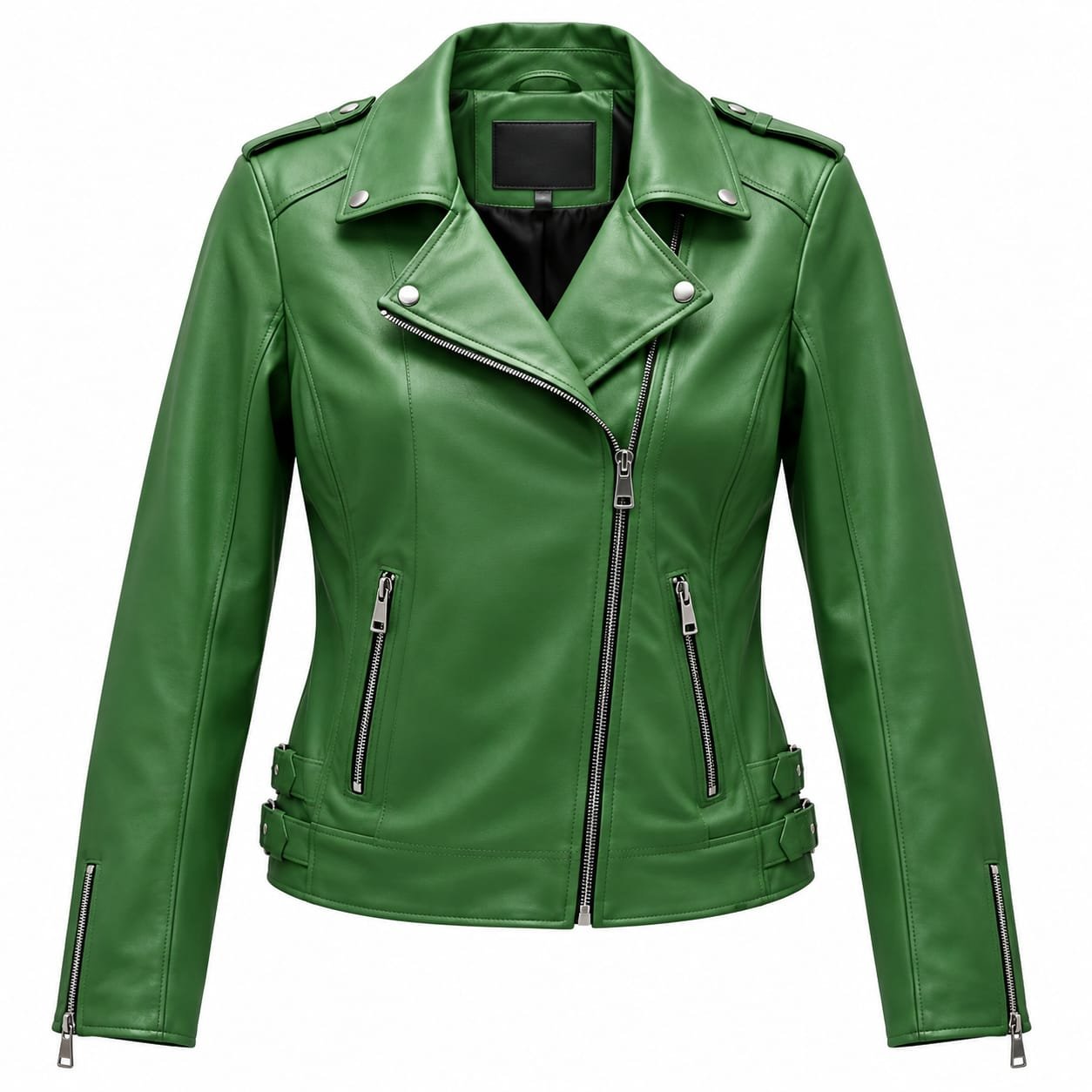
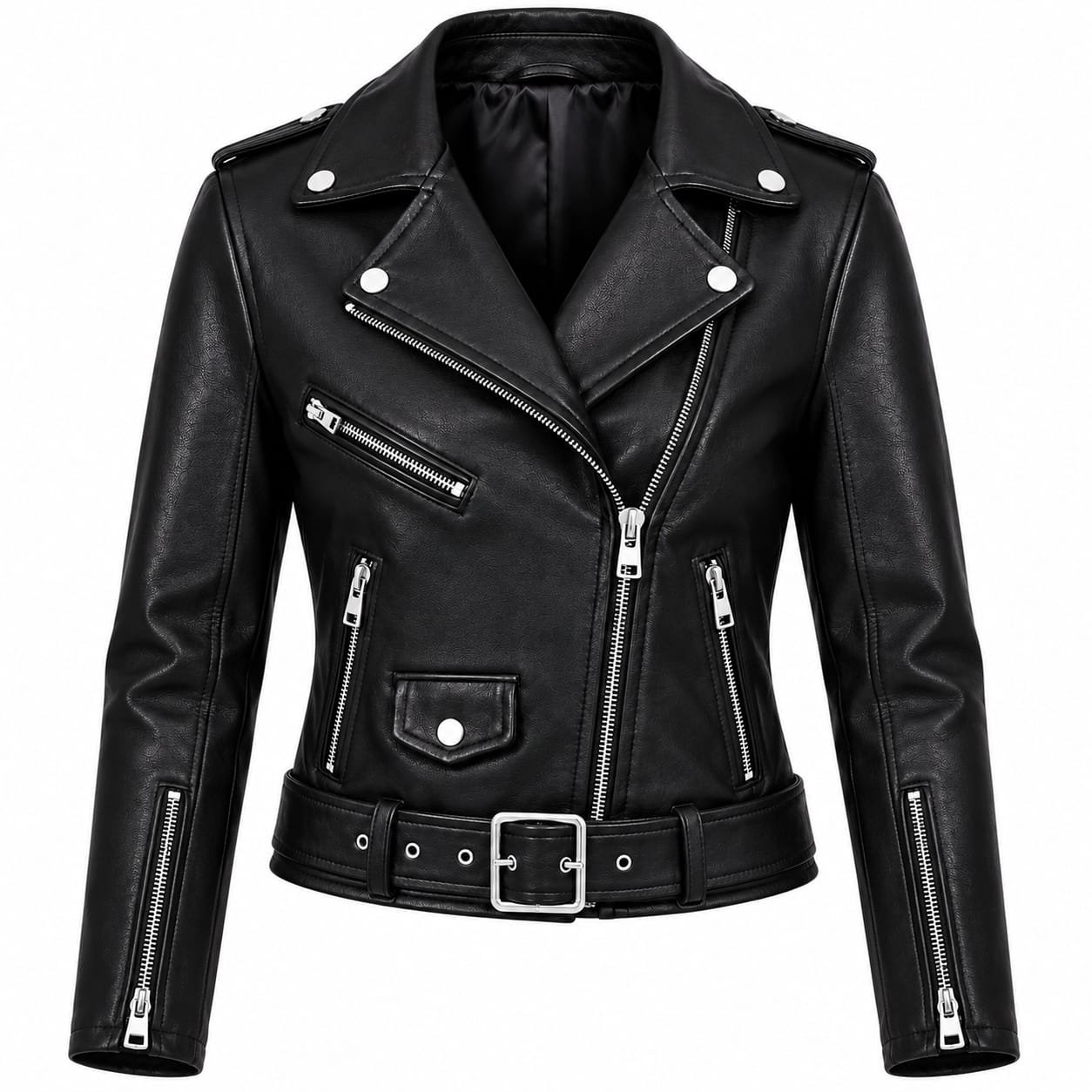
Women’s collections can include fitted jackets, cropped jackets, leather bombers, blazers and contemporary silhouettes.
Heritage and Vintage
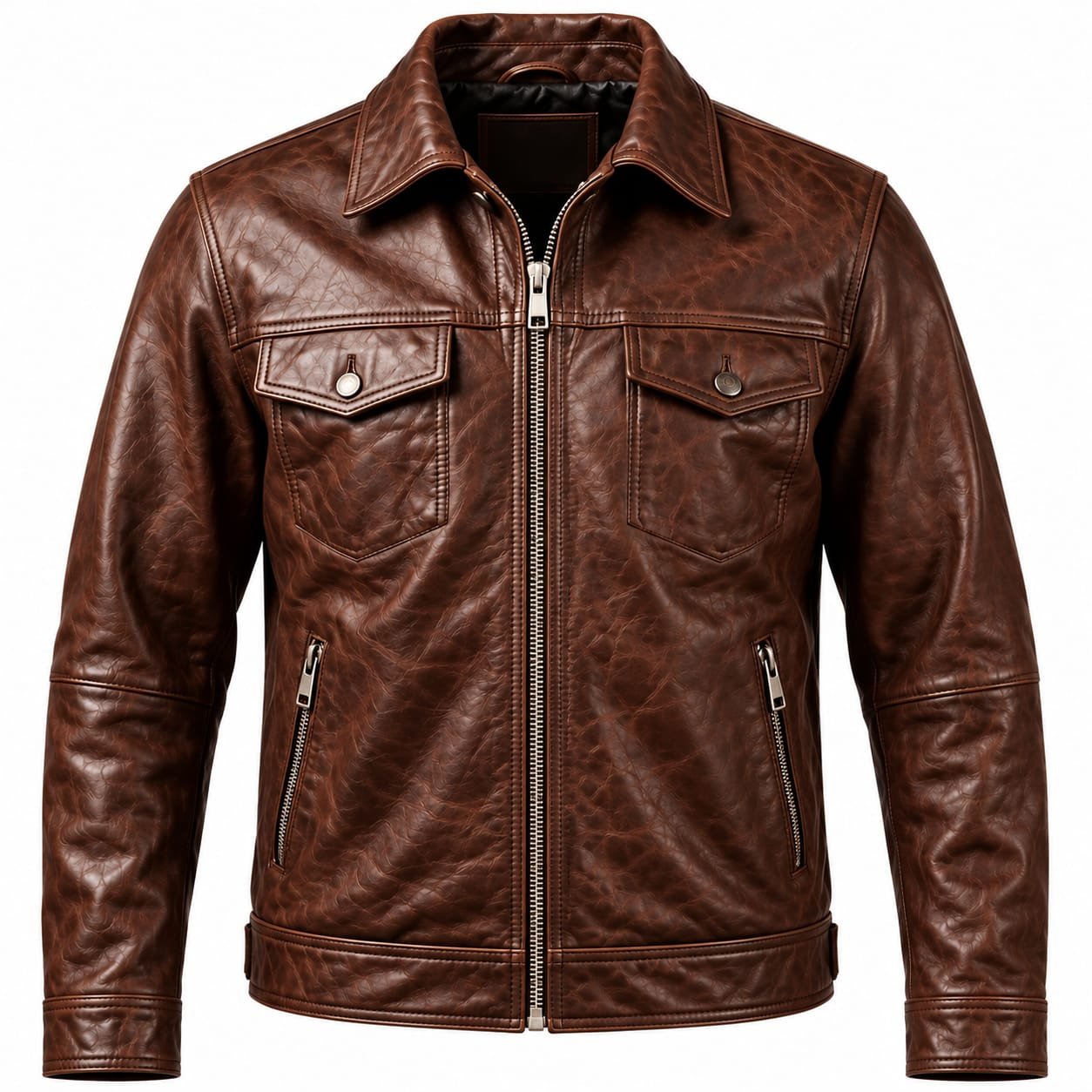
Heritage brands can focus on natural leather, aged finishes, classic patterns and traditional designs.
Having a clear direction makes it easier to choose the appropriate leather and manufacturing specifications.
2. Research Your Target Market
Before producing your first collection, understand who you want to sell to.
For USA and European markets, consider:
- Customer age
- Preferred jacket styles
- Climate
- Typical retail prices
- Popular colors
- Fit preferences
- Seasonal demand
- Competitor products
For example, a customer buying a leather jacket for motorcycle use may prioritize durability, while a fashion customer may care more about softness, fit and appearance.
Your manufacturing specification should reflect these differences.
3. Choose the Right Leather
Leather selection is one of the most important decisions in product development.
Common options include:
Lambskin
Lambskin is known for its soft and lightweight feel and can work particularly well for fashion jackets and women’s collections.
Cowhide
Cowhide can provide a stronger and more structured feel, making it suitable for biker jackets, rugged bombers and other durable styles.
Full-Grain Leather
Full-grain leather retains the natural grain of the hide and is often selected for premium and heritage-inspired products.
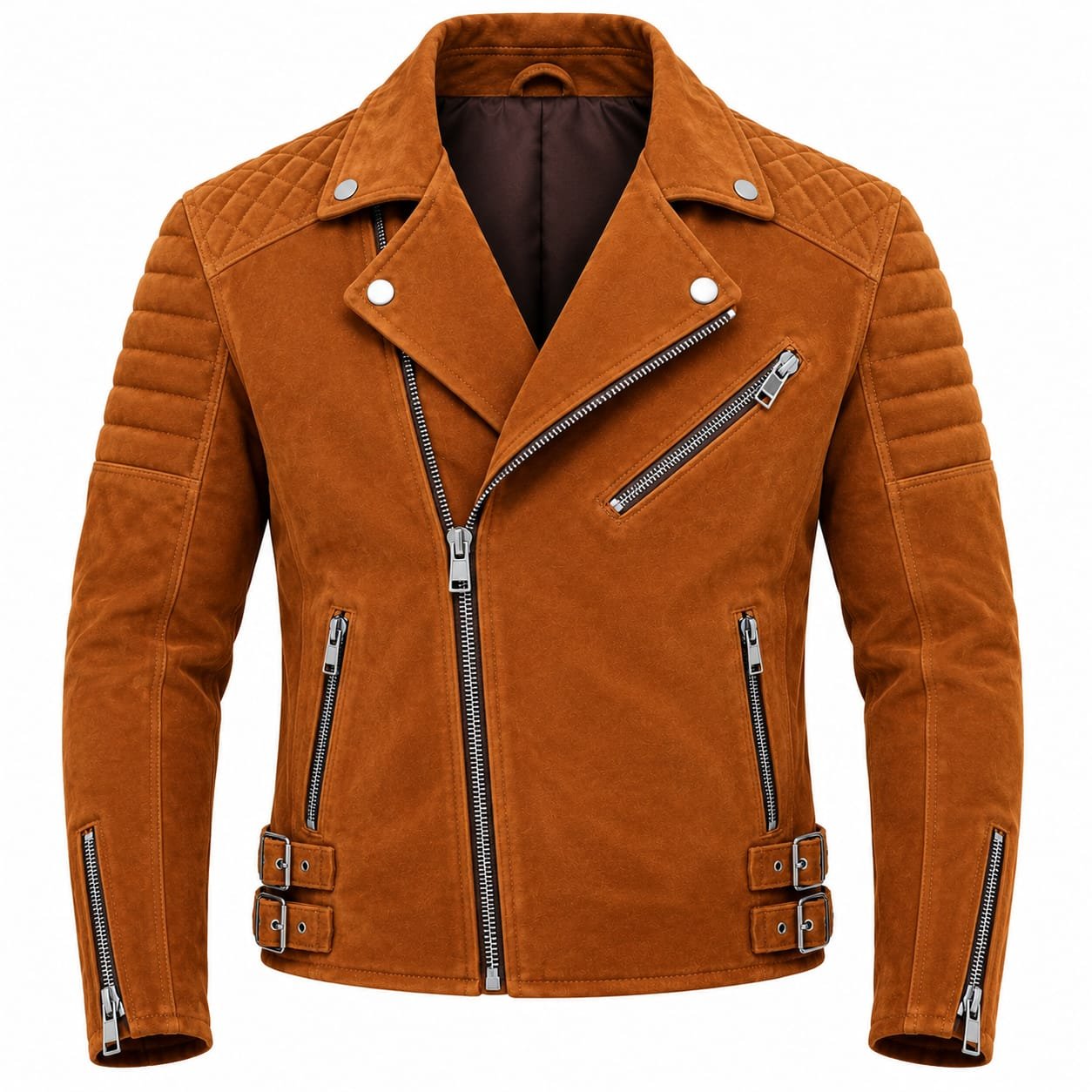
Suede
Suede provides a softer, matte appearance and can create a completely different aesthetic from smooth leather.
The best choice depends on your product concept, target customer, intended use and price range.
4. Create Your Jacket Design
Once you know your market and leather requirements, develop the actual jacket design.
Your specification should include details such as:
- Front closure
- Collar style
- Pocket design
- Sleeve shape
- Cuffs
- Waistband
- Stitching
- Lining
- Hardware
- Logo placement
- Labels
- Size measurements
You can provide a technical drawing, reference images or a detailed specification to your manufacturer.
The more clearly the design is communicated, the easier it is to produce a consistent sample.
5. Select a Reliable Leather Jacket Manufacturer
Choosing the right manufacturer is one of the most important steps.
Do not select a supplier based only on the lowest price.
Look for a manufacturer that can demonstrate:
- Leather sourcing capability
- Consistent production
- Sample development
- Quality control
- Customization
- Private-label branding
- Reliable communication
- Production capacity
- Export experience
Ask for product samples before committing to a large production order.
A manufacturer that understands your design requirements can become a long-term production partner rather than simply a one-time supplier.
6. Understand MOQ
MOQ means Minimum Order Quantity.
Different manufacturers have different MOQ requirements. Your MOQ may also depend on the leather, color, design complexity and customization requirements.
For a new brand, a smaller initial production run can help reduce inventory risk.
For established brands with proven demand, larger production quantities can potentially improve the unit economics.
Before placing an order, confirm:
- Minimum quantity
- Sample cost
- Bulk unit price
- Production timeline
- Packaging requirements
- Shipping terms
- Payment terms
Always get the agreed specifications in writing.
7. Develop a Sample First
Never rush directly into bulk production when launching a new design.
A sample allows you to inspect the actual product before committing to the full order.
Check:
Fit
Does the jacket fit according to your intended measurements?
Leather
Is the leather thickness, softness and finish correct?
Stitching
Are the seams straight and consistent?
Hardware
Are the zippers, buttons and snaps working correctly?
Pockets
Are the pocket positions and dimensions correct?
Lining
Does the lining fit properly without excessive pulling or loose fabric?
Branding
Are the labels and logo positioned correctly?
If something is wrong, correct it during the sample stage rather than after bulk production begins.
8. Build Your Brand Identity
A private label business needs more than a logo.
Your branding can include:
- Main logo
- Woven labels
- Leather labels
- Hang tags
- Care labels
- Packaging
- Dust bags
- Custom boxes
- Thank-you cards
For premium leather jackets, packaging can play an important role in the customer’s first impression.
Your branding should remain consistent across your website, product photography, social media and physical packaging.
9. Choose the Right Size Range
Sizing can directly affect customer satisfaction and returns.
For USA and European markets, consider offering a suitable range such as:
XS, S, M, L, XL, XXL, XXXL
However, do not simply copy a generic size chart.
Develop measurements based on your target market and intended fit.
For example, an oversized streetwear jacket should have different measurements from a fitted women’s leather jacket.
Make sure your manufacturer follows the approved measurement chart during production.
10. Calculate Your Real Product Cost
Your product cost is not just the leather and sewing cost.
Consider:
- Leather
- Lining
- Zippers
- Buttons
- Labels
- Packaging
- Sample costs
- Manufacturing
- Quality inspection
- Freight
- Customs and duties where applicable
- Payment processing
- Marketplace fees
- Marketing
Understanding your complete landed cost helps you establish a realistic retail price.
For example, if your total landed cost is $100, selling the jacket for $120 may leave very little room for marketing, returns and other operating expenses.
A sustainable brand needs enough margin to cover the full business cost.
11. Plan Your Product Photography
Leather jackets are highly visual products.
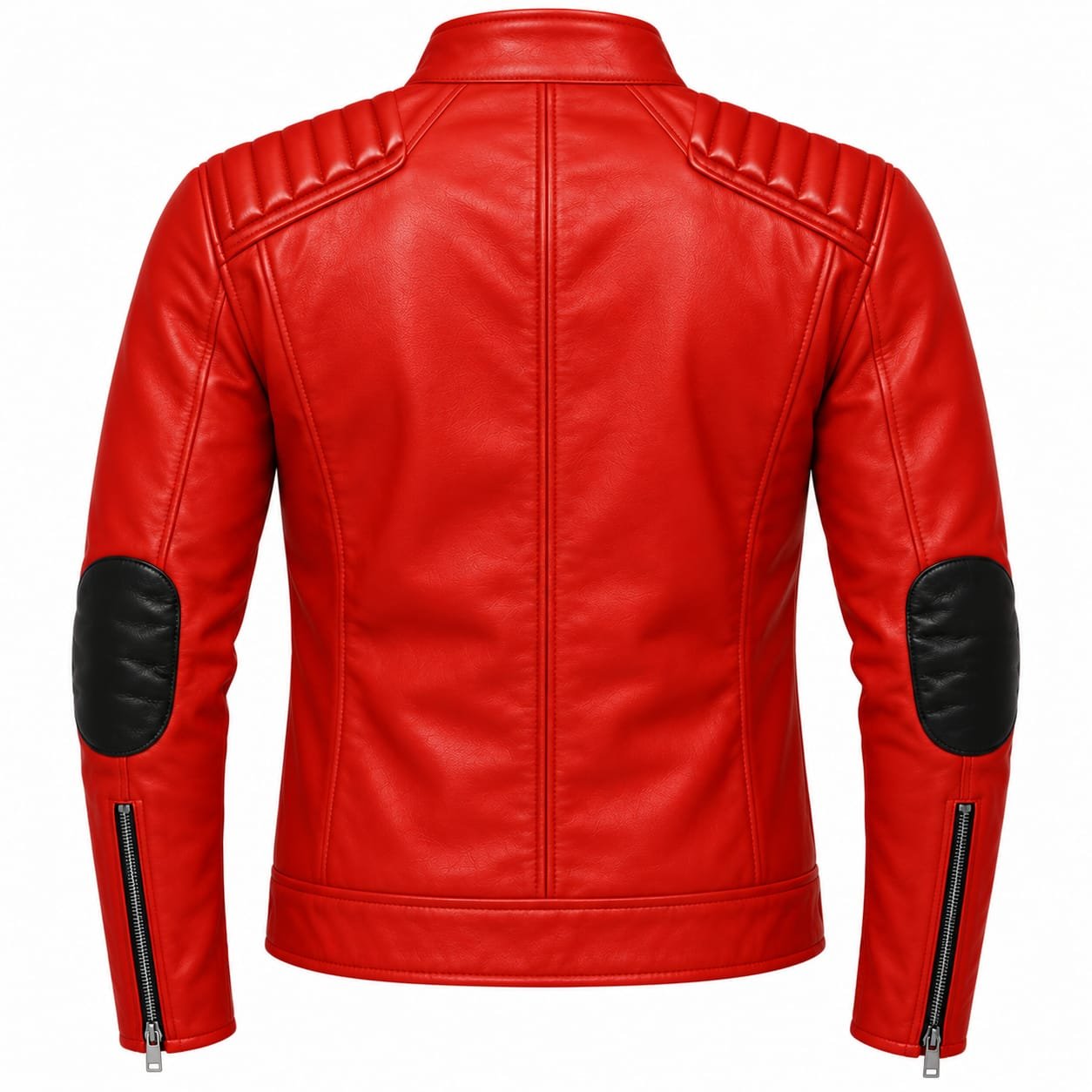
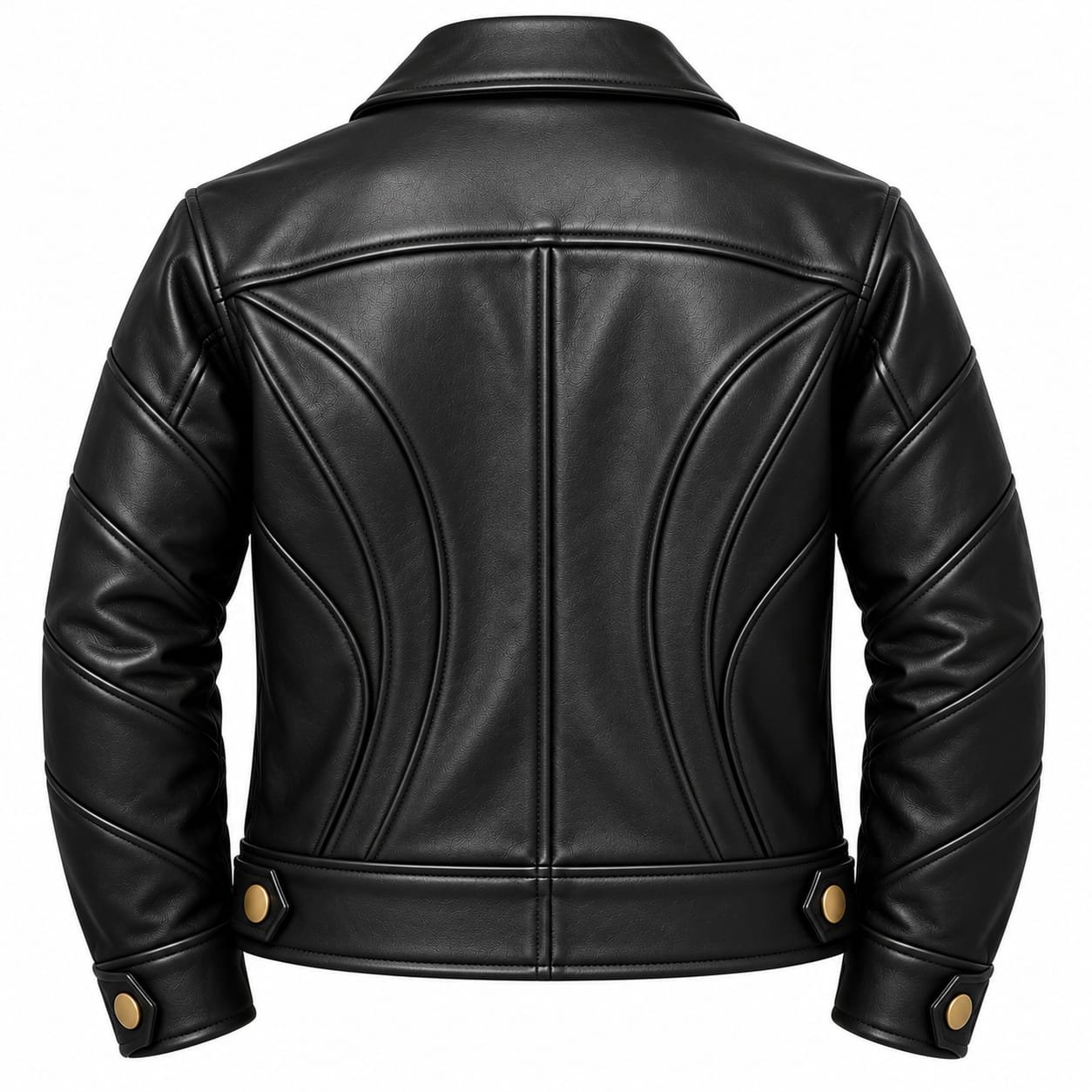
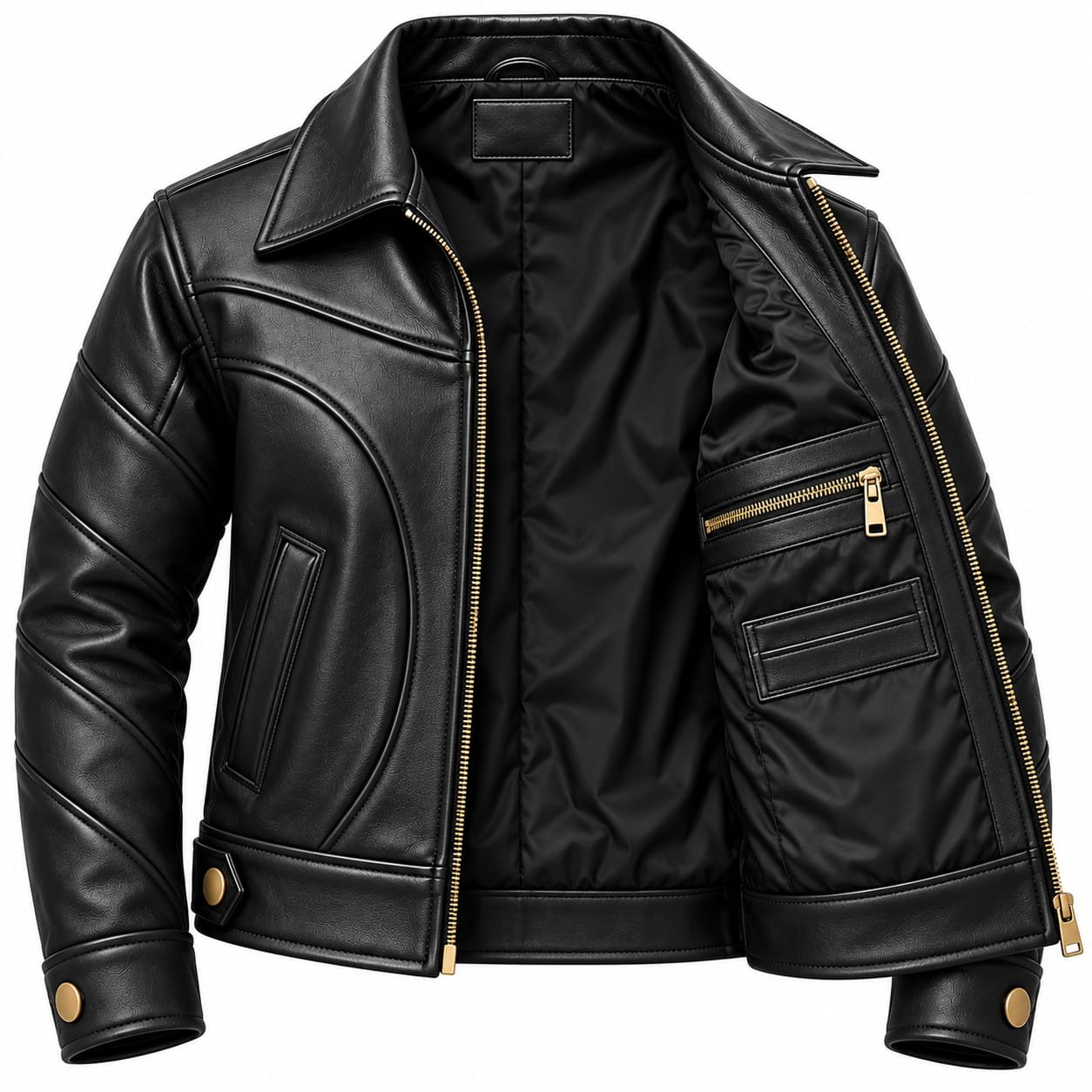
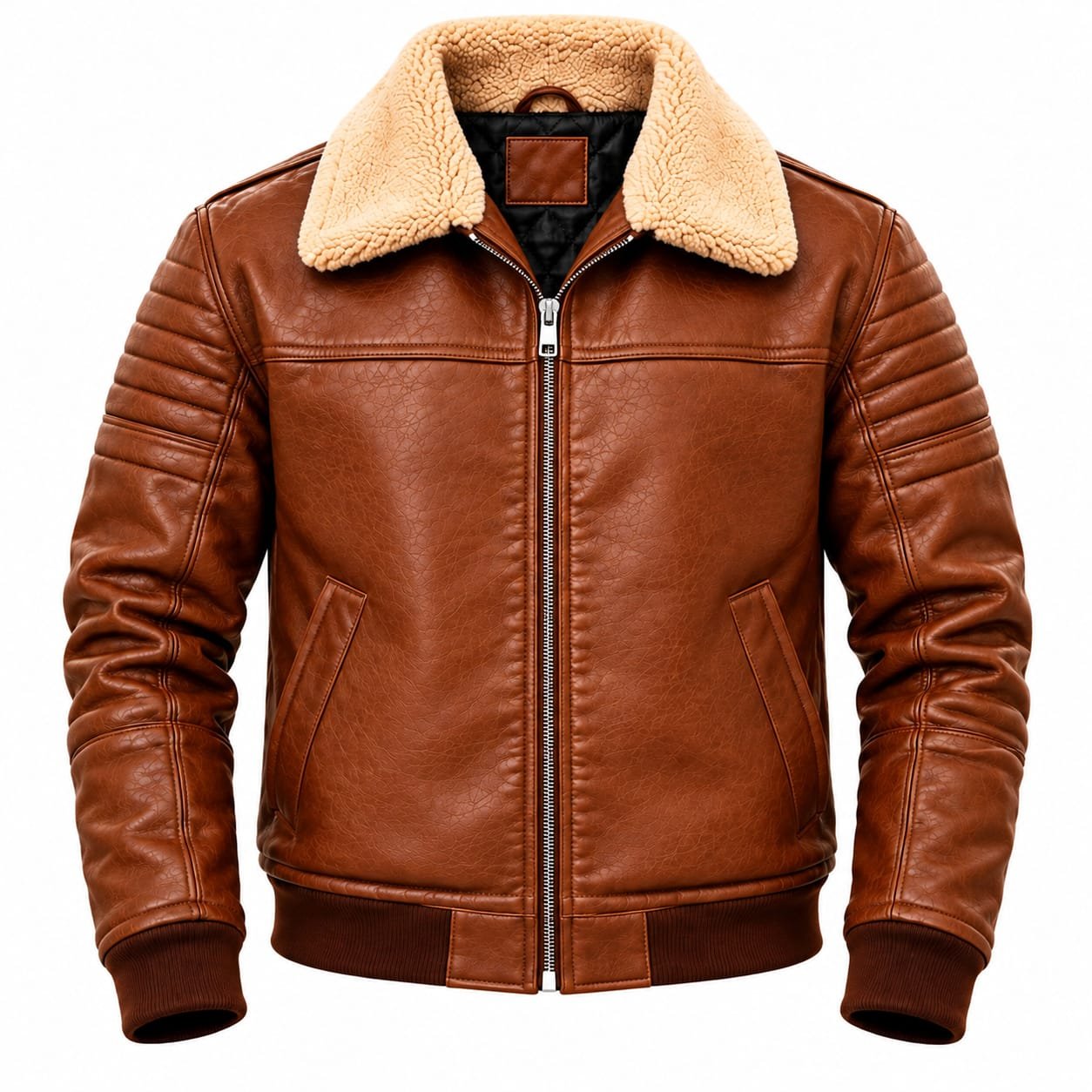
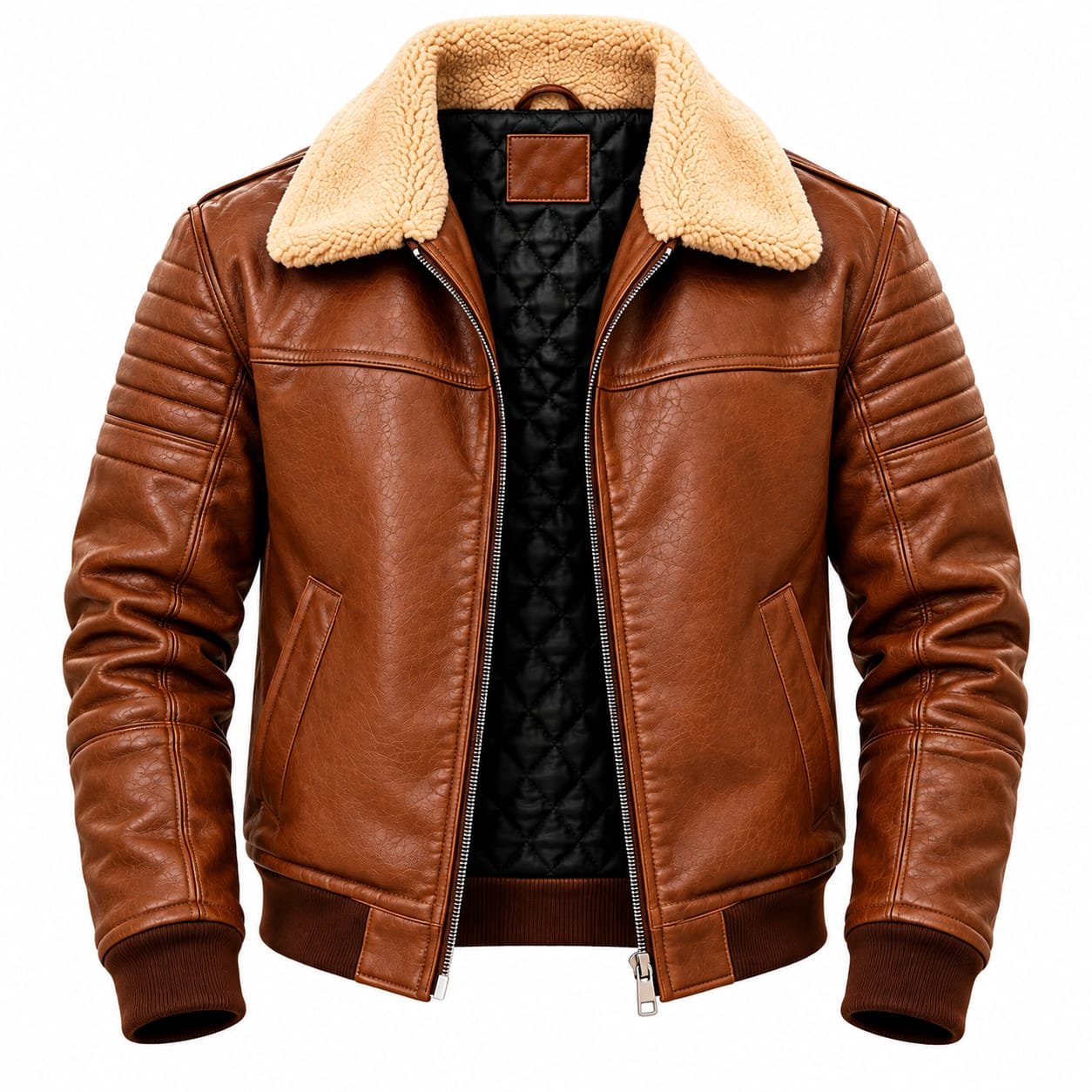
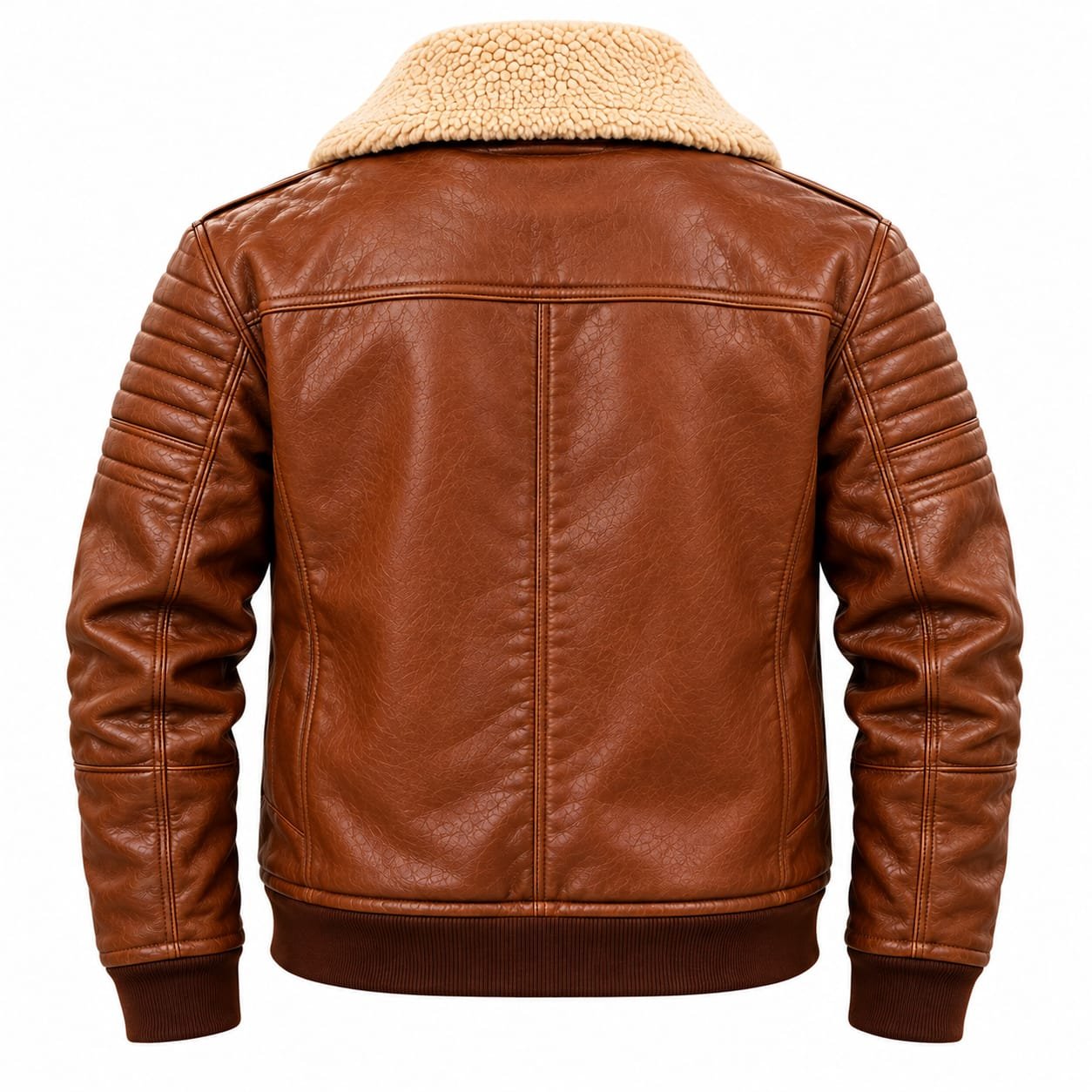
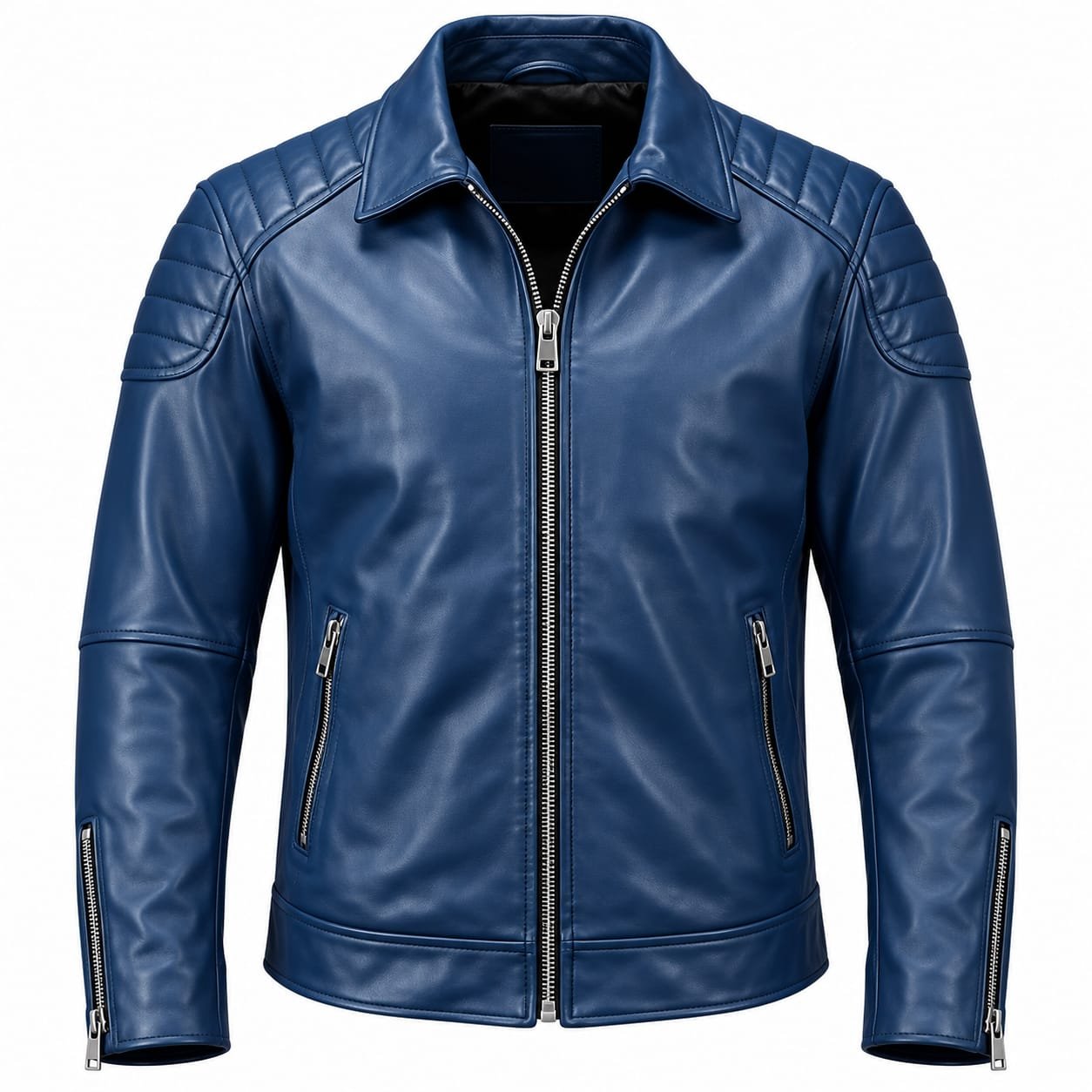
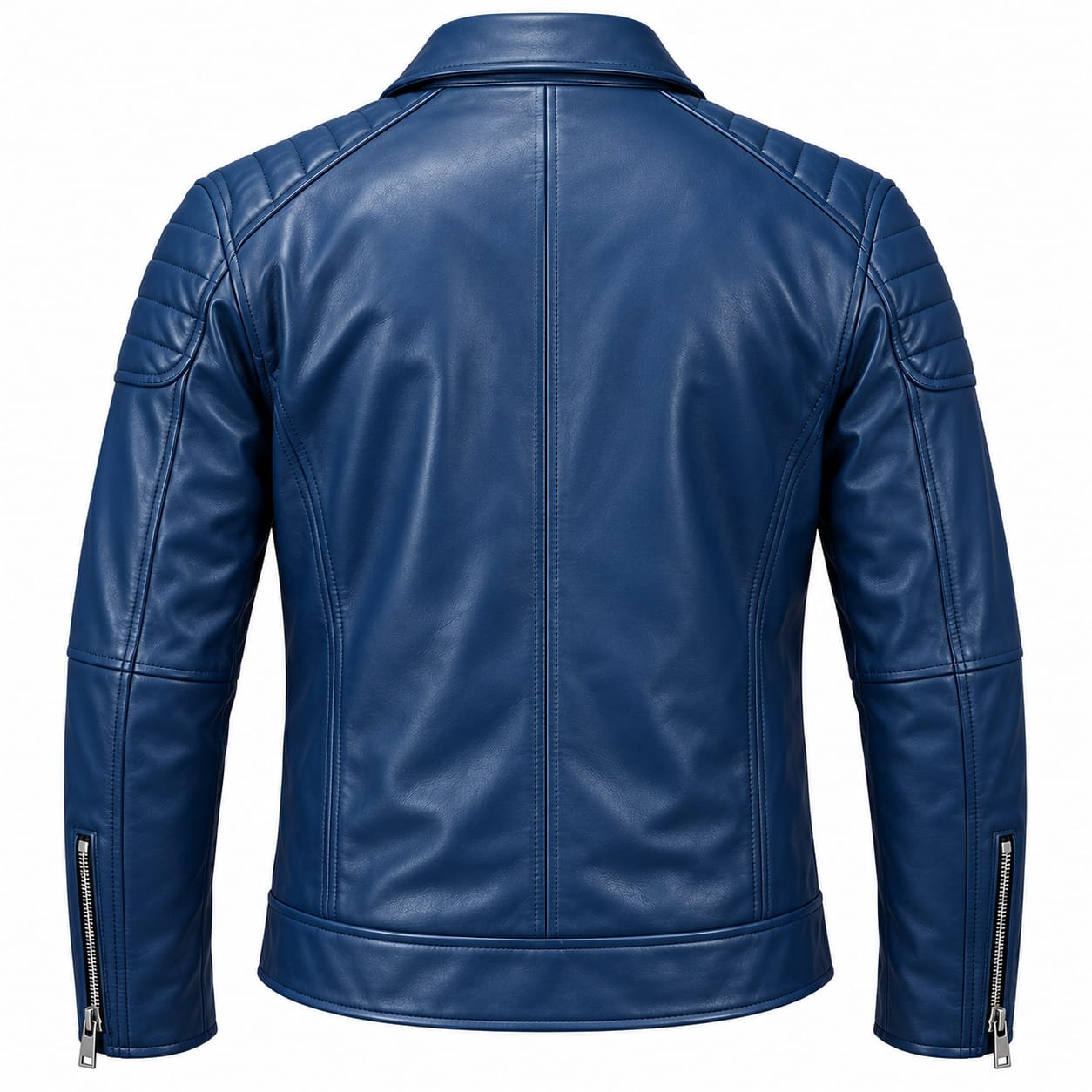
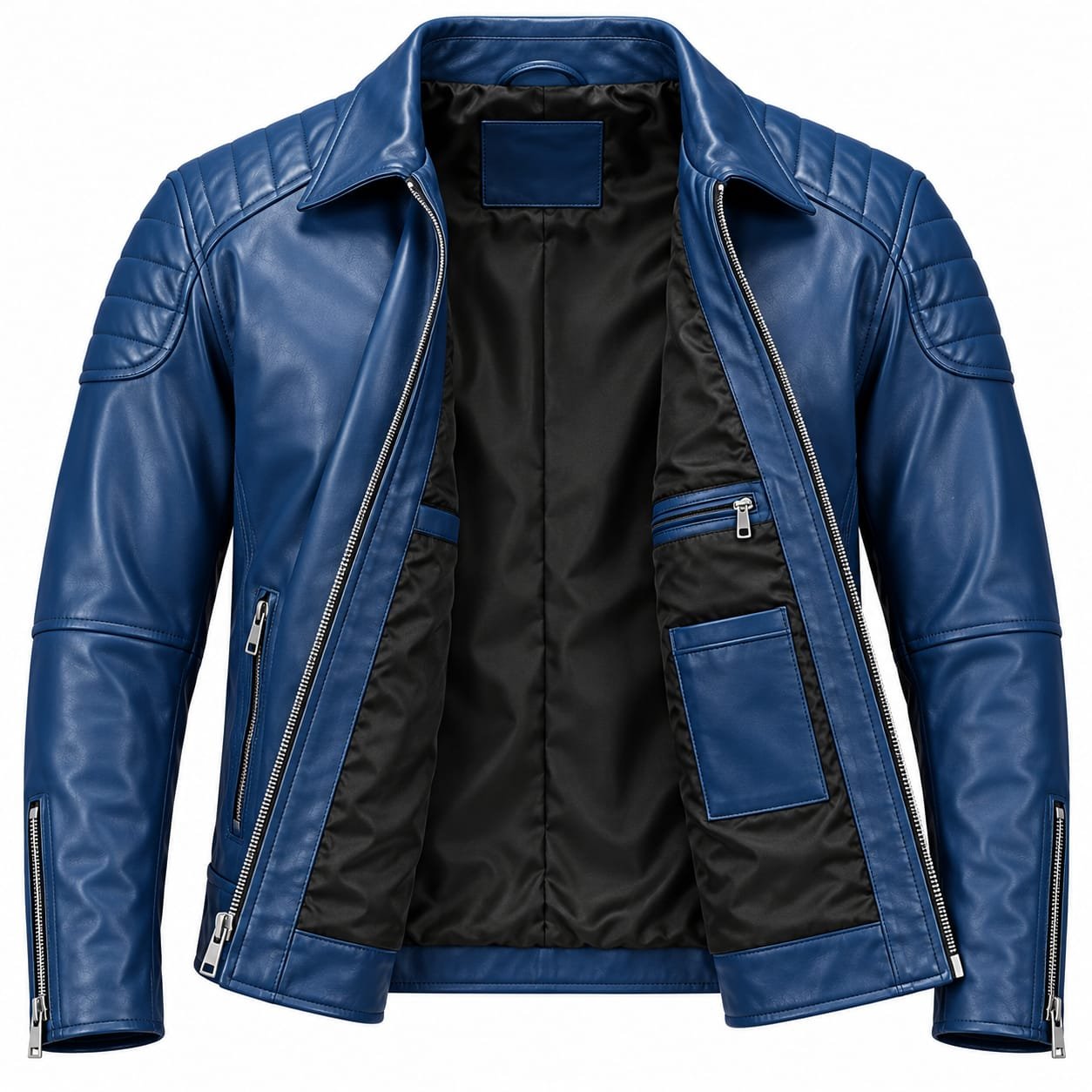
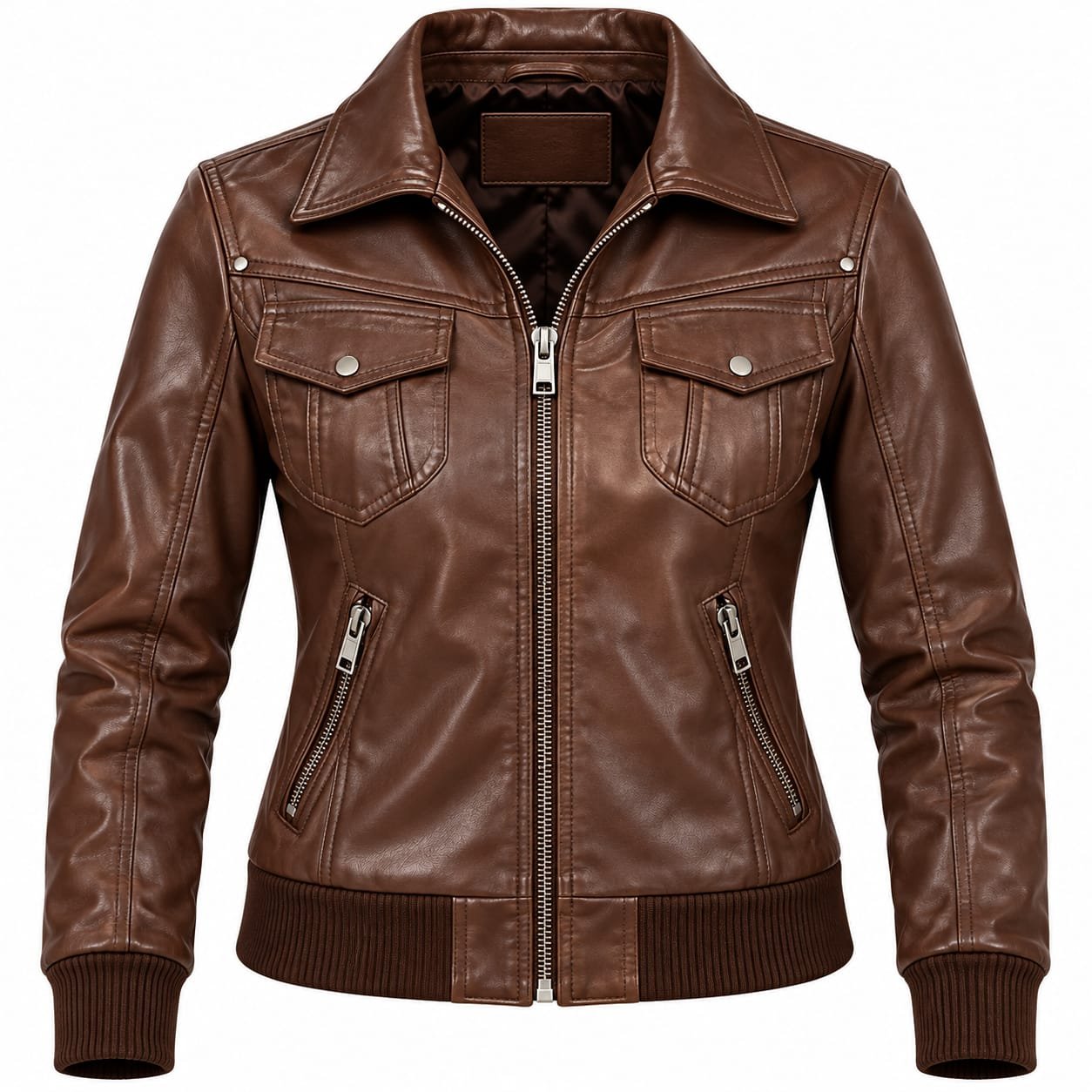
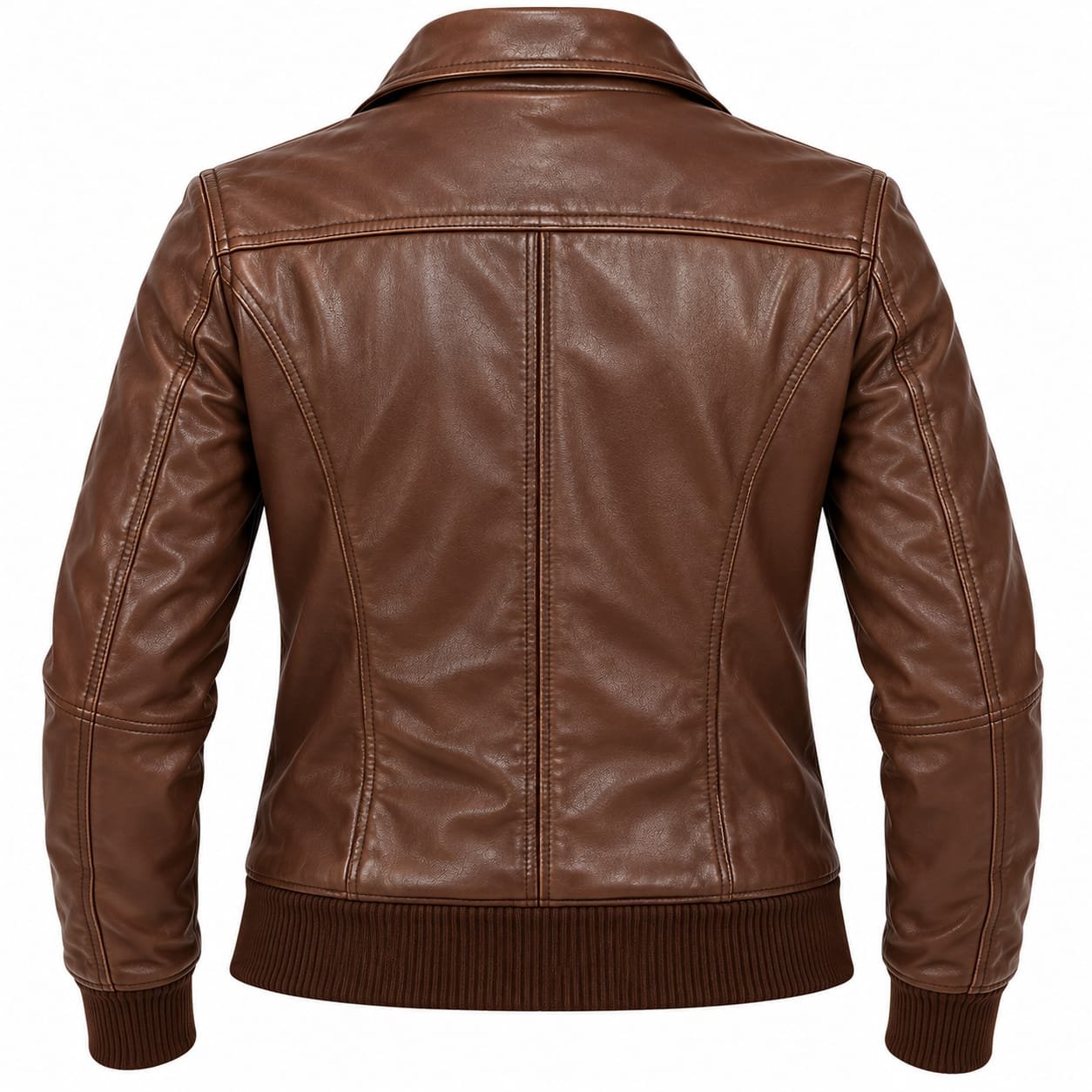
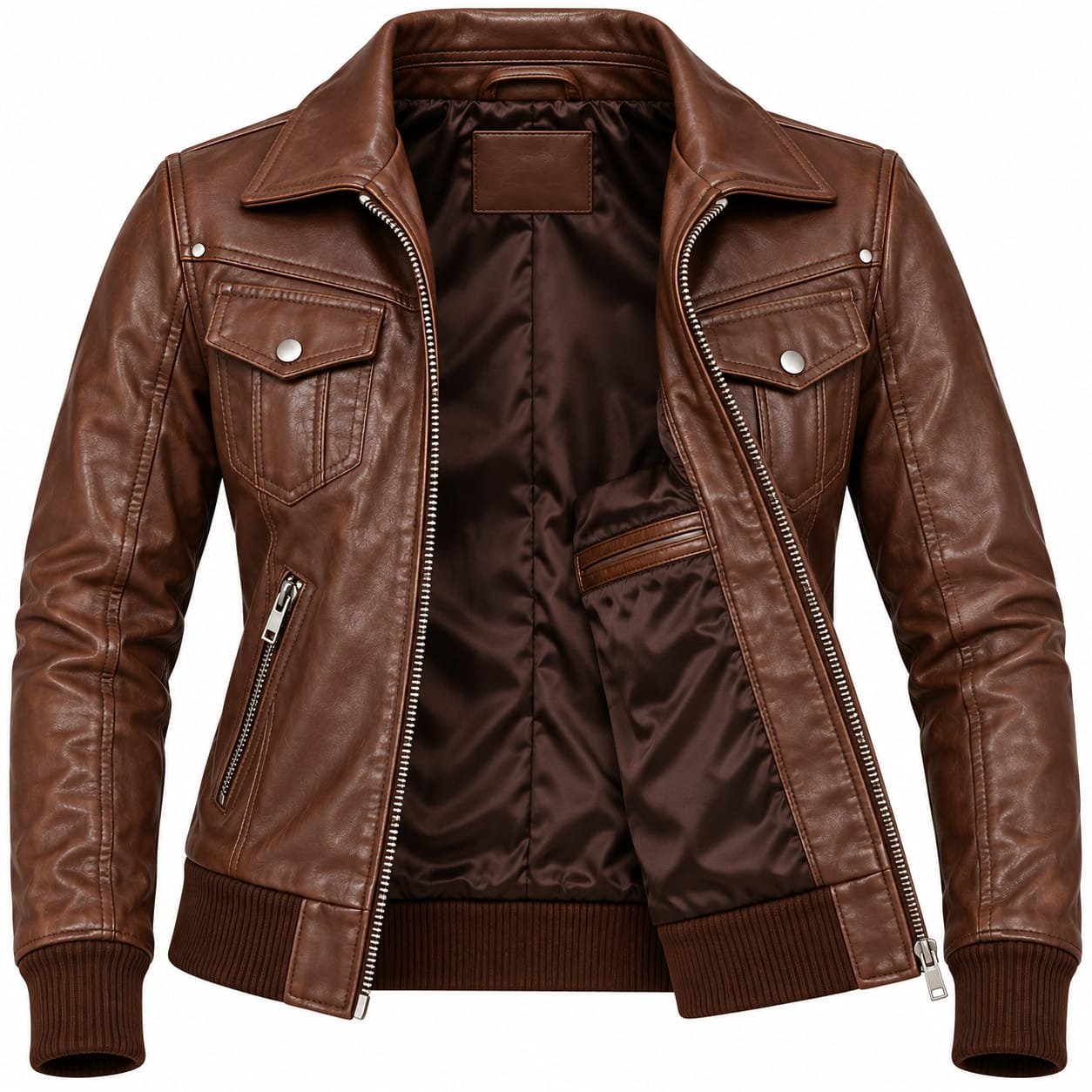
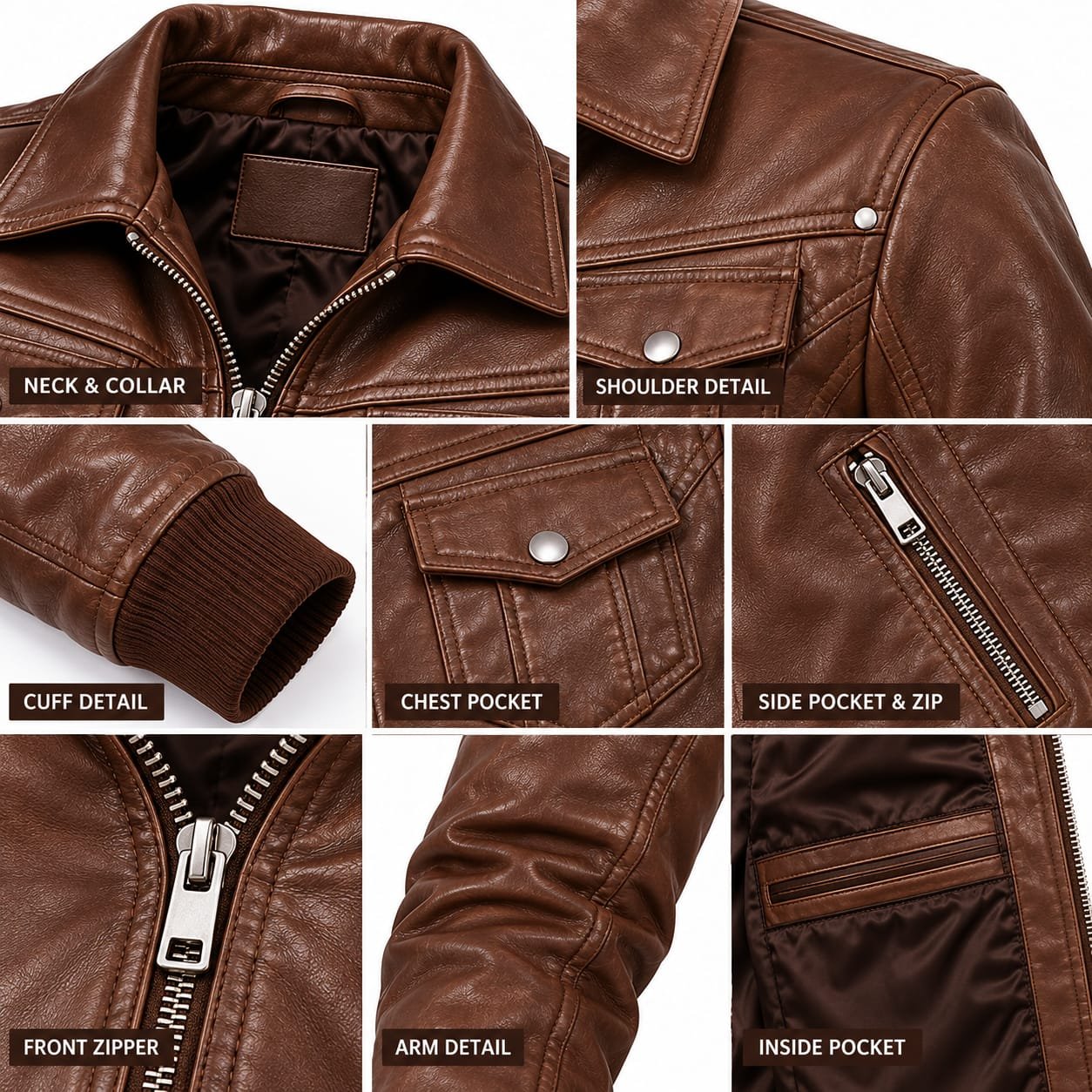
Your product photography should clearly show:
- Front view
- Back view
- Side view
- Close-up leather texture
- Zippers
- Pockets
- Collar
- Cuffs
- Lining
- Branding
For an online store, high-quality images can help customers understand the product before purchasing.
You can also create lifestyle photography showing how the jacket looks when worn.
12. Build an SEO-Friendly Product Page
If you plan to sell through your own website, each leather jacket should have a properly optimized product page.
Include:
SEO title
A clear product-focused title such as:
Women’s Brown Leather Bomber Jacket
Product description
Explain the design, leather, fit, features and intended use.
Image ALT text
Describe what is actually visible in each image.
Meta description
Create a concise description designed to encourage clicks from search results.
Product specifications
Include leather type, lining, closure, pockets, fit and available sizes.
Avoid filling the page with repeated keywords. The content should primarily help the customer understand the product.
13. Use Multiple Sales Channels
A private label leather brand does not have to depend on one sales channel.
Depending on your business model, you can sell through:
- Your own website
- Online marketplaces
- Social media
- Wholesale
- Fashion boutiques
- Retail partnerships
- B2B orders
Your own website gives you more control over branding and customer experience, while marketplaces can provide access to existing audiences.
14. Start With a Focused Collection
A common mistake for new brands is launching too many products at once.
Instead of producing 20 or 30 different jacket designs, consider starting with a smaller collection.
For example:
1 women’s bomber
1 men’s bomber
1 biker jacket
1 vintage jacket
1 premium minimalist jacket
You can then measure which styles receive the most interest and expand the collection based on actual demand.
15. Think About Seasonal Planning
Leather jackets are particularly relevant for fall and winter collections, but production planning should begin well before the selling season.
Brands targeting the USA and Europe should plan:
- Design development
- Sampling
- Product photography
- Website preparation
- Marketing
- Production
- Shipping
well ahead of the intended launch.
Waiting until cold weather arrives before beginning production can leave insufficient time for manufacturing and logistics.
Why Work With a Specialized Leather Manufacturer?
A specialized leather manufacturer can help a brand with more than basic sewing.
The right production partner can support:
- Leather selection
- Pattern development
- Sampling
- Custom colors
- Hardware selection
- Branding
- Size grading
- Bulk manufacturing
- Quality control
- Packaging
This can simplify the process for fashion businesses that want to build a leather collection without managing every manufacturing process themselves.
Private Label Leather Jackets With Zentro Leather
Zentro Leather works with brands looking to develop custom leather apparel for private-label and wholesale collections.
Depending on the product requirements, brands can customize:
- Leather type
- Color
- Finish
- Jacket design
- Hardware
- Pockets
- Lining
- Labels
- Logo
- Size range
- Packaging
Whether you are launching a new fashion label or expanding an existing clothing business, the goal should be to create products that match your brand identity and target customer.
Final Thoughts
Starting a private label leather jacket brand in 2027 requires careful planning. The most important decisions include choosing the right market, developing a clear product concept, selecting suitable leather, finding a reliable manufacturer, approving samples and calculating your complete costs.
Do not focus only on finding the cheapest jacket manufacturer. A lower initial price does not necessarily produce a better business result if the leather, fit, construction or consistency is poor.
Start with a focused collection, test your products, collect customer feedback and expand the styles that demonstrate real demand.
For brands targeting the USA and Europe, a strong combination of quality leather, distinctive design, reliable manufacturing and consistent branding can provide a solid foundation for a private label leather jacket business in 2027.