How to Choose the Right Leather for a Jacket
Choosing the right leather is one of the most important decisions when buying or manufacturing a leather jacket. Different leather types offer different levels of softness, durability, weight, texture, and appearance.
Whether you want a classic fashion jacket, motorcycle jacket, bomber jacket, or custom leather outerwear, understanding the differences between leather materials can help you make a better choice.
Full-Grain Leather
Full-grain leather retains the natural grain of the hide and is known for its durability and distinctive natural appearance.
It can develop a unique patina over time, making it a popular choice for premium leather products.
Full-grain leather is particularly suitable for buyers who value durability and a natural leather appearance.
Top-Grain Leather
Top-grain leather is another popular option for leather jackets. The surface is generally processed to create a more uniform appearance while retaining good durability.
It can offer a balance between appearance, performance, and comfort.
Top-grain leather is commonly used for premium fashion jackets and other leather apparel.
Cowhide Leather
Cowhide is known for its strength and durability.
It is often associated with motorcycle jackets and heavier leather outerwear because it can provide a substantial feel and strong wear resistance.
For riders or customers looking for a rugged jacket, cowhide can be a practical option.
Lambskin Leather
Lambskin is valued for its softness and lightweight feel.
It is particularly popular for fashion jackets because it drapes naturally and feels comfortable against the body.
However, softer leather may require more careful handling than heavier hides.
Lambskin is a good choice when comfort, softness, and a premium fashion appearance are priorities.
Sheepskin Leather
Sheepskin can provide a soft and comfortable feel while offering a distinctive natural texture.
It is also commonly associated with shearling garments when the wool is retained with the hide.
Shearling jackets can provide warmth and a distinctive winter appearance.
Suede Leather
Suede has a soft, textured surface and a distinctive matte appearance.
It can create a more relaxed and luxurious look compared with smooth leather.
Suede jackets are popular for casual fashion, western-inspired designs, and premium streetwear.
However, suede generally requires more care to protect it from moisture and staining.
Distressed Leather
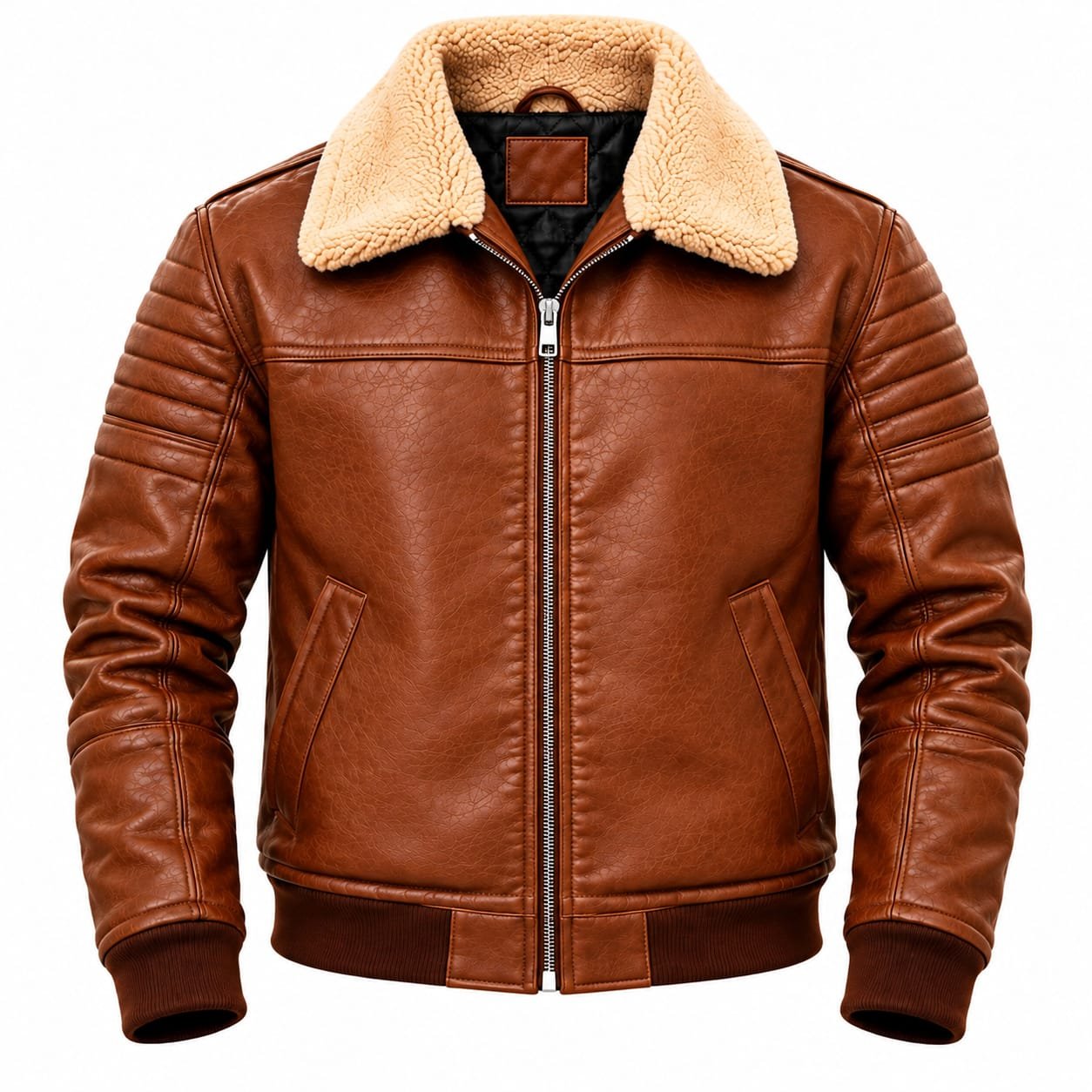
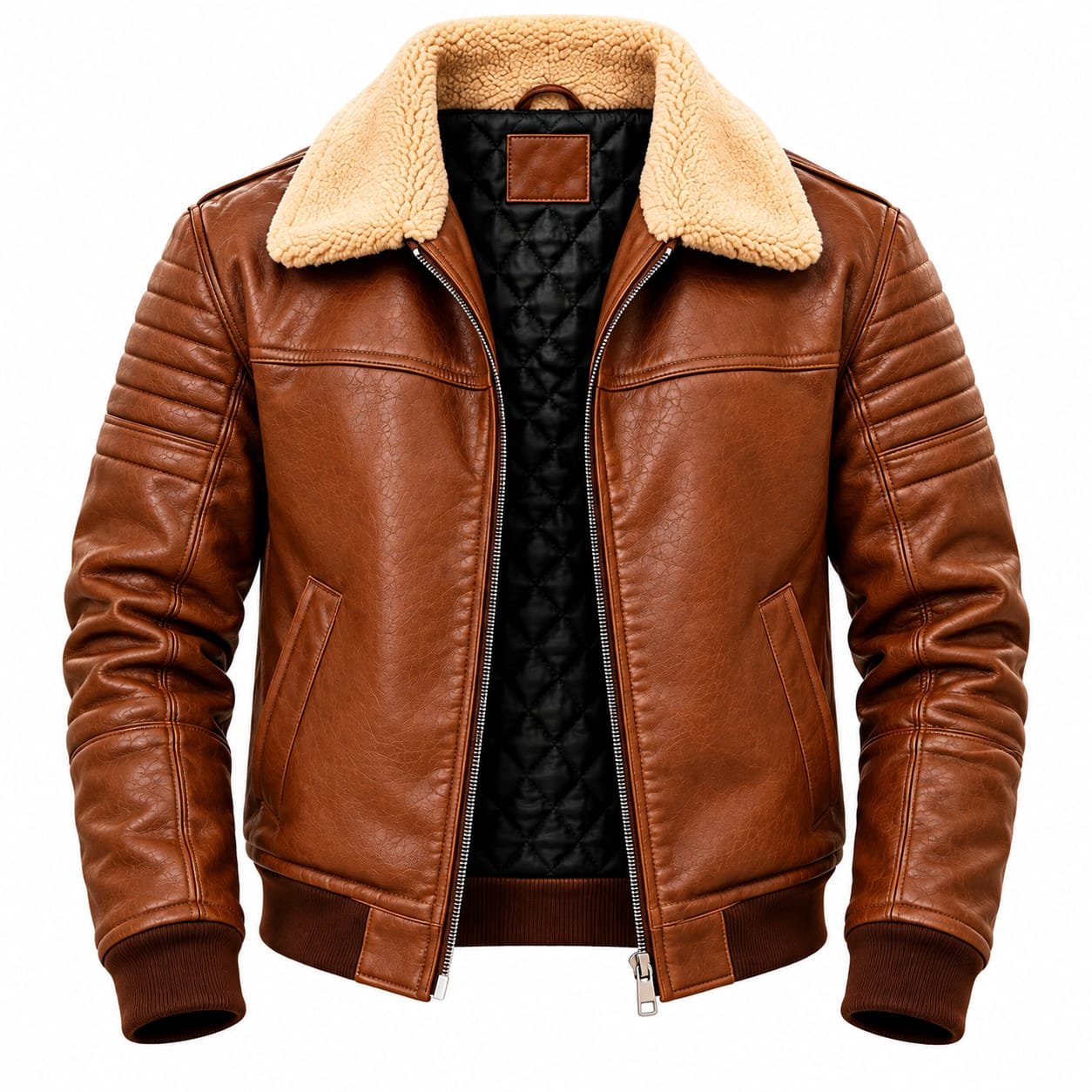
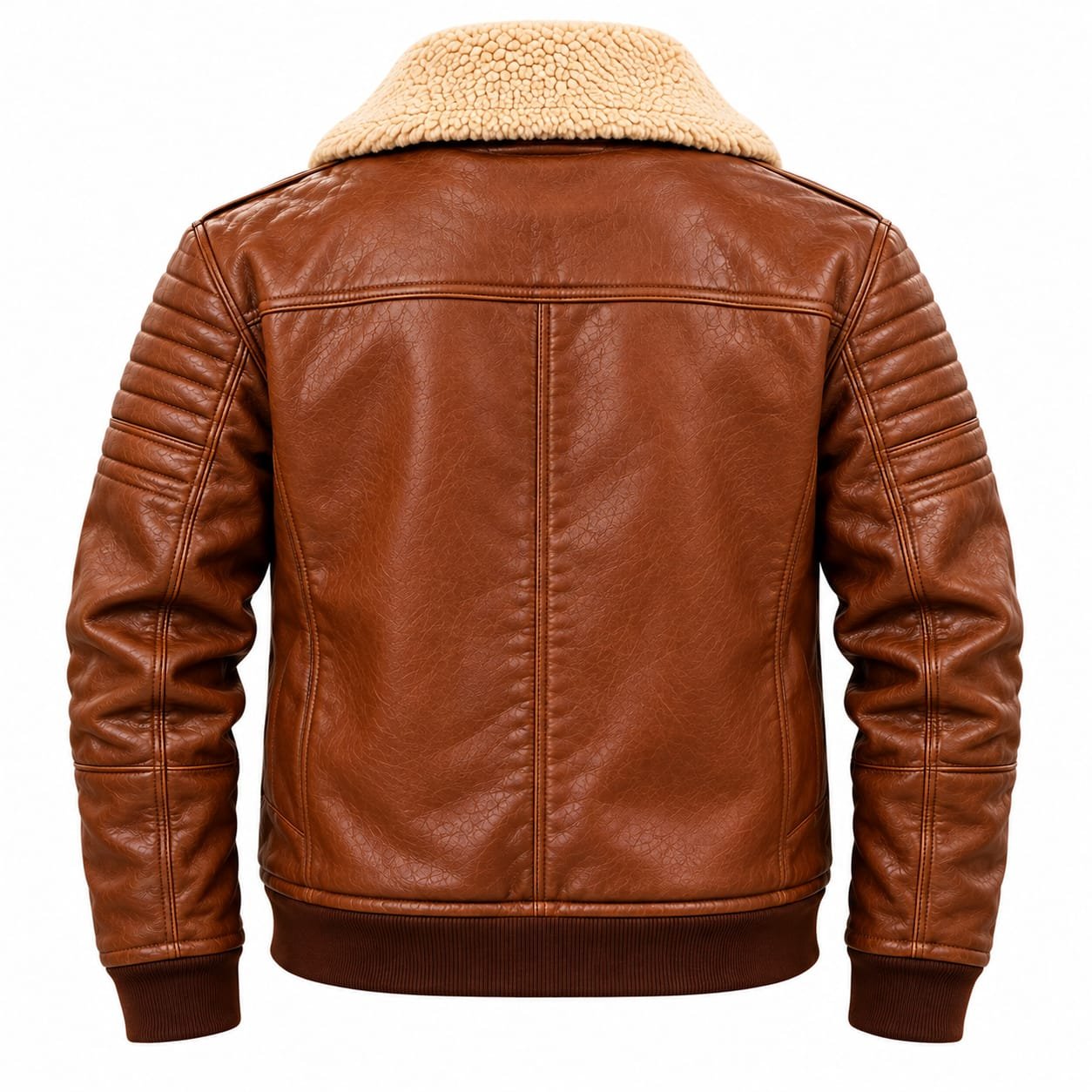
Distressed leather is designed to have an aged or worn-in appearance.
It can feature variations in color and surface character that create a vintage aesthetic.
Distressed leather works particularly well for:
- Vintage jackets
- Motorcycle jackets
- Aviator jackets
- Heritage styles
- Casual fashion
The goal is to create character while maintaining the structural quality of the garment.
How to Choose the Right Leather
The best leather depends on how you intend to use the jacket.
For Motorcycle Jackets
Choose a stronger leather such as cowhide when durability and protection are important.
For Fashion Jackets
Lambskin or top-grain leather can be suitable when softness, comfort, and appearance are priorities.
For Winter Jackets
Shearling or heavier leather constructions can provide additional warmth and a distinctive winter style.
For Vintage Styles
Distressed leather can create the aged appearance associated with classic and heritage jackets.
For Lightweight Jackets
Soft and lightweight leather can provide better comfort and flexibility.
Leather Thickness Matters
Leather thickness can affect the weight, durability, structure, and feel of a jacket.
A heavy motorcycle jacket may require thicker leather, while a lightweight fashion jacket can use a thinner material.
There is no single leather thickness that is best for every jacket. The correct specification depends on the design and intended use.
Think About the Finish
The leather finish also affects the final appearance.
Popular finishes include:
- Smooth
- Matte
- Distressed
- Waxed
- Vintage
- Suede
- Glossy
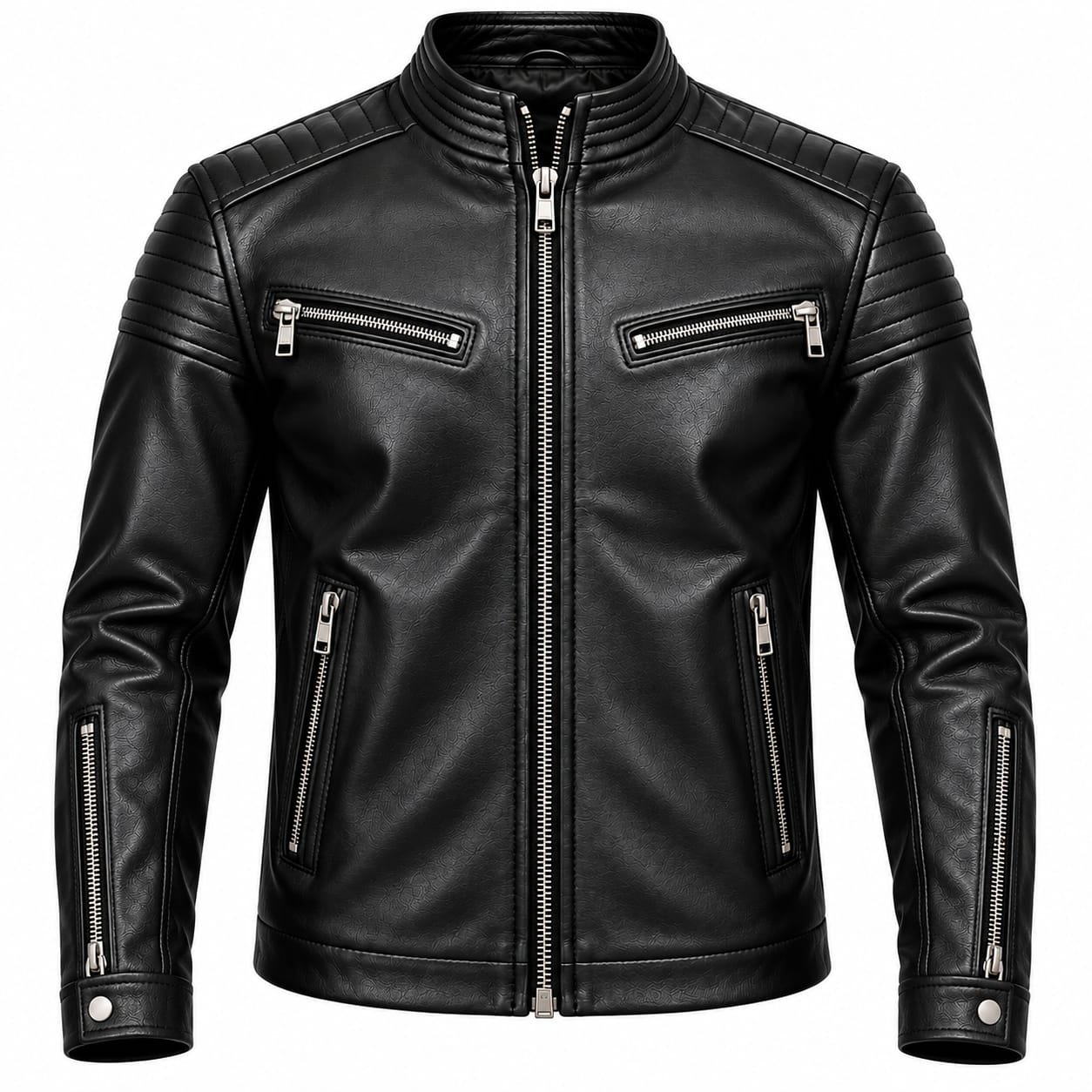
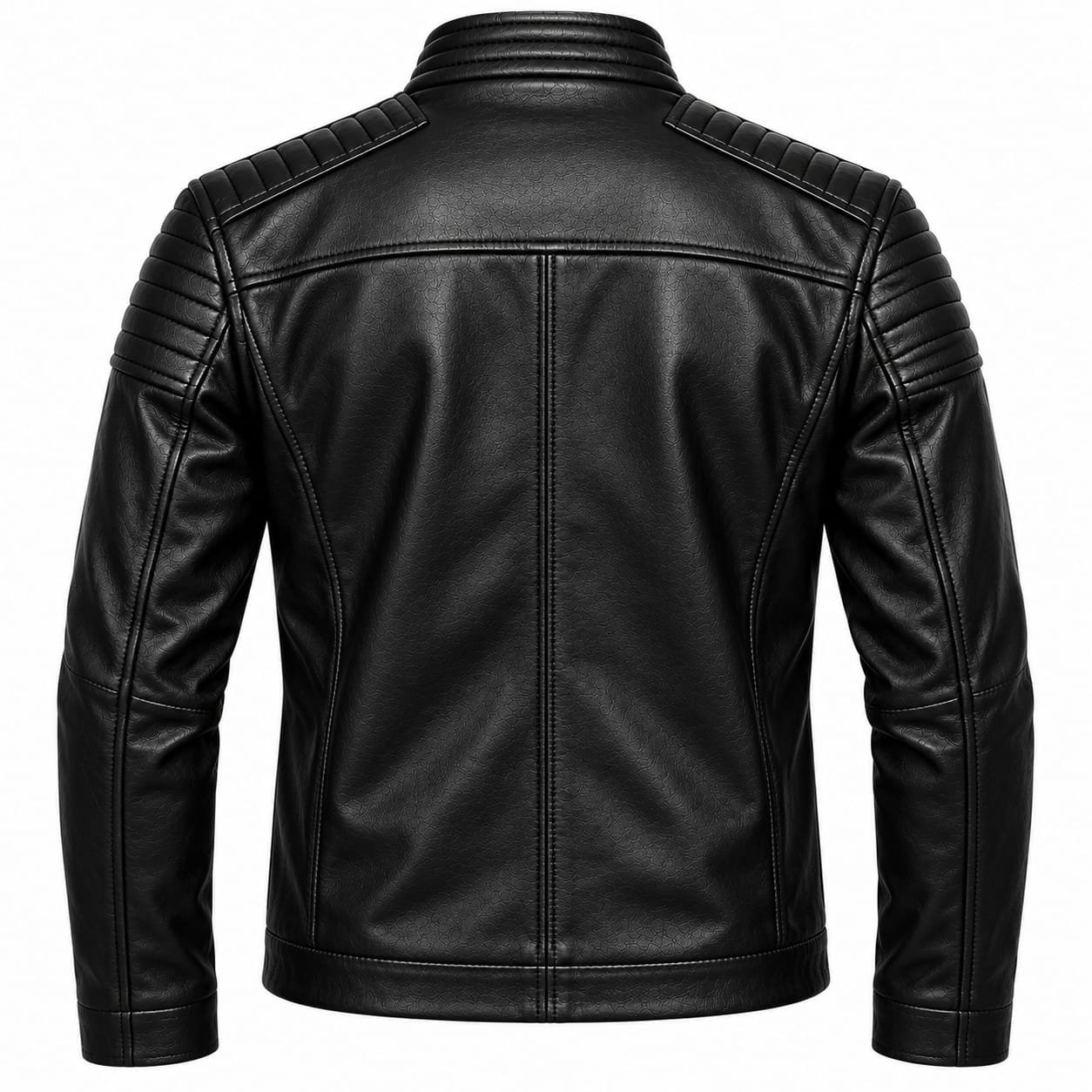
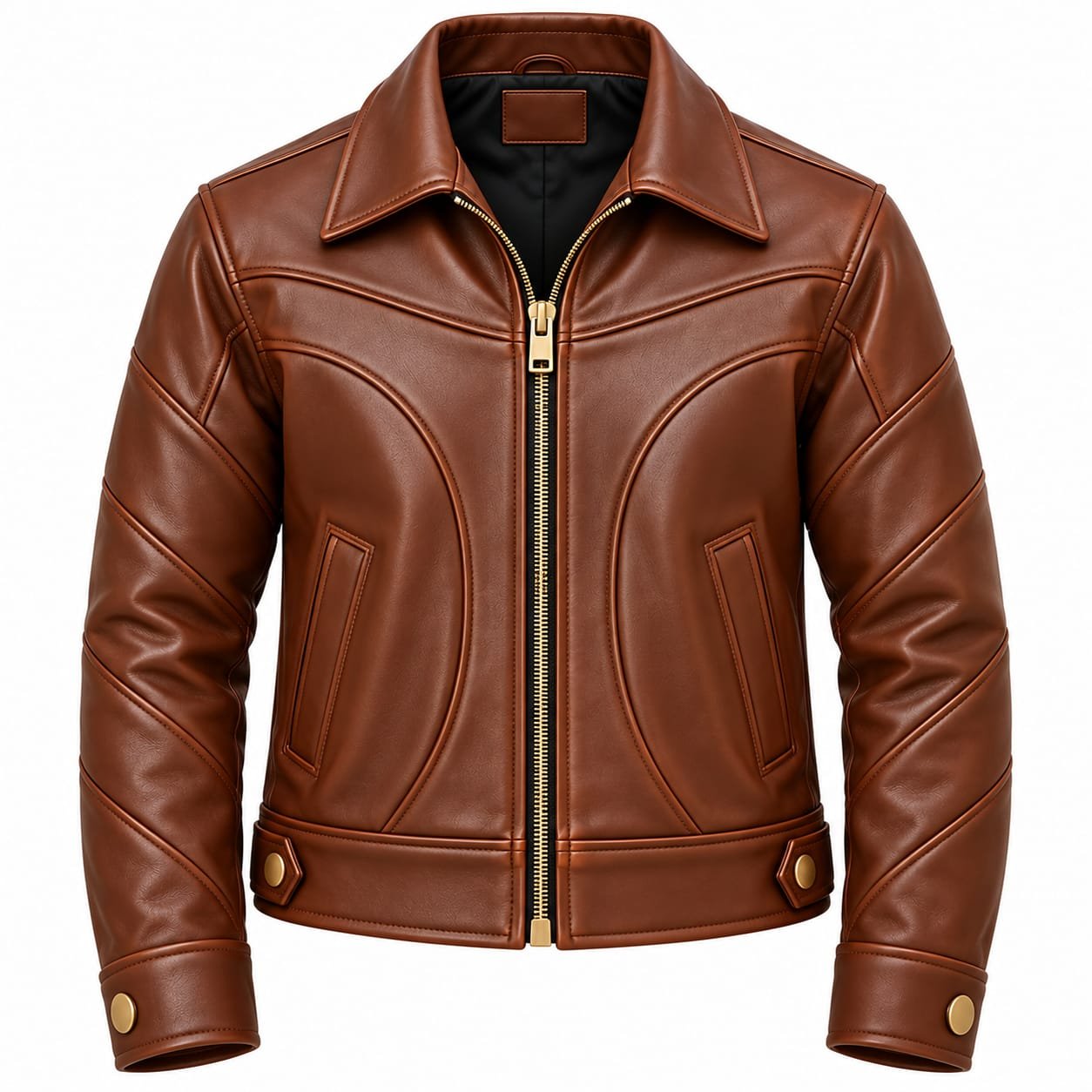
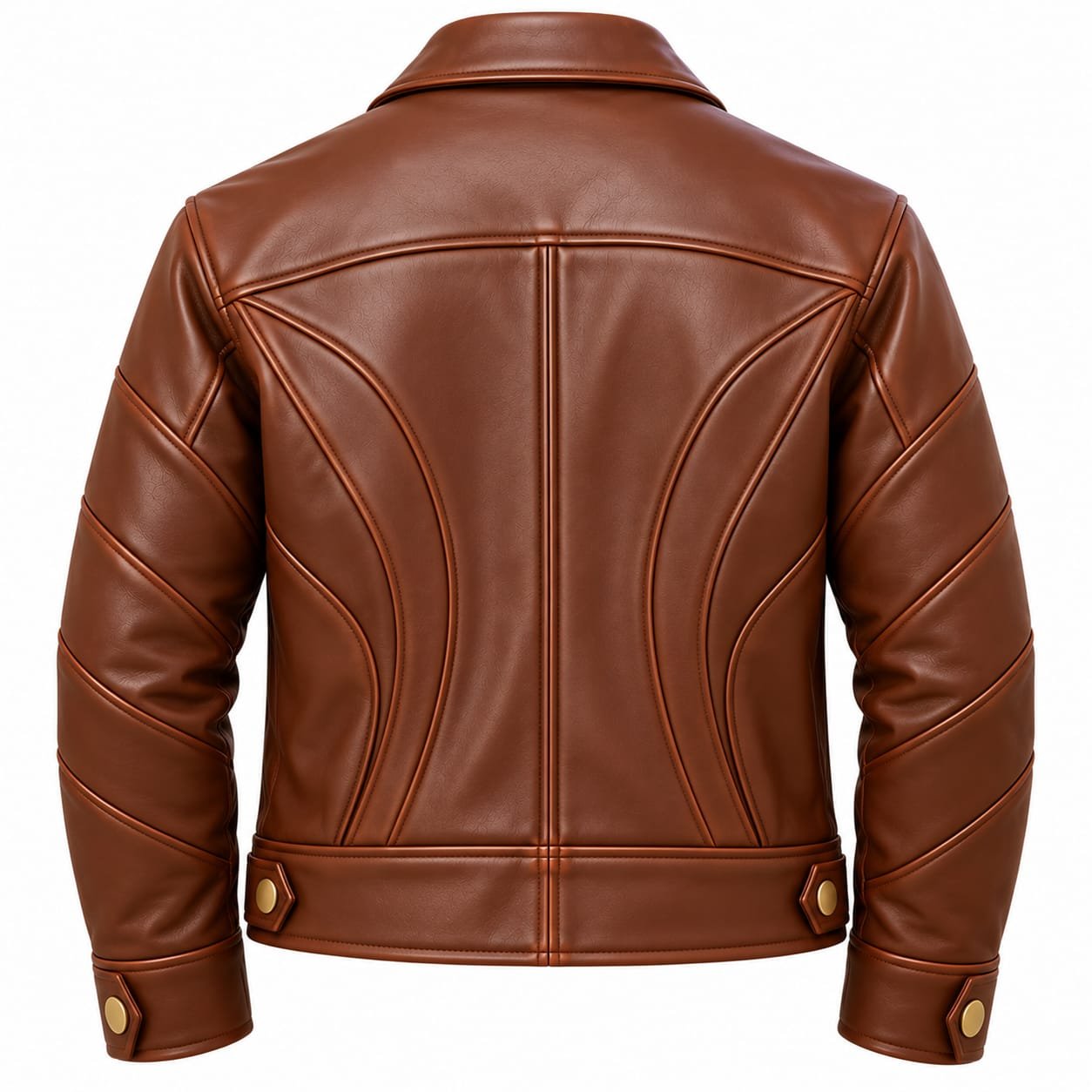
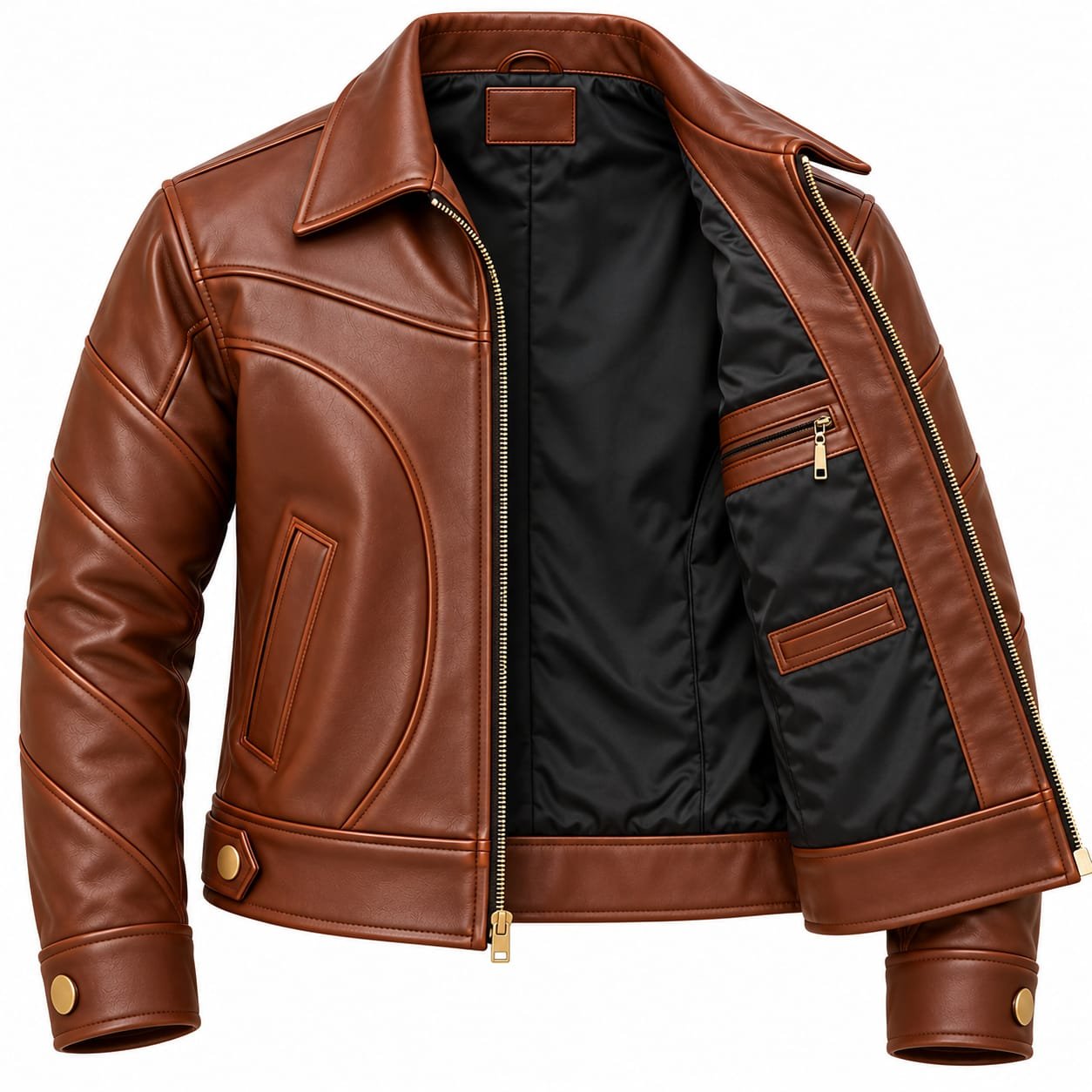
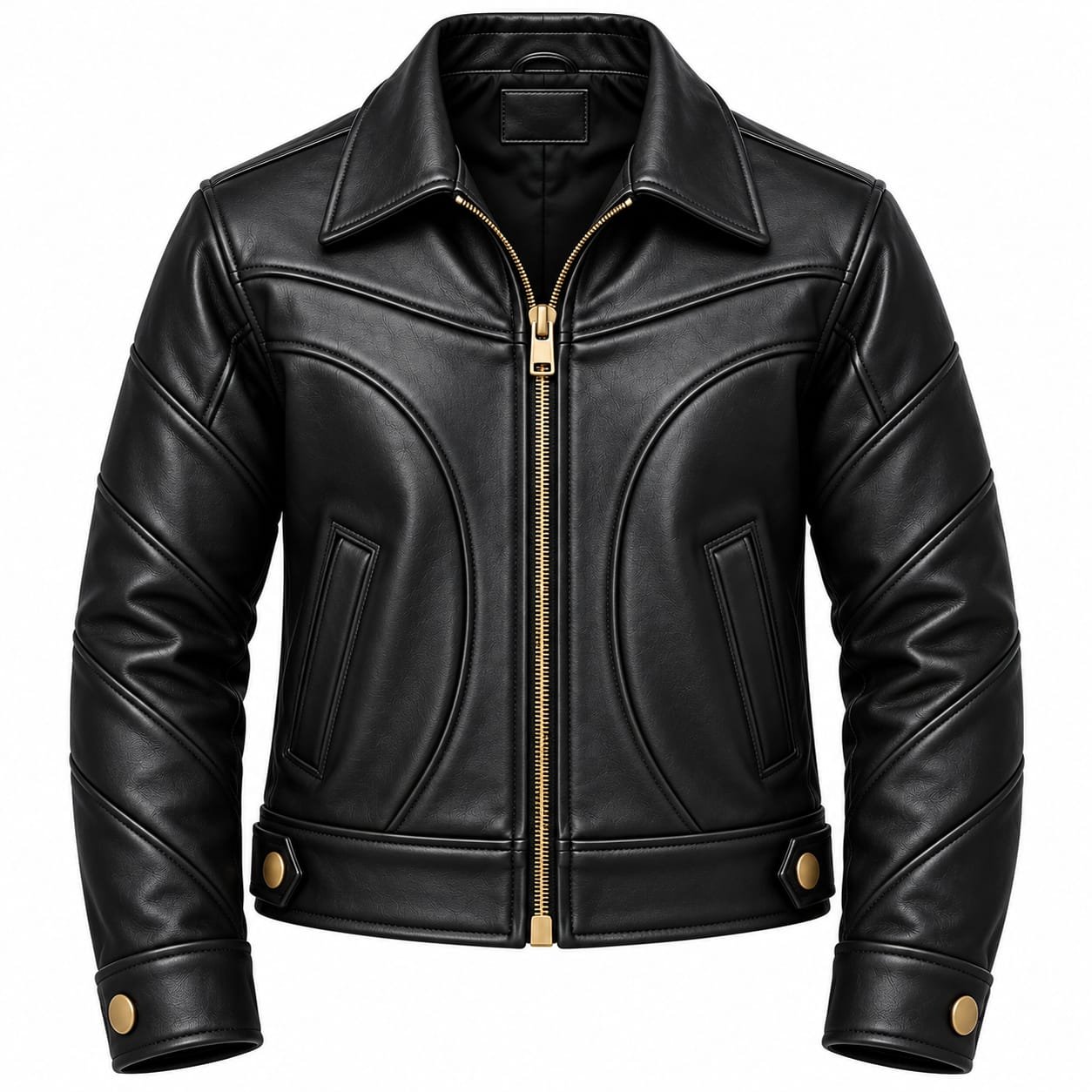
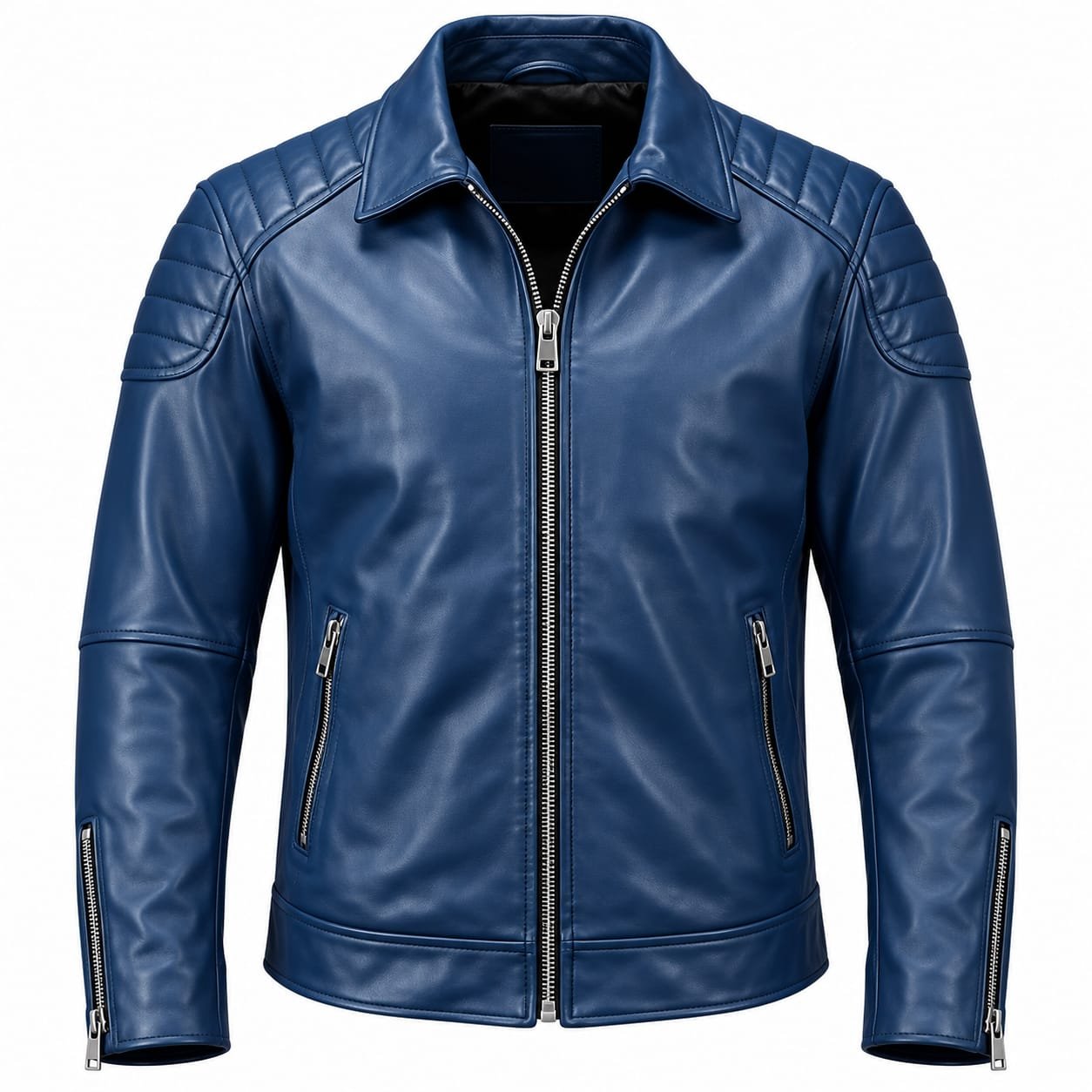
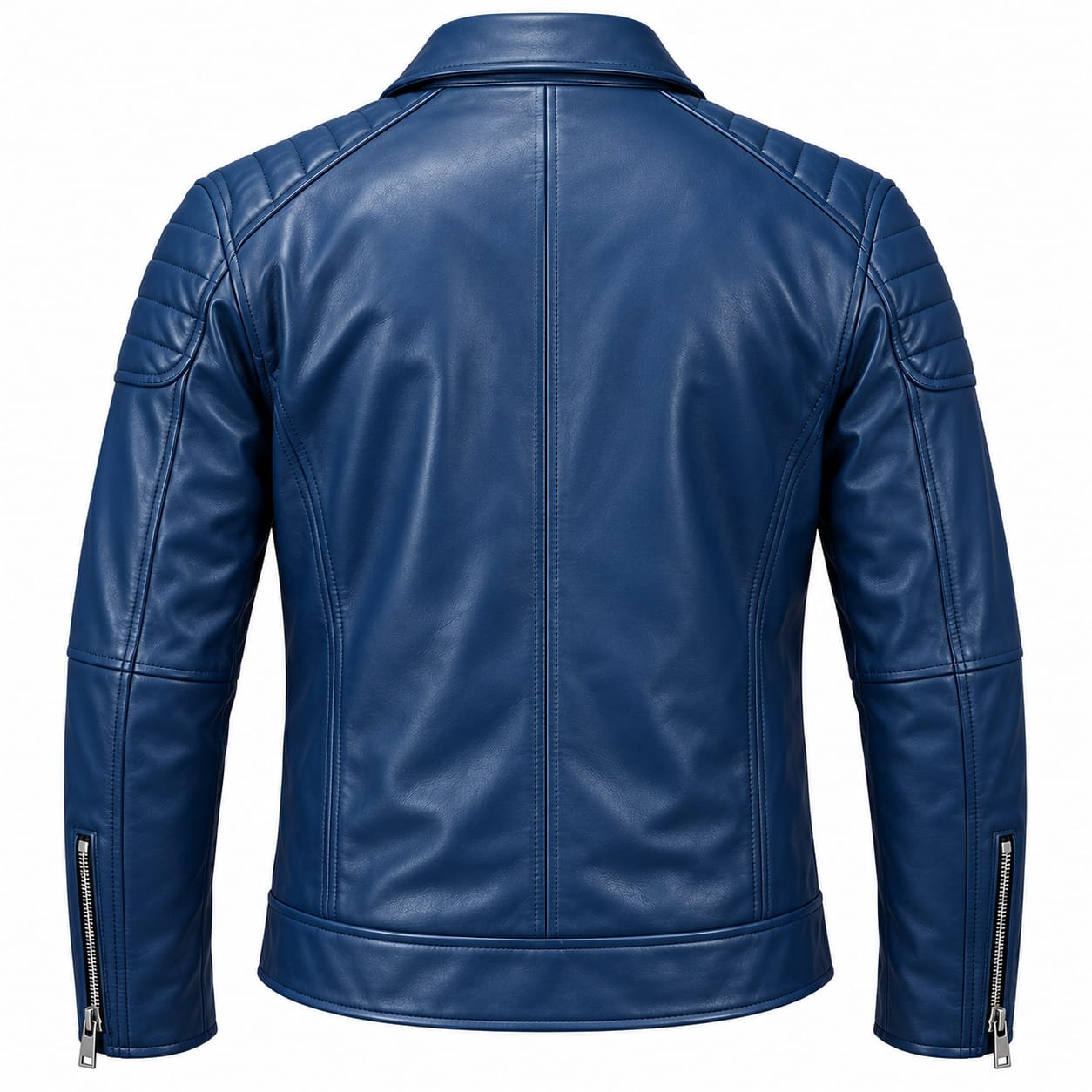
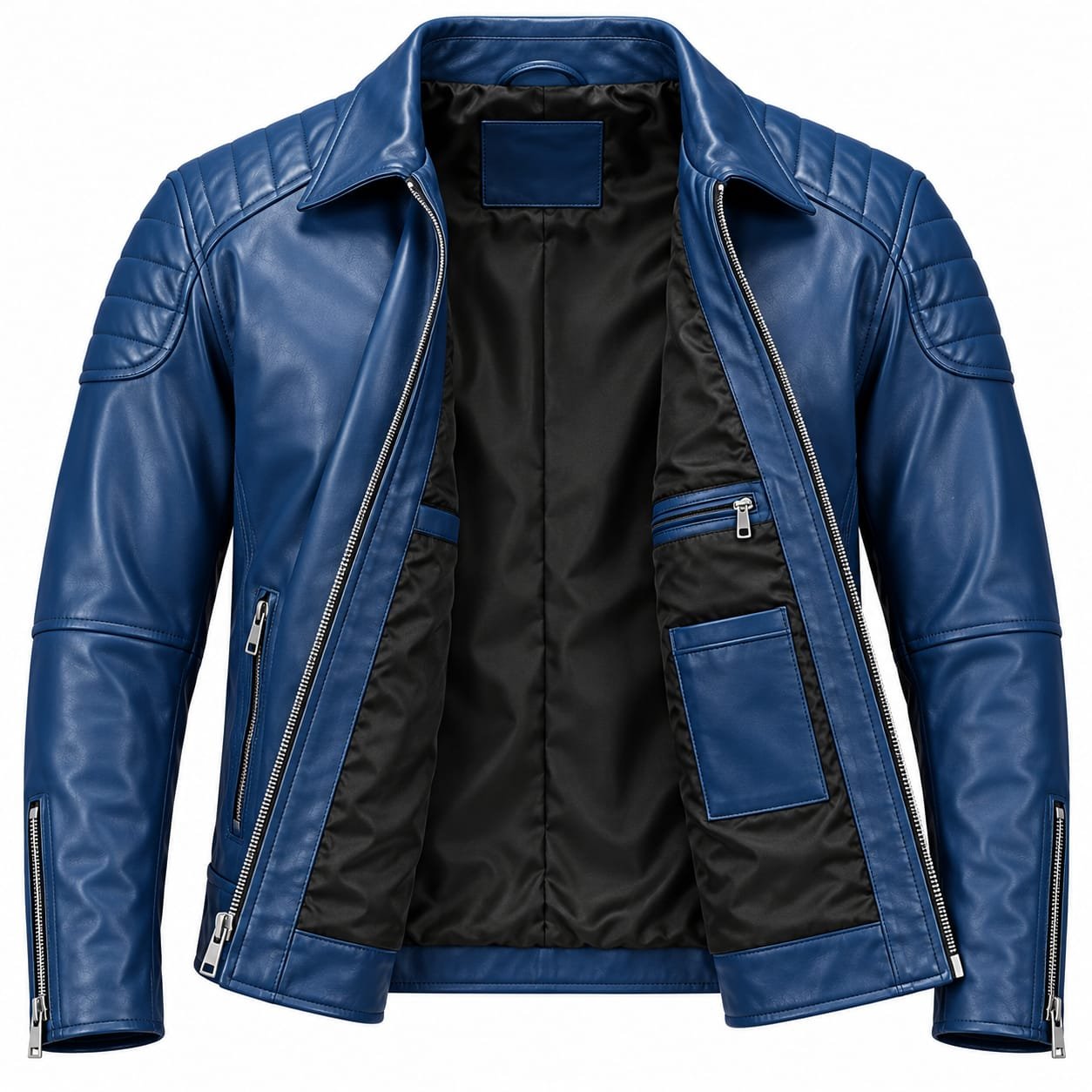
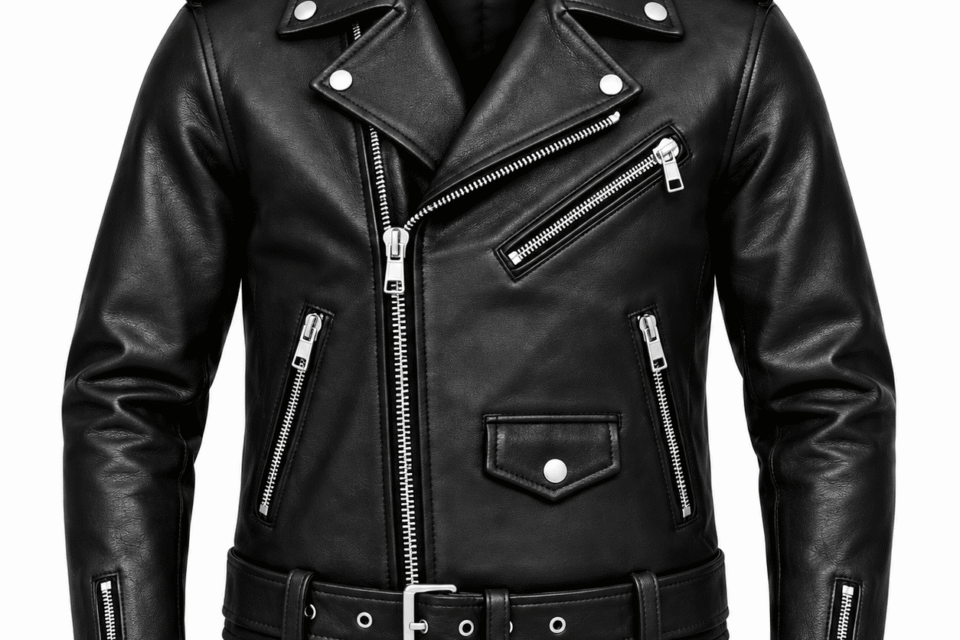
A smooth black leather jacket creates a clean and modern appearance, while distressed brown leather can provide a rugged vintage look.
Leather Color and Design
Leather can also be customized in different colors.
Popular jacket colors include:
- Black
- Brown
- Dark brown
- Burgundy
- Tan
- Camel
- Cherry red
- Navy
- Green
The color should complement the jacket’s design and target market.
For brands, custom leather colors can also help create a recognizable product identity.
Leather Quality Is Only One Part of the Jacket
Choosing good leather is important, but the final quality of a jacket also depends on manufacturing.
Important factors include:
- Pattern accuracy
- Cutting
- Stitching
- Zipper quality
- Hardware
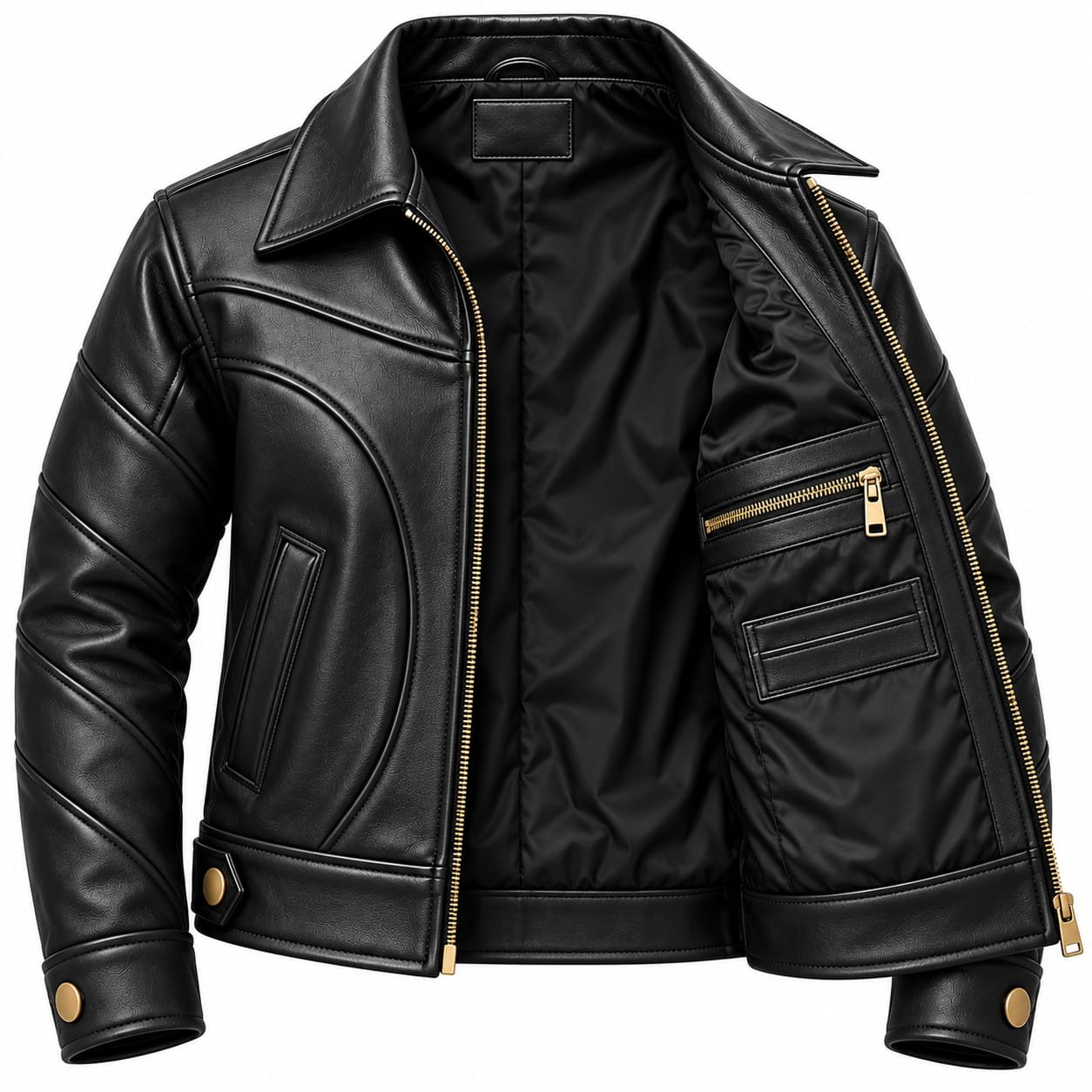
- Lining
- Fit
- Finishing
- Quality control
Even high-quality leather can produce a disappointing jacket if the construction is poor.
Choosing Leather for Custom Manufacturing
If you are developing leather jackets for your clothing brand, discuss the leather specification with your manufacturer before production.
Important details include:
- Leather type
- Leather thickness
- Finish
- Color
- Texture
- Lining
- Hardware
- Size range
- Design requirements
A sample should ideally be reviewed before starting a larger production order.
Custom Leather Jackets From Zentro Leather
Zentro Leather works with brands and businesses looking for custom leather apparel.
Depending on the project, leather jackets can be developed with different materials, colors, finishes, hardware, linings, patterns, and branding requirements.
From classic leather jackets to motorcycle styles, bomber jackets, distressed designs, and custom fashion pieces, the material can be selected according to the intended design and market.
Final Thoughts
There is no single leather type that is perfect for every jacket.
The right choice depends on durability, comfort, weight, appearance, budget, climate, and intended use.
Understanding these differences before purchasing or manufacturing a leather jacket can help you choose a material that matches your product requirements.
For brands developing custom leather jackets, selecting the right leather at the beginning of the process can make a significant difference to the final product.