How to Care for a Genuine Leather Jacket: A Complete Guide
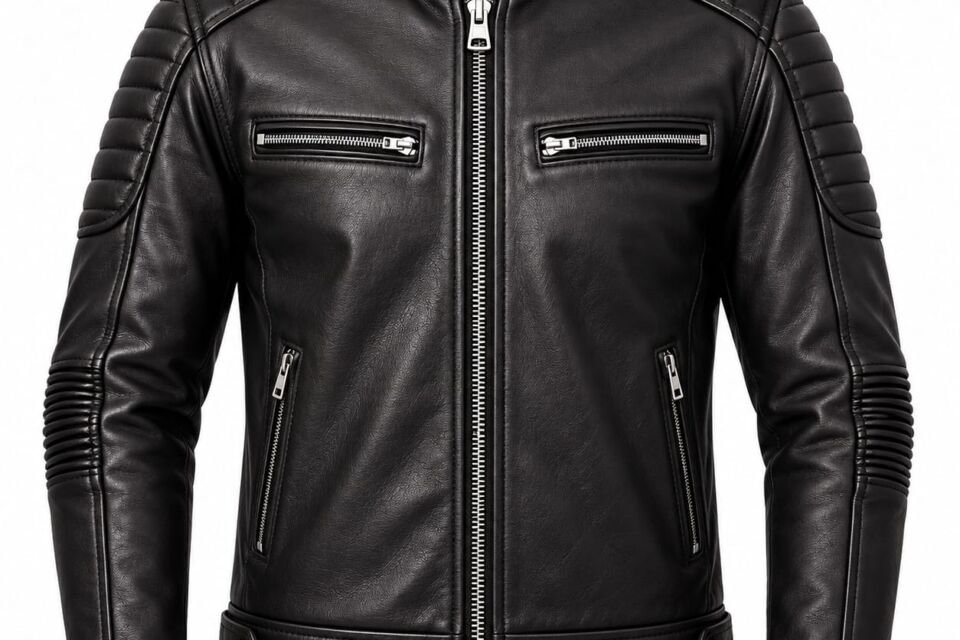
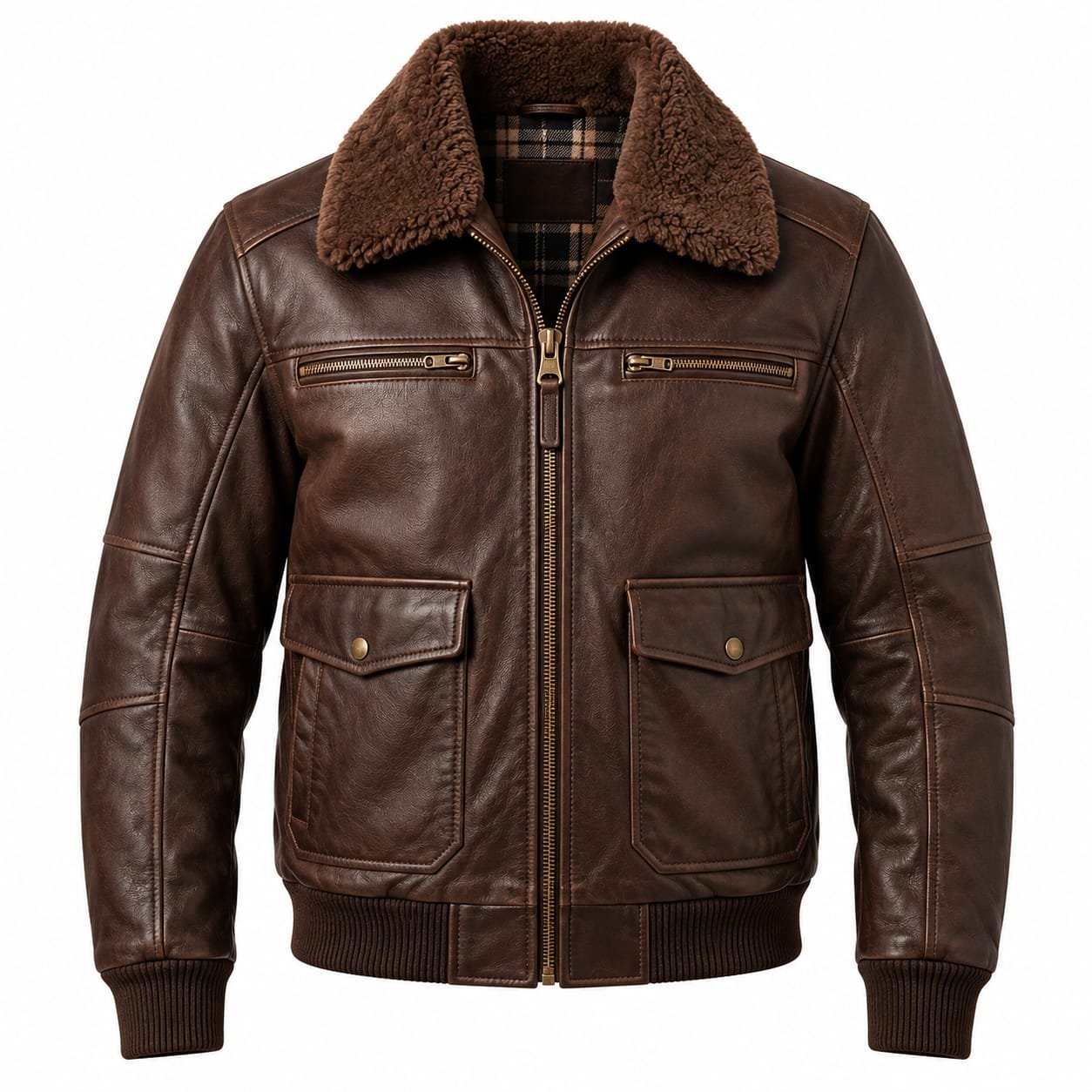
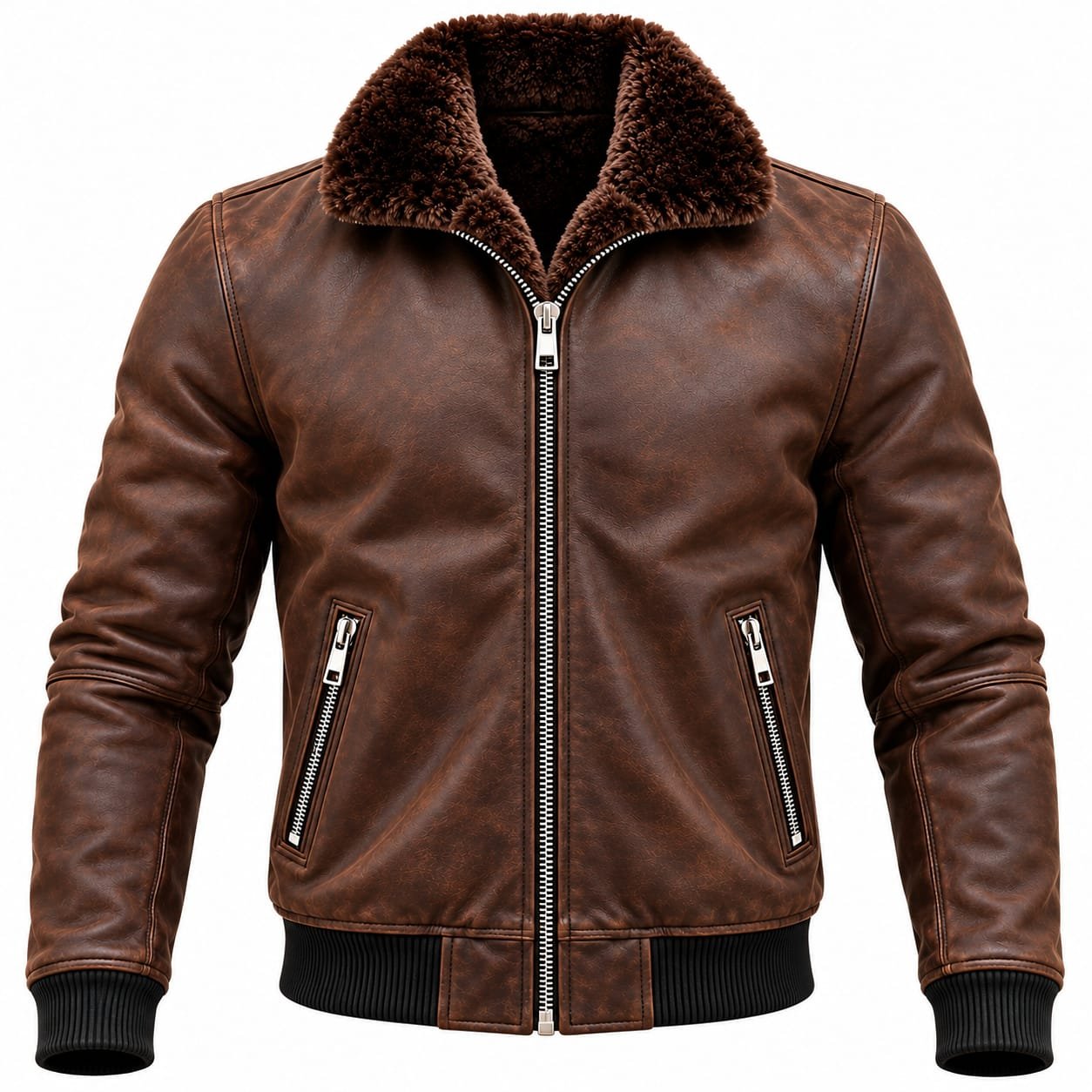
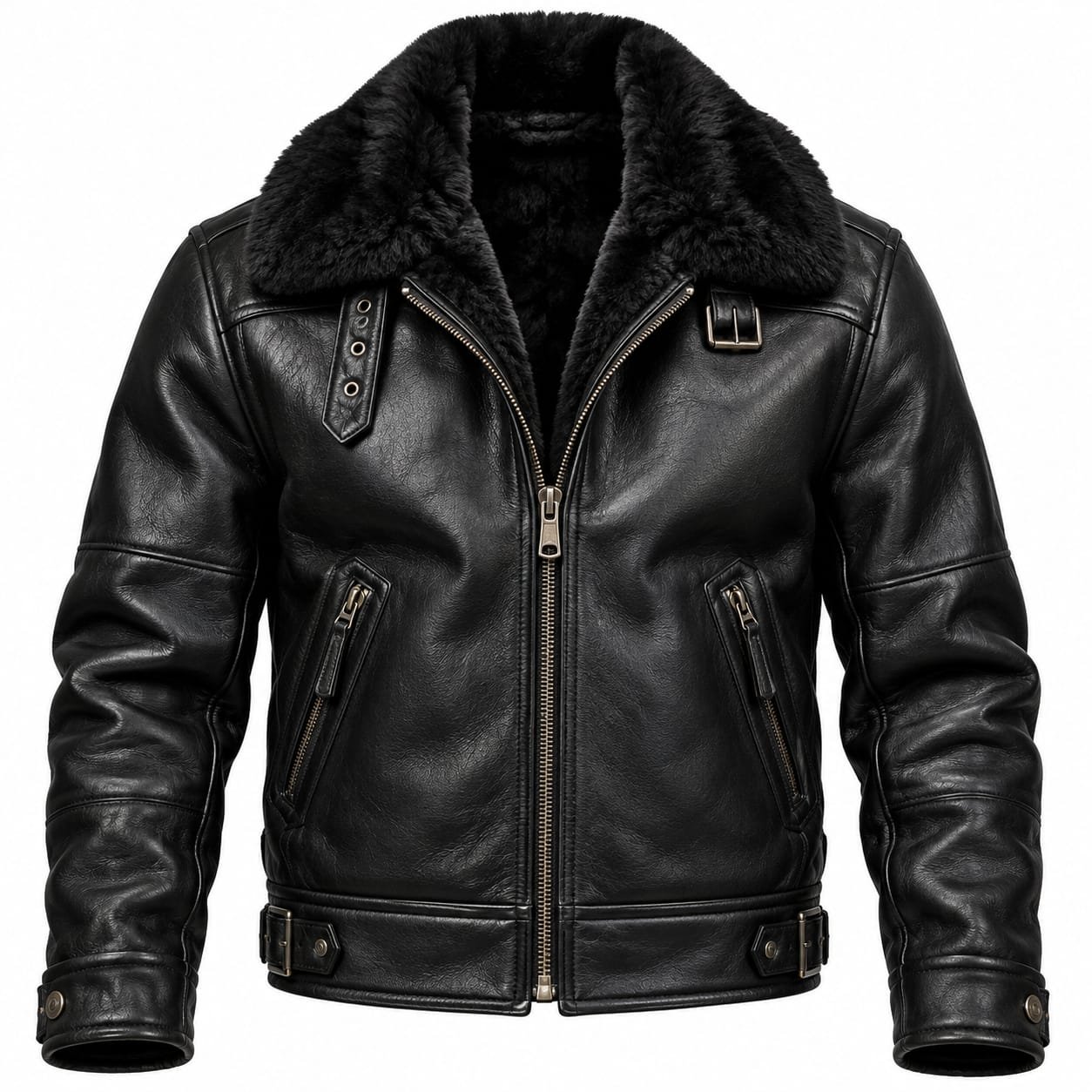
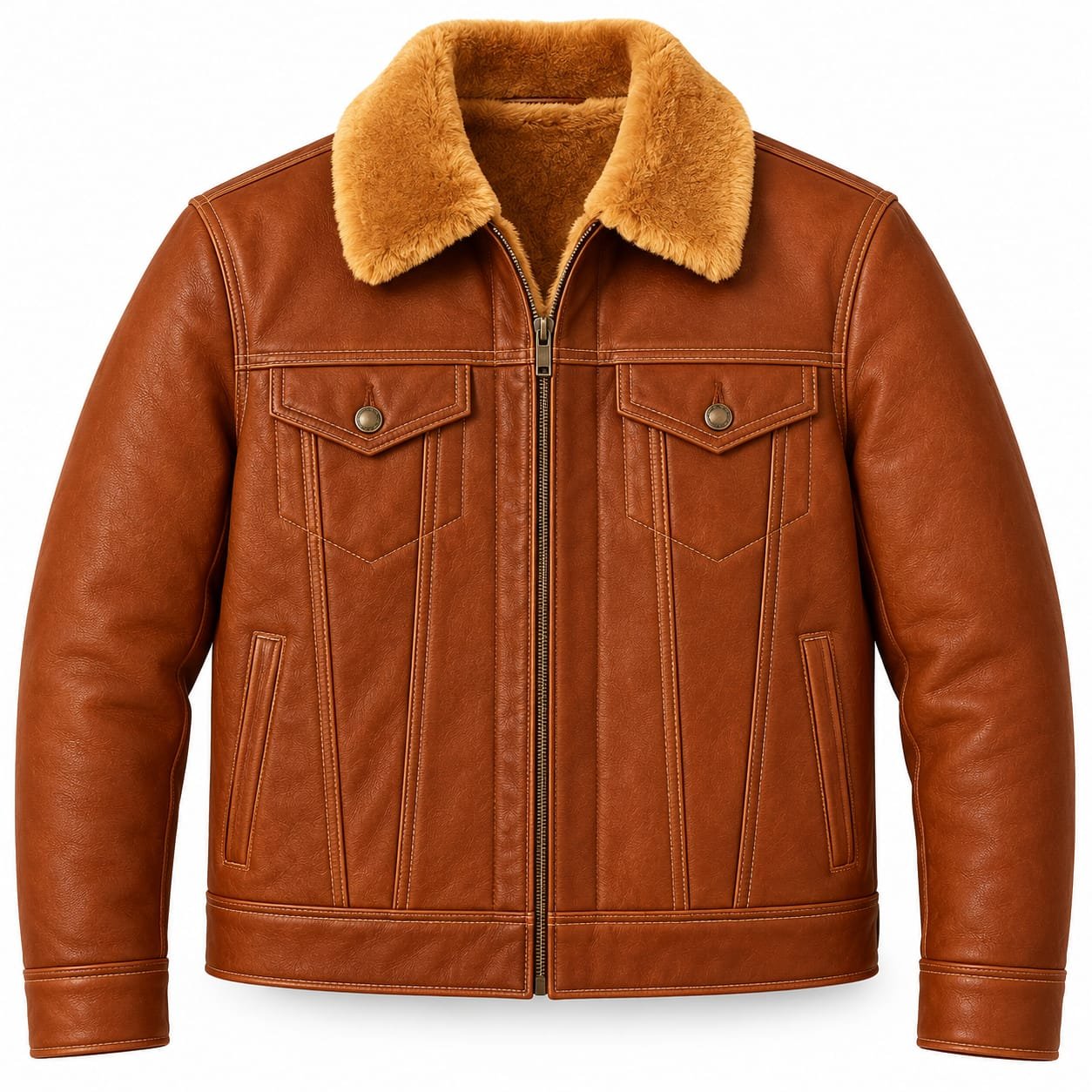
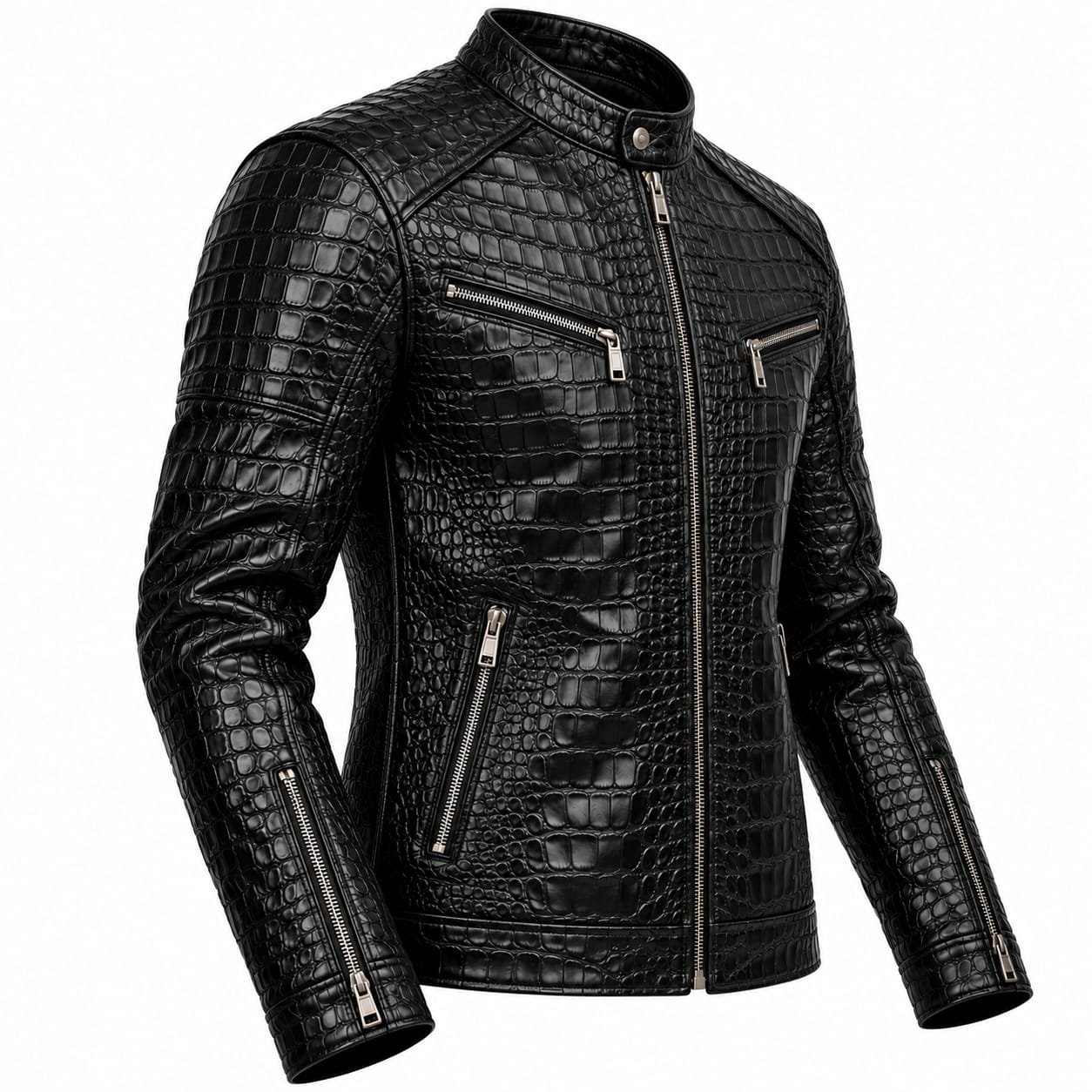
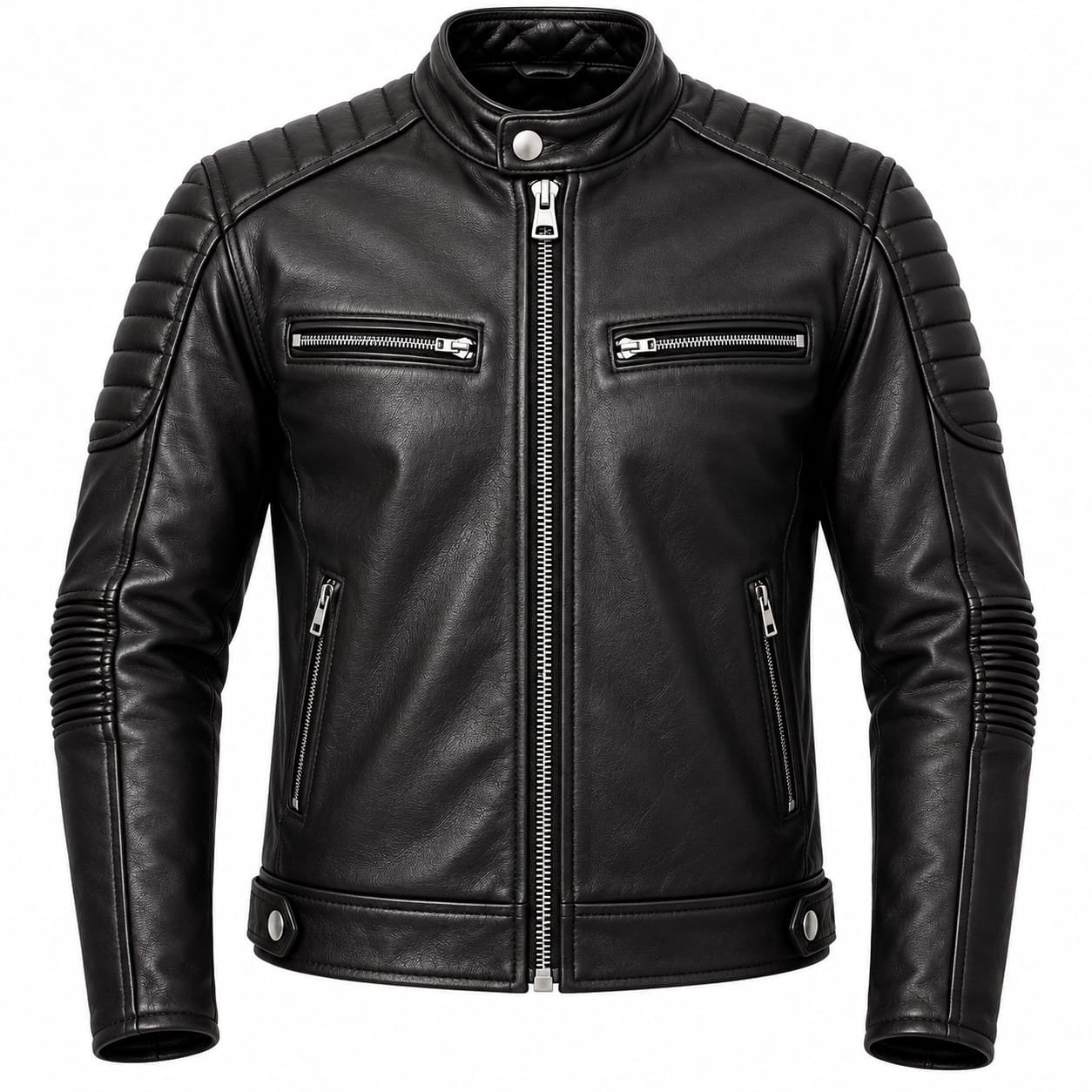
A genuine leather jacket is a timeless wardrobe investment that can last for years with proper care. Whether you own a classic black leather jacket, a brown bomber jacket, a premium lambskin jacket, or a rugged motorcycle-style jacket, the right maintenance routine helps preserve its appearance, softness, and durability.
Leather is a natural material, so it requires different care from ordinary fabric clothing. Excessive moisture, direct sunlight, harsh cleaning products, and improper storage can damage its finish.
In this guide, Zentro Leather explains how to clean, condition, store, and protect a genuine leather jacket.
1. Understand Your Leather Type
Before cleaning your jacket, identify the type of leather used in its construction. Different materials may require different care methods.
Full-Grain Leather
Full-grain leather retains its natural grain and can develop a distinctive patina with use. Remove surface dust with a soft cloth and use a conditioner suitable for its finish when needed.
Top-Grain Leather
Top-grain leather may have a corrected or refined surface. Follow the care instructions for its specific finish, particularly if it has a protective coating.
Lambskin Leather
Lambskin is generally soft and lightweight, making it popular for fashion jackets. Handle it gently because its surface can be vulnerable to scratches and abrasion.
Suede Leather
Suede has a textured, napped surface that requires specialized care. Use a suede brush and products specifically designed for suede rather than ordinary leather creams.
Always check the manufacturer’s care label before applying any cleaning or conditioning product.
2. Clean Your Leather Jacket Regularly
Regular light cleaning prevents dust and everyday dirt from building up.
Follow these steps:
- Hang the jacket on a suitable hanger.
- Remove loose dust using a clean, soft, dry cloth.
- For minor surface marks, follow the care instructions and use an appropriate leather cleaner if permitted.
- Avoid soaking the leather or scrubbing it aggressively.
- Allow the jacket to dry naturally if it becomes damp.
Do not use household detergents, bleach, alcohol-based cleaners, or other harsh chemicals unless the manufacturer specifically confirms they are suitable.
For expensive jackets, delicate finishes, or stubborn stains, consult a professional leather cleaner.
3. Condition Leather to Help Prevent Dryness
Leather conditioning can help maintain flexibility and reduce dryness when the material and finish are compatible with the product.
However, more conditioner does not mean better protection.
Choose a conditioner intended for your specific leather type. Test it on a small, hidden area first and follow the manufacturer’s directions.
Apply only the recommended amount. Excessive conditioning may leave residue, change the color, or affect the surface finish.
Suede and nubuck generally require different products from smooth leather, so avoid applying ordinary leather conditioner to them.
4. Protect Your Jacket from Water
Although some leather finishes offer limited water resistance, genuine leather jackets are not automatically waterproof.
If your jacket gets wet:
- Gently blot excess water with a clean cloth.
- Hang it on a broad, supportive hanger.
- Let it dry at room temperature.
- Keep it away from radiators, heaters, and direct sunlight.
- Avoid using a hairdryer to speed up drying.
If you live in a rainy climate, consider a leather-safe protective product that is compatible with your jacket’s finish. Test it before applying it to the entire garment.
For suede jackets, use a suitable suede protector according to its instructions.
5. Store Your Leather Jacket Properly
Correct storage helps maintain the jacket’s shape and reduces the risk of cracking, creasing, and mildew.
Use a Suitable Hanger
Choose a broad, sturdy hanger that supports the shoulders. Thin wire hangers may distort the jacket over time.
Keep It in a Cool, Dry Place
Store the jacket away from direct sunlight and excessive heat. High humidity can encourage mold, while very dry conditions may contribute to some types of leather drying out.
Allow Air Circulation
Avoid storing leather in an airtight plastic bag for long periods. A breathable garment cover is generally a better choice.
Avoid Overcrowding
Give your jacket enough space in the wardrobe to prevent unnecessary creasing and friction against other garments.
6. Remove Wrinkles Without Damaging the Leather
Leather jackets can develop creases during wear or storage. Never iron leather directly or expose it to intense heat.
Instead, hang the jacket properly and allow minor wrinkles to relax naturally.
For persistent creases, consult a leather-care professional. Heat and pressure can permanently damage certain finishes.
7. Prevent Scratches and Color Damage
Leather surfaces can be scratched by sharp objects, rough bags, and abrasive materials.
To reduce damage:
- Keep sharp objects away from the jacket.
- Avoid prolonged rubbing against rough surfaces.
- Store dark and light garments separately when color transfer is a concern.
- Keep the jacket away from strong solvents and perfumes.
- Handle delicate lambskin carefully.
Some scratches and marks are characteristic of natural leather, but deep scratches and finish damage may require professional repair.
8. How Often Should You Condition a Leather Jacket?
There is no universal conditioning schedule for every leather jacket.
The ideal frequency depends on the leather type, surface finish, climate, frequency of wear, and the manufacturer’s recommendations.
Inspect your jacket periodically. If the leather appears unusually dry or feels less flexible, check the care instructions before using a compatible conditioner.
Do not condition a jacket simply because a fixed number of months has passed. Some finishes require little or no conditioning, and excessive treatment can cause problems.
9. Common Leather Jacket Care Mistakes
Avoid these common mistakes to help preserve your jacket.
Using too much water: Excess moisture may stain, stiffen, or damage certain leather finishes.
Applying the wrong conditioner: Products designed for smooth leather may not be suitable for suede or coated surfaces.
Drying with direct heat: Radiators, heaters, and hairdryers can cause damage.
Ignoring stains: Certain stains become more difficult to treat over time. Seek professional help when necessary.
Storing in plastic: Poor ventilation can contribute to moisture-related problems.
Using ordinary shoe polish: It may transfer color, leave residue, or alter the jacket’s finish.
Ignoring care labels: The manufacturer’s instructions should guide your cleaning and maintenance routine.
10. When Should You Seek Professional Leather Cleaning?
Professional care is advisable for difficult oil stains, ink marks, significant discoloration, mold, damaged linings, deep scratches, and persistent odors.
Different leather finishes respond differently to cleaning products. A professional familiar with leather garments can assess the material and recommend an appropriate treatment.
If mold appears, avoid brushing it indoors or applying random household chemicals. Keep the garment separate from other clothing and seek specialist advice.
11. Choose a Quality Leather Jacket from Zentro Leather
A well-made leather jacket combines suitable materials, thoughtful construction, functional hardware, and careful finishing.
At Zentro Leather, we focus on leather apparel and customized product development for customers and brands exploring different jacket styles.
Whether you prefer a classic black jacket, a rich brown design, a lightweight fashion jacket, or a custom private-label collection, selecting the right materials and following appropriate care instructions can help you enjoy your leather garments for longer.
Explore Zentro Leather to discover leather apparel and learn more about our product offerings.
Frequently Asked Questions
How long can a genuine leather jacket last?
A well-made jacket can last for many years with appropriate use and maintenance. Its lifespan depends on leather quality, construction, wear frequency, storage, and environmental conditions.
Can I wash a leather jacket in a washing machine?
Generally, no. Machine washing can damage the leather, lining, shape, or surface finish. Follow the care label and consult a specialist when necessary.
Can I use coconut oil on my leather jacket?
It is not recommended as a general-purpose leather conditioner. Oils not designed for the specific leather may darken the surface, leave residue, or cause other finish problems.
How should I dry a wet leather jacket?
Blot excess water gently and let the jacket air-dry at room temperature on a suitable hanger. Keep it away from direct heat.
How do I care for a suede leather jacket?
Use a suede brush and compatible suede-care products. Avoid ordinary leather creams and conditioners unless the manufacturer confirms they are suitable.
How can I prevent my leather jacket from cracking?
Store it appropriately, avoid excessive heat, clean it according to its care instructions, and use compatible conditioning products only when needed.
Is genuine leather waterproof?
Not necessarily. Water resistance depends on the leather, treatment, and finish. Check the manufacturer’s instructions before exposing your jacket to rain or applying a protective spray.