Custom Leather Jacket Manufacturing Guide for Clothing Brands
Launching a leather jacket collection requires more than choosing an attractive design. Clothing brands need to consider material quality, fit, construction, customization options, production costs, and quality control before bringing a product to market.
Custom leather jackets allow businesses to develop products that reflect their own brand identity rather than relying entirely on standard designs. From classic biker jackets and cafe racer styles to modern bombers and shearling outerwear, customization offers flexibility in both appearance and construction.
At Zentro Leather, we understand the importance of developing leather outerwear around a brand’s design requirements. This guide explains how custom leather jacket manufacturing works, what clothing brands should prepare before production, and how to select a suitable manufacturing partner.
1. What Are Custom Leather Jackets?
Custom leather jackets are garments developed or modified according to a customer’s specifications. Instead of choosing only from ready-made products, brands can request changes to the design, material, color, fit, hardware, and branding.
The level of customization depends on the manufacturer’s capabilities, available materials, production equipment, and order requirements.
Common customization options include:
- Jacket silhouette and overall design
- Leather type and surface finish
- Custom colors and color combinations
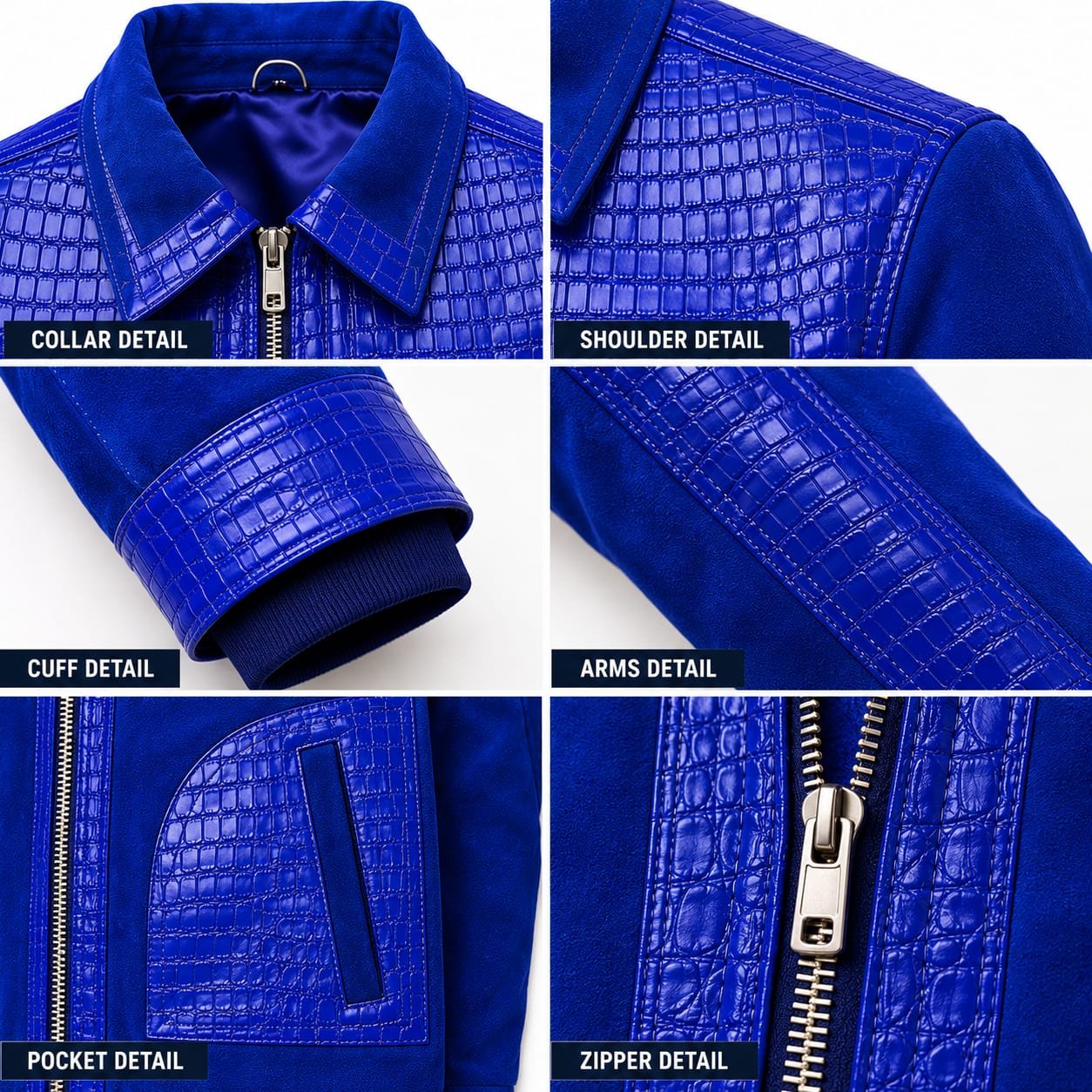
- Collar, cuff, and pocket designs
- Zipper types and metal hardware finishes
- Inner lining and insulation
- Size grading and measurement specifications
- Woven labels, leather patches, and logo placement
- Packaging and product presentation
For startups, custom development can help establish a recognizable product identity. Established clothing brands can use it to expand an existing collection or introduce new seasonal designs.
2. Choose the Right Leather for Your Collection
Material selection is one of the first decisions in custom leather jacket manufacturing. Different leather types have different textures, weights, appearances, and care requirements.
Full-Grain Leather
Full-grain leather retains the natural grain surface of the hide. It can be suitable for premium collections where natural texture and character are important.
Top-Grain Leather
Top-grain leather is processed to achieve a more refined surface. Depending on the finish, it can provide a relatively uniform appearance for contemporary leather outerwear.
Lambskin Leather
Lambskin is generally soft and lightweight. It is frequently used for fashion jackets that prioritize a smooth finish and a supple feel.
Cowhide Leather
Cowhide is often selected for structured jackets and biker-inspired designs. Its weight, flexibility, and surface characteristics depend on the specific leather and processing method.
Suede Leather
Suede provides a soft, napped surface that suits casual and contemporary styles. Brands should consider its care requirements and sensitivity to moisture when selecting it for a collection.
Before confirming materials, request samples or material specifications. Make sure the selected leather meets your design, budget, and intended product requirements.
3. Develop a Design That Matches Your Brand
A successful custom jacket begins with a clear design brief.
Your brief should describe the intended customer, overall style, target price range, preferred material, colors, functional details, and expected fit.
Popular styles to consider include:
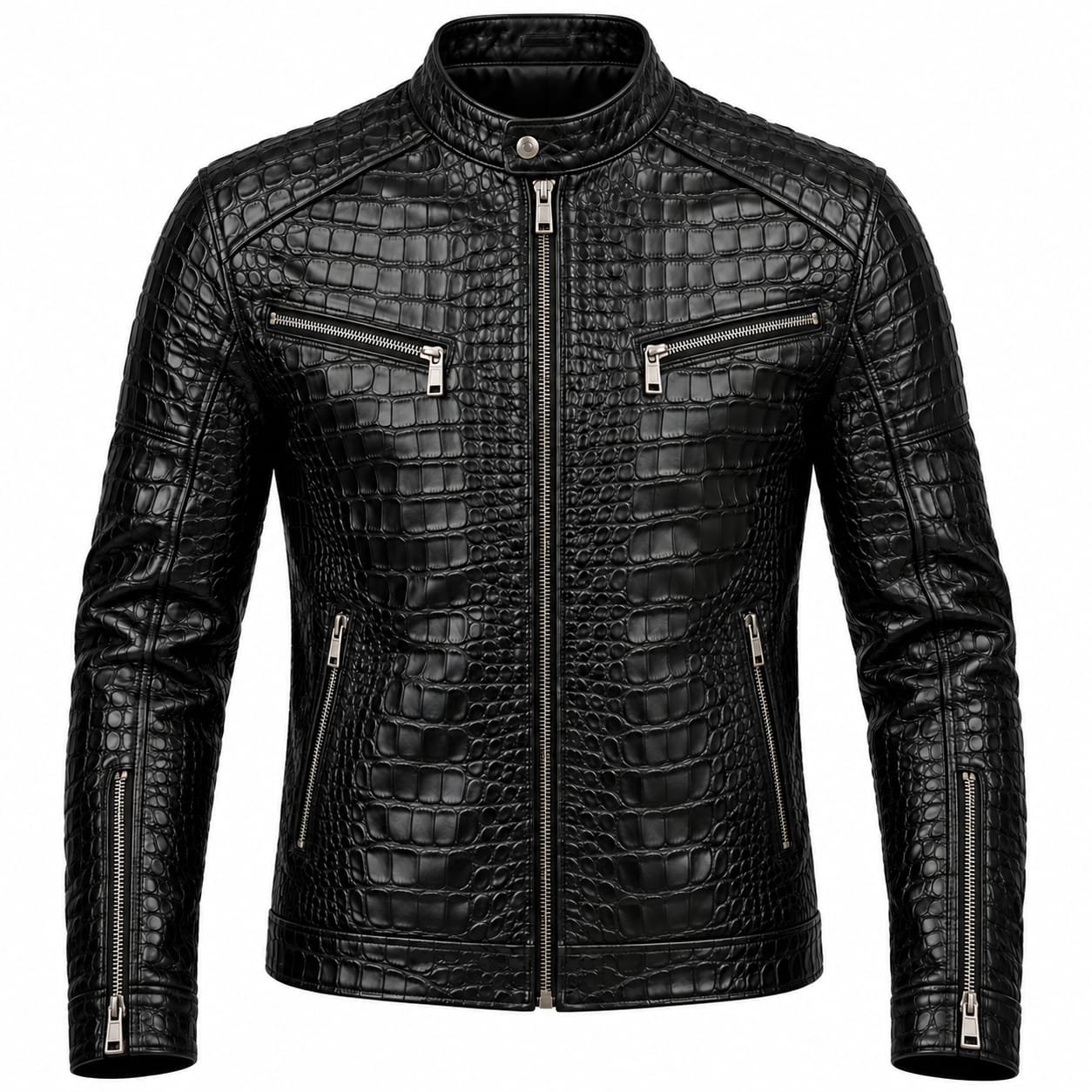
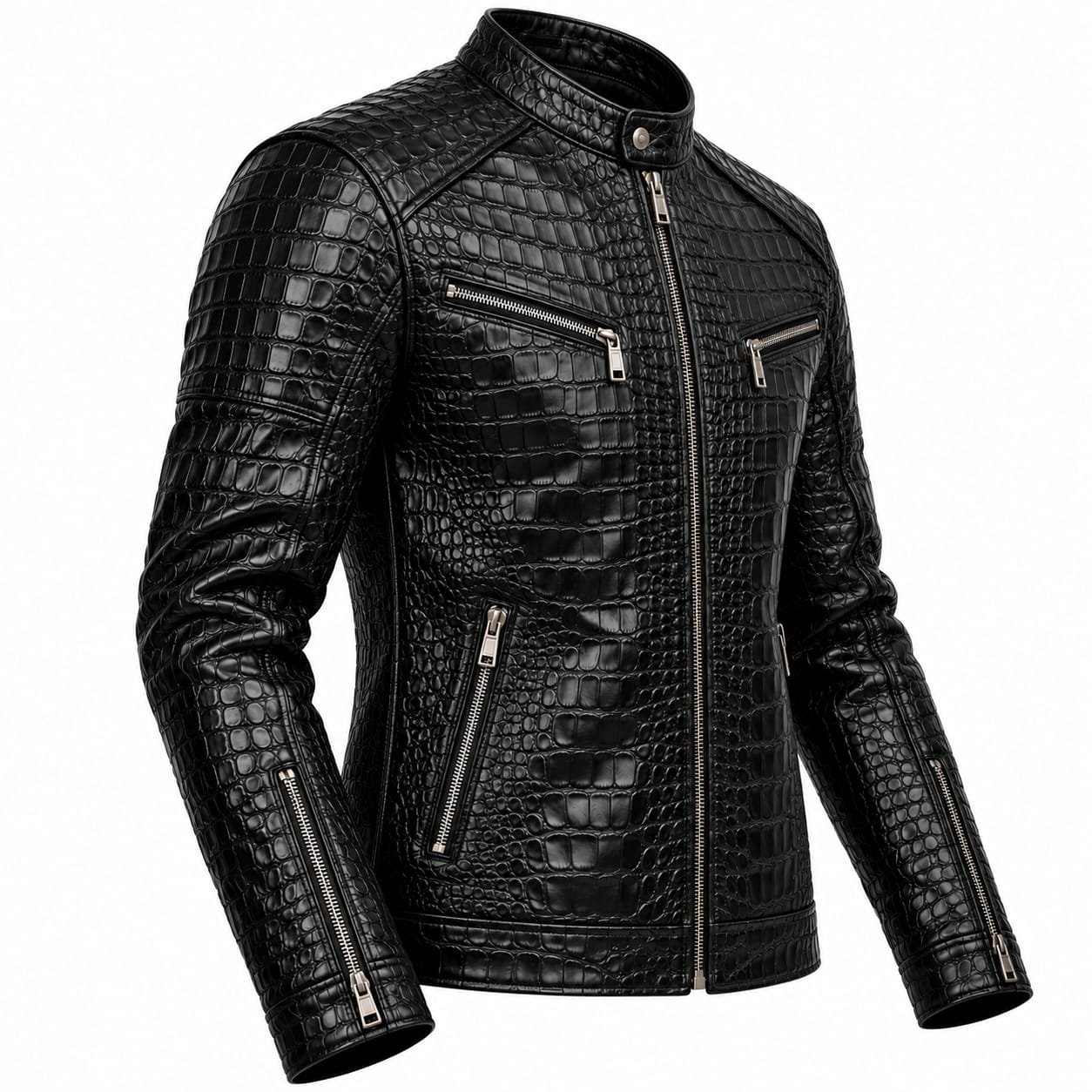
Biker leather jackets: Recognizable for their bold silhouettes, prominent zippers, and motorcycle-inspired details.
Cafe racer jackets: Minimalist designs with stand-up collars, streamlined panels, and a clean appearance.
Leather bomber jackets: Versatile silhouettes that can be developed with different collars, cuffs, linings, and pocket configurations.
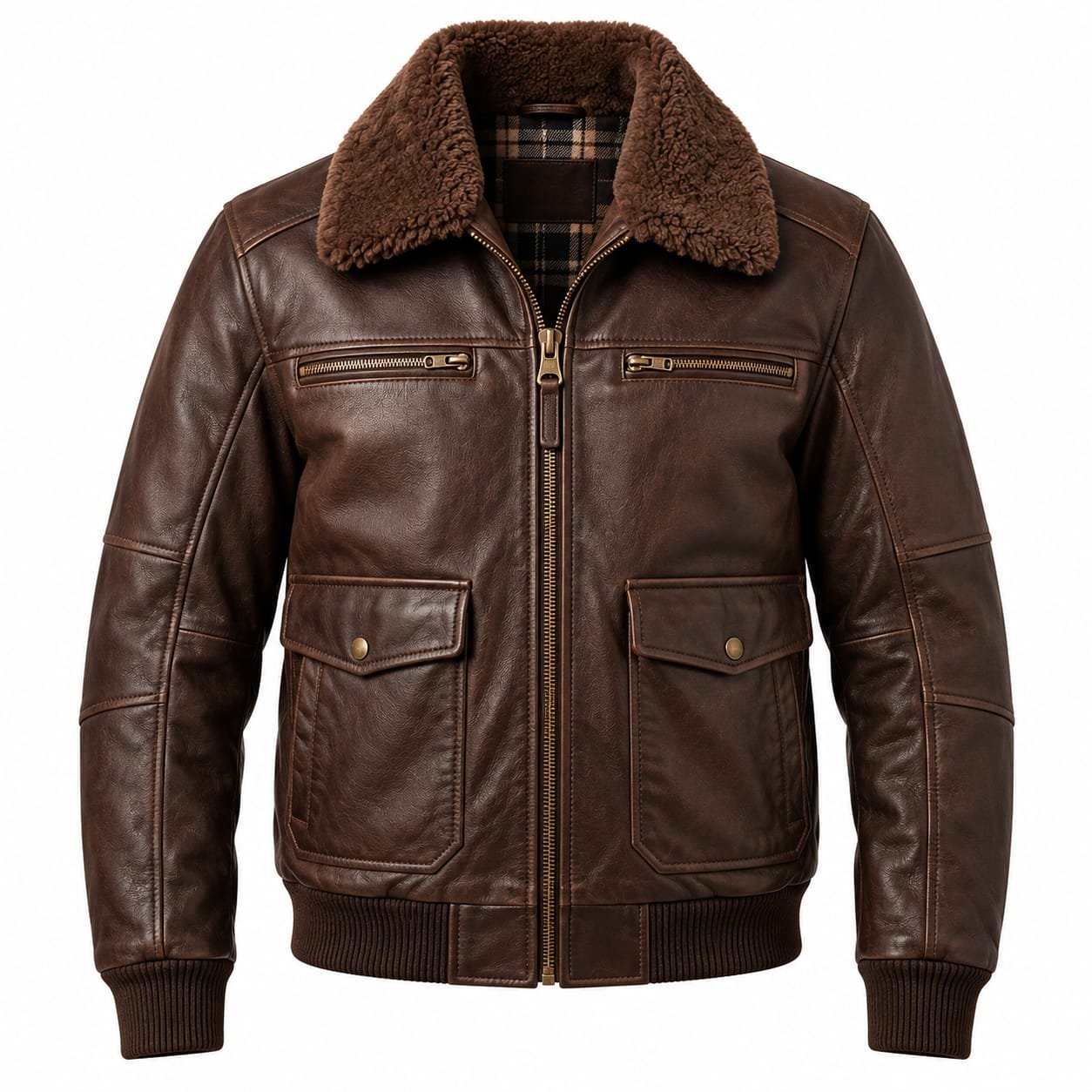
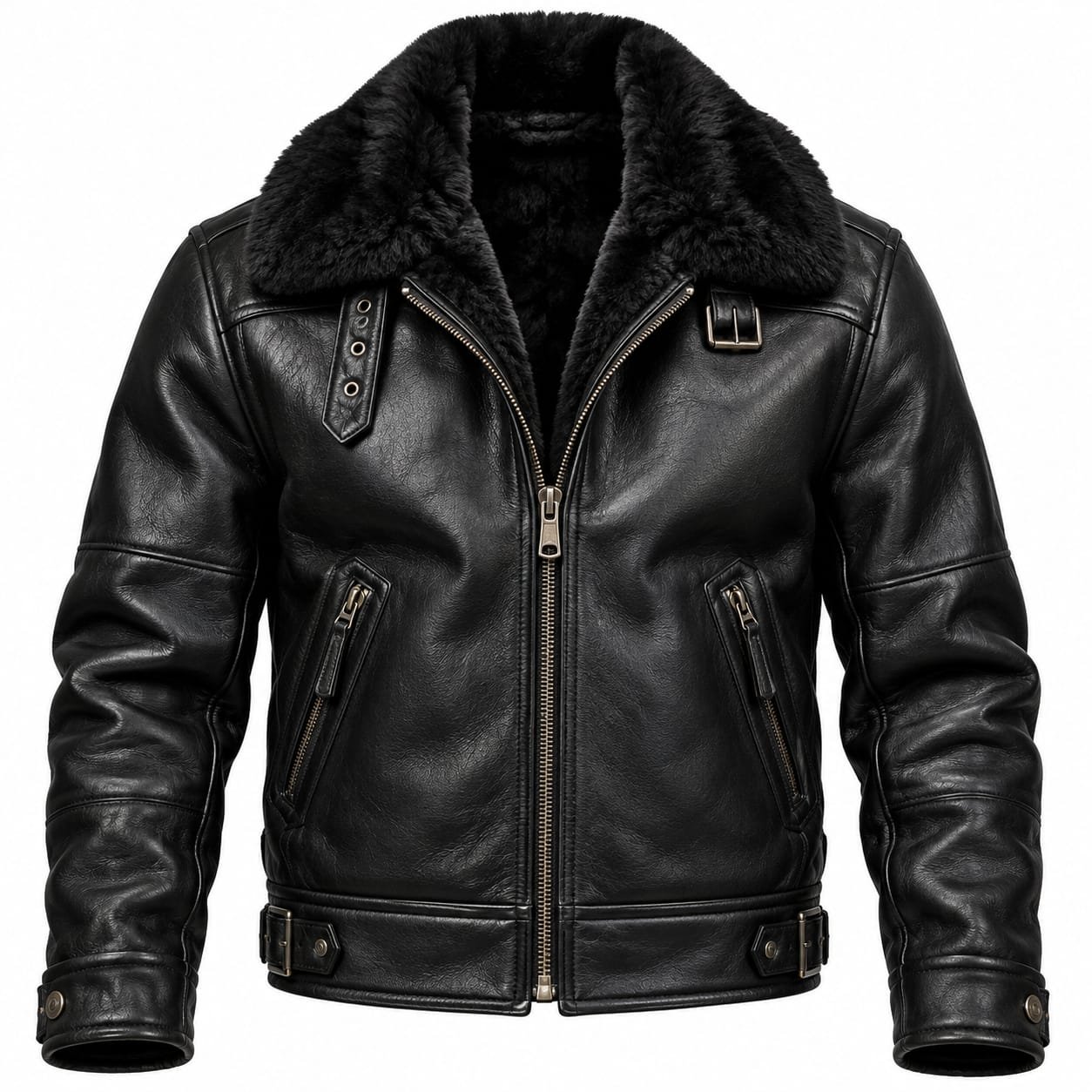
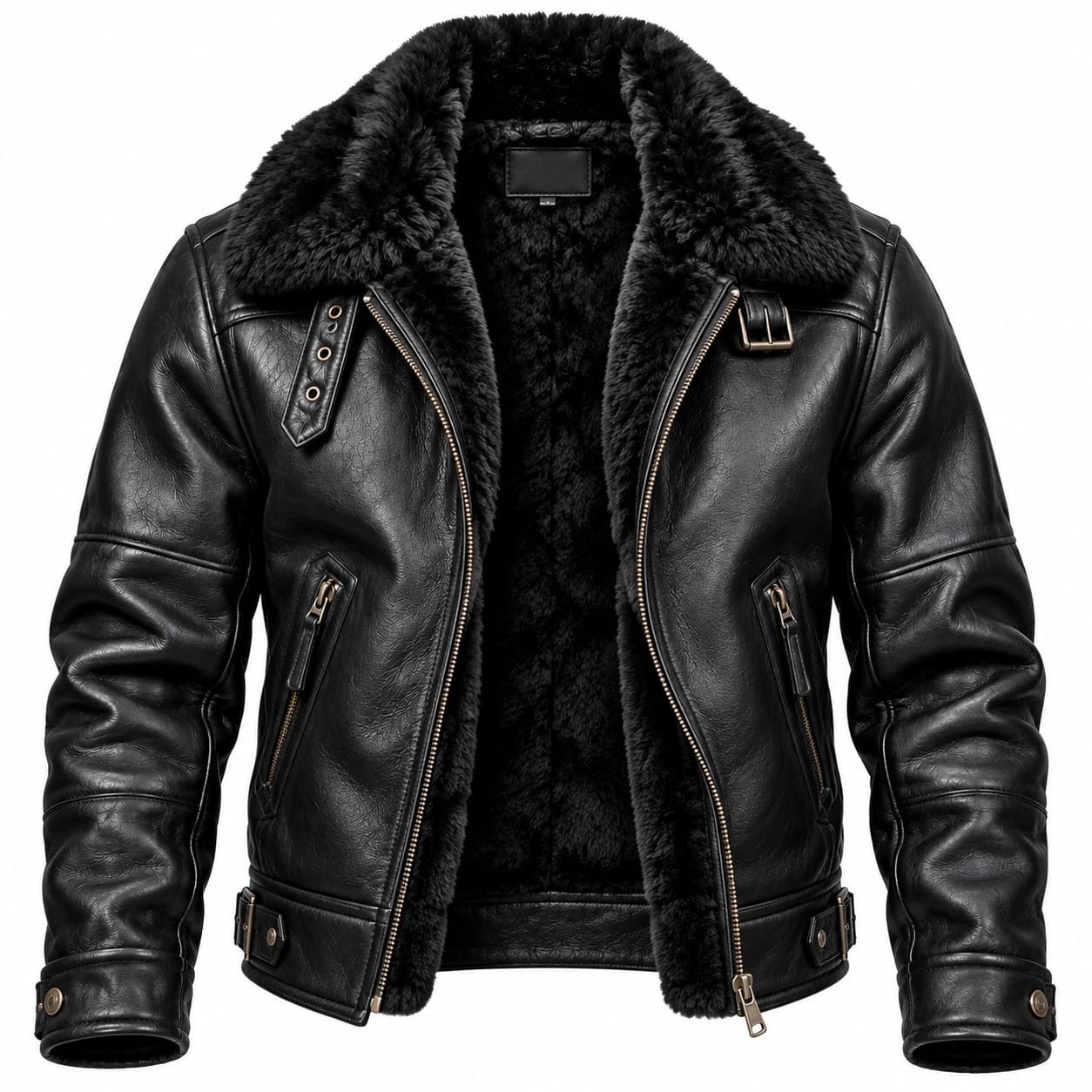
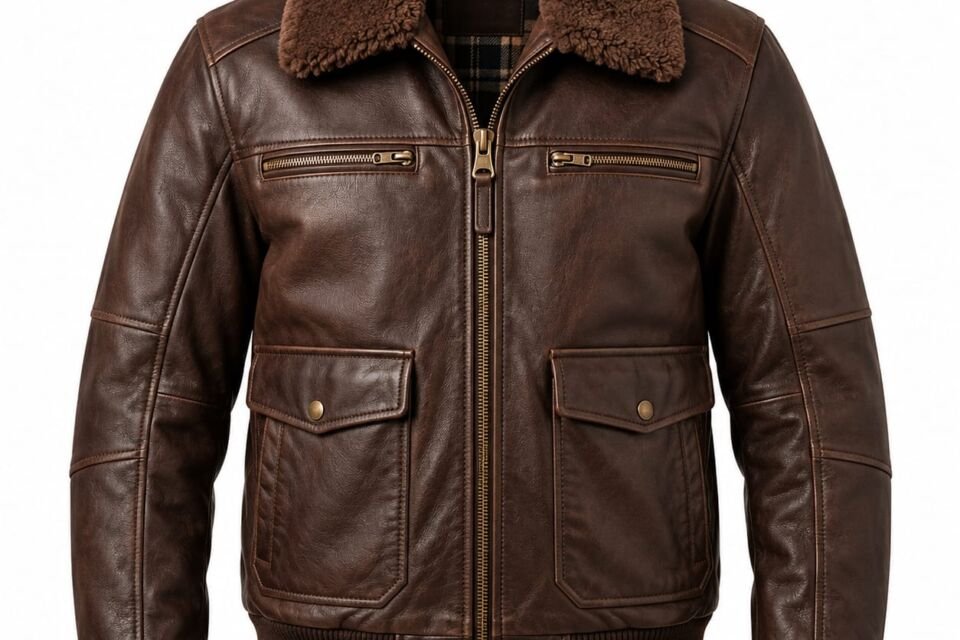
Aviator and shearling jackets: Flight-inspired designs that may feature shearling collars or insulating linings.
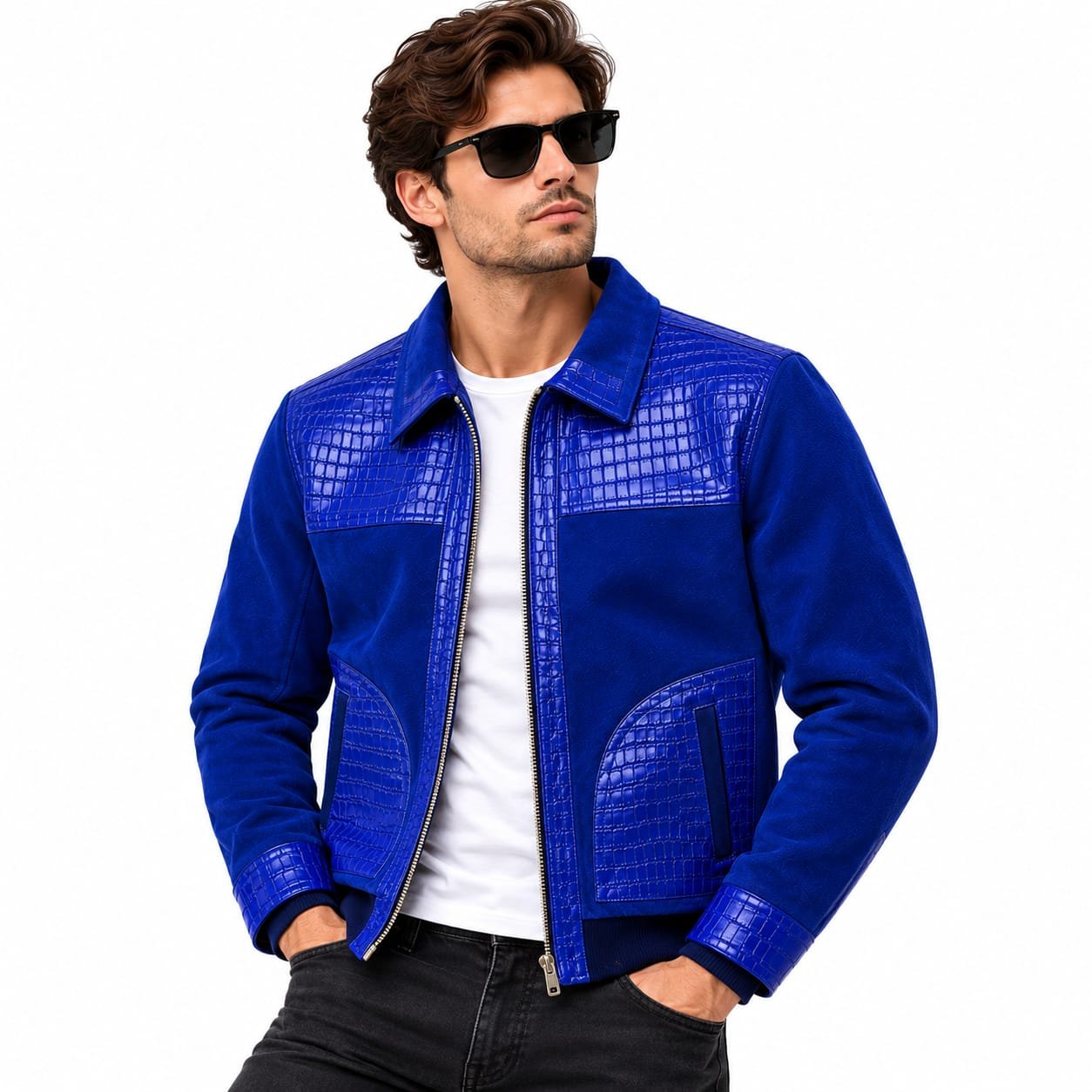
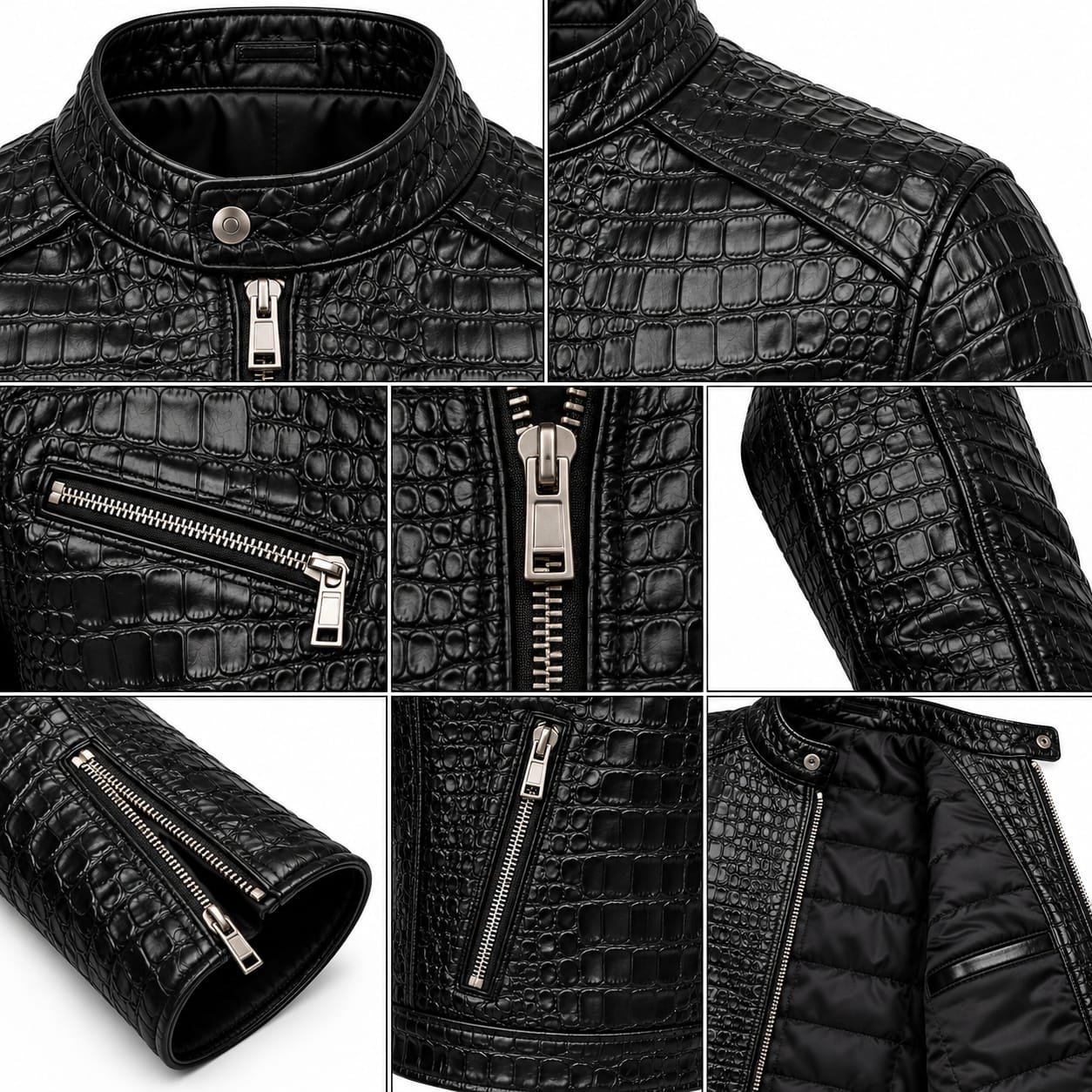
Contemporary fashion jackets: Designs that incorporate embossed textures, unusual color combinations, distinctive panel construction, or custom hardware.
A manufacturer can use technical drawings, reference photographs, measurement specifications, or an existing sample to understand the design requirements.
The more clearly the specifications are documented, the easier it is to evaluate whether the finished product matches the original concept.
4. Create a Tech Pack and Size Specifications
A technical package, commonly called a tech pack, communicates the details required to manufacture a garment.
For custom leather jackets, it should ideally include:
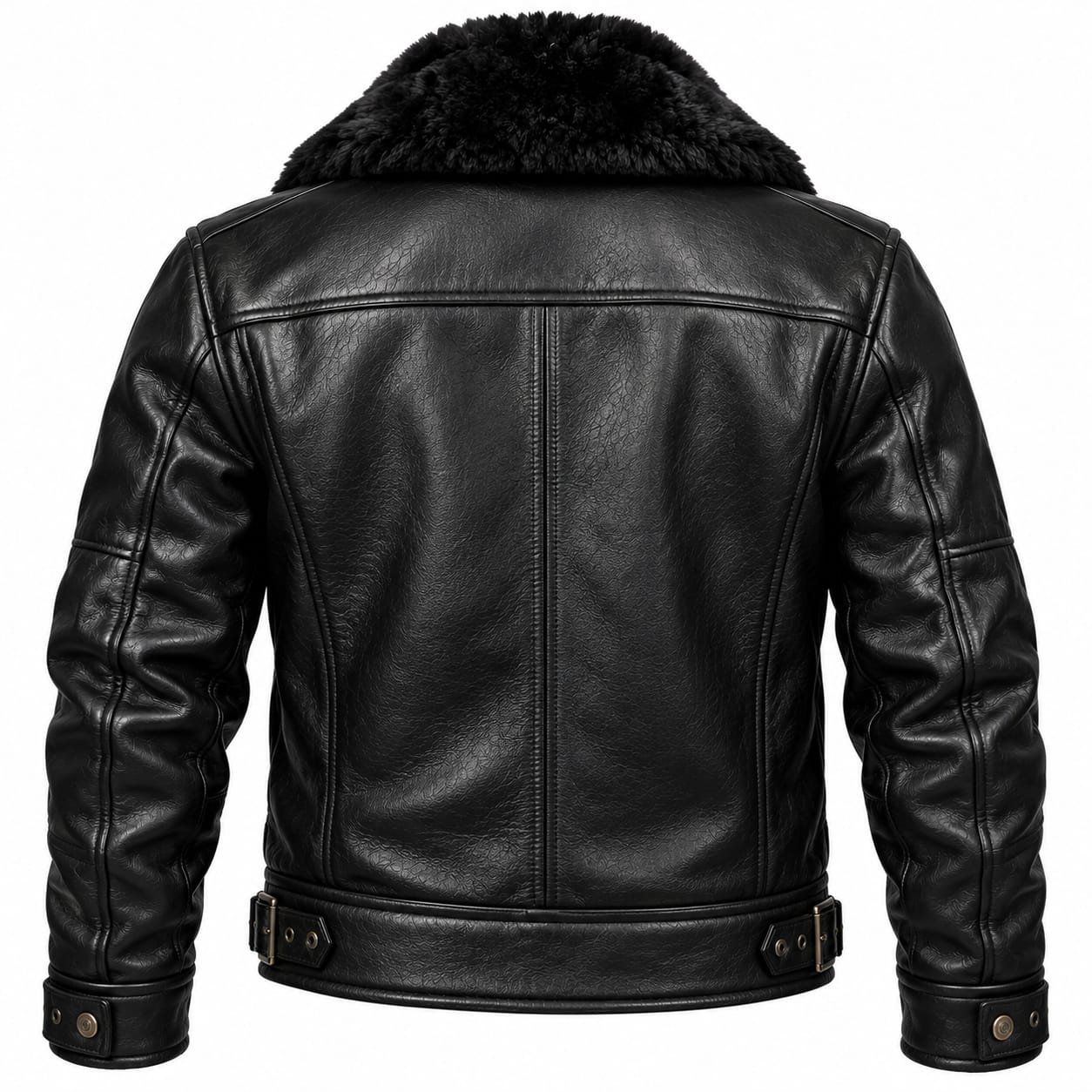
- Front, back, and side design views
- Material and color specifications
- Measurements for each required size
- Stitching and seam details
- Pocket dimensions and placement
- Zipper, button, and buckle specifications
- Lining and insulation requirements
- Label and logo placement
- Packaging requirements
- Quality standards and acceptable measurement tolerances
If you do not have a complete tech pack, reference images and a detailed written brief can provide a starting point. However, additional development work may be needed to establish accurate patterns and measurements.
For international brands, confirm the intended sizing system and provide a measurement chart rather than relying on size labels alone.
5. Request a Sample Before Bulk Production
Sampling is an important stage in custom leather jacket manufacturing because it allows the brand to evaluate the design before committing to a larger order.
A sample can help assess the material, color, fit, construction, lining, hardware, and overall appearance.
During the review, check:
- Whether the leather matches the agreed specification
- Whether the jacket fits according to the measurement chart
- Whether the collar, sleeves, and pockets are positioned correctly
- Whether the zippers and buttons work properly
- Whether the lining sits comfortably
- Whether the stitching and finishing meet expectations
- Whether the logo and labels are correctly positioned
If adjustments are necessary, document them clearly and request revisions where agreed.
The final approved sample or specification should serve as the reference for bulk production. This helps reduce misunderstandings between the brand and manufacturer.
6. Customize Colors, Hardware, and Branding
Customization is not limited to the jacket’s shape. Small details can make a product more recognizable and help it fit the rest of a collection.
Custom Colors
Brands may explore black, brown, burgundy, tan, navy, or other colors depending on the selected leather and available finishing options.
Keep in mind that the final appearance can vary according to the material, finish, lighting, and production batch. Approving a physical color sample can be helpful when color consistency is important.
Zippers and Hardware
Hardware choices influence the overall aesthetic. Silver-tone zippers may create a modern look, while antique brass or black finishes can provide a different visual effect.
Custom zipper pulls and other branded components may also be possible, depending on the manufacturer’s capabilities and order requirements.
Private-Label Branding
Private-label options may include woven neck labels, size labels, leather patches, embossed logos, hangtags, and branded packaging.
Provide the approved logo artwork and confirm the placement, dimensions, colors, and finishing method before production begins.
Not every customization option is available for every material or order quantity, so confirm feasibility with your manufacturer.
7. Understand Minimum Order Quantity and Pricing
Minimum order quantity, commonly known as MOQ, refers to the smallest order a manufacturer accepts under its stated terms.
Custom leather jacket MOQs vary between manufacturers and projects. Some may accept small development orders, while other projects require larger quantities, particularly when custom materials or hardware are involved.
The cost of a custom leather jacket can depend on several factors:
- Leather type, grade, and consumption
- Jacket design and construction complexity
- Number and type of pockets
- Lining and insulation
- Zippers, buttons, buckles, and other hardware
- Custom labels and packaging
- Order quantity
- Sampling and development requirements
- Inspection, shipping, and other agreed services
A more complex design with multiple panels, specialized finishes, or custom hardware may cost more to manufacture than a simpler jacket.
When comparing quotations, make sure the specifications are equivalent. A low price is not necessarily a better value if the material, construction, or included services differ.
Request a written quotation that explains what is included, the applicable order quantity, payment terms, and estimated production timeline.
8. How the Custom Leather Jacket Manufacturing Process Works
Although the precise workflow varies by manufacturer, a typical project follows these stages.
Step 1: Initial inquiry
The brand shares its design concept, estimated quantity, target market, preferred materials, and customization requirements.
Step 2: Design and specification review
The manufacturer reviews the requirements and identifies details that need clarification.
Step 3: Material selection
Suitable leather, lining, hardware, and other components are discussed and approved.
Step 4: Pattern development and sampling
Patterns are developed, and a sample is prepared according to the agreed design.
Step 5: Sample approval
The brand checks the sample and communicates any required revisions.
Step 6: Bulk production
Following the agreed approval process, the manufacturer proceeds with cutting, sewing, assembly, and finishing.
Step 7: Quality inspection
The completed jackets are checked against the approved specifications and quality standards.
Step 8: Packaging and dispatch
The order is packed according to the agreed requirements and prepared for shipment.
Confirm the responsibilities, approvals, and payment milestones for each stage before starting the project.
9. Quality Control for Custom Leather Jackets
Quality control should be considered throughout the manufacturing process rather than only at the end.
For leather outerwear, inspection may cover the material, stitching, measurements, hardware, lining, symmetry, finishing, and branding.
Brands should establish clear acceptance criteria before production. These may include measurement tolerances, permitted natural leather variations, stitching standards, zipper functionality, and acceptable cosmetic defects.
For larger orders, buyers may wish to agree on a pre-shipment inspection process and documented sampling or inspection criteria.
It is also useful to retain approved material references and sample specifications so that future orders can be compared against the original requirements.
Clear quality standards help both parties understand what constitutes an acceptable finished product.
10. How to Choose a Custom Leather Jacket Manufacturer
Selecting a manufacturing partner requires more than comparing quotations. The manufacturer should understand your design requirements and communicate clearly throughout development and production.
Consider the following factors when evaluating potential suppliers.
Material Knowledge
Ask which leather types and finishes are available and how their characteristics suit your intended product.
Sampling Capabilities
Find out whether the manufacturer can develop samples from reference images, technical drawings, or an existing garment.
Customization Options
Confirm whether the supplier can accommodate your required colors, hardware, labels, sizing, and packaging.
Production Capacity
Discuss the expected order quantity, available capacity, and realistic production schedule.
Quality Procedures
Ask how materials and finished garments are inspected and how defects or production discrepancies are handled.
Communication
A reliable working relationship requires clear specifications, documented approvals, transparent quotations, and realistic commitments.
Before placing a significant order, review samples, verify the supplier’s capabilities, and agree on the key commercial and production terms in writing.
11. Why Consider a Manufacturer in Sialkot, Pakistan?
Sialkot is an established manufacturing center in Pakistan with experience across several export-oriented industries, including leather goods, sportswear, and related products.
For international clothing brands, working with a manufacturer in Sialkot may provide access to manufacturing expertise and customization services. However, capabilities differ from one supplier to another, so buyers should evaluate each manufacturer individually.
When considering a Sialkot-based leather jacket manufacturer, review the available materials, sampling process, construction quality, production capacity, export experience, and shipping arrangements.
Ask for clear product specifications and confirm the production timeline before making a purchasing decision.
The right manufacturing partner is one whose capabilities and working practices match the requirements of your project.
12. Custom Leather Jacket Manufacturing at Zentro Leather
Zentro Leather offers a destination for customers exploring leather outerwear and distinctive jacket styles.
For clothing brands and business buyers planning a custom collection, the first step is to define the intended product and its requirements.
Prepare reference images or a tech pack, specify the desired material and color, provide size information, and identify any branding or packaging needs.
The next step is to discuss the feasibility of the design, available customization options, sampling requirements, MOQ, quotation, and production schedule with the supplier.
Whether your concept involves a classic biker jacket, a streamlined cafe racer, a bomber silhouette, or a textured fashion design, clearly defined specifications help establish expectations before manufacturing begins.
Explore the relevant leather jacket collections on Zentro Leather and contact the business to discuss your project requirements.
Frequently Asked Questions
What is custom leather jacket manufacturing?
Custom leather jacket manufacturing involves developing jackets according to a customer’s specifications, which may include materials, design, fit, color, hardware, branding, and packaging.
Can I manufacture leather jackets under my own brand?
Private-label production may allow clothing brands to sell jackets with their own approved labels and branding. Available options depend on the manufacturer’s capabilities and agreed project requirements.
Do I need a tech pack to order custom leather jackets?
A tech pack is useful because it documents the design, materials, measurements, and construction requirements. If you do not have one, reference images and a detailed brief can be used as a starting point.
How much does a custom leather jacket cost?
Pricing depends on the leather, design complexity, hardware, lining, branding, order quantity, and other production requirements. Request a quotation based on your actual specifications.
Can I request a sample before placing a bulk order?
Many custom manufacturing projects include a sampling stage, although availability, cost, revisions, and timelines vary. Confirm the sampling terms before proceeding.
What affects the MOQ for custom leather jackets?
MOQ can depend on the manufacturer’s policies, material availability, custom hardware, production setup, and project complexity. Confirm the applicable minimum with your supplier.
How can I maintain consistent quality across bulk orders?
Approve a sample, document the material and construction specifications, establish measurable quality standards, and agree on inspection procedures before bulk production.
Conclusion
Custom leather jacket manufacturing gives clothing brands the opportunity to develop products that reflect their own identity, style, and customer expectations.
The process starts with selecting suitable materials and defining the design. Pattern development, sampling, hardware selection, branding, bulk production, and quality control follow according to the agreed specifications.
Before committing to an order, compare manufacturers based on their actual capabilities, review samples, document the requirements, and confirm the commercial terms.
Zentro Leather is a starting point for exploring leather outerwear and discussing potential customization requirements for your next collection.